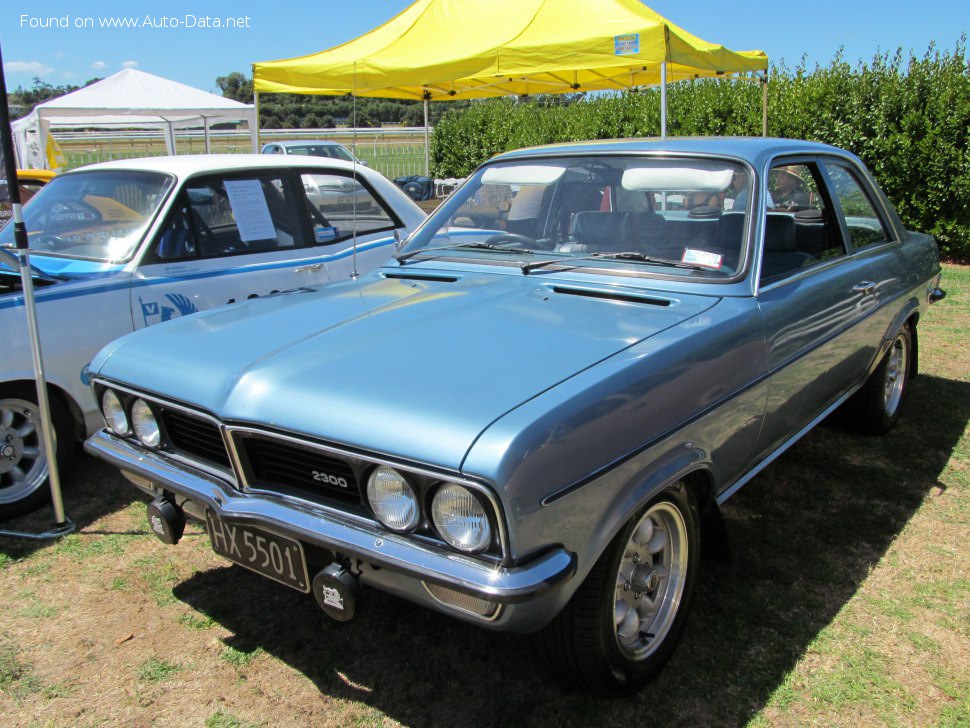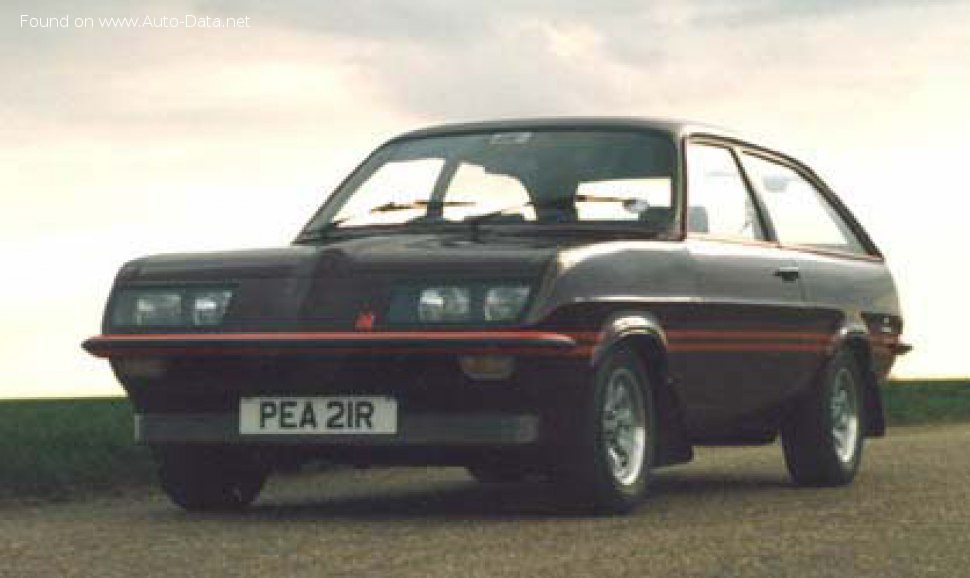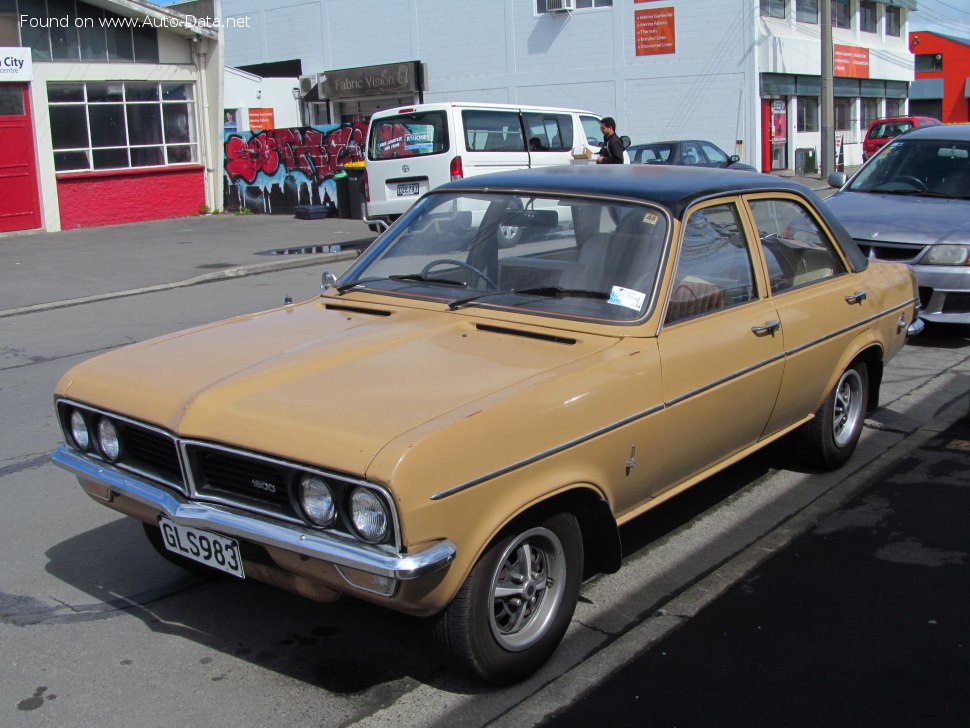
The Vauxhall Magnum was a compact family car produced by Vauxhall from 1973 to 1977. Positioned within the British market as a practical and affordable option, the Magnum represented Vauxhall’s entry into the increasingly popular hatchback and sedan segment. It was based on the Hillman Avenger, a result of the British Leyland Motor Corporation’s rationalization of its brands. While not officially sold in the United States, understanding the Magnum provides insight into the automotive landscape of 1970s Britain and the broader European market, where fuel efficiency and practicality were gaining prominence.
Vauxhall Magnum 1800: A Detailed Overview
The Magnum, particularly the 1800 variant, was designed to appeal to families seeking a reliable and economical vehicle. It offered a blend of reasonable performance, comfortable seating for five, and a relatively spacious interior for its size. The car’s design reflected the styling trends of the era, with a focus on functionality rather than overt luxury. The 1800 model, powered by a 1.8-liter engine, was a popular choice, offering a balance between power and fuel consumption. The Magnum’s significance lies in its role as a mainstream family car during a period of economic uncertainty and changing automotive tastes.
Engine & Performance
The heart of the Vauxhall Magnum 1800 was its 1759 cc inline-four cylinder engine. This naturally aspirated engine produced 78 horsepower at 5200 rpm and 131 Nm (96.62 lb.-ft.) of torque at 3000 rpm. While not a performance car by modern standards, the engine provided adequate power for everyday driving. The power-to-weight ratio of 80.5 horsepower per tonne allowed for reasonable acceleration, and the engine’s torque delivery made it relatively easy to drive in various conditions. The engine featured an overhead camshaft (OHC) valvetrain and utilized a carburetor for fuel delivery. The engine’s 8.5:1 compression ratio was typical for the era, balancing performance and fuel efficiency. The front, transverse engine layout was becoming increasingly common in European cars of this period, contributing to improved space utilization and handling characteristics. The Magnum 1800’s fuel consumption, while not exceptional, was considered acceptable for a vehicle of its size and class in the 1970s.
Design & Features
The Vauxhall Magnum 1800 was available as a two or four-door sedan. Its body style was characterized by clean lines and a relatively simple design. The car’s interior was functional and focused on providing comfortable seating for five passengers. The Magnum’s features were typical for a family car of the 1970s, prioritizing practicality over luxury. Standard equipment included basic instrumentation, cloth upholstery, and a steering wheel. Safety features were limited by the standards of the time, but typically included seat belts. The car’s dimensions – 4153 mm (163.5 in) in length, 1643 mm (64.69 in) in width, and 1331 mm (52.4 in) in height – positioned it as a compact family car. The wheelbase of 2461 mm (96.89 in) contributed to a relatively stable ride. The front track measured 1321 mm (52.01 in), while the rear track was 1308 mm (51.5 in). Ground clearance was 144 mm (5.67 in). The Magnum’s design was intended to be appealing to a broad range of buyers, emphasizing practicality and affordability.
Technical Specifications
| Brand | Vauxhall |
| Model | Magnum |
| Generation | Magnum |
| Type (Engine) | 1800 (78 Hp) |
| Start of production | 1973 |
| End of production | 1977 |
| Powertrain Architecture | Internal Combustion engine |
| Body type | Sedan |
| Seats | 5 |
| Doors | 2-4 |
| Fuel Type | Petrol (Gasoline) |
| Weight-to-power ratio | 12.4 kg/Hp |
| Hp/tonne | 80.5 Hp/tonne |
| Weight-to-torque ratio | 7.4 kg/Nm |
| Nm/tonne | 135.2 Nm/tonne |
| Power | 78 Hp @ 5200 rpm |
| Power per litre | 44.3 Hp/l |
| Torque | 131 Nm @ 3000 rpm |
| Torque (lb.-ft.) | 96.62 lb.-ft. @ 3000 rpm |
| Engine layout | Front, Transverse |
| Engine displacement | 1759 cm3 |
| Engine displacement (cu. in.) | 107.34 cu. in. |
| Number of cylinders | 4 |
| Engine configuration | Inline |
| Cylinder Bore | 85.73 mm |
| Cylinder Bore (in.) | 3.38 in. |
| Piston Stroke | 76.2 mm |
| Piston Stroke (in.) | 3 in. |
| Compression ratio | 8.5:1 |
| Fuel injection system | Carburettor |
| Engine aspiration | Naturally aspirated engine |
| Valvetrain | OHC |
| Kerb Weight | 969/987 kg |
| Kerb Weight (lbs.) | 2136.28 lbs. |
| Fuel tank capacity | 54 l |
| Fuel tank capacity (US gal) | 14.27 US gal |
| Fuel tank capacity (UK gal) | 11.88 UK gal |
| Length | 4153 mm |
| Length (in.) | 163.5 in. |
| Width | 1643 mm |
| Width (in.) | 64.69 in. |
| Height | 1331 mm |
| Height (in.) | 52.4 in. |
| Wheelbase | 2461 mm |
| Wheelbase (in.) | 96.89 in. |
| Front track | 1321 mm |
| Front track (in.) | 52.01 in. |
| Rear track | 1308 mm |
| Rear track (in.) | 51.5 in. |
| Ride height (ground clearance) | 144 mm |
| Ride height (ground clearance) (in.) | 5.67 in. |
| Drivetrain Architecture | Internal Combustion engine (ICE) drives the front wheels |
| Drive wheel | Front wheel drive |
| Number of gears | 4 |
| Type of gearbox | manual transmission |
| Front brakes | Disc |
| Rear brakes | Drum |
| Steering type | Steering rack and pinion |
The Vauxhall Magnum 1800, while a relatively modest vehicle, played a significant role in the British automotive market of the 1970s. Its practicality, affordability, and reasonable performance made it a popular choice for families. Although not a technological marvel, the Magnum represented a solid and reliable option for buyers seeking a functional and economical car.