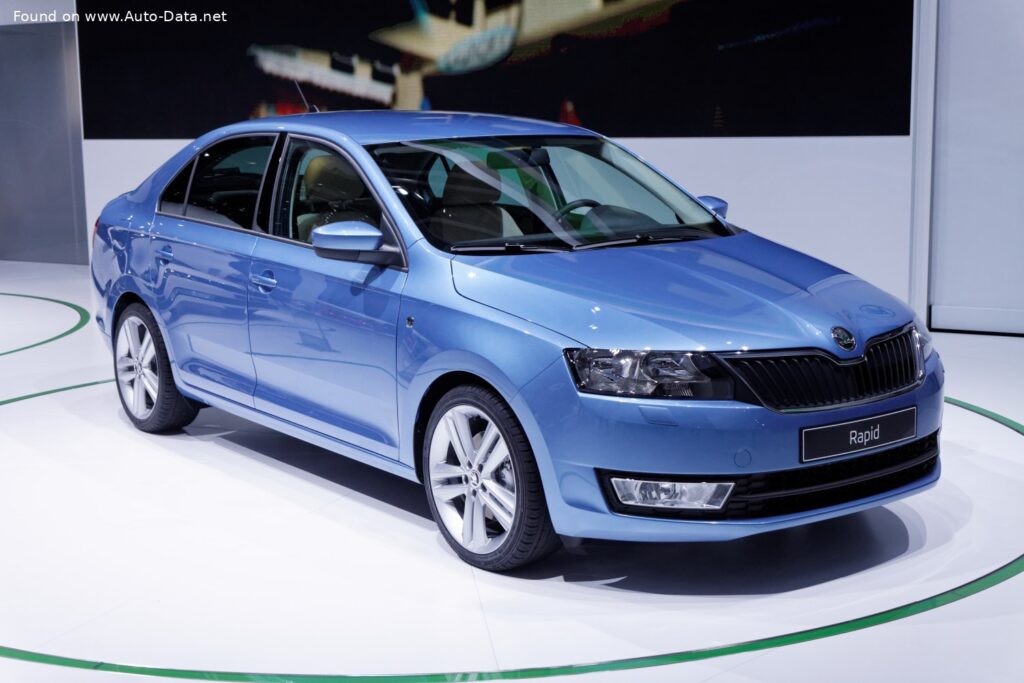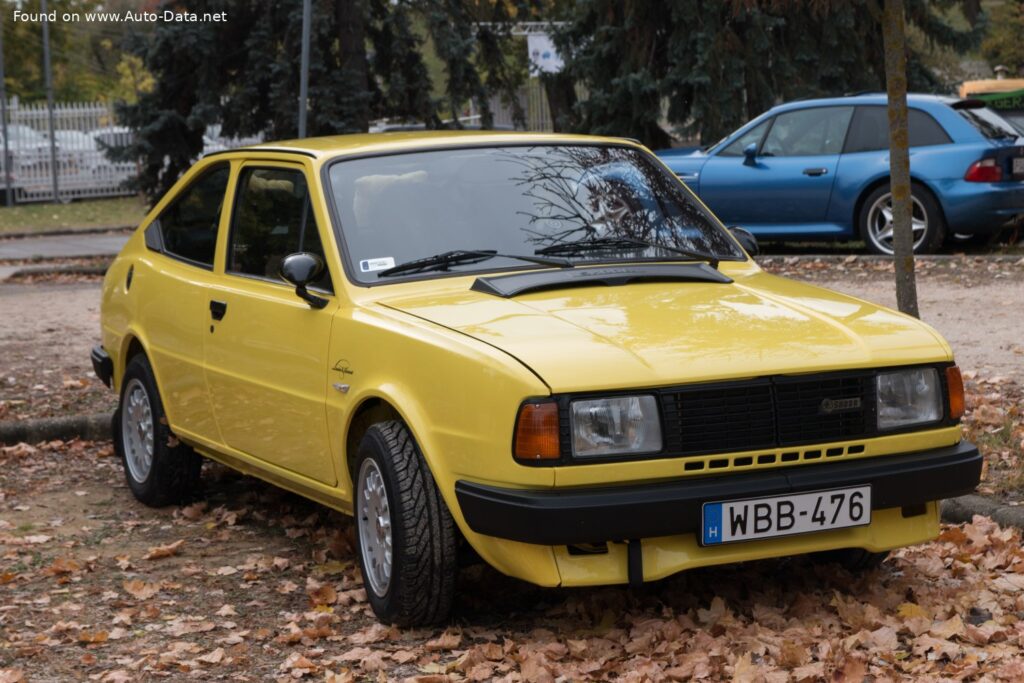
The Skoda Rapid 120G, 130G, and 135G series, particularly the 1.3 S (135GL) variant, represents a significant chapter in the Czech automaker’s history. Produced between 1984 and 1990, the Rapid was Skoda’s final rear-engined offering, bridging the gap between the long-running tradition of rear-engine designs and the front-engine layouts that would define the brand’s future. While not officially sold in the United States, the Rapid was a popular and relatively modern vehicle within the Eastern European market, offering a blend of practicality, affordability, and increasingly sophisticated features for its time. It served as a key model for Skoda during a period of political and economic transition, ultimately paving the way for its integration into the Volkswagen Group.
Skoda Rapid (120G, 130G, 135G): A Rear-Engine Legacy
The Rapid series evolved from the earlier Skoda 105/120 models, inheriting the fundamental rear-engine, rear-wheel-drive layout that had characterized Skoda vehicles for decades. However, the 130G and subsequent 135G variants introduced substantial improvements in engine performance, styling, and interior comfort. The 1.3 S (135GL) specifically, denoted by the “GL” designation signifying “Grand Luxe,” represented the top-of-the-line trim level, offering enhanced features and a slightly more powerful engine compared to the base models. The Rapid was intended to compete with other compact cars available in the Eastern Bloc and Western Europe, offering a unique driving experience due to its rear-engine configuration.
Engine & Performance
The heart of the Skoda Rapid 1.3 S (135GL) is its 1.3-liter, naturally aspirated four-cylinder engine, designated the 747 series. This engine produced 58 horsepower, a modest output by modern standards, but a respectable figure for a vehicle of its size and era. The engine featured a simple overhead valve (OHV) configuration and a single carburetor. While not known for blistering acceleration, the 1.3-liter engine provided adequate power for everyday driving, particularly in urban environments. The rear-engine layout contributed to a unique weight distribution, influencing the car’s handling characteristics. The Rapid’s four-speed manual transmission delivered power to the rear wheels. The engine’s relatively simple design contributed to its reliability and ease of maintenance, important factors in the markets where the Rapid was sold.
Performance figures were typical for the period. Acceleration from 0 to 60 mph was estimated to be around 14-16 seconds, and top speed was approximately 90-95 mph. Fuel economy, while not exceptional, was reasonable for a rear-engined car, averaging around 35-40 miles per gallon. The rear-engine configuration did present some challenges in terms of handling, particularly in cornering, requiring drivers to adapt to the car’s unique dynamics. However, the Rapid’s relatively lightweight construction helped to mitigate some of these issues.
Design & Features
The Skoda Rapid 135GL featured a coupe-like body style with four doors, a relatively uncommon configuration for the time. The design was a significant departure from the more rounded shapes of earlier Skoda models, adopting a more angular and modern aesthetic. The front end featured a distinctive grille and headlights, while the rear end incorporated a prominent engine cover and taillights. The “GL” trim level included several features designed to enhance comfort and convenience. These included upgraded upholstery, improved interior trim, and additional sound insulation. The car’s interior was relatively spacious for its size, offering comfortable seating for four passengers.
Safety features were limited by the standards of the 1980s. The Rapid typically included basic safety equipment such as seat belts and a steering column-mounted instrument cluster. However, features such as airbags and anti-lock brakes were not available. The car’s construction relied on a traditional body-on-frame design, providing a degree of structural rigidity. The Rapid’s relatively simple mechanical design made it relatively easy to repair and maintain, a significant advantage in markets where access to specialized repair facilities was limited. The car’s affordability and practicality made it a popular choice for families and individuals seeking a reliable and economical mode of transportation.
Technical Specifications
| Brand | Skoda |
| Model | Rapid |
| Generation | Rapid (120G, 130G, 135G) |
| Type (Engine) | 1.3 S (135GL) (58 Hp) |
| Start of production | 1984 |
| End of production | 1990 |
| Powertrain Architecture | Internal Combustion engine |
| Body type | Coupe |
| Doors | 4 |
| Fuel Type | Petrol (Gasoline) |
| Power | 58 Hp |
| Engine Model/Code | 747 |
| Engine aspiration | Naturally aspirated engine |
The Skoda Rapid 1.3 S (135GL) occupies a unique position in automotive history. It represents the culmination of Skoda’s rear-engine expertise, offering a blend of practicality, affordability, and increasingly modern features. While not widely known in the United States, the Rapid was a significant vehicle in its primary markets, providing a reliable and economical transportation option for a generation of drivers. Its eventual replacement by front-engine models marked a turning point for Skoda, setting the stage for its future success as part of the Volkswagen Group. The Rapid remains a fondly remembered vehicle among enthusiasts, celebrated for its distinctive design, unique driving experience, and enduring legacy.