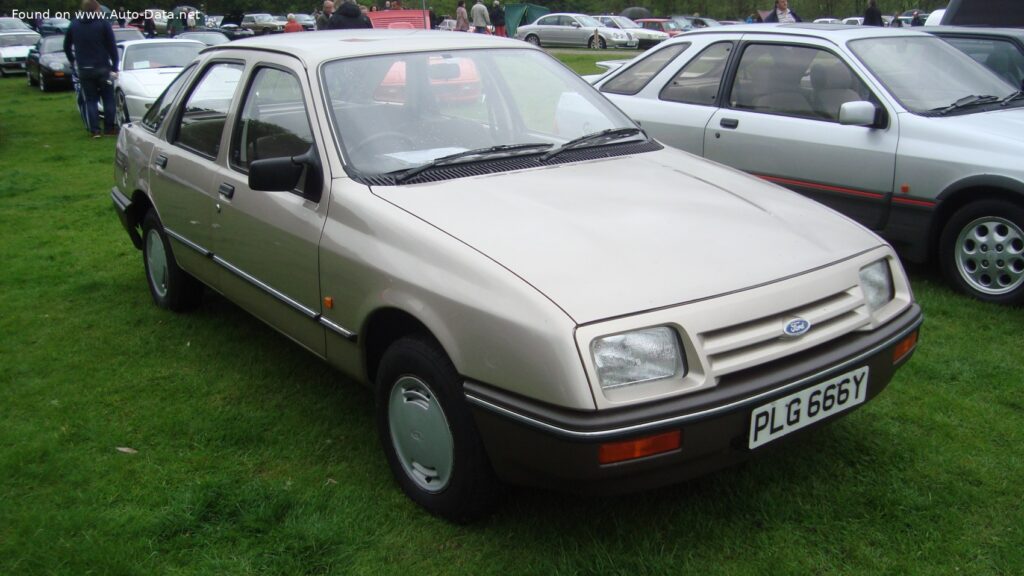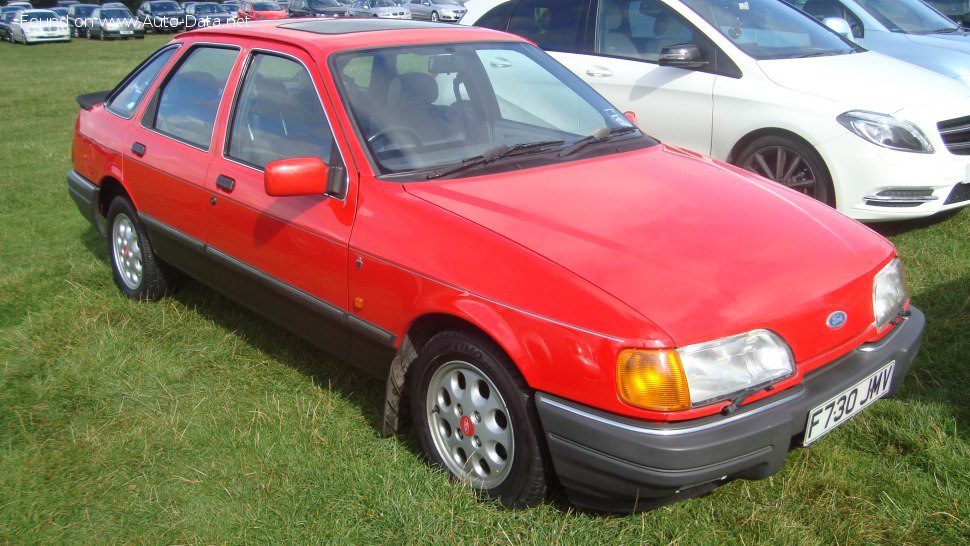
The Ford Sierra, produced between 1982 and 1993, represented a significant departure for Ford of Europe, replacing the long-running and increasingly dated Cortina. The Sierra was a thoroughly modern design for its time, embracing aerodynamics and offering a more spacious interior than its predecessor. The Sierra Hatchback II 2.0i, produced from 1989 to 1993, was a key variant, offering a balance of performance and practicality within the compact family car segment. While not officially sold in the United States, the Sierra was a hugely important model in Europe, competing with vehicles like the Opel/Vauxhall Astra, Volkswagen Jetta, and Peugeot 305/405. It laid the groundwork for the later Ford Mondeo, and its engineering influenced Ford’s global product development.
The Ford Sierra Hatchback II 2.0i: A Detailed Overview
The Sierra II, introduced in 1986, brought significant revisions to the original Sierra, including improved aerodynamics, a more refined interior, and updated engine options. The 2.0i model, with its 125 horsepower engine, was positioned as a desirable mid-range offering, appealing to drivers seeking a blend of fuel efficiency and respectable performance. It was a popular choice for family transportation and commuting, offering a comfortable ride and a relatively spacious interior for its class. The hatchback body style provided enhanced practicality compared to the saloon (sedan) version, making it a versatile vehicle for a variety of needs.
Engine & Performance
The heart of the Sierra 2.0i is its 2.0-liter inline four-cylinder engine, designated the N9C. This naturally aspirated engine produced 125 horsepower, providing a reasonable level of performance for the late 1980s and early 1990s. The engine utilized multi-port fuel injection, a relatively advanced technology for the time, which contributed to improved fuel efficiency and smoother operation compared to carbureted engines. The longitudinal engine layout, coupled with rear-wheel drive, was a defining characteristic of the Sierra, offering a different driving experience than the increasingly common front-wheel-drive cars of the era.
While not a sports car, the Sierra 2.0i offered respectable acceleration and a comfortable cruising speed. The rear-wheel-drive configuration provided balanced handling, although it could be challenging for inexperienced drivers in adverse weather conditions. The engine’s torque output, while not exceptionally high, was sufficient for everyday driving and allowed for confident overtaking maneuvers. The Sierra 2.0i wasn’t about outright speed; it was about providing a reliable and enjoyable driving experience for the average driver. The engine required 4.5 liters (4.76 US quarts, 3.96 UK quarts) of engine oil, specified to Ford’s standards for the period, and 7.3 liters (7.71 US quarts, 6.42 UK quarts) of coolant to maintain optimal operating temperatures.
Design & Features
The Sierra Hatchback II’s design was distinctly aerodynamic, a key focus for Ford during its development. The sloping roofline and streamlined body shape helped to reduce drag, improving fuel efficiency and stability at higher speeds. The hatchback configuration offered a practical and versatile cargo area, accessible through a large rear hatch. The interior was designed with practicality in mind, offering comfortable seating for five passengers and a reasonably sized dashboard with clearly laid-out controls.
Safety features, while not as comprehensive as those found in modern vehicles, were improving during the Sierra’s production run. Ventilated disc brakes were fitted to the front wheels, providing effective stopping power, while drum brakes were used on the rear. The front suspension utilized an independent McPherson strut design, offering a comfortable ride and good handling characteristics. The Sierra II also benefited from improvements to its body structure, enhancing crashworthiness. The overall aesthetic of the Sierra II was modern for its time, with clean lines and a relatively understated appearance. It wasn’t a flashy car, but it was a well-designed and functional vehicle that appealed to a broad range of buyers.
Technical Specifications
| Brand | Ford |
| Model | Sierra |
| Generation | Sierra Hatchback II |
| Type (Engine) | 2.0 i (125 Hp) |
| Start of production | 1989 |
| End of production | 1993 |
| Powertrain Architecture | Internal Combustion engine |
| Body type | Hatchback |
| Fuel Type | Petrol (Gasoline) |
| Power | 125 Hp |
| Engine layout | Front, Longitudinal |
| Engine Model/Code | N9C |
| Engine configuration | Inline |
| Fuel injection system | Multi-port manifold injection |
| Engine aspiration | Naturally aspirated engine |
| Engine oil capacity | 4.5 l / 4.76 US qt / 3.96 UK qt |
| Coolant capacity | 7.3 l / 7.71 US qt / 6.42 UK qt |
| Drivetrain Architecture | Rear wheel drive |
| Front suspension | Independent type McPherson |
| Front brakes | Ventilated discs |
| Rear brakes | Drum |
The Ford Sierra Hatchback II 2.0i represents a significant chapter in Ford’s European history. It was a well-engineered, practical, and relatively affordable vehicle that appealed to a wide range of buyers. While it never officially reached American shores, its influence can be seen in later Ford models, and it remains a fondly remembered car among enthusiasts in Europe. Its blend of performance, practicality, and aerodynamic design made it a standout vehicle in the competitive compact family car segment of the late 1980s and early 1990s.