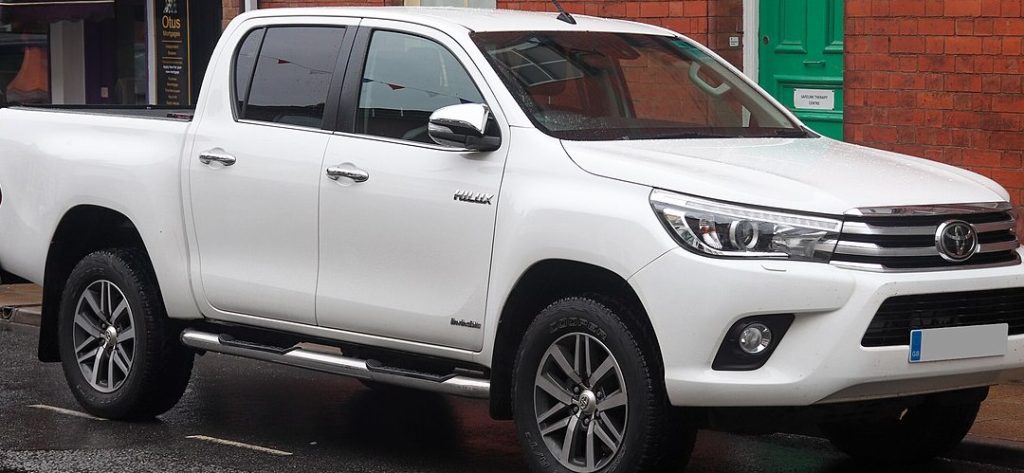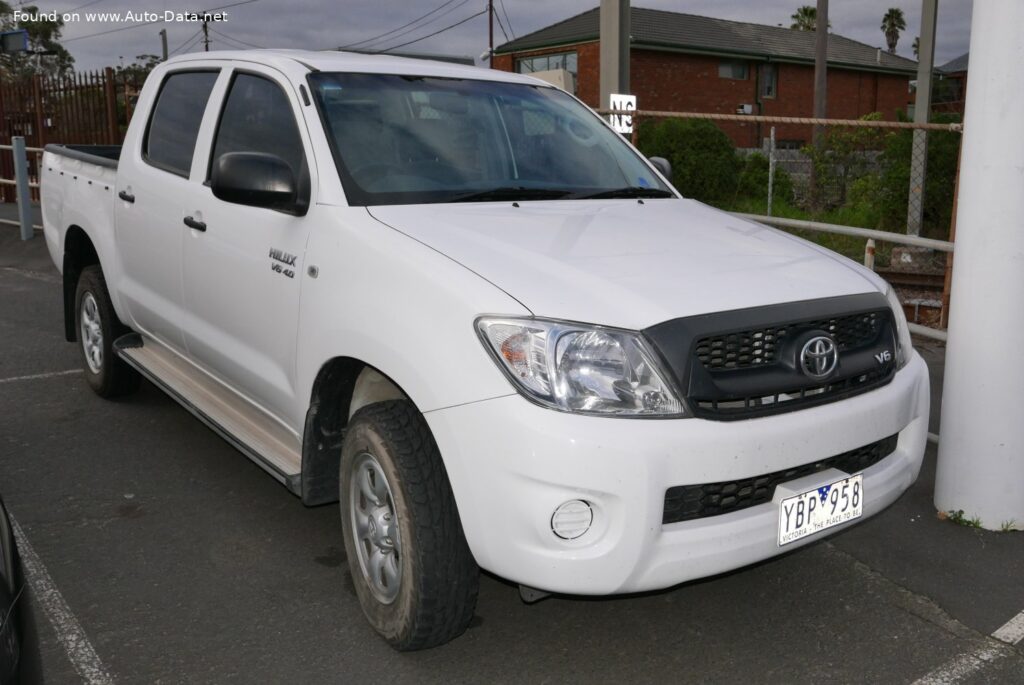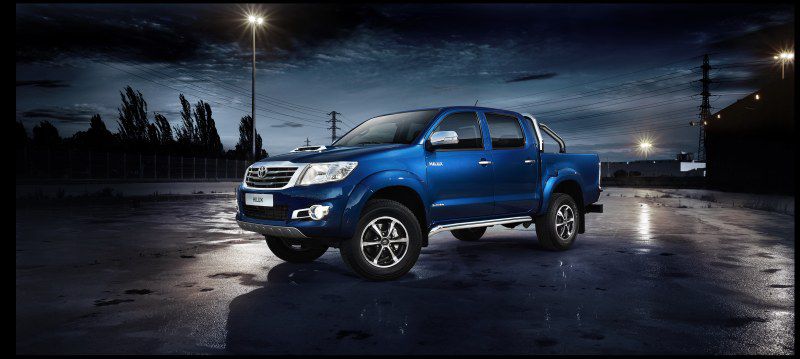
The Toyota Hilux Extra Cab VIII (facelift 2017) 2.4d (150 Hp) 4×4 Automatic represents a mid-cycle refresh of the eighth generation Hilux, a globally recognized pickup truck renowned for its durability and reliability. While not extensively marketed in the United States, the Hilux holds a dominant position in markets like Australia, Asia, and Europe as a workhorse vehicle, favored by tradespeople, farmers, and those requiring a robust and capable transportation solution. This particular iteration, produced from November 2017 to June 2020, focuses on balancing practicality with improved comfort and technology compared to earlier Hilux models. The “Extra Cab” configuration provides a small rear seating area, offering a compromise between the single-cab utility focus and the full four-door cab’s passenger capacity.
Toyota Hilux Extra Cab VIII: A Global Workhorse
The Hilux has a long and storied history, dating back to 1968. Over generations, it has evolved from a basic utility vehicle to a more refined offering, incorporating modern features while retaining its core strengths. The eighth generation, launched in 2016, aimed to address criticisms of previous models regarding ride quality and refinement. The 2017 facelift brought further improvements to styling, equipment, and powertrain options. The 2.4d variant, powered by the 2GD-FTV engine, was a popular choice in many markets, offering a good balance of fuel efficiency and performance for everyday use and demanding tasks. The Hilux’s reputation for being virtually indestructible has been cemented through numerous real-world tests and anecdotal evidence, making it a trusted vehicle in challenging environments.
Engine & Performance
The heart of the Toyota Hilux Extra Cab VIII 2.4d is the 2GD-FTV 2.4-liter inline-four diesel engine. This engine produces 150 horsepower at 3400 rpm and 400 Nm (295.02 lb.-ft.) of torque between 1600 and 2000 rpm. The engine utilizes a turbocharger with intercooling and a diesel common rail fuel injection system to optimize combustion and deliver strong low-end torque, crucial for hauling and off-road driving. The longitudinal engine layout contributes to a balanced weight distribution. The power-to-weight ratio of 12.6 kg/Hp and torque-to-weight ratio of 4.7 kg/Nm demonstrate the vehicle’s capability. Paired with a six-speed automatic transmission, the powertrain delivers smooth and efficient operation. The all-wheel-drive (4×4) system provides enhanced traction in various conditions, making it suitable for both on-road and off-road applications. The engine’s 15.6:1 compression ratio is typical for a modern diesel engine, contributing to its efficiency.
Design & Features
The Toyota Hilux Extra Cab VIII maintains the traditional pickup truck silhouette, characterized by a robust and functional design. The Extra Cab configuration features a second row of seats, albeit smaller than those found in a full four-door cab, providing occasional passenger accommodation. The 2017 facelift brought subtle styling updates, including revised front fascia, headlights, and grille. The interior focuses on practicality and durability, with hard-wearing materials and a functional layout. Key features include ABS (Anti-lock Braking System) for enhanced safety, hydraulic power steering for ease of maneuverability, and a steering rack and pinion system for precise handling. The ventilated front disc brakes and rear drum brakes provide adequate stopping power. The vehicle rides on 7.5J x 17 alloy wheels fitted with 265/65 R17 tires, offering a good balance of on-road comfort and off-road grip. The Hilux’s design prioritizes functionality and resilience, reflecting its intended use as a work vehicle.
Technical Specifications
| General Information | |
| Brand | Toyota |
| Model | Hilux |
| Generation | Hilux Extra Cab VIII (facelift 2017) |
| Type (Engine) | 2.4d (150 Hp) 4×4 Automatic |
| Start of production | November, 2017 |
| End of production | June, 2020 |
| Powertrain Architecture | Internal Combustion engine |
| Body type | Pick-up |
| Seats | 4 |
| Doors | 2 |
| Performance Specs | |
| Fuel Type | Diesel |
| Weight-to-power ratio | 12.6 kg/Hp |
| Weight-to-torque ratio | 4.7 kg/Nm |
| Engine Specs | |
| Power | 150 Hp @ 3400 rpm |
| Power per litre | 62.7 Hp/l |
| Torque | 400 Nm @ 1600-2000 rpm / 295.02 lb.-ft. @ 1600-2000 rpm |
| Engine layout | Front, Longitudinal |
| Engine Model/Code | 2GD-FTV |
| Engine displacement | 2393 cm3 / 146.03 cu. in. |
| Number of cylinders | 4 |
| Engine configuration | Inline |
| Cylinder Bore | 92 mm / 3.62 in. |
| Piston Stroke | 90 mm / 3.54 in. |
| Compression ratio | 15.6:1 |
| Number of valves per cylinder | 4 |
| Fuel injection system | Diesel Commonrail |
| Engine aspiration | Turbocharger, Intercooler |
| Valvetrain | DOHC |
| Engine oil capacity | 7.5 l / 7.93 US qt | 6.6 UK qt |
| Coolant | 7.9 l / 8.35 US qt | 6.95 UK qt |
| Space, Volume and Weights | |
| Kerb Weight | 1890 kg / 4166.74 lbs. |
| Max. weight | 3000 kg / 6613.87 lbs. |
| Max load | 1110 kg / 2447.13 lbs. |
| Fuel tank capacity | 80 l / 21.13 US gal | 17.6 UK gal |
| Permitted trailer load with brakes (12%) | 3000 kg / 6613.87 lbs. |
| Permitted trailer load without brakes | 750 kg / 1653.47 lbs. |
| Dimensions | |
| Height | 1810 mm / 71.26 in. |
| Wheelbase | 3085 mm / 121.46 in. |
| Front track | 1535 mm / 60.43 in. |
| Rear (Back) track | 1550 mm / 61.02 in. |
| Front overhang | 1000 mm / 39.37 in. |
| Drivetrain, Brakes and Suspension Specs | |
| Drive wheel | All wheel drive (4×4) |
| Number of gears and type of gearbox | 6 gears, automatic transmission |
| Front suspension | Double wishbone |
| Rear suspension | Double wishbone |
| Front brakes | Ventilated discs |
| Rear brakes | Drum |
| Steering type | Steering rack and pinion |
| Power steering | Hydraulic Steering |
| Tires size | 265/65 R17 |
| Wheel rims size | 7.5J x 17 |