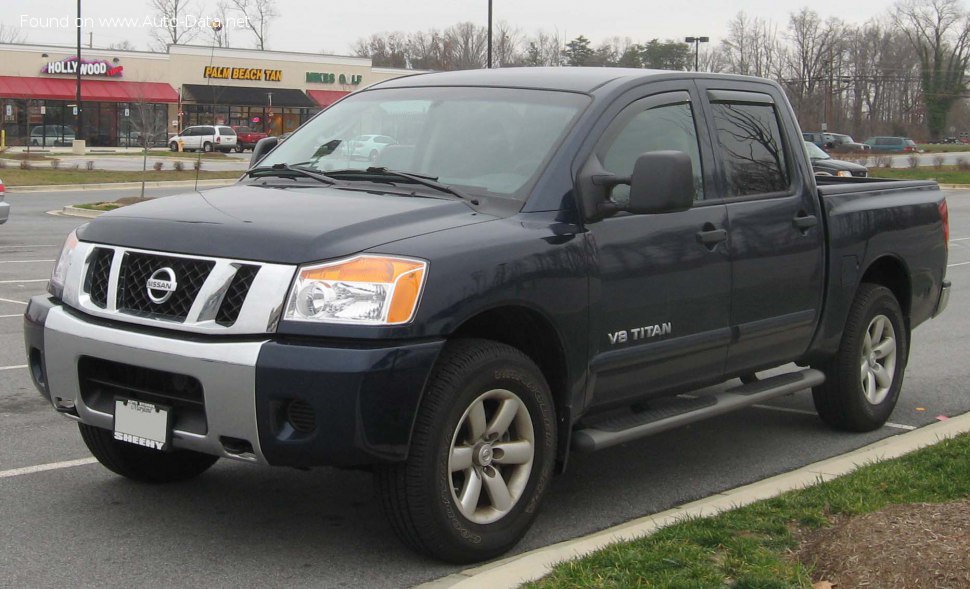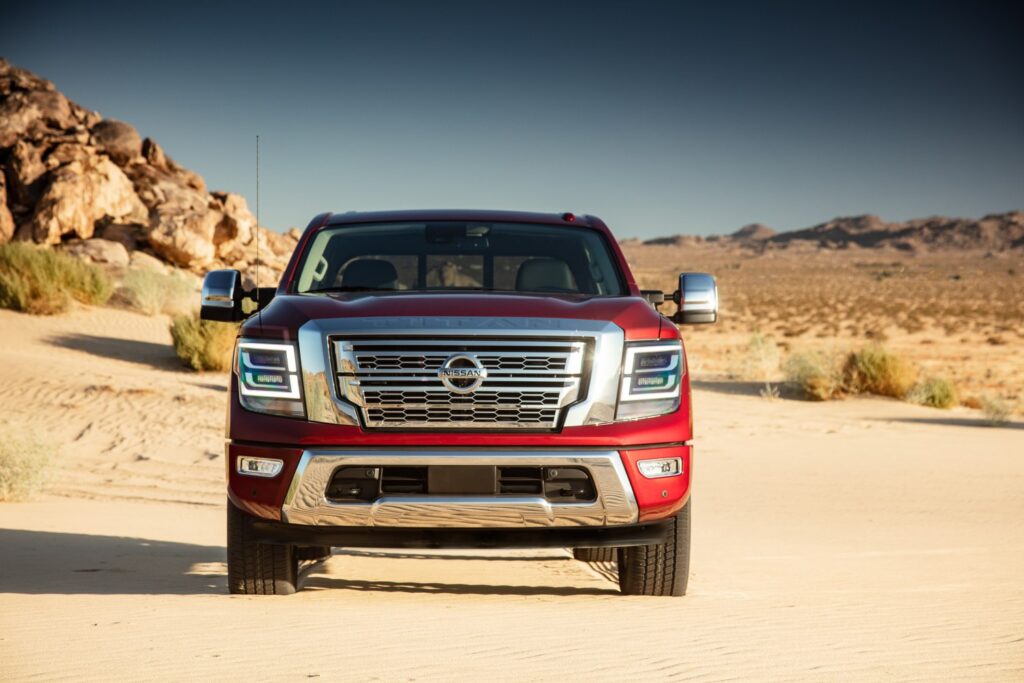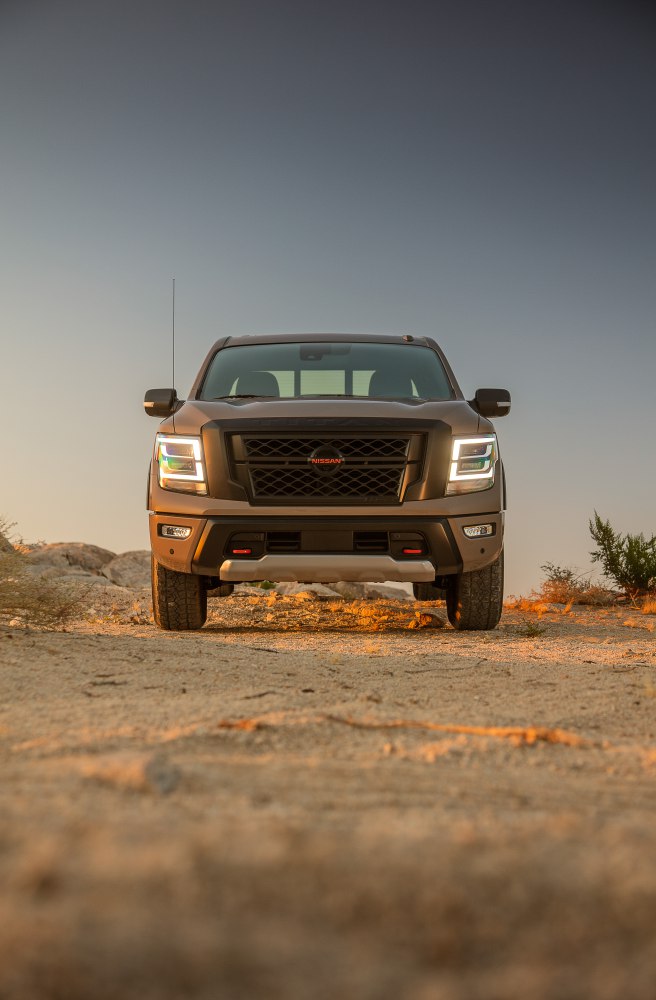
The Nissan Titan II King Cab, particularly the 2020 facelifted model, represents Nissan’s full-size pickup truck offering for the North American market. Introduced as a complete redesign for the 2016 model year, the Titan II aimed to provide a more competitive alternative to established American brands like Ford, Chevrolet, and Ram. The King Cab configuration offers extended passenger space compared to the standard cab, while the 2020 refresh brought updated styling, enhanced technology, and a continued focus on robust capability. This generation Titan is not sold outside of North America, serving as a key component of Nissan’s strategy to gain market share in the lucrative full-size truck segment.
Nissan Titan II King Cab (2020): An Overview
The 2020 Nissan Titan II King Cab is a four-door, six-passenger pickup truck powered by a naturally aspirated 5.6-liter V8 engine. It’s positioned as a workhorse vehicle, designed for both commercial and personal use, emphasizing towing capacity, payload, and overall durability. The facelifted model incorporates styling cues intended to project a more modern and aggressive appearance, alongside interior upgrades focused on comfort and convenience. The Titan II competes directly with the Ford F-150, Chevrolet Silverado, and Ram 1500, offering a distinct alternative with its standard V8 engine and a focus on value.
Engine & Performance
At the heart of the 2020 Nissan Titan II King Cab lies the VK56VD 5.6-liter V8 engine, producing 400 horsepower at 5800 rpm and 560 Nm (413.03 lb.-ft.) of torque at 4000 rpm. This engine utilizes direct fuel injection and Nissan’s VVEL (Variable Valve Event and Lift) and CVTCS (Continuously Variable Valve Timing Control System) technologies to optimize performance and efficiency. Power is delivered through a smooth-shifting 9-speed automatic transmission to a standard four-wheel-drive system. The drivetrain architecture employs a permanent rear-wheel drive setup, with the front wheels engaging as needed via an electronically controlled clutch. This configuration provides enhanced traction in various driving conditions. The weight-to-power ratio stands at 6.4 kg/Hp, translating to 157.4 Hp/tonne, while the weight-to-torque ratio is 4.5 kg/Nm, or 220.3 Nm/tonne. Fuel economy is rated at 13.1 l/100 km (18 US mpg, 21.6 UK mpg, 7.6 km/l) combined, with 15.7 l/100 km (15 US mpg, 18 UK mpg, 6.4 km/l) in urban settings and 11.2 l/100 km (21 US mpg, 25.2 UK mpg, 8.9 km/l) on the highway.
Design & Features
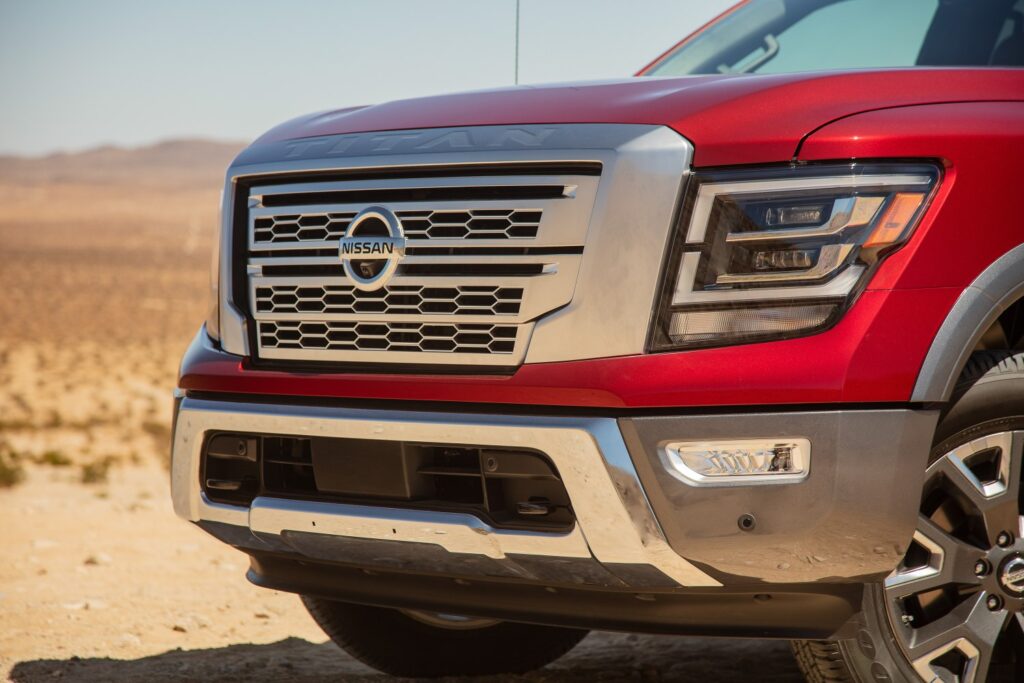
The 2020 Nissan Titan II King Cab features a robust, truck-focused design. Its body-on-frame construction provides a solid foundation for demanding tasks. The King Cab configuration extends the rear doors and cabin space, offering increased legroom for rear passengers. Exterior styling updates for the 2020 model include a revised grille, headlights, and front bumper, contributing to a more aggressive stance. Inside, the Titan II offers a comfortable and functional cabin with available features such as a large touchscreen infotainment system, navigation, and premium audio. Safety features are a priority, with standard inclusion of ABS (Anti-lock Braking System) and a suite of driver-assistance technologies. The truck boasts a substantial fuel tank capacity of 98 liters (25.89 US gallons), and a maximum towing capacity of 4196 kg (9250.6 lbs) when equipped with brakes. The interior is designed with durability in mind, utilizing quality materials and a practical layout.
Technical Specifications
| Brand | Nissan |
| Model | Titan |
| Generation | Titan II King Cab (facelift 2020) |
| Type (Engine) | 5.6 V8 (400 Hp) 4WD Automatic |
| Start of production | 2020 |
| Powertrain Architecture | Internal Combustion engine |
| Body type | Pick-up |
| Seats | 6 |
| Doors | 4 |
| Fuel consumption (urban) | 15.7 l/100 km (15 US mpg, 18 UK mpg, 6.4 km/l) |
| Fuel consumption (extra urban) | 11.2 l/100 km (21 US mpg, 25.2 UK mpg, 8.9 km/l) |
| Fuel consumption (combined) | 13.1 l/100 km (18 US mpg, 21.6 UK mpg, 7.6 km/l) |
| Fuel Type | Petrol (Gasoline) |
| Emission standard | LEV3-ULEV200 |
| Weight-to-power ratio | 6.4 kg/Hp |
| Weight-to-torque ratio | 4.5 kg/Nm |
| Power | 400 Hp @ 5800 rpm |
| Torque | 560 Nm @ 4000 rpm (413.03 lb.-ft. @ 4000 rpm) |
| Maximum engine speed | 6000 rpm |
| Engine layout | Front, Longitudinal |
| Engine Model/Code | VK56VD |
| Engine displacement | 5552 cm3 (338.8 cu. in.) |
| Number of cylinders | 8 |
| Engine configuration | V-engine |
| Cylinder Bore | 98 mm (3.86 in.) |
| Piston Stroke | 92 mm (3.62 in.) |
| Compression ratio | 11.2:1 |
| Number of valves per cylinder | 4 |
| Fuel injection system | Direct injection |
| Engine aspiration | Naturally aspirated engine |
| Valvetrain | VVEL, CVTCS |
| Engine oil capacity | 6.5 l (6.87 US qt | 5.72 UK qt) |
| Coolant capacity | 13.4 l (14.16 US qt | 11.79 UK qt) |
| Kerb Weight | 2542-2566 kg (5604.15 – 5657.06 lbs.) |
| Max. weight | 3311 kg (7299.51 lbs.) |
| Max load | 745-769 kg (1642.44 – 1695.35 lbs.) |
| Fuel tank capacity | 98 l (25.89 US gal | 21.56 UK gal) |
| Permitted trailer load with brakes (12%) | 4196 kg (9250.6 lbs.) |
| Length | 5796 mm (228.19 in.) |
| Width | 2019 mm (79.49 in.) |
| Height | 1923 mm (75.71 in.) |
| Wheelbase | 3551 mm (139.8 in.) |
| Front track | 1725 mm (67.91 in.) |
| Rear track | 1725 mm (67.91 in.) |
| Ride height (ground clearance) | 226 mm (8.9 in.) |
| Minimum turning circle | 14.6 m (47.9 ft.) |
| Approach angle | 17.4-17.6° |
| Departure angle | 21.5-21.6° |
| Ramp-over angle | 19.7-21.5° |
| Drivetrain Architecture | All wheel drive (4×4). ICE drives rear wheels, front wheels engage via clutch. |
| Number of gears | 9 |
| Type of gearbox | Automatic transmission |
| Front suspension | Double wishbone |
| Rear suspension | Leaf spring |
| Front brakes | Ventilated discs, 350 mm |
| Rear brakes | Ventilated discs, 345 mm |
| Tires size | 265/70 R18 |
| Wheel rims size | 8J x 18 |