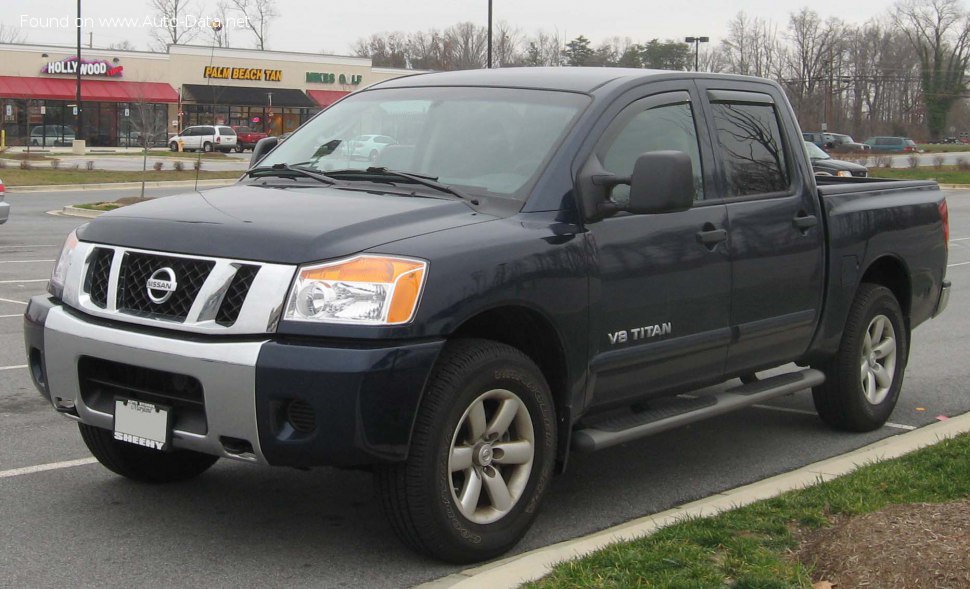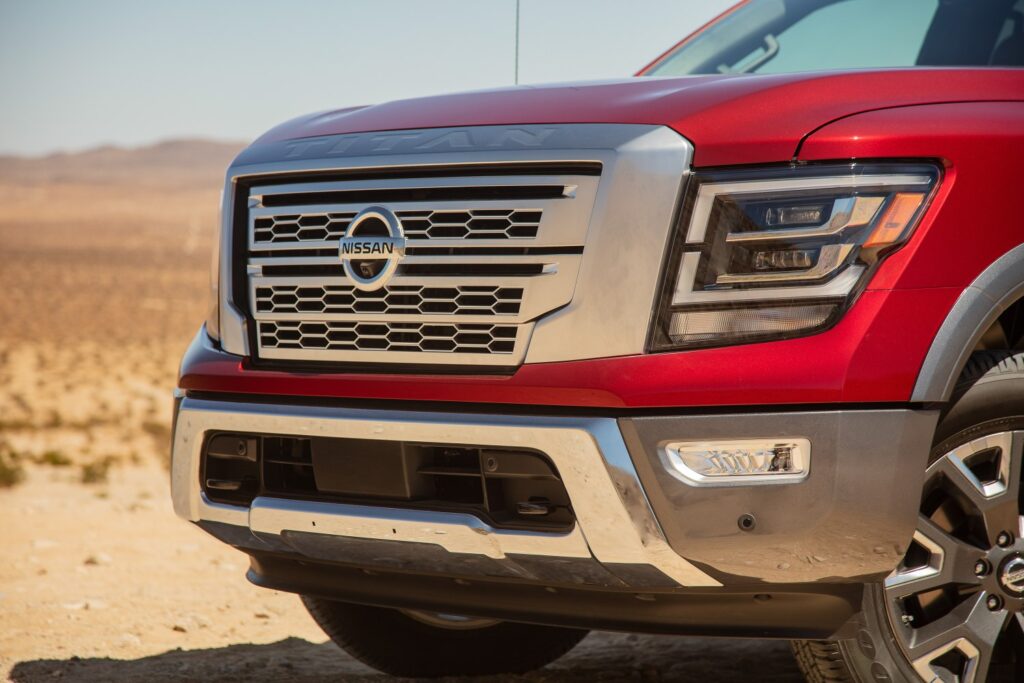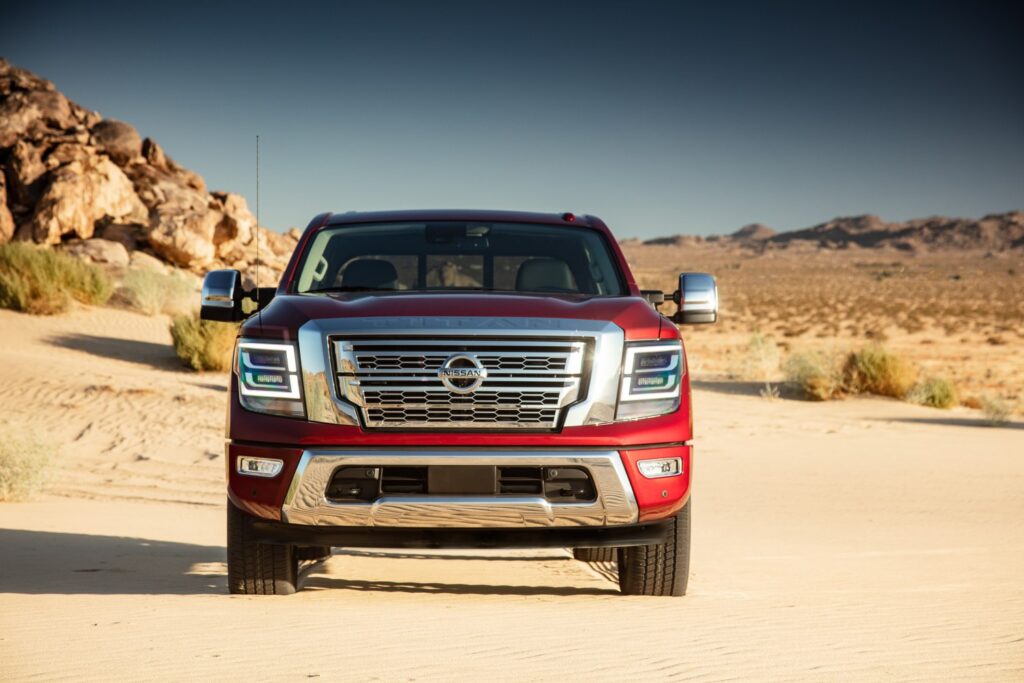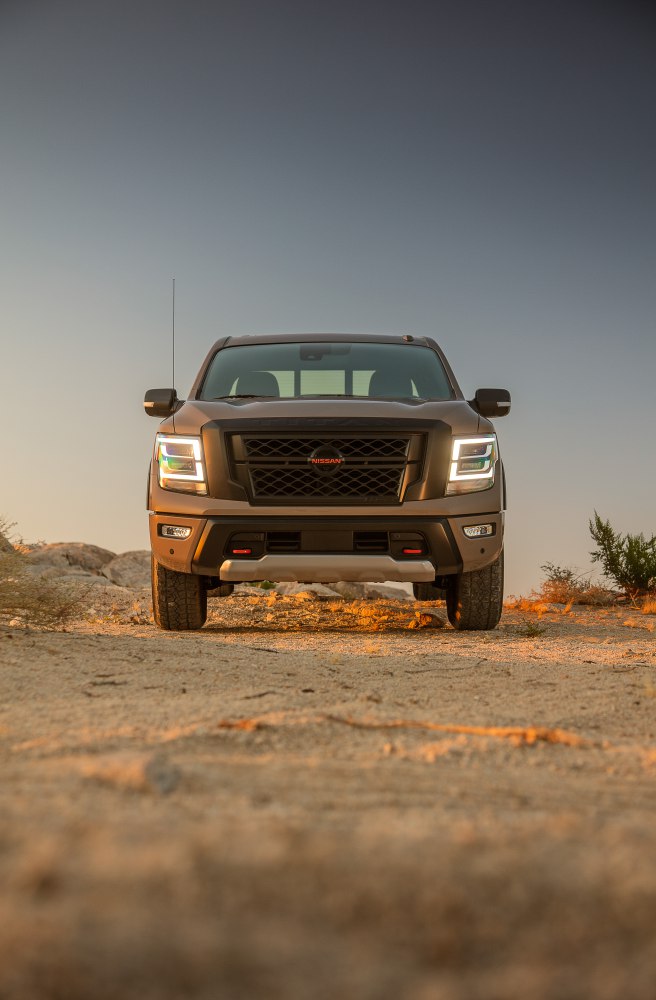
The Nissan Titan II King Cab, particularly the PRO-4X trim introduced with the 2020 facelift, represents Nissan’s commitment to the full-size pickup truck segment in North America. While Nissan isn’t traditionally known for trucks in many global markets, the Titan has been a key offering for the brand in the United States and Canada since its initial release in 2004. The second generation, launched in 2016 and significantly updated in 2020, aimed to provide a more competitive and refined experience against established rivals like the Ford F-150, Chevrolet Silverado, and Ram 1500. The PRO-4X trim specifically targets buyers seeking enhanced off-road capability and a more rugged aesthetic.
Nissan Titan II King Cab PRO-4X: An Overview
The 2020 facelift brought substantial changes to the Titan II, including a new standard 5.6-liter V8 engine, a revised nine-speed automatic transmission, and updated interior and exterior styling. The King Cab configuration offers a compromise between the standard cab and the crew cab, providing extra passenger space behind the front seats while maintaining a relatively manageable overall length. The PRO-4X trim level adds features geared towards off-road enthusiasts, such as a locking rear differential, Bilstein shock absorbers, and skid plates. The Titan, while not achieving the sales volume of its competitors, has carved out a niche for itself with its robust powertrain and focus on value.
Engine & Performance
At the heart of the 2020 Nissan Titan II PRO-4X lies the VK56VD 5.6-liter V8 engine, producing 400 horsepower at 5800 rpm and 560 Newton-meters (413.03 lb-ft) of torque at 4000 rpm. This naturally aspirated engine utilizes direct fuel injection and Nissan’s VVEL (Variable Valve Event and Lift) and CVTCS (Continuously Variable Valve Timing Control System) technologies to optimize performance and efficiency. The engine is paired with a nine-speed automatic transmission, replacing the previous seven-speed unit, offering improved shift quality and a wider gear ratio spread. The powertrain delivers a weight-to-power ratio of 6.6 kg/Hp and a weight-to-torque ratio of 4.7 kg/Nm. Fuel economy is rated at 13.8 liters per 100 kilometers (17 US mpg combined), with figures of 15.7 l/100 km (15 US mpg) in urban driving and 11.2 l/100 km (21 US mpg) on the highway. The Titan meets LEV3-ULEV200 emission standards.
Design & Features
The Nissan Titan II King Cab PRO-4X is a four-door pickup truck with a 5-passenger seating capacity. Its body-on-frame construction provides a robust platform for both on-road comfort and off-road durability. The PRO-4X trim distinguishes itself with unique exterior styling cues, including a prominent grille, dark-finish wheels, and PRO-4X badging. The King Cab configuration offers a rear seat area that is more spacious than a regular cab but less expansive than a crew cab. Key features include a standard locking rear differential for enhanced traction in challenging terrain, Bilstein performance shock absorbers for improved ride control, and skid plates to protect vital underbody components. Inside, the PRO-4X features upgraded interior materials and technology, including a user-friendly infotainment system and available safety features like automatic emergency braking and blind-spot monitoring. The truck’s dimensions are substantial, with a length of 5829 mm (229.49 in), a width of 2050 mm (80.71 in), and a height of 1953 mm (76.89 in). Ground clearance is a generous 251 mm (9.88 in), further enhancing its off-road capability.
Technical Specifications
| Brand | Nissan |
| Model | Titan |
| Generation | Titan II King Cab (facelift 2020) |
| Type | PRO-4X 5.6 V8 (400 Hp) 4WD Automatic |
| Start of production | 2020 |
| Powertrain Architecture | Internal Combustion engine |
| Body type | Pick-up |
| Seats | 5 |
| Doors | 4 |
| Fuel consumption (urban) | 15.7 l/100 km (15 US mpg, 18 UK mpg) |
| Fuel consumption (extra urban) | 11.2 l/100 km (21 US mpg, 25.2 UK mpg) |
| Fuel consumption (combined) | 13.8 l/100 km (17 US mpg, 20.5 UK mpg) |
| Fuel Type | Petrol (Gasoline) |
| Emission standard | LEV3-ULEV200 |
| Weight-to-power ratio | 6.6 kg/Hp |
| Weight-to-torque ratio | 4.7 kg/Nm |
| Power | 400 Hp @ 5800 rpm |
| Power per litre | 72 Hp/l |
| Torque | 560 Nm @ 4000 rpm (413.03 lb.-ft. @ 4000 rpm) |
| Maximum engine speed | 6000 rpm |
| Engine layout | Front, Longitudinal |
| Engine Model/Code | VK56VD |
| Engine displacement | 5552 cm3 (338.8 cu. in.) |
| Number of cylinders | 8 |
| Engine configuration | V-engine |
| Cylinder Bore | 98 mm (3.86 in.) |
| Piston Stroke | 92 mm (3.62 in.) |
| Compression ratio | 11.2:1 |
| Number of valves per cylinder | 4 |
| Fuel injection system | Direct injection |
| Engine aspiration | Naturally aspirated engine |
| Valvetrain | VVEL, CVTCS |
| Engine oil capacity | 6.5 l (6.87 US qt | 5.72 UK qt) |
| Coolant capacity | 13.4 l (14.16 US qt | 11.79 UK qt) |
| Kerb Weight | 2620 kg (5776.11 lbs.) |
| Max. weight | 3311 kg (7299.51 lbs.) |
| Max load | 691 kg (1523.39 lbs.) |
| Fuel tank capacity | 98 l (25.89 US gal | 21.56 UK gal) |
| Permitted trailer load with brakes (12%) | 4196 kg (9250.6 lbs.) |
| Length | 5829 mm (229.49 in.) |
| Width | 2050 mm (80.71 in.) |
| Height | 1953 mm (76.89 in.) |
| Wheelbase | 3551 mm (139.8 in.) |
| Front track | 1727 mm (67.99 in.) |
| Rear track | 1727 mm (67.99 in.) |
| Ride height (ground clearance) | 251 mm (9.88 in.) |
| Minimum turning circle | 14.6 m (47.9 ft.) |
| Approach angle | 22.8° |
| Departure angle | 23° |
| Ramp-over angle | 21.7° |
| Drivetrain Architecture | All wheel drive (4×4). ICE drives rear wheels, front wheels engaged via clutch. |
| Number of gears | 9 |
| Gearbox type | Automatic transmission |
| Front suspension | Double wishbone |
| Rear suspension | Leaf spring |
| Front brakes | Ventilated discs, 350 mm |
| Rear brakes | Ventilated discs, 345 mm |
| Assisting systems | ABS (Anti-lock braking system) |
| Steering type | Steering rack and pinion |
| Tires size | 275/70 R18 |
| Wheel rims size | 8J x 18 |