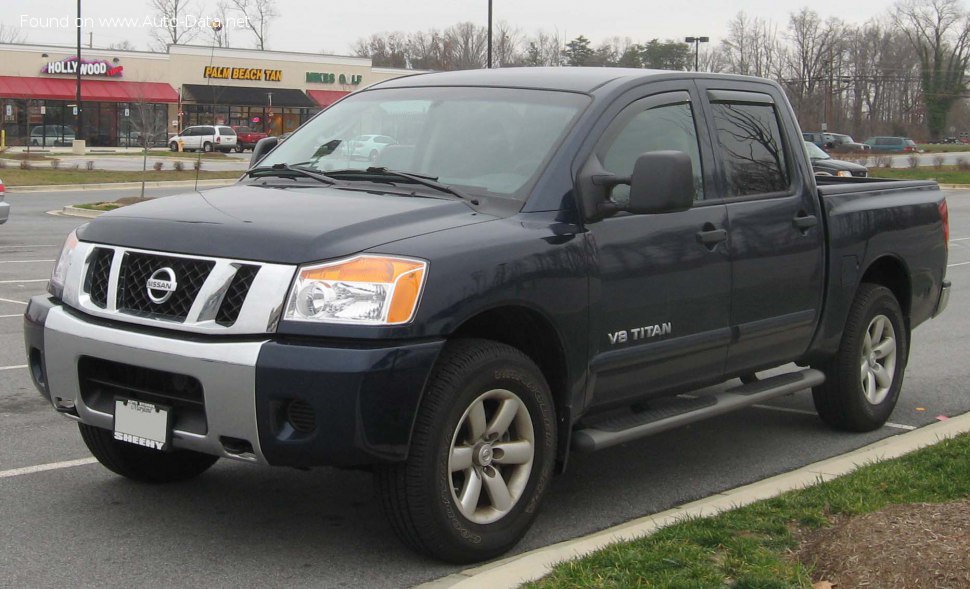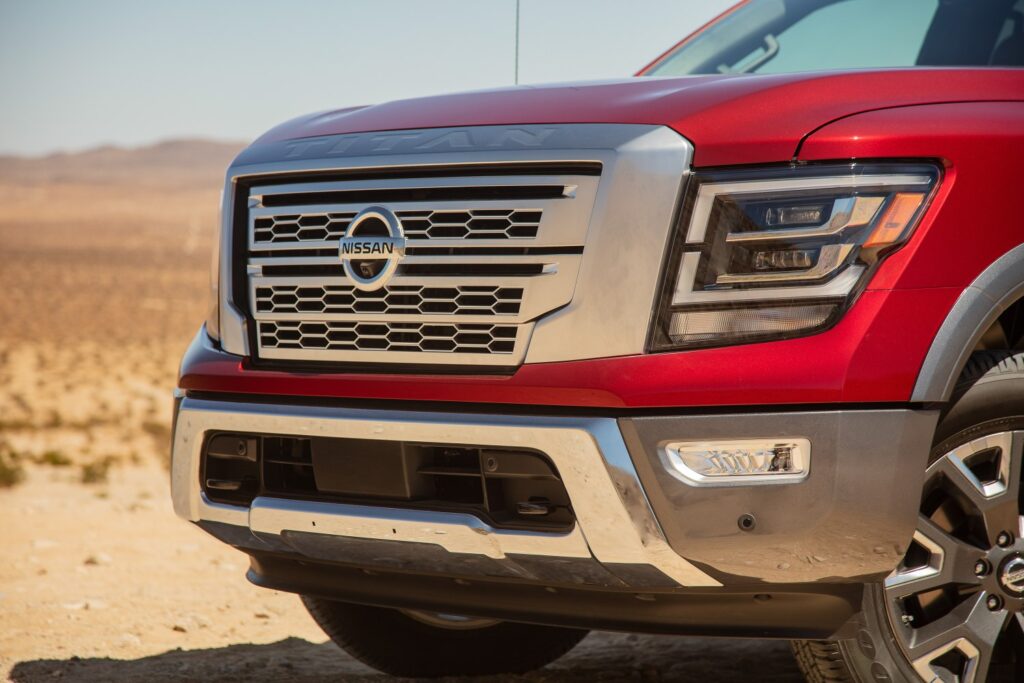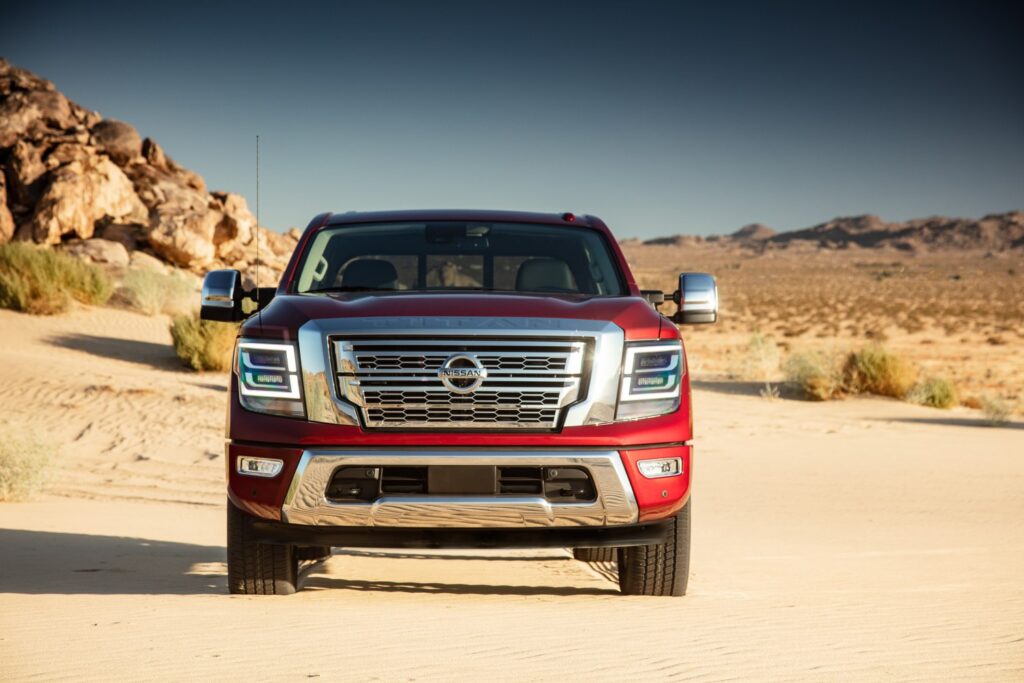
The Nissan Titan II Single Cab, introduced in 2016, represents Nissan’s second-generation full-size pickup truck. Designed primarily for the North American market, the Titan II aimed to provide a robust and capable work truck alongside more comfort-oriented full-size options. The Single Cab configuration specifically targets buyers prioritizing utility and affordability, offering a no-frills, work-focused vehicle. This generation marked a significant step forward for Nissan in the competitive full-size truck segment, emphasizing American manufacturing and a commitment to meeting the demands of the US truck consumer.
Nissan Titan II Single Cab: Overview and Market Position
The Titan II Single Cab occupies the entry-level position within the Titan lineup. Unlike its Crew Cab and King Cab counterparts, the Single Cab prioritizes cargo space and towing capacity over passenger comfort. It caters to commercial users, fleet operators, and individuals who require a durable and practical truck for work-related tasks. While not as popular as the larger cab configurations, the Single Cab provides a cost-effective and highly functional option for those needing a full-size truck without the added expense of extra passenger space. The Titan II, as a whole, was Nissan’s attempt to gain a stronger foothold in a market dominated by American manufacturers like Ford, Chevrolet, and Ram.
Engine & Performance
The Nissan Titan II Single Cab is powered by Nissan’s 5.6-liter VK56VD V8 engine. This naturally aspirated powerplant delivers 390 horsepower at 5800 rpm and 394 Nm (290.6 lb.-ft.) of torque at 4000 rpm. The engine features direct fuel injection and a double overhead camshaft (DOHC) valvetrain, contributing to its respectable power output and relatively smooth operation. Power is transmitted to all four wheels via a seven-speed automatic transmission, providing adequate gear ratios for both on-road driving and off-road capability. The weight-to-power ratio of 6.2 kg/Hp (160.8 Hp/tonne) indicates a capable, though not exceptionally quick, performance profile. Fuel economy is typical for a full-size V8 pickup, with combined figures around 15.7 l/100 km (15 US mpg). The engine’s longitudinal front-mount configuration optimizes weight distribution and contributes to the truck’s overall stability.
Design & Features
The Titan II Single Cab features a traditional pickup truck body style with a two-door configuration and a separate bed. The design emphasizes a rugged and utilitarian aesthetic, reflecting its work-oriented purpose. The interior is functional and durable, prioritizing practicality over luxury. Standard features typically include air conditioning, a basic audio system, and essential safety equipment like anti-lock brakes (ABS). The Single Cab configuration offers ample cargo bed space, making it ideal for hauling materials and equipment. Ground clearance is a substantial 226 mm (8.9 in), enhancing its off-road capability. Approach, departure, and ramp-over angles of 17.5°, 21.6°, and 19.7° respectively, further contribute to its ability to navigate challenging terrain. The truck’s robust construction and durable materials are designed to withstand the rigors of demanding work environments.
Technical Specifications
| Brand | Nissan |
| Model | Titan |
| Generation | Titan II Single Cab |
| Type (Engine) | 5.6 V8 (390 Hp) 4WD Automatic |
| Start of production | 2016 |
| Powertrain Architecture | Internal Combustion engine |
| Body type | Pick-up |
| Seats | 4 |
| Doors | 2 |
| Fuel consumption (urban) | 18.8 l/100 km (12.5 US mpg, 15 UK mpg, 5.3 km/l) |
| Fuel consumption (extra urban) | 13.5 l/100 km (17.4 US mpg, 20.9 UK mpg, 7.4 km/l) |
| Fuel consumption (combined) | 15.7 l/100 km (15 US mpg, 18 UK mpg, 6.4 km/l) |
| Fuel Type | Petrol (Gasoline) |
| Weight-to-power ratio | 6.2 kg/Hp, 160.8 Hp/tonne |
| Weight-to-torque ratio | 6.2 kg/Nm, 162.4 Nm/tonne |
| Power | 390 Hp @ 5800 rpm |
| Power per litre | 70.2 Hp/l |
| Torque | 394 Nm @ 4000 rpm (290.6 lb.-ft. @ 4000 rpm) |
| Maximum engine speed | 6000 rpm |
| Engine layout | Front, Longitudinal |
| Engine Model/Code | VK56VD |
| Engine displacement | 5552 cm3 (338.8 cu. in.) |
| Number of cylinders | 8 |
| Engine configuration | V-engine |
| Cylinder Bore | 98 mm (3.86 in.) |
| Piston Stroke | 92 mm (3.62 in.) |
| Compression ratio | 11.2:1 |
| Number of valves per cylinder | 4 |
| Fuel injection system | Direct injection |
| Engine aspiration | Naturally aspirated engine |
| Valvetrain | DOHC |
| Engine oil capacity | 6.5 l (6.87 US qt | 5.72 UK qt) |
| Coolant capacity | 15.23 l (16.09 US qt | 13.4 UK qt) |
| Kerb Weight | 2426-2428 kg (5348.41 – 5352.82 lbs.) |
| Max. weight | 3311 kg (7299.51 lbs.) |
| Max load | 883-885 kg (1946.68 – 1951.09 lbs.) |
| Fuel tank capacity | 98 l (25.89 US gal | 21.56 UK gal) |
| Length | 5794 mm (228.11 in.) |
| Width | 2019 mm (79.49 in.) |
| Height | 1908-1910 mm (75.12 – 75.2 in.) |
| Wheelbase | 3551 mm (139.8 in.) |
| Front track | 1725 mm (67.91 in.) |
| Rear track | 1725 mm (67.91 in.) |
| Ride height (ground clearance) | 226 mm (8.9 in.) |
| Approach angle | 17.5° |
| Departure angle | 21.6° |
| Ramp-over angle | 19.7° |
| Drive wheel | All wheel drive (4×4) |
| Number of gears | 7 |
| Gearbox type | Automatic transmission |
| Front suspension | Double wishbone |
| Rear suspension | Leaf spring |
| Front brakes | Ventilated discs |
| Rear brakes | Ventilated discs |
| Assisting systems | ABS (Anti-lock braking system) |
| Steering type | Steering rack and pinion |
| Power steering | Electric Steering |
| Tires size | 265/70 R18 |
| Wheel rims size | 8.0J x 18 |