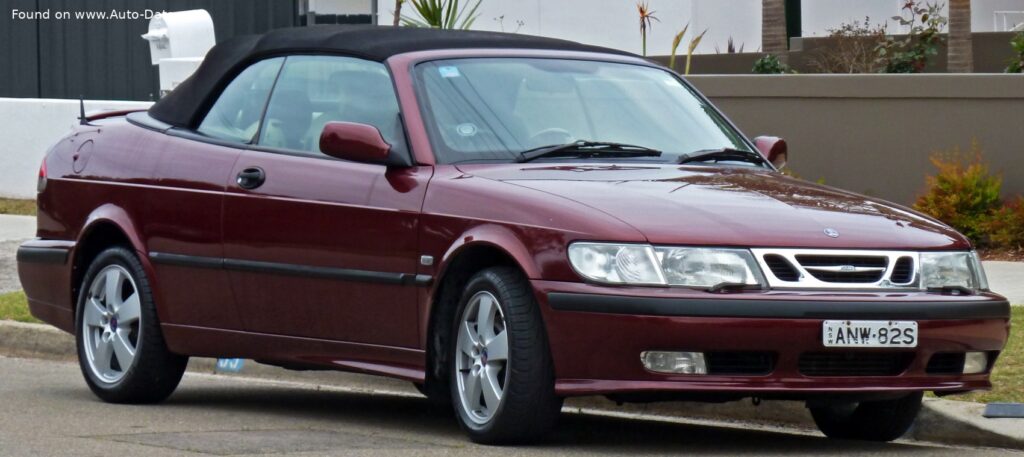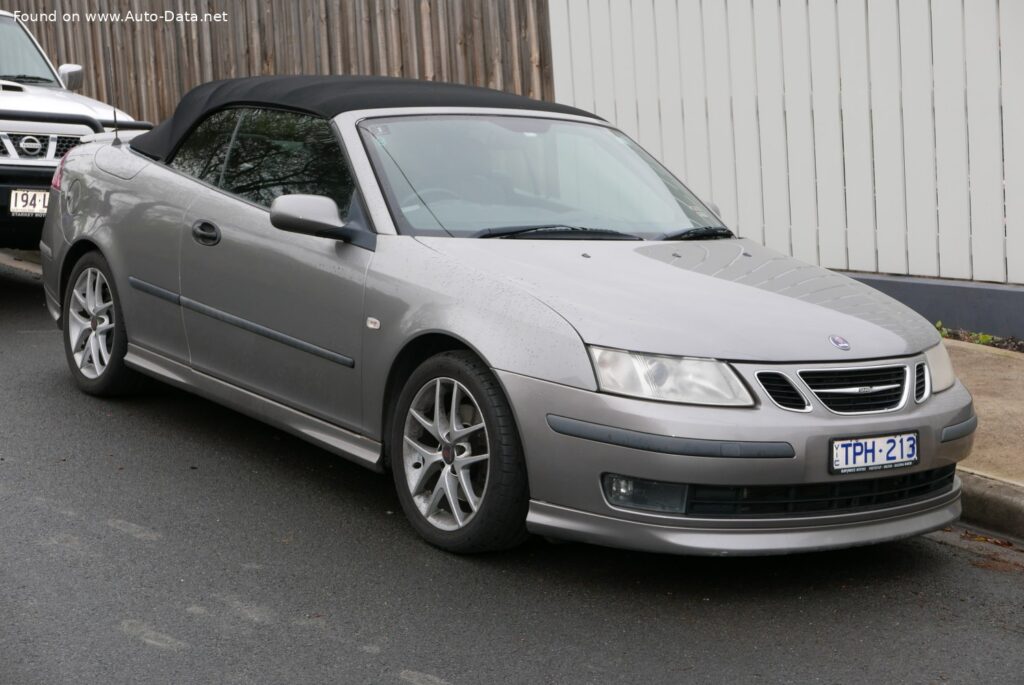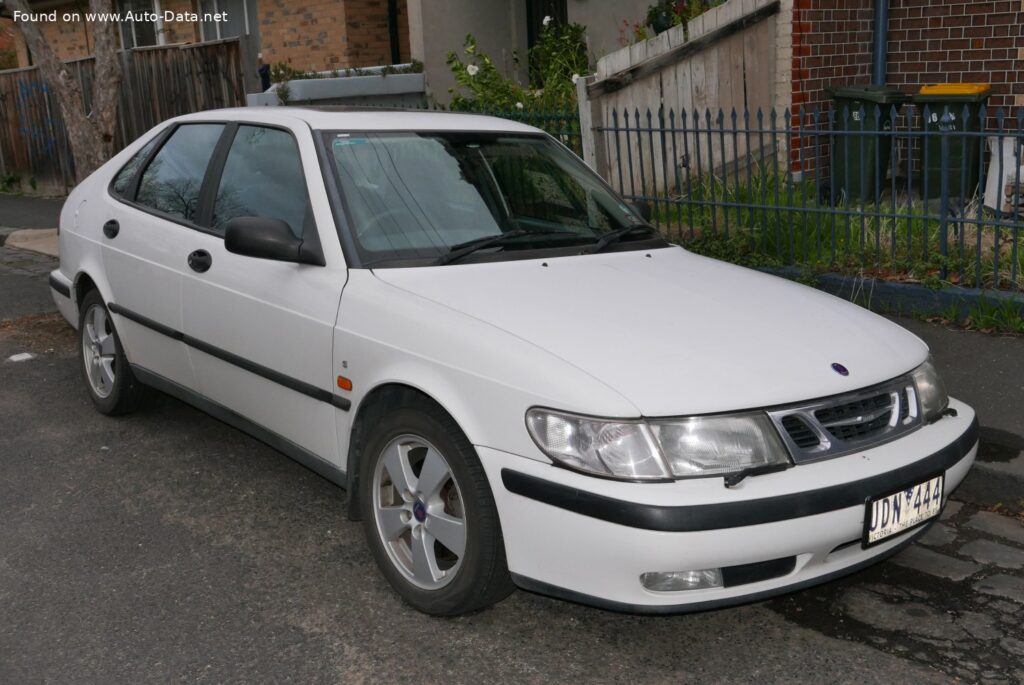
The Saab 9-3, specifically the first generation (1998-2002) designated as the 9-3 I, represented a significant step forward for the Swedish automaker. Positioned as a compact executive car, it aimed to blend Scandinavian practicality with a sporty driving experience. Available in both hatchback (often referred to as a SportSedan by Saab) and sedan body styles, the 9-3 I was a direct replacement for the aging Saab 900. This generation established many of the design cues and technological features that would define Saab vehicles for years to come, even as the brand navigated changing ownership and ultimately ceased production in 2011. The 2.0 i TS model, with its turbocharged engine producing 200 horsepower, was a popular choice, offering a compelling balance of performance and fuel efficiency.
Saab 9-3 I 2.0 i TS: A Detailed Overview
The 9-3 I was Saab’s attempt to capture a larger share of the European and, to a lesser extent, North American compact executive market. While Saab never achieved the sales volumes of its German rivals, the 9-3 I garnered a loyal following due to its unique character, safety features, and distinctive styling. The “TS” designation indicated a trim level focused on sporty performance, differentiating it from more comfort-oriented variants. The first generation 9-3 was a crucial model for Saab, bridging the gap between its classic 900 heritage and the more modern designs that followed.
Engine & Performance
The heart of the 9-3 I 2.0 i TS is its 1.985-liter, inline-four cylinder engine, internally designated as the B204R. This engine is notable for its use of a Mitsubishi TD04HL-13C turbocharger, which significantly boosts power output. Producing 200 horsepower at 5500 rpm and 283 Nm (208.73 lb-ft) of torque at 2300 rpm, the 2.0 i TS offered brisk acceleration. The engine’s power-to-weight ratio of 6.9 kg/Hp (146 Hp/tonne) contributed to a 0-60 mph time of approximately 6.9 seconds and a top speed of 235 km/h (146.02 mph). Fuel injection is handled by a multi-port system, ensuring precise fuel delivery. The engine’s 9.2:1 compression ratio and DOHC valvetrain further enhance its performance characteristics. Fuel economy figures were rated at 14 l/100 km (16.8 US mpg) in urban driving and 7.3 l/100 km (32.2 US mpg) on the open road.
Design & Features
The Saab 9-3 I was available as a 3-door or 5-door hatchback, offering versatility and practicality. The design, while evolutionary from the 900, featured Saab’s signature wraparound windshield and a distinctive front grille. The interior prioritized ergonomics and driver comfort, a hallmark of Saab design. Safety was a key consideration, with standard features including ABS (Anti-lock Braking System) and a robust safety cage. The hatchback configuration provided a generous amount of cargo space, ranging from 494 liters (17.45 cu. ft.) with the rear seats up to 1314 liters (46.4 cu. ft.) with them folded down. The 9-3 I also featured hydraulic power steering and a five-speed manual transmission as standard, contributing to a more engaging driving experience. The vehicle’s dimensions included a length of 4629 mm (182.24 in.), a width of 1711 mm (67.36 in.), and a height of 1428 mm (56.22 in.).
Technical Specifications
| Brand | Saab |
| Model | 9-3 |
| Generation | 9-3 I |
| Type (Engine) | 2.0 i TS (200 Hp) |
| Start of production | 1998 |
| End of production | 2002 |
| Powertrain Architecture | Internal Combustion engine |
| Body type | Hatchback |
| Seats | 5 |
| Doors | 3-5 |
| Fuel consumption (urban) | 14 l/100 km (16.8 US mpg) |
| Fuel consumption (extra urban) | 7.3 l/100 km (32.2 US mpg) |
| Fuel Type | Petrol (Gasoline) |
| Acceleration 0 – 100 km/h | 7.3 sec |
| Acceleration 0 – 62 mph | 7.3 sec |
| Acceleration 0 – 60 mph | 6.9 sec |
| Maximum speed | 235 km/h (146.02 mph) |
| Weight-to-power ratio | 6.9 kg/Hp |
| Weight-to-torque ratio | 4.8 kg/Nm |
| Power | 200 Hp @ 5500 rpm |
| Torque | 283 Nm @ 2300 rpm (208.73 lb.-ft. @ 2300 rpm) |
| Engine layout | Front, Transverse |
| Engine Model/Code | B204R |
| Engine displacement | 1985 cm3 (121.13 cu. in.) |
| Number of cylinders | 4 |
| Engine configuration | Inline |
| Cylinder Bore | 90 mm (3.54 in.) |
| Piston Stroke | 78 mm (3.07 in.) |
| Compression ratio | 9.2:1 |
| Number of valves per cylinder | 4 |
| Fuel injection system | Multi-port manifold injection |
| Engine aspiration | Turbocharger |
| Valvetrain | DOHC |
| Engine oil capacity | 4 l (4.23 US qt | 3.52 UK qt) |
| Coolant | 8.5 l (8.98 US qt | 7.48 UK qt) |
| Kerb Weight | 1370 kg (3020.33 lbs.) |
| Max. weight | 1770 kg (3902.18 lbs.) |
| Max load | 400 kg (881.85 lbs.) |
| Trunk (boot) space – minimum | 494 l (17.45 cu. ft.) |
| Trunk (boot) space – maximum | 1314 l (46.4 cu. ft.) |
| Fuel tank capacity | 68 l (17.96 US gal | 14.96 UK gal) |
| Length | 4629 mm (182.24 in.) |
| Width | 1711 mm (67.36 in.) |
| Height | 1428 mm (56.22 in.) |
| Wheelbase | 2605 mm (102.56 in.) |
| Front track | 1452 mm (57.17 in.) |
| Rear (Back) track | 1442 mm (56.77 in.) |
| Drivetrain Architecture | Front wheel drive |
| Number of gears and type of gearbox | 5 gears, manual transmission |
| Front suspension | Spring Strut |
| Rear suspension | Coil spring |
| Front brakes | Ventilated discs |
| Rear brakes | Disc |
| Assisting systems | ABS (Anti-lock braking system) |
| Steering type | Steering rack and pinion |
| Power steering | Hydraulic Steering |
| Tires size | 205/50 R16 |
| Wheel rims size | 16 |
The Saab 9-3 I 2.0 i TS, while not a mainstream success, remains a fondly remembered vehicle for its unique blend of Scandinavian design, turbocharged performance, and commitment to safety. It represents a pivotal moment in Saab’s history, showcasing the brand’s engineering prowess and distinctive character.