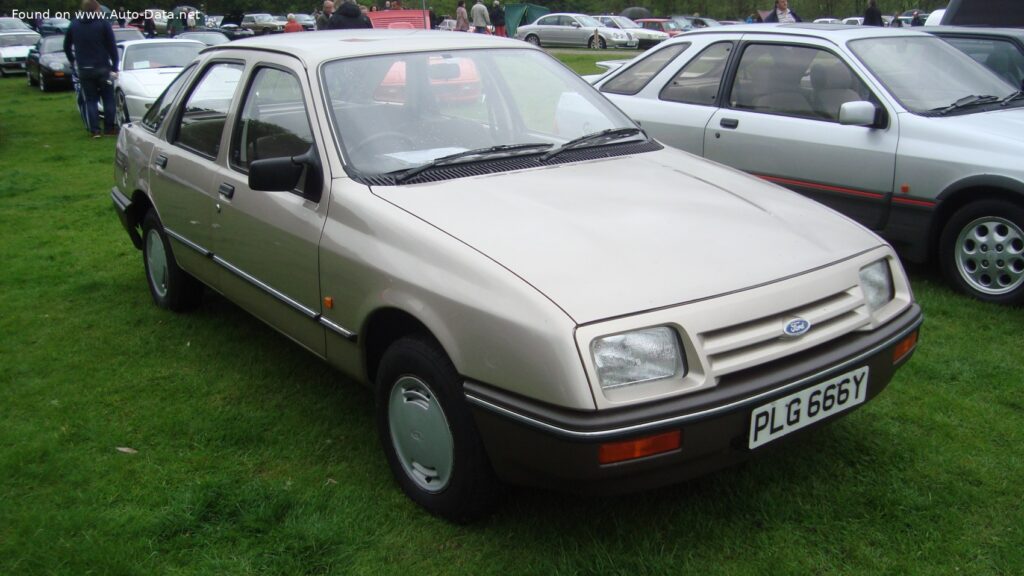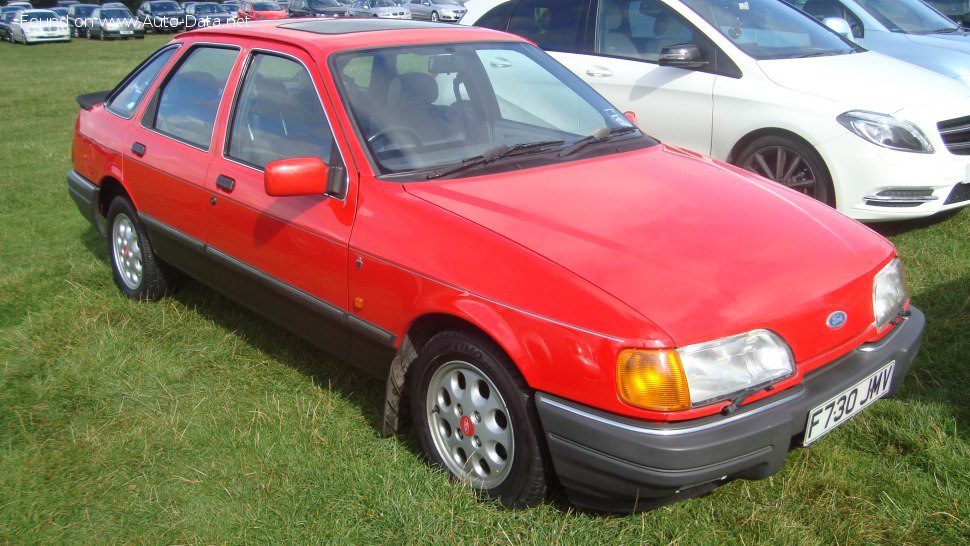
The Ford Sierra II 2.8i XR 4×4, produced from 1987 to 1988, represents a high-performance variant of the Sierra range, a vehicle pivotal in Ford of Europe’s mid-size family car lineup. The Sierra, launched in 1982, was a significant departure from its predecessor, the Cortina, offering a more modern, aerodynamic design and a focus on driving dynamics. The XR 4×4, specifically, was aimed at enthusiasts seeking a capable and sporty hatchback with all-wheel drive, a relatively uncommon feature in this segment during the late 1980s. While not officially sold in the United States, the Sierra was a popular and influential model throughout Europe, competing with vehicles like the Opel/Vauxhall Vectra, Peugeot 405, and Volvo 740.
The Ford Sierra II 2.8i XR 4×4: A Detailed Overview
The Sierra II, introduced in 1986, brought a series of refinements to the original Sierra, including revised styling, improved aerodynamics, and updated interior features. The 2.8i XR 4×4 sat at the top of the performance hierarchy, combining a potent fuel-injected V6 engine with a sophisticated all-wheel-drive system. This combination provided a unique blend of performance and all-weather capability, making it a desirable vehicle for those living in regions with challenging road conditions. The XR designation signified a higher trim level, typically including sporty styling cues and enhanced equipment.
Engine & Performance
The heart of the Sierra II 2.8i XR 4×4 is its 2.8-liter naturally aspirated V6 engine. This engine produced 150 horsepower, a respectable figure for the era, and delivered strong torque throughout the rev range. The engine utilized Bosch fuel injection, contributing to improved efficiency and responsiveness compared to earlier carbureted versions. The all-wheel-drive system was a key differentiator for the XR 4×4. It employed a viscous coupling to distribute power between the front and rear axles, providing enhanced traction on slippery surfaces. While not a fully automatic system like some modern all-wheel-drive setups, it offered a significant advantage in terms of stability and grip. The vehicle was equipped with a five-speed manual transmission, allowing drivers to fully exploit the engine’s power and torque. Performance figures, while not extensively documented, suggest a 0-60 mph time in the region of 8.5 to 9.5 seconds, and a top speed of around 130 mph. The engine’s responsiveness and the all-wheel-drive system combined to create a surprisingly capable and engaging driving experience.
Design & Features
The Sierra II’s design was characterized by its sleek, aerodynamic profile, a significant departure from the boxier styling of the Cortina. The hatchback body style offered practicality and versatility, with a spacious interior and a large cargo area. The XR 4×4 featured distinctive styling cues, including a rear spoiler, sporty alloy wheels, and revised front and rear bumpers. Inside, the XR 4×4 boasted upgraded seats, a more comprehensive instrument panel, and other comfort and convenience features. Safety features, while limited by the standards of today, included seatbelts and a reinforced safety cell. The focus was more on providing a sporty and enjoyable driving experience than on incorporating advanced safety technologies. The interior layout was functional and driver-focused, with clear instrumentation and well-placed controls. The Sierra’s design was considered modern and appealing for its time, and it helped to establish Ford as a leader in the European family car market.
Market Position and Legacy
The Ford Sierra II 2.8i XR 4×4 occupied a niche position in the European market. It appealed to drivers who wanted a practical family car with a sporty edge and the added security of all-wheel drive. It wasn’t a mass-market vehicle, but it gained a loyal following among enthusiasts. The Sierra, as a whole, was a commercially successful model for Ford, selling over 1.2 million units during its production run. It played a crucial role in modernizing Ford’s image and establishing its reputation for building well-engineered and dynamically capable cars. The Sierra was eventually replaced by the Ford Mondeo in 1993, but its legacy continues to this day. The XR 4×4, in particular, is remembered as a unique and desirable variant, representing the pinnacle of Sierra performance and capability.
Technical Specifications
| Brand | Ford |
| Model | Sierra |
| Generation | Sierra Hatchback II |
| Type (Engine) | 2.8i XR 4×4 (150 Hp) |
| Start of production | 1987 |
| End of production | 1988 |
| Powertrain Architecture | Internal Combustion engine |
| Body type | Hatchback |
| Seats | 5 |
| Doors | 5 |
| Fuel Type | Petrol (Gasoline) |
| Power | 150 Hp |
| Engine aspiration | Naturally aspirated engine |
| Fuel tank capacity | 60 l / 15.85 US gal / 13.2 UK gal |
| Length | 4425 mm / 174.21 in. |
| Width | 1694 mm / 66.69 in. |
| Height | 1407 mm / 55.39 in. |
| Wheelbase | 2608 mm / 102.68 in. |
| Front track | 1452 mm / 57.17 in. |
| Rear (Back) track | 1468 mm / 57.8 in. |
| Minimum turning circle (turning diameter) | 10 m / 32.81 ft. |
| Drive wheel | All wheel drive (4×4) |
| Number of gears and type of gearbox | 5 gears, manual transmission |
| Front brakes | Ventilated discs |
| Rear brakes | Disc |