The Vauxhall Mokka II 54 kWh Electric represents the second generation of Vauxhall’s popular subcompact SUV, launched in January 2024. As part of the Stellantis group, the Mokka II marks a significant departure from its predecessor, embracing a fully electric powertrain alongside traditional internal combustion engine options. While Vauxhall is a British brand, the Mokka II is primarily marketed in Europe, where the subcompact SUV segment is particularly strong. This model is a key component of Vauxhall’s commitment to electrification, aiming to offer a compelling and affordable electric vehicle option to a broader audience. The 54 kWh variant, producing 156 horsepower, is positioned as a balance between range and performance within the Mokka II lineup.
Vauxhall Mokka II 54 kWh Electric: Overview and Design
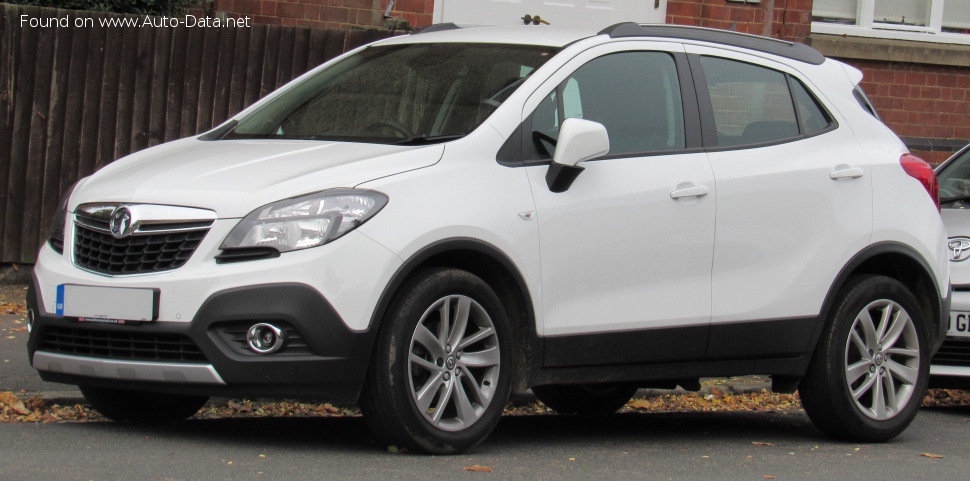
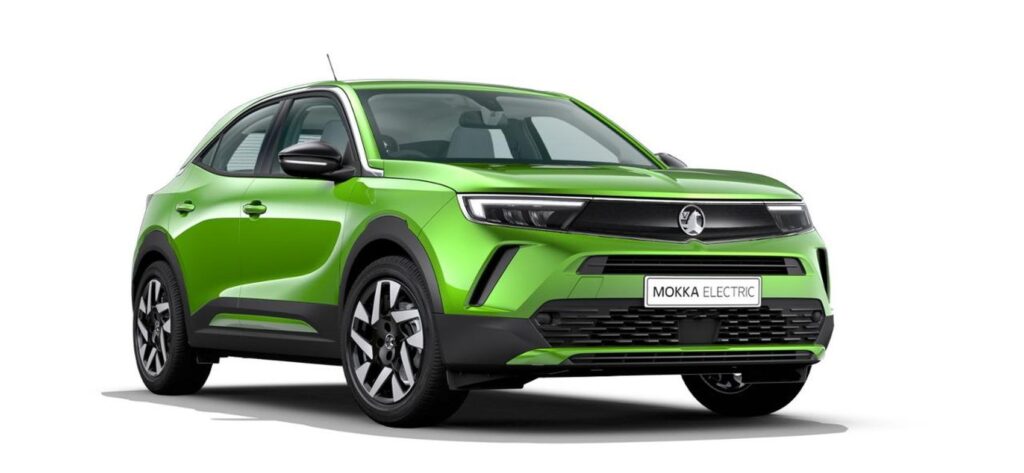
The Mokka II represents a substantial redesign compared to the first-generation Mokka. The exterior styling is characterized by a bold, minimalist aesthetic, featuring Vauxhall’s “Vizor” front fascia – a single panel integrating the grille and headlights. This design element gives the Mokka II a distinctive and modern appearance. The vehicle’s overall shape is more streamlined and contemporary than its predecessor, contributing to improved aerodynamics and efficiency. Inside, the Mokka II boasts a completely redesigned interior with a focus on digitalization and a clean, uncluttered layout. A prominent feature is the “Pure Panel,” a single curved display integrating the instrument cluster and infotainment system. The interior materials and build quality represent an improvement over the previous generation, aiming for a more premium feel.
Engine & Performance
The Mokka II 54 kWh Electric is powered by a single electric motor located on the front axle. This motor delivers 156 horsepower (Hp) and 260 Nm (191.77 lb.-ft.) of torque. The powertrain utilizes a 54 kWh lithium-ion battery pack, positioned under the floor to optimize space and lower the vehicle’s center of gravity. This configuration contributes to improved handling and stability. Acceleration from 0 to 100 km/h (0-62 mph) takes approximately 9 seconds, while the 0-60 mph sprint is achieved in 8.6 seconds. The top speed is electronically limited to 150 km/h (93.21 mph). The battery provides a WLTP-certified all-electric range of 405.6 km (252.03 miles), making it suitable for daily commutes and longer journeys. Energy consumption is rated at 15.3-15.5 kWh per 100 km (24.62 – 24.94 kWh per 100 miles), translating to approximately 6.5 – 6.5 km/kWh (4.1 – 4 mi/kWh) or 137-135 MPGe.
Design & Features
The Mokka II is a five-door, five-seat SUV. Its compact dimensions make it well-suited for urban environments, while its raised ride height provides good visibility. The interior offers a reasonable amount of space for passengers and luggage. Trunk space ranges from 310 liters (10.95 cu. ft.) with the rear seats up to 1060 liters (37.43 cu. ft.) with the rear seats folded down. Standard safety features include ABS (Anti-lock Braking System) and a suite of driver-assistance systems, depending on the trim level. These systems may include lane departure warning, automatic emergency braking, and adaptive cruise control. The infotainment system offers smartphone integration via Apple CarPlay and Android Auto. The Mokka II is available with various wheel sizes, ranging from 17 to 18 inches. The vehicle’s overall design prioritizes a modern and stylish aesthetic, appealing to buyers seeking a compact and efficient SUV.
Technical Specifications
| Brand | Vauxhall |
| Model | Mokka |
| Generation | Mokka II |
| Type (Engine) | 54 kWh (156 Hp) Electric |
| Start of production | January, 2024 |
| End of production | 2024 |
| Powertrain Architecture | BEV (Electric Vehicle) |
| Body type | SUV |
| Seats | 5 |
| Doors | 5 |
| Fuel Type | Electricity |
| Acceleration 0 – 100 km/h | 9 sec |
| Acceleration 0 – 62 mph | 9 sec |
| Acceleration 0 – 60 mph | 8.6 sec |
| Maximum speed | 150 km/h (93.21 mph) |
| Gross battery capacity | 54 kWh |
| Battery technology | Lithium-ion (Li-Ion) |
| Battery location | Below the floor, under the rear seats / Below the floor, under the front seats |
| All-electric range (WLTP) | 405.6 km (252.03 mi) |
| Average Energy consumption (WLTP) | 15.3-15.5 kWh/100 km (24.62 – 24.94 kWh/100 mi) |
| Electric motor power | 156 Hp |
| Electric motor Torque | 260 Nm (191.77 lb.-ft.) |
| Electric motor location | Front axle, Transverse |
| Electric motor type | Synchronous |
| System power | 156 Hp |
| System torque | 260 Nm (191.77 lb.-ft.) |
| Trunk (boot) space – minimum | 310 l (10.95 cu. ft.) |
| Trunk (boot) space – maximum | 1060 l (37.43 cu. ft.) |
| Length | 4151 mm (163.43 in.) |
| Width | 1791 mm (70.51 in.) |
| Height | 1531 mm (60.28 in.) |
| Wheelbase | 2561 mm (100.83 in.) |
| Drivetrain Architecture | One electric motor drives the front wheels. |
| Drive wheel | Front wheel drive |
| Number of gears and type of gearbox | 1 gears, automatic transmission |
| Front brakes | Ventilated discs, 302 mm |
| Rear brakes | Disc, 268 mm |
| Steering type | Steering rack and pinion |
| Power steering | Electric Steering |
| Tires size | 215/60 R17; 215/55 R18; 195/60 R18 |
| Wheel rims size | 17; 18 |