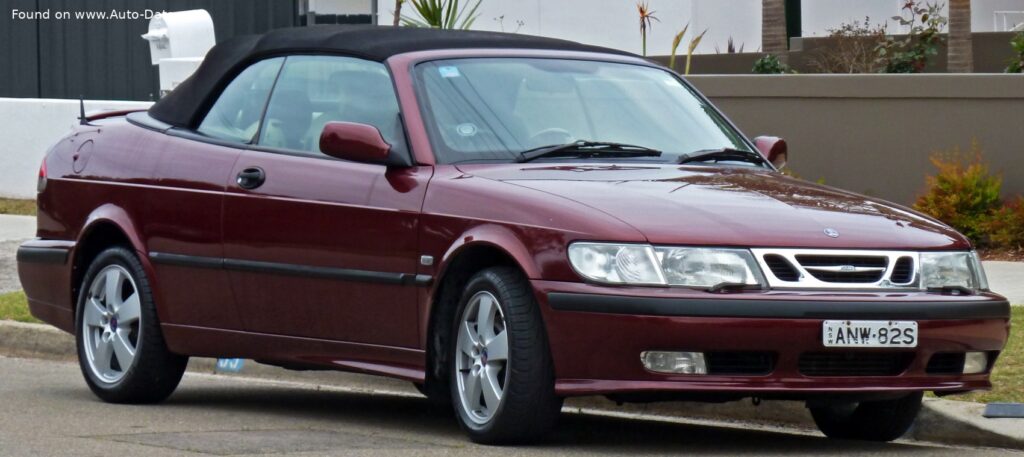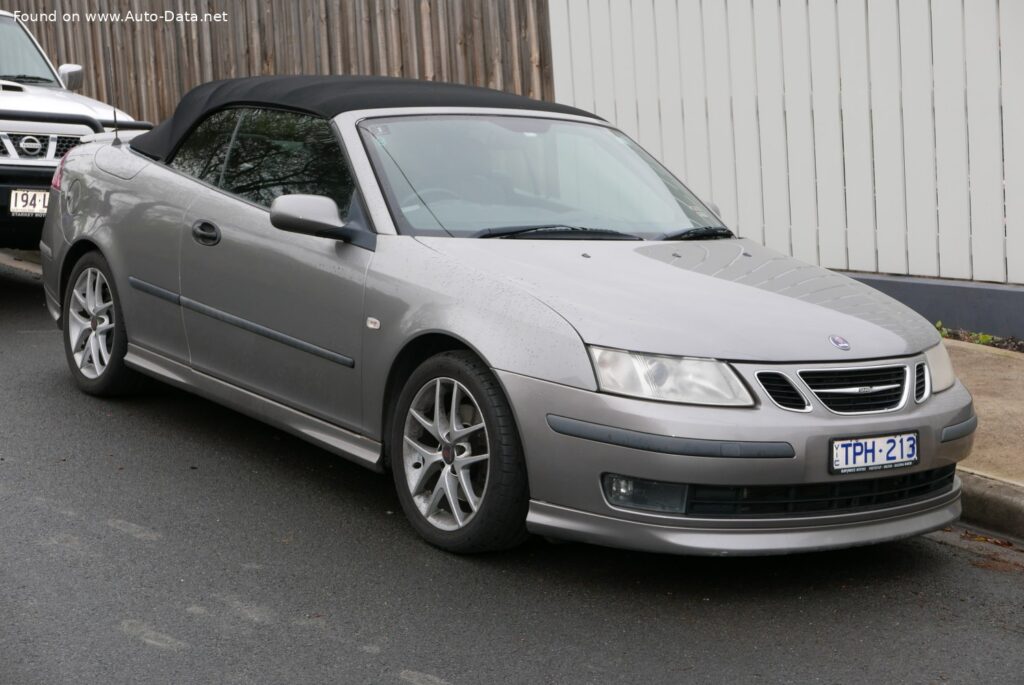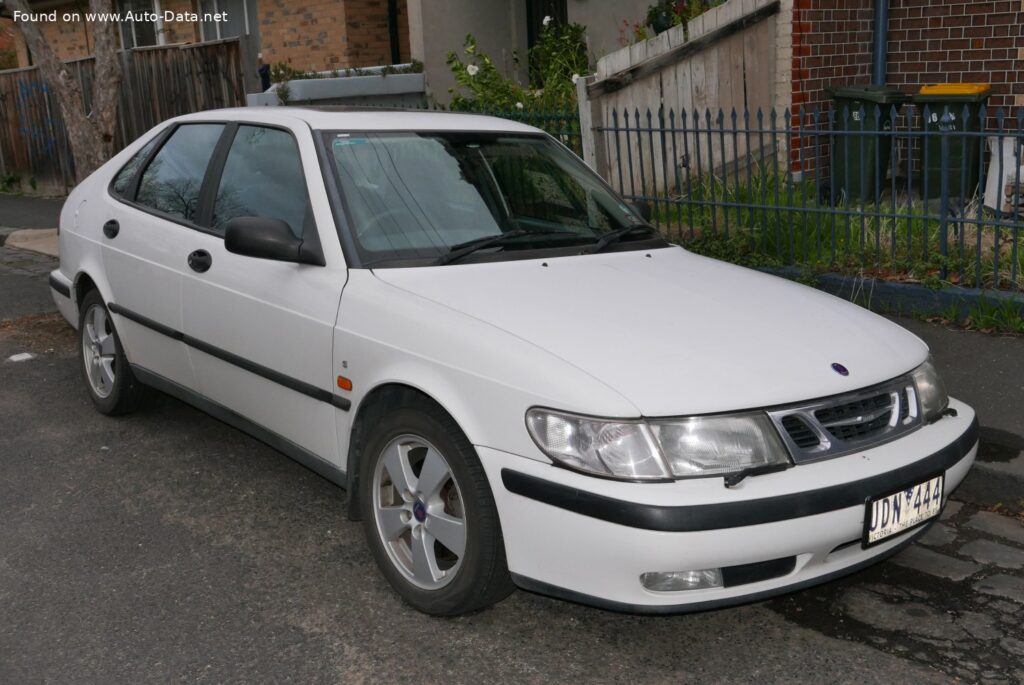
The Saab 9-3, particularly the first generation (1998-2002) represented a significant step forward for the Swedish automaker. Positioned as a compact executive car, the 9-3 aimed to blend Scandinavian practicality with a sporty driving experience. This generation, known internally as the 9-3 I, was available in both hatchback (often referred to as a “SportSedan” by Saab) and sedan body styles, offering buyers a choice to suit their needs. The 2.0i variant, equipped with a 130 horsepower engine and automatic transmission, was a popular choice, offering a balance of performance and fuel efficiency for the European market. While Saab never achieved mainstream success in the United States, the 9-3 garnered a loyal following among enthusiasts who appreciated its unique design and engineering.
Saab 9-3 I: A Detailed Overview
The 9-3 I was a crucial model for Saab, replacing the aging 900. It built upon the foundations laid by its predecessor, retaining the brand’s commitment to safety and innovative design while introducing a more modern and refined platform. The first generation 9-3 was designed to appeal to a broader audience than the 900, offering a more comfortable ride and a more conventional interior layout. However, it still retained the quirky Saab character that set it apart from its competitors.
Engine & Performance
The 2.0i version of the Saab 9-3 I is powered by a naturally aspirated, inline-four cylinder engine, designated the B204i. This engine displaces 1,985 cubic centimeters (121.13 cubic inches) and produces 130 horsepower at 6,100 rpm, and 177 Nm (130.55 lb.-ft.) of torque at 4,300 rpm. Power is delivered to the front wheels via a four-speed automatic transmission. While not exceptionally powerful by modern standards, the engine provided adequate performance for everyday driving. Acceleration from 0 to 100 km/h (0-62 mph) takes approximately 13 seconds, and 0 to 60 mph is achieved in around 12.4 seconds. The top speed is rated at 190 km/h (118.06 mph). The engine’s power-to-weight ratio is 100.4 horsepower per tonne, and the torque-to-weight ratio is 136.7 Nm per tonne. Fuel economy is rated at 15.4 liters per 100 kilometers (15.3 US mpg) in urban conditions and 7.9 liters per 100 kilometers (29.8 US mpg) on the open road.
Design & Features
The Saab 9-3 I was available as a three or five-door hatchback. The hatchback configuration offered a practical and versatile cargo area, with a minimum capacity of 494 liters (17.45 cubic feet) expanding to 1,314 liters (46.4 cubic feet) with the rear seats folded down. The exterior design was characterized by its clean lines and aerodynamic profile, typical of late 1990s/early 2000s automotive styling. Inside, the 9-3 I offered a comfortable and well-equipped cabin, although the design was more conventional than some of Saab’s earlier models. Safety was a key priority for Saab, and the 9-3 I was equipped with ABS (Anti-lock Braking System) as standard. The car features a hydraulic power steering system and utilizes a spring strut front suspension and a coil spring rear suspension. The standard tire size was 185/65 R15, mounted on 6J x 15 inch wheel rims.
Technical Specifications
| Brand | Saab |
| Model | 9-3 |
| Generation | 9-3 I |
| Type (Engine) | 2.0i (130 Hp) Automatic |
| Start of production | 1998 |
| End of production | 2002 |
| Powertrain Architecture | Internal Combustion engine |
| Body type | Hatchback |
| Seats | 5 |
| Doors | 3-5 |
| Fuel consumption (urban) | 15.4 l/100 km (15.3 US mpg) |
| Fuel consumption (extra urban) | 7.9 l/100 km (29.8 US mpg) |
| Fuel Type | Petrol (Gasoline) |
| Acceleration 0 – 100 km/h | 13 sec |
| Acceleration 0 – 62 mph | 13 sec |
| Acceleration 0 – 60 mph | 12.4 sec |
| Maximum speed | 190 km/h (118.06 mph) |
| Weight-to-power ratio | 10 kg/Hp |
| Weight-to-torque ratio | 7.3 kg/Nm |
| Power | 130 Hp @ 6100 rpm |
| Torque | 177 Nm @ 4300 rpm (130.55 lb.-ft. @ 4300 rpm) |
| Engine layout | Front, Transverse |
| Engine Model/Code | B204i |
| Engine displacement | 1985 cm3 (121.13 cu. in.) |
| Number of cylinders | 4 |
| Engine configuration | Inline |
| Cylinder Bore | 90 mm (3.54 in.) |
| Piston Stroke | 78 mm (3.07 in.) |
| Compression ratio | 10.1:1 |
| Number of valves per cylinder | 4 |
| Fuel injection system | Multi-port manifold injection |
| Engine aspiration | Naturally aspirated |
| Valvetrain | DOHC |
| Engine oil capacity | 4 l (4.23 US qt | 3.52 UK qt) |
| Coolant capacity | 8.5 l (8.98 US qt | 7.48 UK qt) |
| Kerb Weight | 1295 kg (2854.99 lbs.) |
| Max. weight | 1860 kg (4100.6 lbs.) |
| Max load | 565 kg (1245.61 lbs.) |
| Trunk (boot) space – minimum | 494 l (17.45 cu. ft.) |
| Trunk (boot) space – maximum | 1314 l (46.4 cu. ft.) |
| Fuel tank capacity | 68 l (17.96 US gal | 14.96 UK gal) |
| Length | 4629 mm (182.24 in.) |
| Width | 1711 mm (67.36 in.) |
| Height | 1428 mm (56.22 in.) |
| Wheelbase | 2605 mm (102.56 in.) |
| Front track | 1452 mm (57.17 in.) |
| Rear track | 1442 mm (56.77 in.) |
| Drivetrain Architecture | Front wheel drive |
| Number of gears | 4 |
| Gearbox type | Automatic transmission |
| Front suspension | Spring Strut |
| Rear suspension | Coil spring |
| Front brakes | Ventilated discs |
| Rear brakes | Disc |
| Assisting systems | ABS (Anti-lock braking system) |
| Steering type | Steering rack and pinion |
| Power steering | Hydraulic |
| Tires size | 185/65 R15 |
| Wheel rims size | 6J x 15 |
The Saab 9-3 I 2.0i Automatic, while not a performance leader, offered a compelling package of practicality, safety, and Scandinavian design. It remains a fondly remembered car among Saab enthusiasts, representing a pivotal moment in the brand’s history.