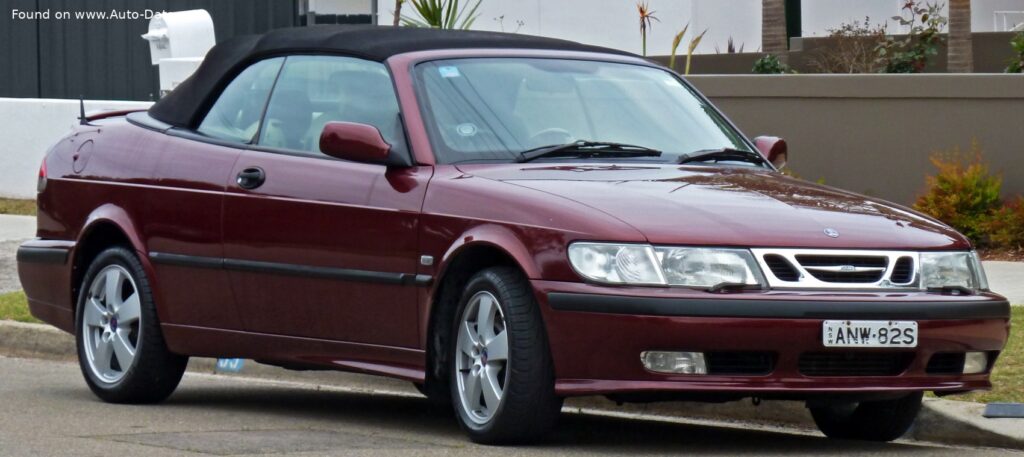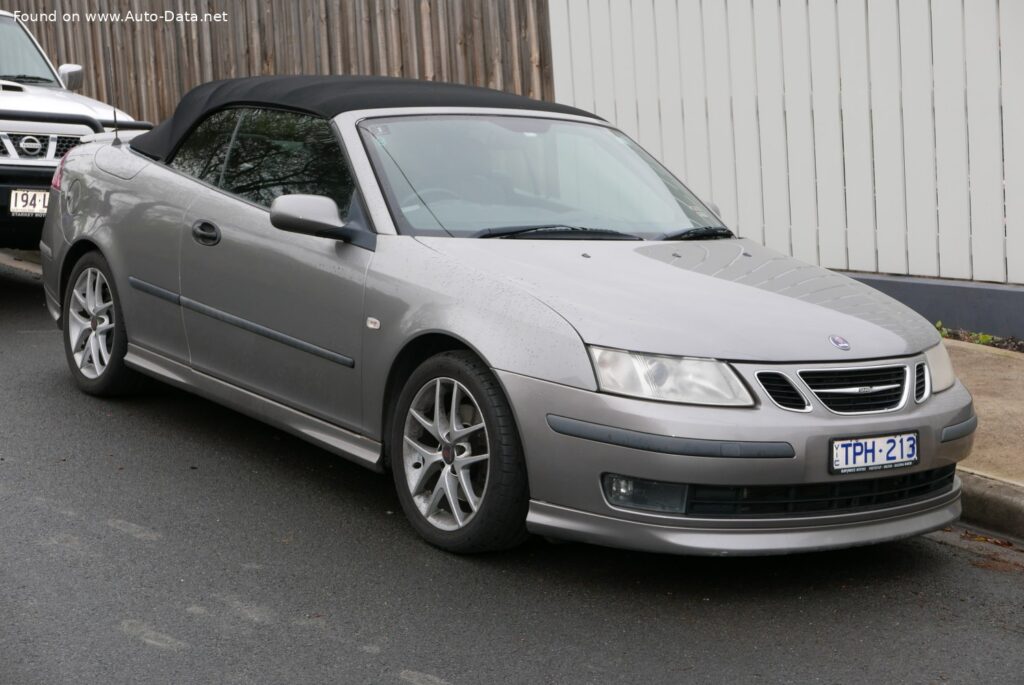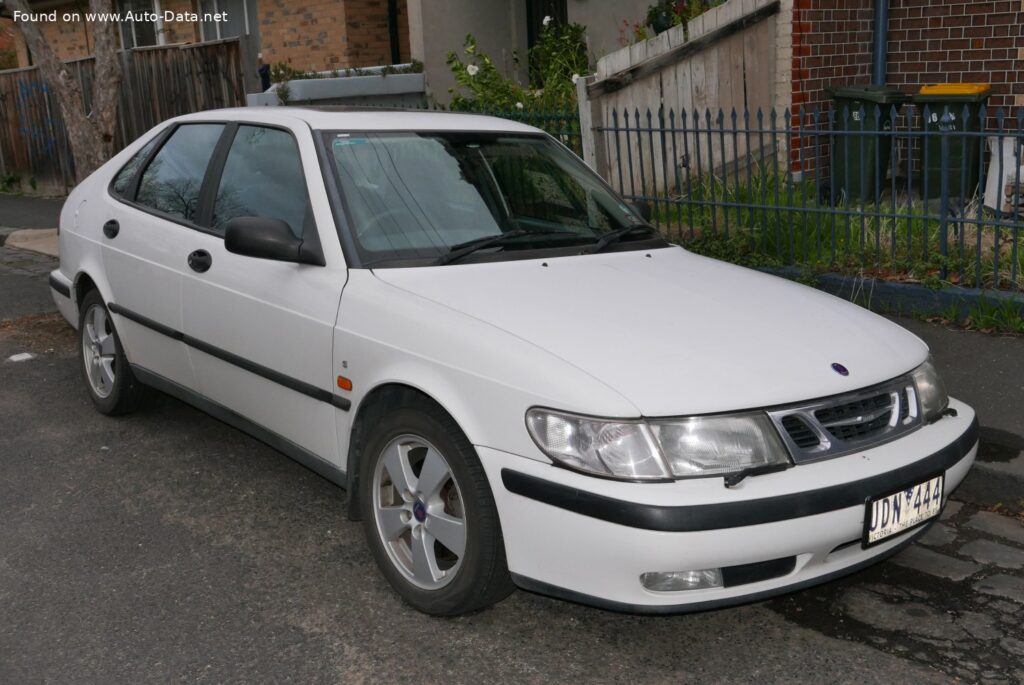
The Saab 9-3, particularly the first generation (1998-2002) represented a significant step forward for the Swedish automaker. Positioned as a compact executive car, the 9-3 aimed to blend Scandinavian practicality with a sporty driving experience. The 2.3 i T SE variant, producing 150 horsepower, was a popular choice in European markets, offering a balance between performance and fuel efficiency. While Saab never achieved mainstream success in the United States, the 9-3 garnered a loyal following among enthusiasts who appreciated its unique design and engineering.
Saab 9-3 I 2.3 i T SE: A Detailed Overview
The 9-3 I, the first iteration of the 9-3 lineage, built upon the foundation laid by the Saab 900. It represented a modernization of the brand’s offerings, incorporating updated styling, improved safety features, and a more refined interior. The “i T” designation signified a fuel-injected, turbocharged engine – though the 2.3 i T SE model featured a naturally aspirated engine. The “SE” trim level denoted a higher level of equipment and comfort features compared to base models. This generation of 9-3 was available in both 3-door and 5-door hatchback configurations, catering to a variety of customer needs.
Engine & Performance
The heart of the Saab 9-3 I 2.3 i T SE is a 2.3-liter inline four-cylinder gasoline engine. This naturally aspirated powerplant delivers 150 horsepower at 5700 rpm and 210 Nm (154.89 lb.-ft.) of torque at 4300 rpm. While not overtly powerful, the engine provides adequate performance for everyday driving, with a 0-60 mph acceleration time of approximately 10.5 seconds and a top speed of 205 km/h (127.38 mph). The engine’s power-to-weight ratio is 9.5 kg/Hp, and its torque-to-weight ratio is 6.8 kg/Nm. The engine utilizes a multi-port fuel injection system and a double overhead camshaft (DOHC) valvetrain, contributing to its relatively smooth operation. The engine’s displacement of 2290 cm3 (139.74 cu. in.) and a compression ratio of 10.5:1 are typical for engines of this era. The engine requires 4 liters (4.23 US qt) of oil and 8.5 liters (8.98 US qt) of coolant.
Design & Features
The Saab 9-3 I is instantly recognizable by its distinctive Scandinavian design. The hatchback body style offers a practical combination of passenger space and cargo capacity. The 9-3 I offered seating for five passengers and a trunk volume ranging from 494 liters (17.45 cu. ft.) with the rear seats up to 1314 liters (46.4 cu. ft.) with the rear seats folded down. Safety was a key consideration in the 9-3’s design, and it featured an Anti-lock Braking System (ABS) as standard equipment. The car’s dimensions are 4629 mm (182.24 in.) in length, 1711 mm (67.36 in.) in width, and 1428 mm (56.22 in.) in height. The wheelbase measures 2605 mm (102.56 in.). The front and rear tracks are 1452 mm (57.17 in.) and 1442 mm (56.77 in.) respectively. The car rides on 15-inch wheel rims with 195/60 R15 tires. The steering system is a rack and pinion type with hydraulic power assistance.
Technical Specifications
| Brand | Saab |
| Model | 9-3 |
| Generation | 9-3 I |
| Type (Engine) | 2.3 i T SE (150 Hp) |
| Start of production | 1998 |
| End of production | 2002 |
| Powertrain Architecture | Internal Combustion engine |
| Body type | Hatchback |
| Seats | 5 |
| Doors | 3-5 |
| Fuel consumption (urban) | 14.8 l/100 km (15.9 US mpg / 19.1 UK mpg) |
| Fuel consumption (extra urban) | 7.6 l/100 km (30.9 US mpg / 37.2 UK mpg) |
| Fuel Type | Petrol (Gasoline) |
| Acceleration 0 – 100 km/h | 11 sec |
| Acceleration 0 – 62 mph | 11 sec |
| Acceleration 0 – 60 mph | 10.5 sec |
| Maximum speed | 205 km/h (127.38 mph) |
| Weight-to-power ratio | 9.5 kg/Hp |
| Weight-to-torque ratio | 6.8 kg/Nm |
| Power | 150 Hp @ 5700 rpm |
| Power per litre | 65.5 Hp/l |
| Torque | 210 Nm @ 4300 rpm (154.89 lb.-ft. @ 4300 rpm) |
| Engine layout | Front, Transverse |
| Engine Model/Code | B234i |
| Engine displacement | 2290 cm3 (139.74 cu. in.) |
| Number of cylinders | 4 |
| Engine configuration | Inline |
| Cylinder Bore | 90 mm (3.54 in.) |
| Piston Stroke | 90 mm (3.54 in.) |
| Compression ratio | 10.5:1 |
| Number of valves per cylinder | 4 |
| Fuel injection system | Multi-port manifold injection |
| Engine aspiration | Naturally aspirated engine |
| Valvetrain | DOHC |
| Engine oil capacity | 4 l (4.23 US qt | 3.52 UK qt) |
| Coolant | 8.5 l (8.98 US qt | 7.48 UK qt) |
| Kerb Weight | 1420 kg (3130.56 lbs.) |
| Max. weight | 1910 kg (4210.83 lbs.) |
| Max load | 490 kg (1080.27 lbs.) |
| Trunk (boot) space – minimum | 494 l (17.45 cu. ft.) |
| Trunk (boot) space – maximum | 1314 l (46.4 cu. ft.) |
| Fuel tank capacity | 68 l (17.96 US gal | 14.96 UK gal) |
| Length | 4629 mm (182.24 in.) |
| Width | 1711 mm (67.36 in.) |
| Height | 1428 mm (56.22 in.) |
| Wheelbase | 2605 mm (102.56 in.) |
| Front track | 1452 mm (57.17 in.) |
| Rear (Back) track | 1442 mm (56.77 in.) |
| Drivetrain Architecture | Front wheel drive |
| Number of gears and type of gearbox | 4 gears, automatic transmission |
| Front suspension | Spring Strut |
| Rear suspension | Coil spring |
| Front brakes | Ventilated discs |
| Rear brakes | Disc |
| Assisting systems | ABS (Anti-lock braking system) |
| Steering type | Steering rack and pinion |
| Power steering | Hydraulic Steering |
| Tires size | 195/60 R15 |
| Wheel rims size | 15 |
The Saab 9-3 I 2.3 i T SE, while not a performance leader, offered a compelling package of practicality, safety, and Scandinavian design. It remains a fondly remembered vehicle for those who appreciate Saab’s unique approach to automotive engineering.