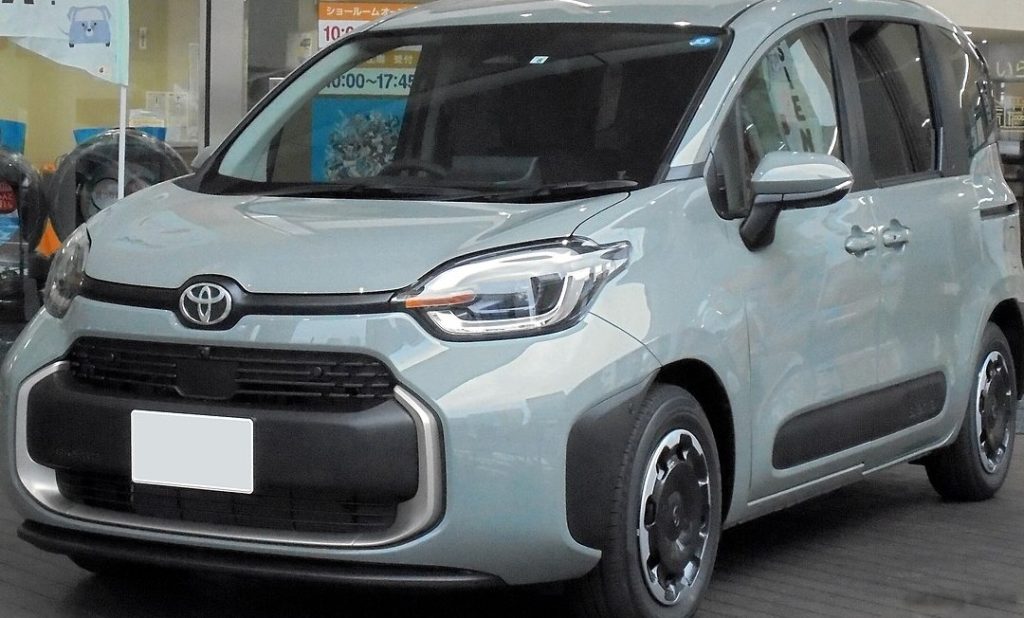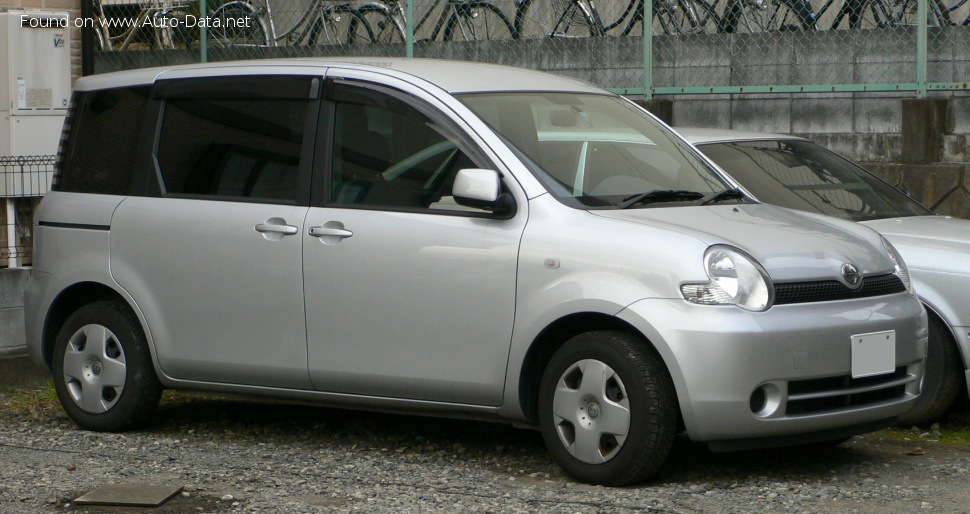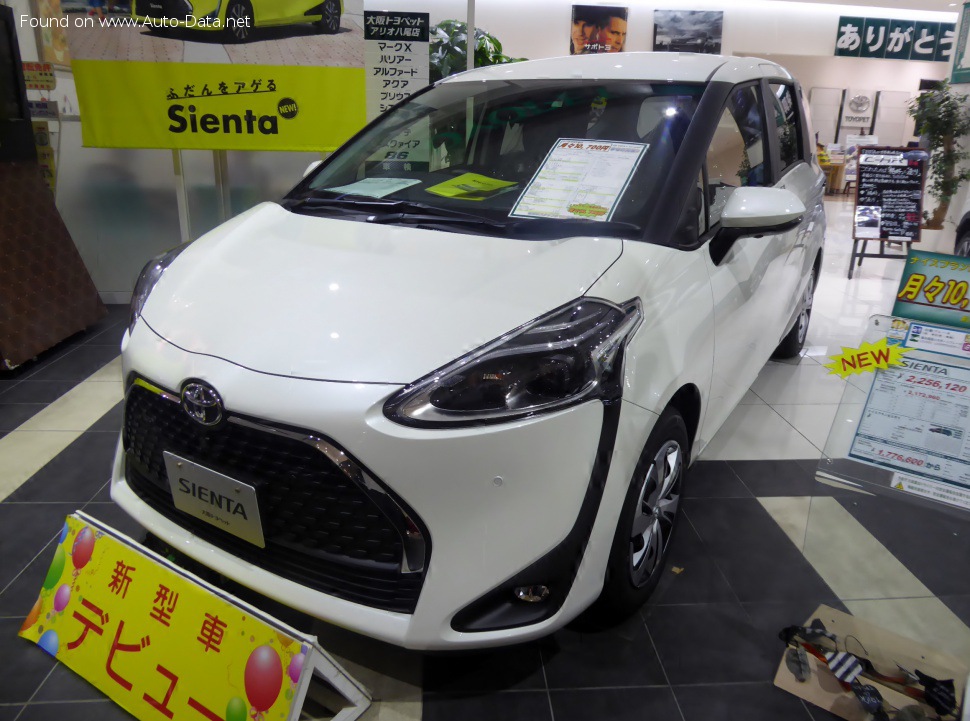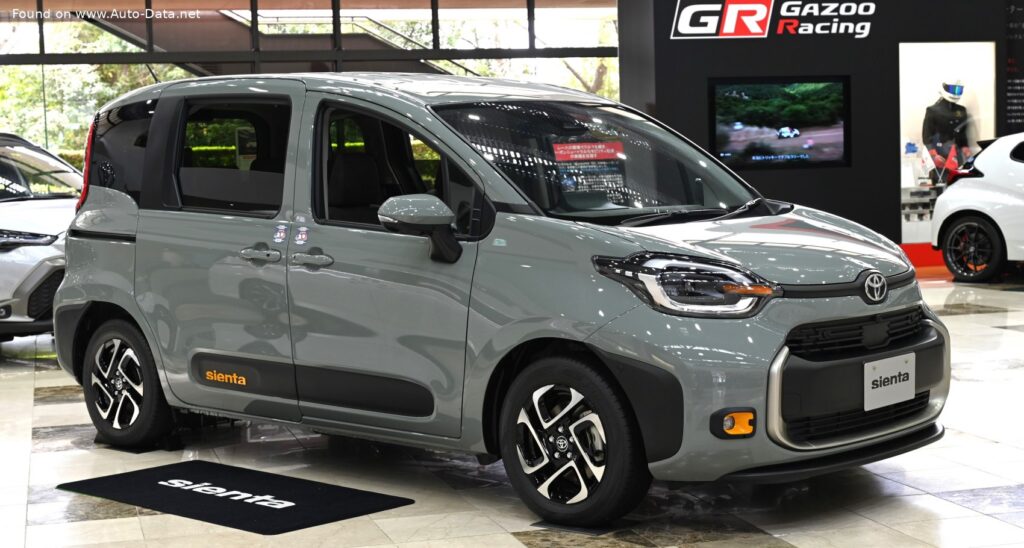
The Toyota Sienta is a compact minivan primarily designed and marketed for the Asian market, particularly Japan and Indonesia. The third generation, introduced in August 2022, continues the Sienta’s reputation for maximizing interior space within a relatively small footprint. While not officially sold in the United States, the Sienta III represents Toyota’s commitment to versatile, family-oriented vehicles, offering a unique blend of practicality and fuel efficiency. This iteration focuses on enhanced comfort, updated technology, and improved safety features, catering to the needs of urban families.
Toyota Sienta III: An Overview
The Sienta occupies a niche market segment, bridging the gap between subcompact cars and larger multi-purpose vehicles (MPVs). It’s characterized by its distinctive styling, sliding rear doors for easy access, and a flexible seating configuration. The third-generation Sienta builds upon the strengths of its predecessors, offering a more refined driving experience and a host of modern amenities. Its primary appeal lies in its ability to comfortably accommodate seven passengers while remaining relatively easy to maneuver in congested city environments.
Engine & Performance
The Sienta III 1.5 is powered by Toyota’s 1.5-liter M15A-FKS inline three-cylinder gasoline engine. This naturally aspirated engine produces 120 horsepower at 6600 rpm and 145 Nm of torque (approximately 106.95 lb-ft) between 4800 and 5200 rpm. Power delivery is managed through a Direct Shift-CVT (Continuously Variable Transmission), optimized for both fuel efficiency and smooth acceleration. The engine’s power-to-weight ratio is 93 horsepower per tonne, and the torque-to-weight ratio is 112.4 Nm per tonne. The Sienta prioritizes fuel economy, achieving combined fuel consumption of 5.46 liters per 100 kilometers (43.1 US mpg or 51.7 UK mpg). Urban driving yields 7.09 l/100km (33.2 US mpg), while extra-urban driving improves to 4.92 l/100km (47.8 US mpg). The engine also incorporates a Start & Stop System to further reduce fuel consumption and emissions during idling.
Design & Features
The Toyota Sienta III maintains the distinctive minivan silhouette of previous generations, but with a more modern and streamlined aesthetic. The body features five doors, including sliding rear doors that facilitate easy entry and exit, particularly in tight parking spaces. The interior is designed with practicality in mind, offering a flexible seating arrangement that can accommodate up to seven passengers. The Sienta’s interior emphasizes space optimization, with a focus on maximizing legroom and headroom for all occupants. While specific features vary depending on trim level and regional market, the Sienta III typically includes features such as air conditioning, power windows, and a basic audio system. Safety features include ABS (Anti-lock Braking System) and are continually updated to meet evolving safety standards. The vehicle’s design prioritizes functionality and ease of use, making it a practical choice for families.
Technical Specifications
| Brand | Toyota |
| Model | Sienta |
| Generation | Sienta III |
| Type | 1.5 (120 Hp) Direct Shift-CVT 7 Seat |
| Start of production | August, 2022 |
| Powertrain Architecture | Internal Combustion engine |
| Body type | Minivan |
| Seats | 7 |
| Doors | 5 |
| Fuel consumption (urban) | 7.09 l/100 km (33.2 US mpg) |
| Fuel consumption (extra urban) | 4.92 l/100 km (47.8 US mpg) |
| Fuel consumption (combined) | 5.46 l/100 km (43.1 US mpg) |
| Fuel Type | Petrol (Gasoline) |
| Weight-to-power ratio | 10.8 kg/Hp |
| Weight-to-torque ratio | 8.9 kg/Nm |
| Power | 120 Hp @ 6600 rpm |
| Power per litre | 80.5 Hp/l |
| Torque | 145 Nm @ 4800-5200 rpm (106.95 lb.-ft.) |
| Engine layout | Front, Transverse |
| Engine Model/Code | M15A-FKS |
| Engine displacement | 1490 cm3 (90.93 cu. in.) |
| Number of cylinders | 3 |
| Engine configuration | Inline |
| Cylinder Bore | 80.5 mm (3.17 in.) |
| Piston Stroke | 97.6 mm (3.84 in.) |
| Fuel injection system | Multi-port manifold injection |
| Engine aspiration | Naturally aspirated engine |
| Valvetrain | VVT |
| Kerb Weight | 1290-1300 kg (2843.96 – 2866.01 lbs.) |
| Max. weight | 1685 kg (3714.79 lbs.) |
| Max load | 385-395 kg (848.78 – 870.83 lbs.) |
| Fuel tank capacity | 40 l (10.57 US gal | 8.8 UK gal) |
| Length | 4260 mm (167.72 in.) |
| Width | 1695 mm (66.73 in.) |
| Height | 1695 mm (66.73 in.) |
| Wheelbase | 2750 mm (108.27 in.) |
| Front track | 1490 mm (58.66 in.) |
| Rear track | 1485 mm (58.46 in.) |
| Ride height (ground clearance) | 140 mm (5.51 in.) |
| Minimum turning circle | 10 m (32.81 ft.) |
| Drivetrain Architecture | Front wheel drive, ICE |
| Drive wheel | Front wheel drive |
| Number of gears and type of gearbox | automatic transmission Direct Shift-CVT |
| Front suspension | Independent type McPherson |
| Rear suspension | Torsion |
| Front brakes | Ventilated discs |
| Rear brakes | Disc |
| Assisting systems | ABS (Anti-lock braking system) |
| Steering type | Steering rack and pinion |
| Power steering | Hydraulic Steering |
| Tires size | 185/65 R15 |
| Wheel rims size | 5.5J x 15 |
The Toyota Sienta III 1.5 represents a practical and efficient transportation solution for families, particularly in markets where compact MPVs are highly valued. Its combination of space, fuel economy, and modern features makes it a compelling option in its segment, even if it remains unavailable in the North American market.