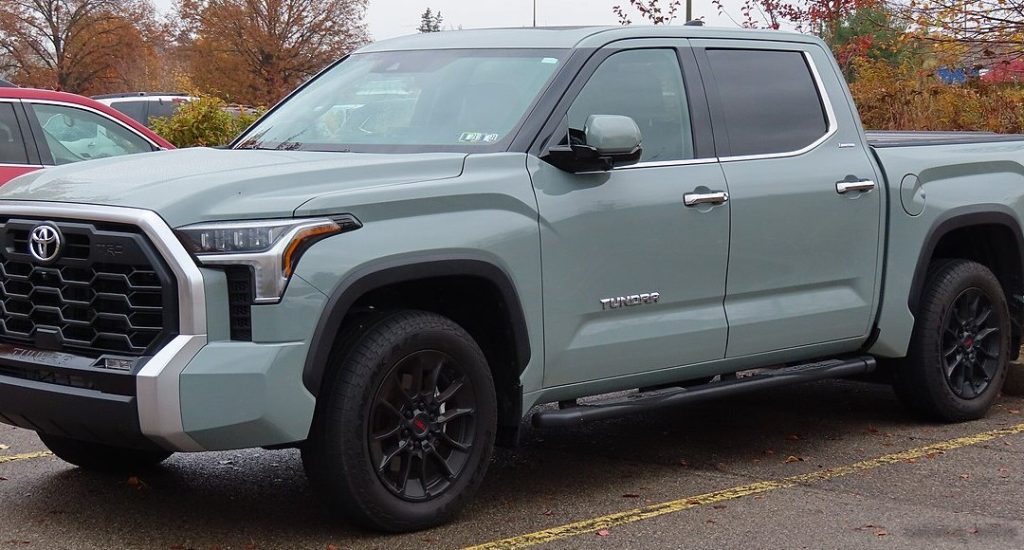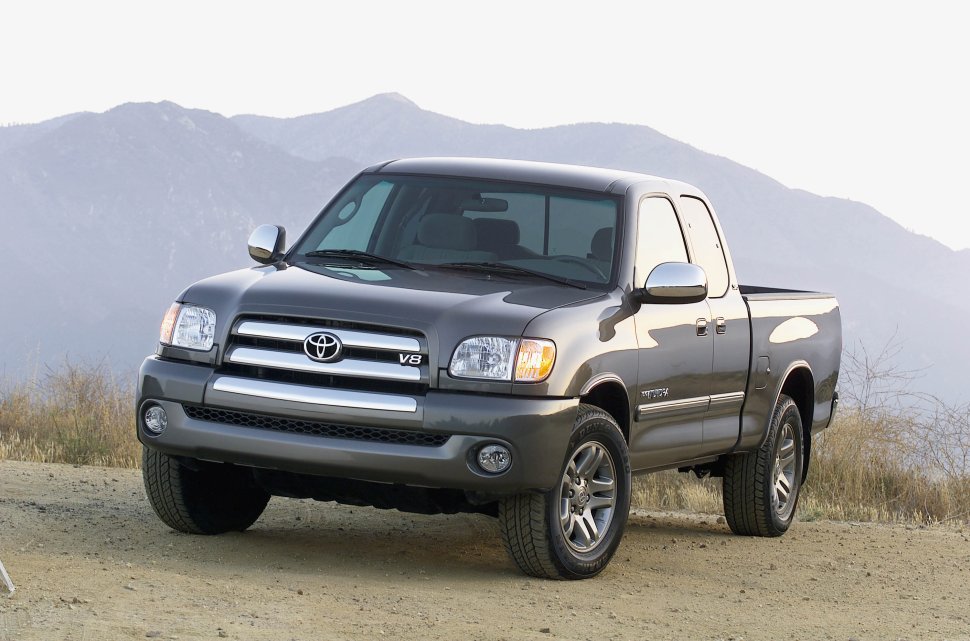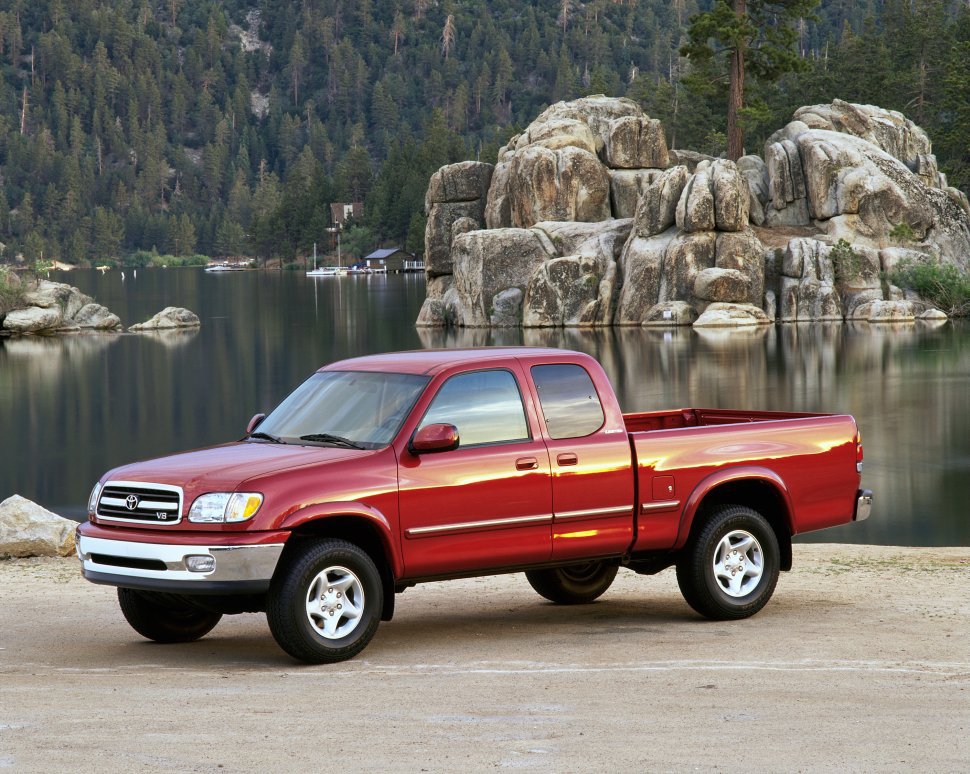
The Toyota Tundra, launched in 1999, represented Toyota’s initial foray into the full-size pickup truck market in North America. Designed to compete with established American manufacturers like Ford, Chevrolet, and Dodge, the first-generation Tundra (designated Tundra I, produced from 1999-2006) aimed to offer a blend of Japanese reliability, refinement, and capability. The 3.4 V6 model, equipped with a 190 horsepower engine and automatic transmission, served as the entry-level offering, providing a balance of affordability and performance for a wide range of buyers. This vehicle was not sold in Europe or Asia, being specifically designed for the North American market.
Toyota Tundra I 3.4 V6: An Overview
The Tundra I was a significant vehicle for Toyota, demonstrating their commitment to expanding beyond passenger cars and into the lucrative truck segment. It was available in various configurations, including regular cab, extended cab (Access Cab), and bed lengths, catering to diverse customer needs. The 3.4L V6 engine was a key component of the initial Tundra lineup, offering a solid foundation for both everyday driving and light-duty work tasks. While later years saw the introduction of a more powerful V8 engine, the 3.4 V6 remained a popular choice for its fuel efficiency and proven reliability.
Engine & Performance
The heart of the 1999-2002 Toyota Tundra 3.4 V6 is the 5VZ-FE 3.4-liter inline-6 cylinder engine. This naturally aspirated engine produces 190 horsepower at 4800 rpm and 298 Nm (219.79 lb.-ft.) of torque at 3600 rpm. The engine features a multi-port fuel injection system and a double overhead camshaft (DOHC) valvetrain, contributing to its smooth operation and respectable power output. The engine’s displacement is 3378 cm3 (206.14 cu. in.), with a bore of 93.4 mm (3.68 in.) and a stroke of 82 mm (3.23 in.). A compression ratio of 9.6:1 further optimizes performance. Power delivery is managed through a 4-speed automatic transmission, sending power to the rear wheels. The weight-to-power ratio is 9.9 kg/Hp, and the weight-to-torque ratio is 6.3 kg/Nm, indicating a reasonable balance between weight and performance for its class. Fuel economy figures are 16.8 l/100 km (14 US mpg, 16.8 UK mpg) in urban conditions, 14.7 l/100 km (16 US mpg, 19.2 UK mpg) extra-urban, and 15.6 l/100 km (15.1 US mpg, 18.1 UK mpg) combined.
Design & Features
The Toyota Tundra I is a traditional body-on-frame pickup truck, offering a robust and durable construction. It’s available as a four-door pickup with seating for five passengers. The exterior design is characterized by a relatively conservative aesthetic, typical of trucks from that era. The Tundra prioritized functionality and durability over flashy styling. Key features included a spacious cabin, a comfortable ride (for a truck), and a relatively quiet interior compared to some competitors. Safety features for the time included ABS (Anti-lock Braking System). The truck’s dimensions are substantial, with a length of 5525 mm (217.52 in.), a width of 1910 mm (75.2 in.), and a height ranging from 1820-1830 mm (71.65 – 72.05 in.). The wheelbase measures 3260 mm (128.35 in.), and the ride height (ground clearance) is 264 mm (10.39 in.). The Tundra’s approach and departure angles are 27° and 23° respectively, providing reasonable off-road capability for light to moderate terrain. The permitted trailer load with brakes is 2222 kg (4898.67 lbs).
Technical Specifications
| Brand | Toyota |
| Model | Tundra |
| Generation | Tundra I |
| Type (Engine) | 3.4 V6 (190 Hp) Automatic |
| Start of production | May, 1999 |
| End of production | 2002 |
| Powertrain Architecture | Internal Combustion engine |
| Body type | Pick-up |
| Seats | 5 |
| Doors | 4 |
| Fuel consumption (economy) – urban | 16.8 l/100 km (14 US mpg, 16.8 UK mpg) |
| Fuel consumption (economy) – extra urban | 14.7 l/100 km (16 US mpg, 19.2 UK mpg) |
| Fuel consumption (economy) – combined | 15.6 l/100 km (15.1 US mpg, 18.1 UK mpg) |
| Fuel Type | Petrol (Gasoline) |
| Weight-to-power ratio | 9.9 kg/Hp |
| Weight-to-torque ratio | 6.3 kg/Nm |
| Power | 190 Hp @ 4800 rpm |
| Torque | 298 Nm @ 3600 rpm (219.79 lb.-ft. @ 3600 rpm) |
| Engine layout | Front, Longitudinal |
| Engine Model/Code | 5VZ-FE |
| Engine displacement | 3378 cm3 (206.14 cu. in.) |
| Number of cylinders | 6 |
| Engine configuration | Inline |
| Cylinder Bore | 93.4 mm (3.68 in.) |
| Piston Stroke | 82 mm (3.23 in.) |
| Compression ratio | 9.6:1 |
| Number of valves per cylinder | 4 |
| Fuel injection system | Multi-port manifold injection |
| Engine aspiration | Naturally aspirated engine |
| Valvetrain | DOHC |
| Engine oil capacity | 5.2 l (5.49 US qt | 4.58 UK qt) |
| Coolant | 9.9 l (10.46 US qt | 8.71 UK qt) |
| Kerb Weight | 1874 kg (4131.46 lbs.) |
| Max. weight | 2585 kg (5698.95 lbs.) |
| Max load | 711 kg (1567.49 lbs.) |
| Fuel tank capacity | 100 l (26.42 US gal | 22 UK gal) |
| Length | 5525 mm (217.52 in.) |
| Width | 1910 mm (75.2 in.) |
| Height | 1820-1830 mm (71.65 – 72.05 in.) |
| Wheelbase | 3260 mm (128.35 in.) |
| Front track | 1675 mm (65.94 in.) |
| Rear (Back) track | 1648 mm (64.88 in.) |
| Ride height (ground clearance) | 264 mm (10.39 in.) |
| Minimum turning circle (turning diameter) | 13.5 m (44.29 ft.) |
| Drive wheel | Rear wheel drive |
| Number of gears and type of gearbox | 4 gears, automatic transmission |
| Front suspension | Double wishbone |
| Front brakes | Ventilated discs |
| Rear brakes | Drum |
| Assisting systems | ABS (Anti-lock braking system) |
| Tires size | 245/70 R16; 265/70 R16 |
| Wheel rims size | 7.0J x 16 |
The Toyota Tundra I 3.4 V6, while not the most powerful or technologically advanced truck on the market, established Toyota as a credible competitor in the full-size pickup segment. Its reputation for reliability, combined with a comfortable ride and a reasonable price point, made it a popular choice for buyers seeking a durable and dependable truck for work and personal use.