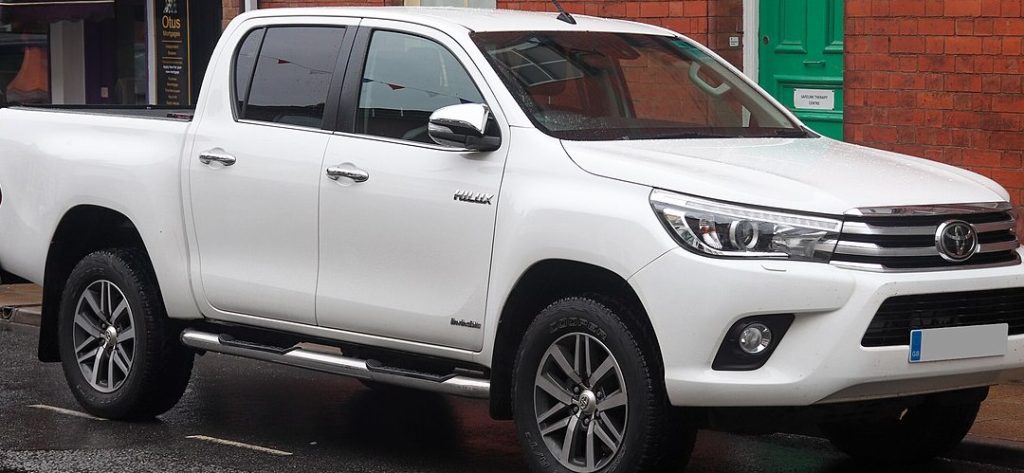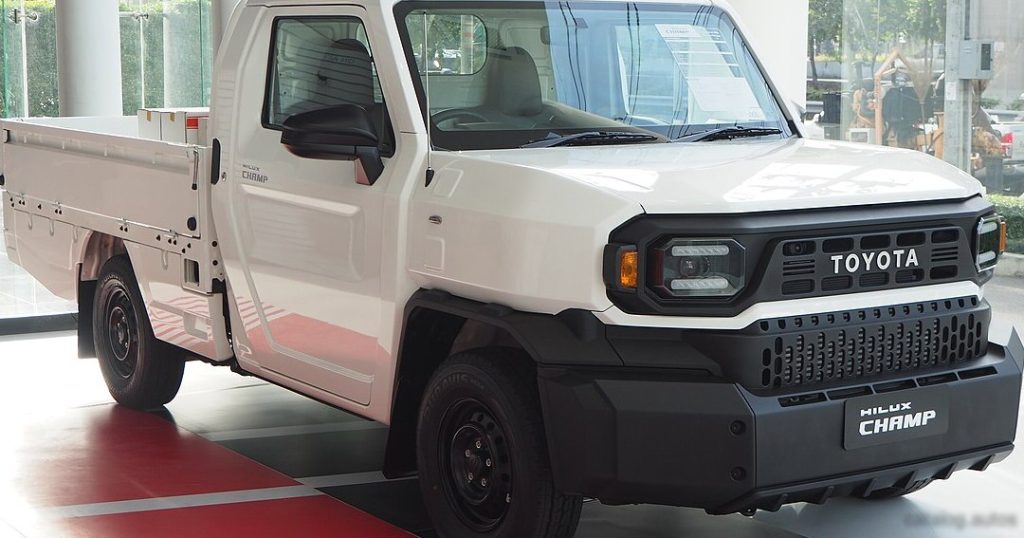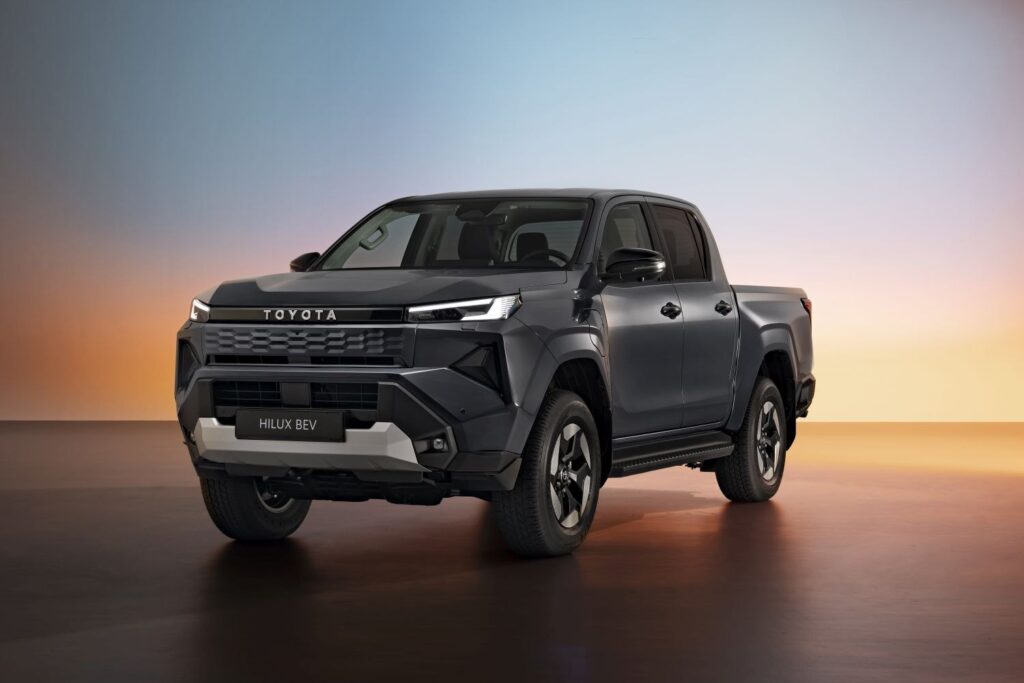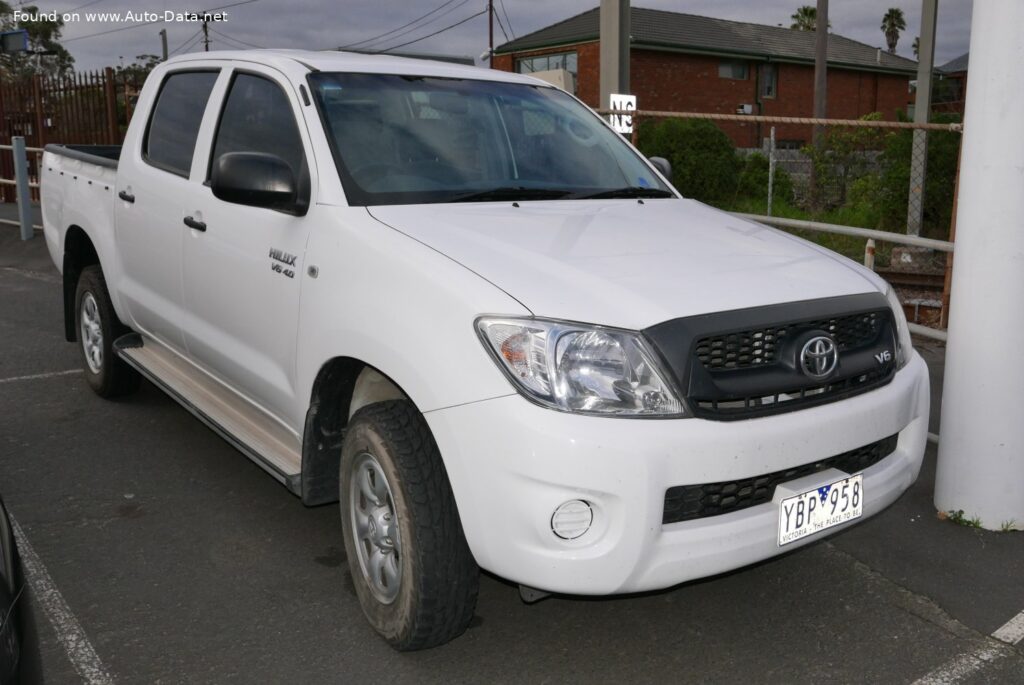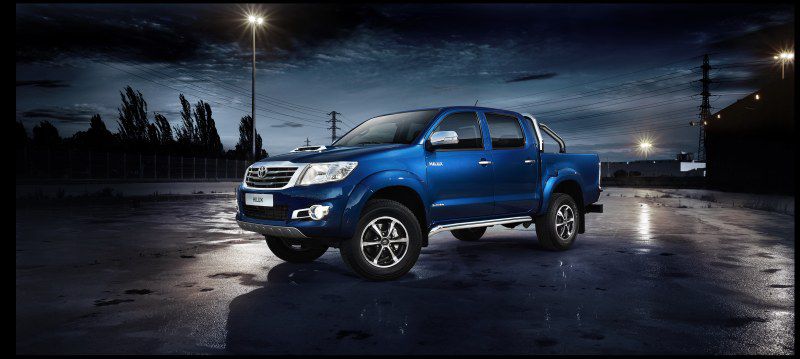
The Toyota Hilux Single Cab VIII (facelift 2017) 2.7i Automatic represents a continuation of Toyota’s globally renowned Hilux line, a pickup truck celebrated for its durability and reliability. This particular iteration, produced from November 2017 to June 2020, was primarily aimed at markets outside of North America, where the Hilux isn’t officially sold. Instead, it occupies a significant position in regions like Europe, Asia, Australia, and Latin America, serving as a workhorse for businesses, farmers, and individuals requiring a robust and capable vehicle. The Single Cab configuration, coupled with the 2.7-liter gasoline engine and automatic transmission, offered a practical and accessible option within the Hilux range.
Toyota Hilux Single Cab VIII (facelift 2017): An Overview
The Hilux has a long and storied history, dating back to 1968. Over generations, it has earned a reputation for being virtually indestructible, a claim often put to the test in challenging environments. The eighth generation, introduced in 2016 and facelifted in 2017, brought with it enhanced comfort, improved safety features, and a more refined driving experience while retaining the core values of toughness and dependability. The 2.7i model, while not the most powerful in the Hilux lineup, provided a balance of performance and fuel efficiency suitable for a wide range of tasks. This model is a two-door, two-seat pickup designed for utility and practicality, prioritizing cargo capacity and ruggedness over passenger comfort.
Engine & Performance
Powering the Toyota Hilux Single Cab VIII (facelift 2017) 2.7i is the 2TR-FE 2.7-liter inline-four cylinder gasoline engine. This naturally aspirated engine produces 166 horsepower at 5200 rpm and 245 Nm (180.7 lb.-ft.) of torque at 4000 rpm. The engine features multi-port fuel injection and a double overhead camshaft (DOHC) valvetrain with variable valve timing (D-VVT-i), optimizing performance and efficiency. The power-to-weight ratio of 9 kg/Hp and 111.4 Hp/tonne indicates a respectable level of performance for its intended purpose. The engine’s longitudinal front-mounted layout contributes to a balanced weight distribution. The six-speed automatic transmission delivers smooth and efficient gear changes, making it suitable for both on-road and off-road driving. While not a performance-oriented vehicle, the Hilux 2.7i provides adequate power for hauling loads and navigating various terrains.
Design & Features
The Hilux Single Cab VIII (facelift 2017) maintains the traditional pickup truck silhouette, characterized by a robust and utilitarian design. The single cab configuration offers a spacious cargo bed, ideal for transporting goods and equipment. The facelift introduced subtle styling updates, including a revised front grille, headlights, and bumper, giving the vehicle a more modern appearance. Inside, the cabin is functional and durable, with a focus on practicality rather than luxury. Key features include a hydraulic power steering system for ease of maneuverability, and an Anti-lock Braking System (ABS) for enhanced safety. The suspension system, comprised of double wishbones on both the front and rear axles, provides a comfortable ride and good handling characteristics. The vehicle’s kerb weight of 1490 kg (3284.89 lbs) and maximum load capacity of 1210 kg (2667.59 lbs) highlight its capability as a work vehicle. The Hilux is also capable of towing a braked trailer of up to 2500 kg (5511.56 lbs).
Technical Specifications
| General Information | |
| Brand | Toyota |
| Model | Hilux |
| Generation | Hilux Single Cab VIII (facelift 2017) |
| Type (Engine) | 2.7i (166 Hp) Automatic |
| Start of production | November, 2017 |
| End of production | June, 2020 |
| Powertrain Architecture | Internal Combustion engine |
| Body type | Pick-up |
| Seats | 2 |
| Doors | 2 |
| Performance Specs | |
| Fuel Type | Petrol (Gasoline) |
| Weight-to-power ratio | 9 kg/Hp |
| Hp/tonne | 111.4 Hp/tonne |
| Weight-to-torque ratio | 6.1 kg/Nm |
| Nm/tonne | 164.4 Nm/tonne |
| Engine Specs | |
| Power | 166 Hp @ 5200 rpm |
| Power per litre | 61.6 Hp/l |
| Torque | 245 Nm @ 4000 rpm / 180.7 lb.-ft. @ 4000 rpm |
| Engine layout | Front, Longitudinal |
| Engine Model/Code | 2TR-FE |
| Engine displacement | 2694 cm3 / 164.4 cu. in. |
| Number of cylinders | 4 |
| Engine configuration | Inline |
| Cylinder Bore | 95 mm / 3.74 in. |
| Piston Stroke | 95 mm / 3.74 in. |
| Compression ratio | 10.2:1 |
| Number of valves per cylinder | 4 |
| Fuel injection system | Multi-port manifold injection |
| Engine aspiration | Naturally aspirated engine |
| Valvetrain | DOHC, D-VVT-i |
| Engine oil capacity | 5.6 l / 5.92 US qt | 4.93 UK qt |
| Coolant | 8.1 l / 8.56 US qt | 7.13 UK qt |
| Space, Volume and Weights | |
| Kerb Weight | 1490 kg / 3284.89 lbs |
| Max. weight | 2700 kg / 5952.48 lbs |
| Max load | 1210 kg / 2667.59 lbs |
| Fuel tank capacity | 80 l / 21.13 US gal | 17.6 UK gal |
| Permitted trailer load with brakes (12%) | 2500 kg / 5511.56 lbs |
| Permitted trailer load without brakes | 750 kg / 1653.47 lbs |
| Dimensions | |
| Height | 1690 mm / 66.54 in. |
| Wheelbase | 3085 mm / 121.46 in. |
| Front track | 1510 mm / 59.45 in. |
| Rear (Back) track | 1510 mm / 59.45 in. |
| Front overhang | 1000 mm / 39.37 in. |
| Drivetrain, Brakes and Suspension Specs | |
| Drivetrain Architecture | The Internal combustion engine (ICE) drives the rear wheels of the vehicle. |
| Drive wheel | Rear wheel drive |
| Number of gears and type of gearbox | 6 gears, automatic transmission |
| Front suspension | Double wishbone |
| Rear suspension | Double wishbone |
| Front brakes | Ventilated discs |
| Rear brakes | Drum |
| Assisting systems | ABS (Anti-lock braking system) |
| Steering type | Steering rack and pinion |
| Power steering | Hydraulic Steering |
| Tires size | 215/65 R16 |
| Wheel rims size | 6J x 16 |