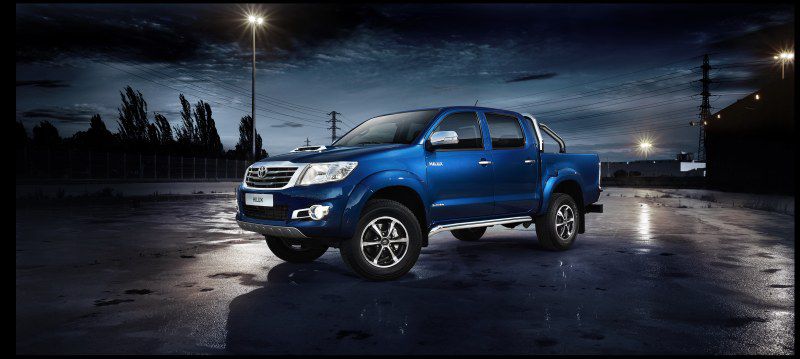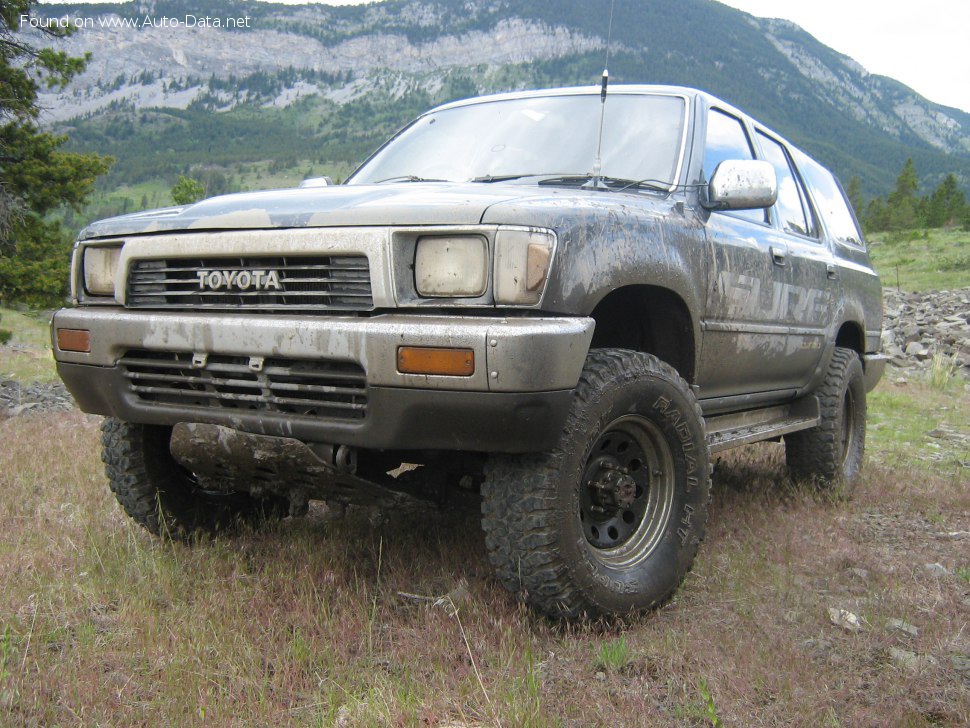
The Toyota Hilux Surf 2.0 i, produced between 1988 and 1995, represents the second generation (YN60/YN70 series) of Toyota’s popular Hilux Surf, a vehicle primarily marketed outside of North America. While the standard Hilux served as a workhorse pickup, the Surf was positioned as a more leisure-oriented, comfortable variant, offering features and styling geared towards recreational use. This generation bridged the gap between a rugged utility vehicle and a more refined SUV, gaining popularity in markets like Australia, New Zealand, and parts of Asia and Europe. The 2.0 i model, equipped with the 3Y-E engine, offered a balance of fuel efficiency and adequate power for everyday driving and light off-road adventures.
Toyota Hilux Surf 2.0 i: A Detailed Overview
The Hilux Surf, known by various names globally including the Hilux 4Runner in some markets, was Toyota’s response to the growing demand for a versatile vehicle capable of both work and play. The second-generation Surf built upon the success of the first, offering improved comfort, styling, and features. The 2.0 i variant, with its 1.998-liter inline-four engine, was a common choice for buyers seeking a more economical option within the Surf lineup. It was designed to appeal to individuals and families needing a reliable vehicle for commuting, weekend trips, and occasional off-road excursions. The Surf’s body-on-frame construction provided durability, while its coil-spring suspension offered a more comfortable ride compared to traditional leaf-spring setups found in many pickups of the era.
Engine & Performance
The heart of the Hilux Surf 2.0 i is the Toyota 3Y-E engine, a 1.998-liter (121.93 cubic inches) inline-four cylinder gasoline engine. This naturally aspirated engine produces 91 horsepower at 4800 rpm and 160 Nm (118.01 lb.-ft.) of torque at 3800 rpm. While not a powerhouse, the 3Y-E provides sufficient power for typical driving conditions. The engine features a multi-port fuel injection system and an overhead camshaft (OHC) valvetrain with four valves per cylinder, contributing to its relatively smooth operation and reasonable fuel efficiency for its time. The engine’s transverse mounting within the front engine bay optimizes space utilization. The power-to-weight ratio is 45.5 horsepower per liter, a typical figure for naturally aspirated engines of this displacement in the late 1980s and early 1990s. The 3Y-E engine is known for its reliability and relatively simple maintenance requirements, making it a popular choice for owners seeking a durable and long-lasting powertrain.
Design & Features
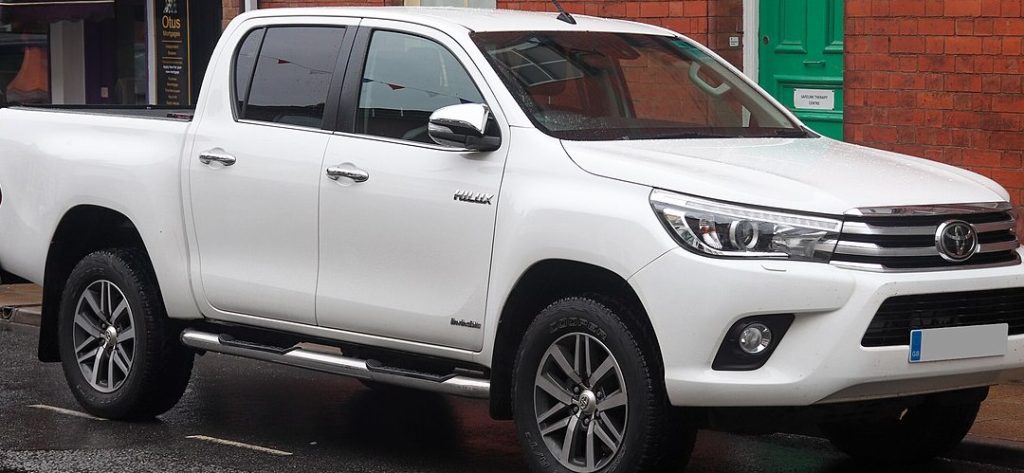
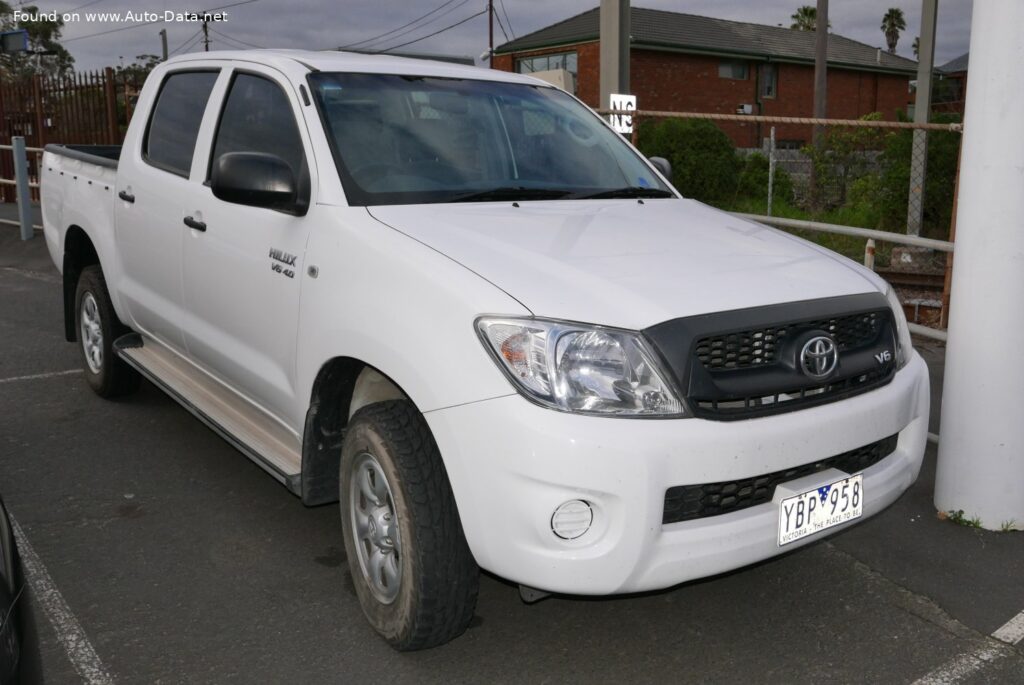
The Toyota Hilux Surf 2.0 i is characterized by its pickup body style, offering a practical cargo bed for hauling various items. The second-generation Surf featured a more rounded and aerodynamic design compared to its predecessor, with a more integrated appearance. The vehicle’s exterior styling incorporated elements of both ruggedness and sophistication, appealing to a broader range of buyers. Inside, the Surf 2.0 i offered a more comfortable and well-equipped cabin than the standard Hilux. Features typically included comfortable seating, basic instrumentation, and often, options like air conditioning and a radio. The Surf’s interior was designed with practicality in mind, offering ample space for passengers and cargo. Safety features for this era were relatively basic, typically consisting of seatbelts and a steering column designed to collapse in the event of a collision. The Surf’s body-on-frame construction provided a robust platform for both on-road and off-road driving, while its coil-spring suspension contributed to a more comfortable ride quality. The vehicle’s relatively compact size made it easy to maneuver in urban environments, while its four-wheel-drive system provided enhanced traction in challenging conditions.
Market Position and Legacy
The Hilux Surf, and specifically the 2.0 i variant, carved a niche for itself as a versatile and reliable vehicle in markets where it was officially sold. It wasn’t directly marketed in the United States, but its popularity in other regions demonstrated Toyota’s ability to cater to diverse consumer needs. The Surf’s blend of pickup practicality and SUV comfort made it a popular choice for outdoor enthusiasts, families, and individuals seeking a durable and dependable vehicle. The second-generation Surf, including the 2.0 i model, helped solidify the Hilux’s reputation for reliability and longevity, contributing to the brand’s enduring success in the global automotive market. The Surf’s design and features influenced subsequent generations of Toyota SUVs, paving the way for models like the modern 4Runner and Tacoma.
Technical Specifications
| Brand | Toyota |
| Model | Hilux Surf |
| Generation | Hilux Surf (YN60/YN70) |
| Type (Engine) | 2.0 i (91 Hp) |
| Start of production | 1988 |
| End of production | 1995 |
| Powertrain Architecture | Internal Combustion engine |
| Body type | Pick-up |
| Fuel Type | Petrol (Gasoline) |
| Power | 91 Hp @ 4800 rpm |
| Power per litre | 45.5 Hp/l |
| Torque | 160 Nm @ 3800 rpm |
| Torque (lb.-ft.) | 118.01 lb.-ft. @ 3800 rpm |
| Engine layout | Front, Transverse |
| Engine Model/Code | 3Y-E |
| Engine displacement | 1998 cm3 |
| Engine displacement (cu. in.) | 121.93 cu. in. |
| Number of cylinders | 4 |
| Engine configuration | Inline |
| Cylinder Bore | 86 mm |
| Cylinder Bore (in.) | 3.39 in. |
| Piston Stroke | 86 mm |
| Piston Stroke (in.) | 3.39 in. |
| Compression ratio | 9.8:1 |
| Number of valves per cylinder | 4 |
| Fuel injection system | Multi-port manifold injection |
| Engine aspiration | Naturally aspirated engine |
| Valvetrain | OHC |
| Engine oil capacity | 4 l |
| Engine oil capacity (US qt) | 4.23 US qt |
| Engine oil capacity (UK qt) | 3.52 UK qt |
| Coolant | 7.4 l |
| Coolant (US qt) | 7.82 US qt |
| Coolant (UK qt) | 6.51 UK qt |