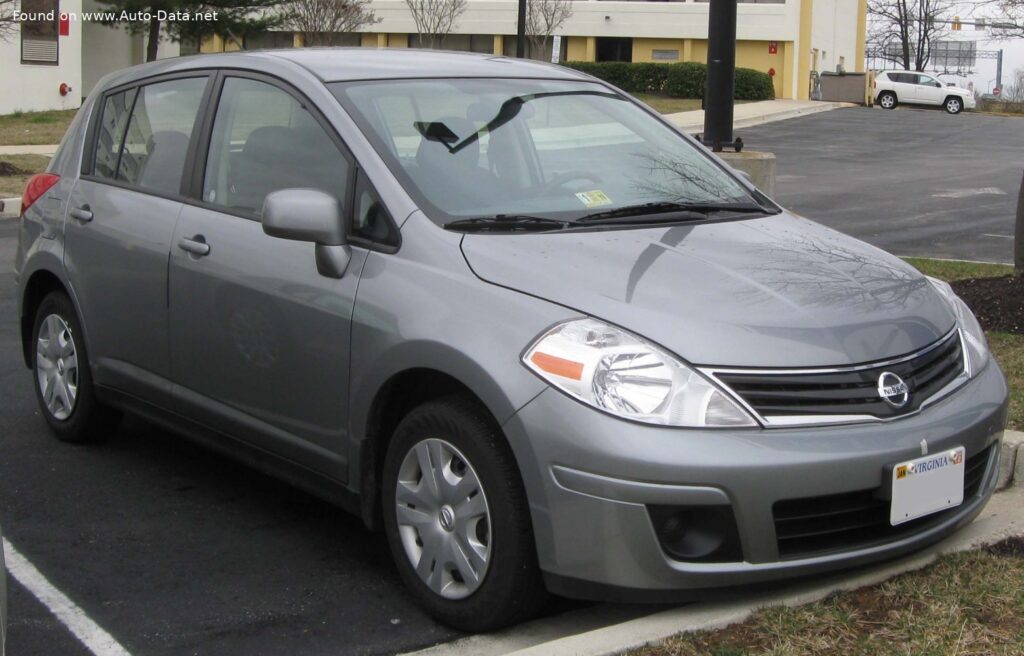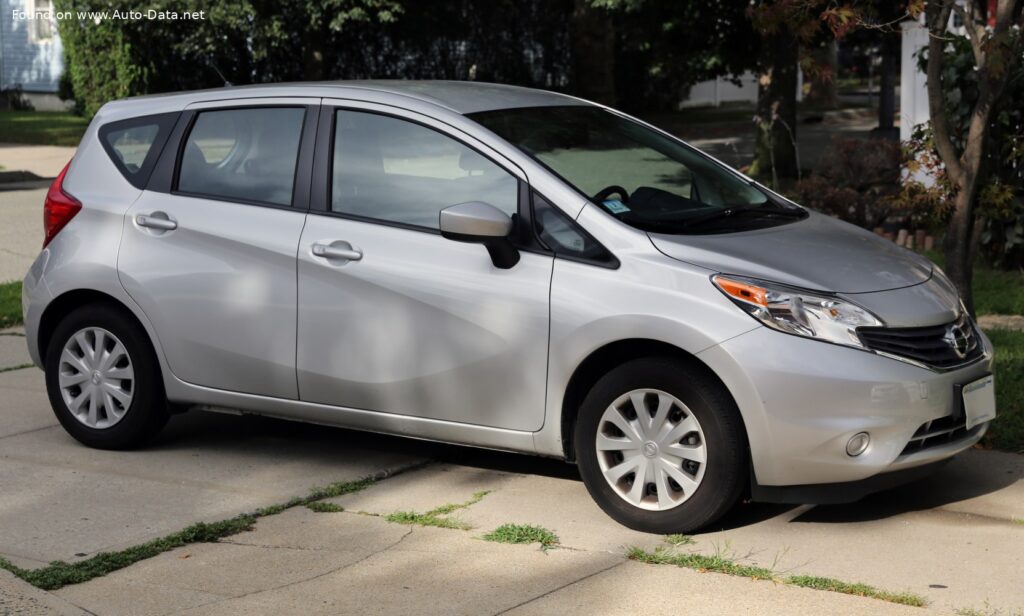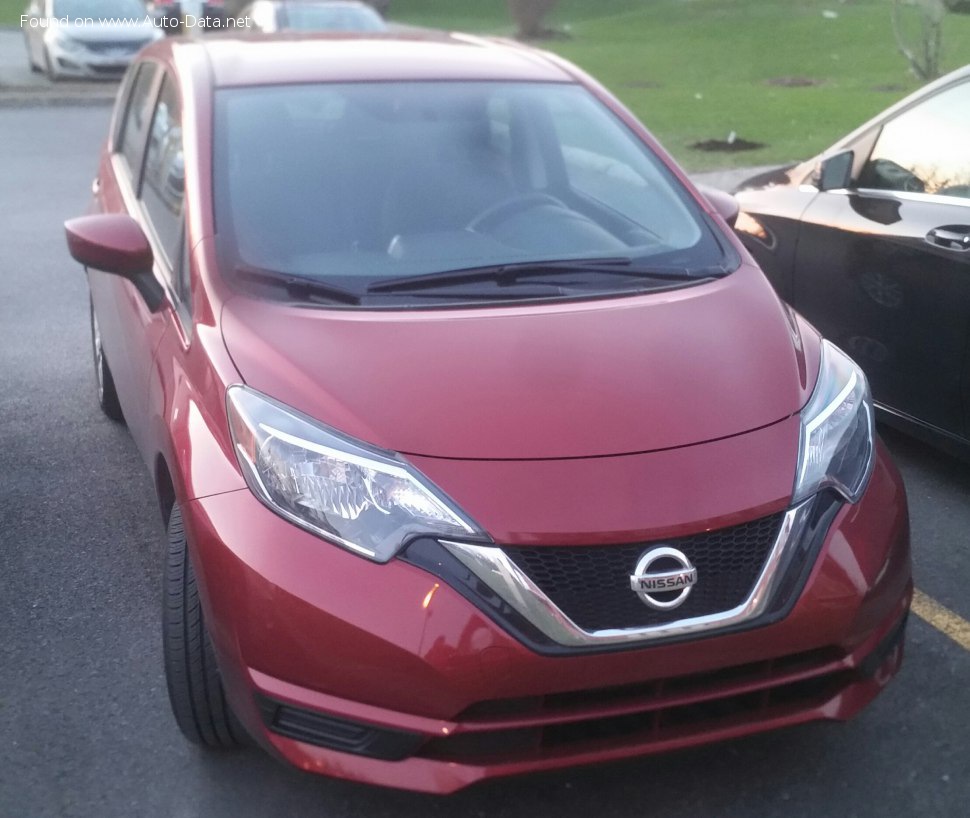
The Nissan Versa Note (facelift 2017), a subcompact hatchback, represented a significant refresh of Nissan’s entry-level offering. Primarily marketed in North America and select international markets, the Versa Note aimed to provide affordability, fuel efficiency, and practicality in a small package. This facelift, introduced in 2017 and continuing through 2019, brought updated styling and minor enhancements to the existing Versa Note platform. It competed with vehicles like the Honda Fit, Toyota Yaris, and Kia Rio, focusing on first-time buyers and those seeking economical transportation.
Nissan Versa Note (Facelift 2017): An Overview
The 2017 facelift of the Nissan Versa Note built upon the strengths of the previous generation, offering a more contemporary aesthetic and improved features. While not a revolutionary redesign, the updates were intended to enhance the car’s appeal in a competitive segment. The Versa Note distinguished itself with a spacious interior for its class, a relatively comfortable ride, and Nissan’s commitment to value. It served as an important model for Nissan in markets where subcompact hatchbacks are popular, offering a budget-friendly and efficient option for consumers.
Engine & Performance
The 2017 Nissan Versa Note facelift was powered by a 1.6-liter inline-four cylinder engine, designated HR16DE. This naturally aspirated engine produced 109 horsepower at 6000 rpm and 145 Nm (106.95 lb.-ft.) of torque at 4400 rpm. Power delivery was adequate for city driving and highway cruising, though acceleration was not a primary focus. The engine featured multi-port fuel injection and Nissan’s Continuously Variable Valve Timing Control (CVTC) system to optimize efficiency and performance. The engine’s 9.8:1 compression ratio contributed to its fuel economy. The Versa Note utilized a front-engine, front-wheel-drive layout and was exclusively offered with Nissan’s Xtronic continuously variable transmission (CVT). This CVT helped maximize fuel efficiency and provided smooth, seamless acceleration. The weight-to-power ratio was 10.2 kg/Hp, and the weight-to-torque ratio was 7.7 kg/Nm, indicating a reasonable balance between power and weight. Fuel economy figures were rated at 7.5 l/100 km (31.4 US mpg) in urban conditions, 6.0 l/100 km (39.2 US mpg) on the extra-urban cycle, and 6.9 l/100 km (34.1 US mpg) combined.
Design & Features
The 2017 Versa Note facelift retained the hatchback body style of the previous generation, offering five seats and five doors. The exterior styling received updates to the front fascia, including a revised grille, headlights, and bumper, giving it a more modern appearance. The rear of the vehicle also saw minor cosmetic changes. Inside, the Versa Note prioritized practicality and space. The rear seats offered decent legroom for passengers, and the hatchback configuration provided a versatile cargo area. With the rear seats up, trunk space measured 532 liters (18.79 cu. ft.), expanding to 1085 liters (38.32 cu. ft.) with the rear seats folded down. Standard features included air conditioning, power windows and locks, and a basic audio system. Available options included a touchscreen infotainment system with Bluetooth connectivity. Safety features included Anti-lock Braking System (ABS). The vehicle’s dimensions were 4140 mm (162.99 in.) in length, 1694 mm (66.69 in.) in width, and 1537 mm (60.51 in.) in height, with a wheelbase of 2601 mm (102.4 in.). The drag coefficient was 0.298, contributing to its fuel efficiency.
Technical Specifications
| Brand | Nissan |
| Model | Versa Note (facelift 2017) |
| Type (Engine) | 1.6 (109 Hp) Xtronic |
| Start of production | 2017 |
| End of production | 2019 |
| Powertrain Architecture | Internal Combustion engine |
| Body type | Hatchback |
| Seats | 5 |
| Doors | 5 |
| Fuel consumption (urban) | 7.5 l/100 km (31.4 US mpg) |
| Fuel consumption (extra urban) | 6 l/100 km (39.2 US mpg) |
| Fuel consumption (combined) | 6.9 l/100 km (34.1 US mpg) |
| Fuel Type | Petrol (Gasoline) |
| Weight-to-power ratio | 10.2 kg/Hp |
| Weight-to-torque ratio | 7.7 kg/Nm |
| Power | 109 Hp @ 6000 rpm |
| Torque | 145 Nm @ 4400 rpm (106.95 lb.-ft. @ 4400 rpm) |
| Maximum engine speed | 6500 rpm |
| Engine layout | Front, Transverse |
| Engine Model/Code | HR16DE |
| Engine displacement | 1598 cm3 (97.52 cu. in.) |
| Number of cylinders | 4 |
| Engine configuration | Inline |
| Cylinder Bore | 78 mm (3.07 in.) |
| Piston Stroke | 83.6 mm (3.29 in.) |
| Compression ratio | 9.8:1 |
| Number of valves per cylinder | 4 |
| Fuel injection system | Multi-port manifold injection |
| Engine aspiration | Naturally aspirated engine |
| Valvetrain | CVTC |
| Engine oil capacity | 3.5 l (3.7 US qt | 3.08 UK qt) |
| Coolant | 7.2 l (7.61 US qt | 6.34 UK qt) |
| Kerb Weight | 1116 kg (2460.36 lbs.) |
| Max. weight | 1574 kg (3470.08 lbs.) |
| Max load | 458 kg (1009.72 lbs.) |
| Trunk (boot) space – minimum | 532 l (18.79 cu. ft.) |
| Trunk (boot) space – maximum | 1085 l (38.32 cu. ft.) |
| Fuel tank capacity | 40.8 l (10.78 US gal | 8.97 UK gal) |
| Length | 4140 mm (162.99 in.) |
| Width | 1694 mm (66.69 in.) |
| Height | 1537 mm (60.51 in.) |
| Wheelbase | 2601 mm (102.4 in.) |
| Front track | 1481 mm (58.31 in.) |
| Rear (Back) track | 1486 mm (58.5 in.) |
| Drag coefficient (Cd) | 0.298 |
| Minimum turning circle (turning diameter) | 10.6 m (34.78 ft.) |
| Approach angle | 15.2° |
| Departure angle | 30.4° |
| Drivetrain Architecture | Front wheel drive |
| Number of gears and type of gearbox | automatic transmission Xtronic |
| Front suspension | Independent coil spring |
| Rear suspension | Torsion |
| Front brakes | Ventilated discs |
| Rear brakes | Drum |
| Assisting systems | ABS (Anti-lock braking system) |
| Steering type | Steering rack and pinion |
| Power steering | Electric Steering |
| Tires size | 185/65 R15 |
| Wheel rims size | 5.5J x 15 |
The Nissan Versa Note (facelift 2017) ultimately represented a practical and affordable option in the subcompact hatchback segment. While not boasting groundbreaking performance or luxury, it provided a reliable and fuel-efficient means of transportation for budget-conscious consumers.