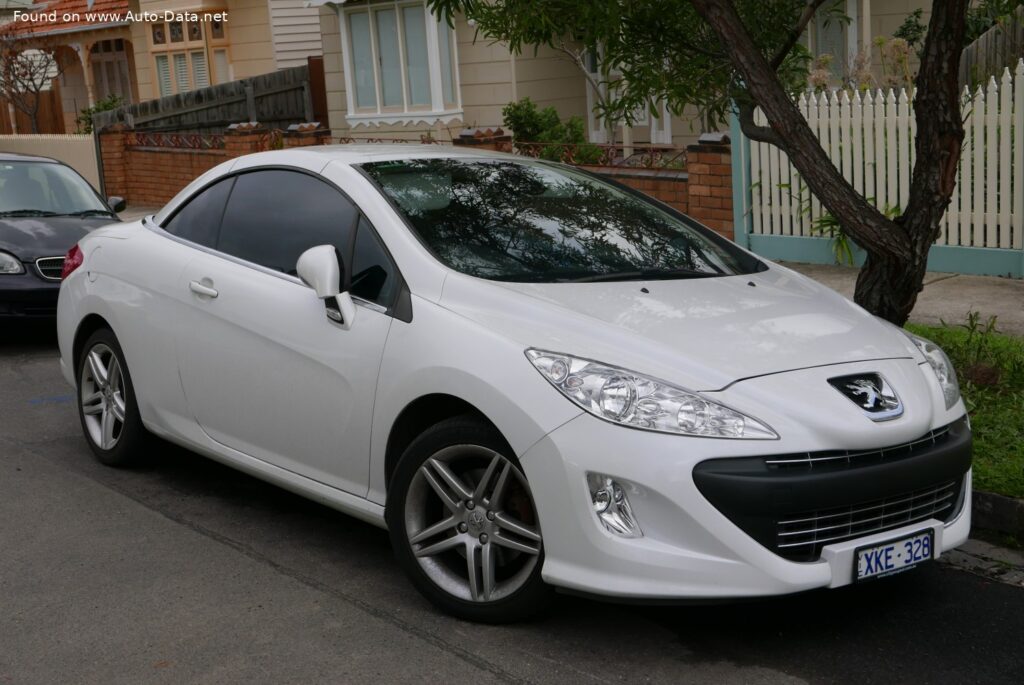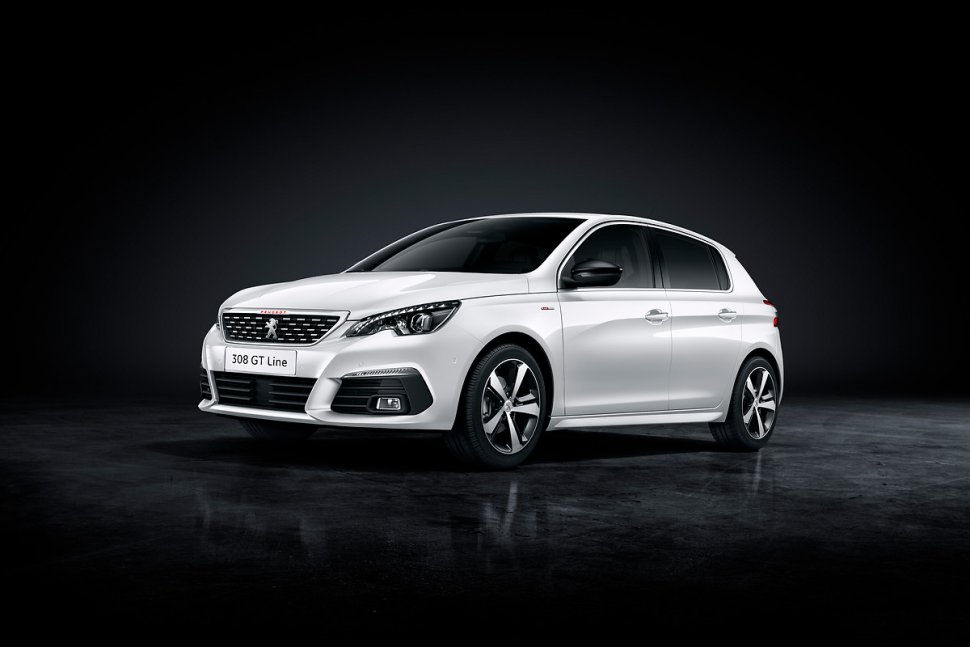
The Peugeot 308 II (Phase II), produced from 2017 to 2018, represents a mid-life refresh of the second-generation 308 compact hatchback. This model, specifically the 2.0 BlueHDi variant with 150 horsepower, was a key offering in Peugeot’s European lineup, designed to compete with vehicles like the Volkswagen Golf, Ford Focus, and Opel Astra. While not officially sold in the United States, the 308 exemplifies the European preference for efficient diesel engines and sophisticated styling in the C-segment. The Phase II update brought styling revisions, enhanced technology, and refinements to the already well-regarded 308 platform.
Peugeot 308 II (Phase II): A Refined Compact Hatchback
The 308 II, launched in 2013, marked a significant departure for Peugeot, embracing a more modern and sophisticated design language. The Phase II update, introduced in 2017, further refined this approach. The 2.0 BlueHDi 150 model was positioned as a balance between performance and fuel economy, appealing to drivers seeking a practical and efficient daily driver. The vehicle’s success in Europe stemmed from its combination of attractive styling, comfortable ride, and advanced features, all packaged in a relatively affordable vehicle.
Engine & Performance
The heart of the 2017 Peugeot 308 II 2.0 BlueHDi 150 is a 2.0-liter inline-four cylinder diesel engine, designated AHR DW10FD. This engine produces 150 horsepower at 4,000 rpm and a substantial 370 Nm (272.9 lb.-ft.) of torque at 2,000 rpm. The engine utilizes a turbocharger with an intercooler to enhance performance and efficiency. A diesel commonrail fuel injection system ensures precise fuel delivery. This powertrain configuration allows for a 0-100 km/h (0-62 mph) acceleration time of 8.9 seconds, and a 0-60 mph time of approximately 8.5 seconds, with a maximum speed of 213 km/h (132.35 mph). The engine’s power-to-weight ratio is 8.6 kg/Hp, and the torque-to-weight ratio is 3.5 kg/Nm. The engine meets Euro 6 emission standards, incorporating a particulate filter to reduce harmful emissions. Fuel economy is a strong point, achieving 3.9 l/100 km (60.3 US mpg) on a combined cycle, with 4.6 l/100 km (51.1 US mpg) in urban conditions and 3.5 l/100 km (67.2 US mpg) on the extra-urban cycle. CO2 emissions are rated at 102 g/km.
Design & Features
The 2017 Peugeot 308 II Phase II is a five-door hatchback, offering seating for five passengers. The exterior design features a distinctive front grille, sculpted headlights, and a sleek silhouette. The Phase II update included subtle styling changes to the front and rear fascias, enhancing the vehicle’s modern appearance. Inside, the 308 boasts a driver-focused cabin with Peugeot’s i-Cockpit design, characterized by a smaller steering wheel and a raised instrument cluster. This design aims to provide a more engaging driving experience. Standard features typically included air conditioning, power windows, central locking, and an audio system. Higher trim levels offered features such as navigation, a touchscreen infotainment system, automatic climate control, and parking sensors. Safety features included ABS (Anti-lock Braking System), electronic stability control, and multiple airbags. Trunk space is a practical 420 liters (14.83 cu. ft.) with the rear seats up, expanding to 1228 liters (43.37 cu. ft.) with the seats folded down. The vehicle’s dimensions are 4253 mm (167.44 in.) in length, 1804 mm (71.02 in.) in width, and 1457 mm (57.36 in.) in height.
Technical Specifications
| Brand | Peugeot |
| Model | 308 |
| Generation | 308 II (Phase II, 2017) |
| Type (Engine) | 2.0 BlueHDi (150 Hp) |
| Start of production | 2017 |
| End of production | 2018 |
| Powertrain Architecture | Internal Combustion engine |
| Body type | Hatchback |
| Seats | 5 |
| Doors | 5 |
| Fuel consumption (urban) | 4.6 l/100 km (51.1 US mpg) |
| Fuel consumption (extra urban) | 3.5 l/100 km (67.2 US mpg) |
| Fuel consumption (combined) | 3.9 l/100 km (60.3 US mpg) |
| CO2 emissions | 102 g/km |
| Fuel Type | Diesel |
| Acceleration 0 – 100 km/h | 8.9 sec |
| Acceleration 0 – 62 mph | 8.9 sec |
| Acceleration 0 – 60 mph | 8.5 sec |
| Maximum speed | 213 km/h (132.35 mph) |
| Emission standard | Euro 6 |
| Weight-to-power ratio | 8.6 kg/Hp |
| Weight-to-torque ratio | 3.5 kg/Nm |
| Power | 150 Hp @ 4000 rpm |
| Torque | 370 Nm @ 2000 rpm (272.9 lb.-ft. @ 2000 rpm) |
| Engine layout | Front, Transverse |
| Engine Model/Code | AHR DW10FD |
| Engine displacement | 1997 cm3 (121.86 cu. in.) |
| Number of cylinders | 4 |
| Engine configuration | Inline |
| Number of valves per cylinder | 4 |
| Fuel injection system | Diesel Commonrail |
| Engine aspiration | Turbocharger, Intercooler |
| Engine oil capacity | 6 l (6.34 US qt | 5.28 UK qt) |
| Coolant | 9 l (9.51 US qt | 7.92 UK qt) |
| Kerb Weight | 1290-1474 kg (2843.96 – 3249.61 lbs.) |
| Max. weight | 1870 kg (4122.64 lbs.) |
| Max load | 396-580 kg (873.03 – 1278.68 lbs.) |
| Trunk (boot) space – minimum | 420 l (14.83 cu. ft.) |
| Trunk (boot) space – maximum | 1228 l (43.37 cu. ft.) |
| Fuel tank capacity | 52.5 l (13.87 US gal | 11.55 UK gal) |
| Length | 4253 mm (167.44 in.) |
| Width | 1804 mm (71.02 in.) |
| Height | 1457 mm (57.36 in.) |
| Wheelbase | 2620 mm (103.15 in.) |
| Drive wheel | Front wheel drive |
| Number of gears | 6 gears, manual transmission |
The Peugeot 308 II Phase II 2.0 BlueHDi 150 represented a compelling option for European buyers seeking a stylish, efficient, and well-equipped compact hatchback. Its blend of diesel power, practical design, and advanced features solidified its position as a strong competitor in the crowded C-segment.