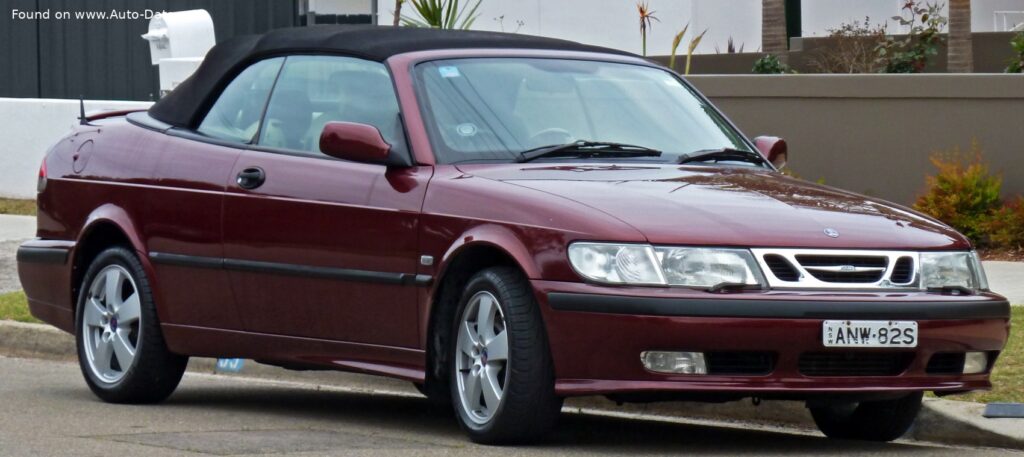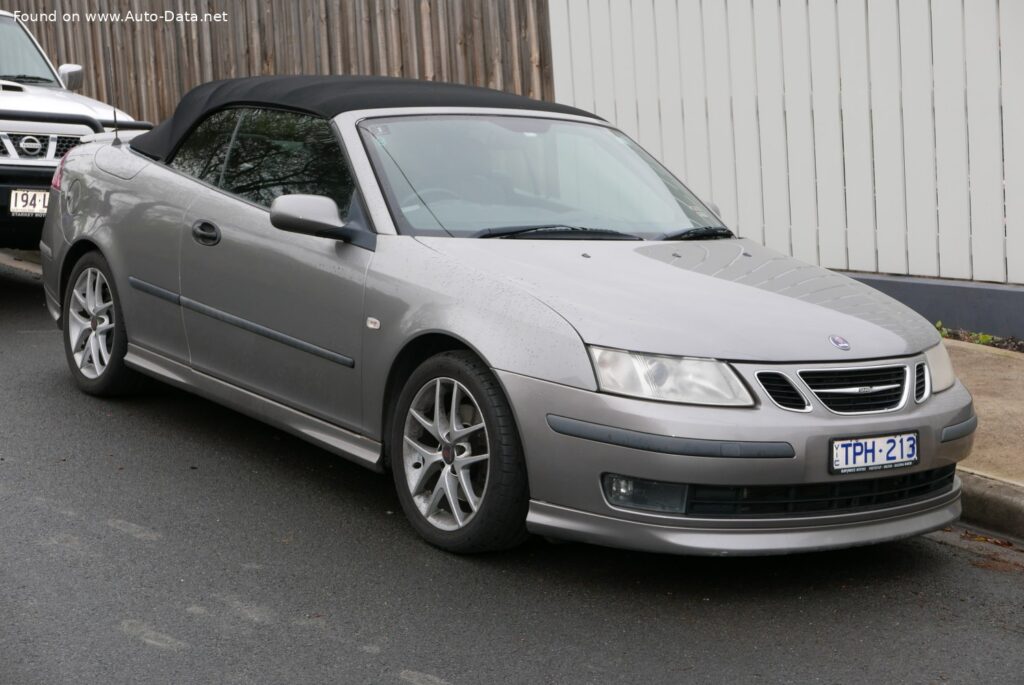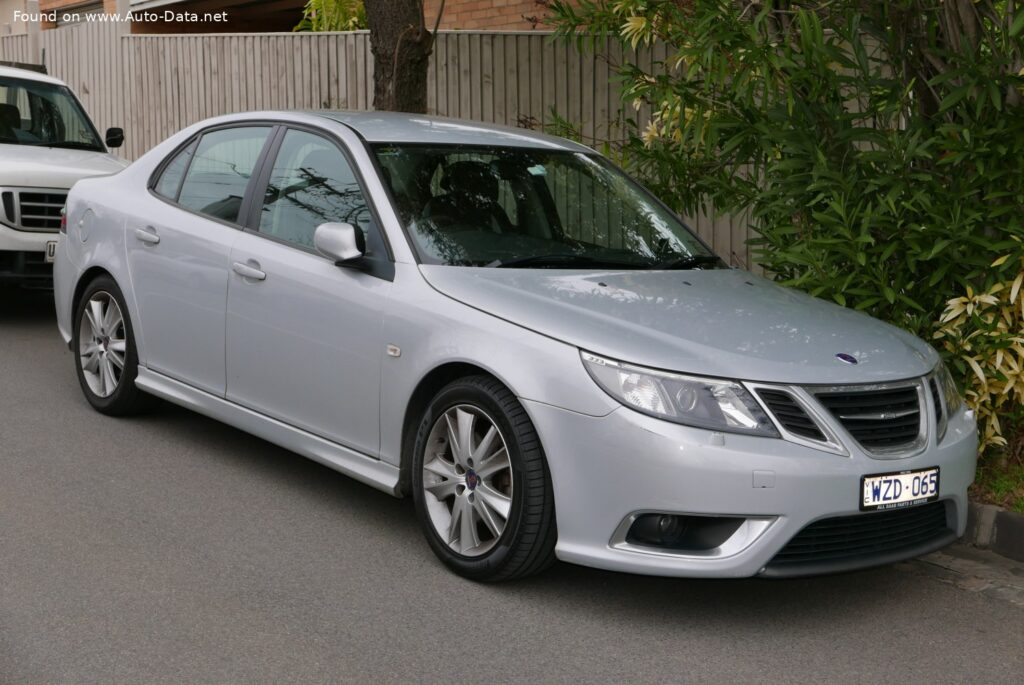
The Saab 9-3 Sedan II, particularly the facelifted version introduced in September 2007, represents a significant iteration of Saab’s compact executive car. Positioned as a competitor to vehicles like the BMW 3 Series, Audi A4, and Volvo S60, the 9-3 aimed to blend Scandinavian design with a focus on safety and driver engagement. This generation, produced through December 2010, offered a range of engine options, with the 1.9 TiD diesel variant – equipped with Saab’s Sentronic automatic transmission – being a popular choice in European markets. While Saab as a brand ultimately ceased production, the 9-3 remains a fondly remembered vehicle for its unique character and engineering.
Saab 9-3 Sedan II (2007-2010): A Detailed Overview
The 9-3 Sedan II facelift brought subtle but important changes to the original design launched in 2002. These updates included revised front and rear styling, interior enhancements, and improvements to the vehicle’s overall refinement. The 1.9 TiD model specifically catered to drivers seeking fuel efficiency and reasonable performance, making it a practical option for daily commuting and longer journeys. It’s important to note that Saab, being a relatively niche brand in the United States, primarily sold the 9-3 through a dedicated network of dealerships and focused on attracting customers who appreciated its distinctive qualities.
Engine & Performance
The heart of the 9-3 1.9 TiD is a 1.9-liter inline-four cylinder diesel engine, designated Z19DTH. This engine produces 150 horsepower at 4,000 rpm and a substantial 320 Nm (236.02 lb.-ft.) of torque between 2,000 and 2,750 rpm. The engine utilizes a turbocharger with an intercooler to enhance power output and efficiency. Fuel is delivered via a Diesel Commonrail injection system, contributing to smooth operation and reduced emissions. Paired with the Sentronic 6-speed automatic transmission, the 9-3 1.9 TiD achieves a 0-100 km/h (0-62 mph) acceleration time of 11 seconds, and a 0-60 mph time of 10.5 seconds. Its maximum speed is electronically limited to 210 km/h (130.49 mph). Fuel economy figures, measured using the NEDC standard, are rated at 6.6 l/100 km (35.6 US mpg) combined, with 9.4 l/100 km (25 US mpg) in urban conditions and 5.0 l/100 km (47 US mpg) on the open road. The engine also incorporates a particulate filter to minimize harmful emissions, meeting Euro 4 standards.
Design & Features
The Saab 9-3 Sedan II is a four-door, five-seat sedan characterized by its clean lines and understated elegance. The 2007 facelift brought a revised front grille, headlights, and bumper, giving the car a more contemporary appearance. Inside, the 9-3 offered a comfortable and well-appointed cabin, with a focus on ergonomics and driver comfort. Key features included a user-friendly infotainment system, climate control, and a range of safety equipment. Safety was a core tenet of Saab’s design philosophy, and the 9-3 included features like ABS (Anti-lock Braking System), ventilated disc brakes on all four wheels, and a robust chassis designed to protect occupants in the event of a collision. The trunk offers a practical 425 liters (15.01 cu. ft.) of storage space. The vehicle’s dimensions are 4647 mm (182.95 in.) in length, 1762 mm (69.37 in.) in width, and 1450 mm (57.09 in.) in height, with a wheelbase of 2675 mm (105.31 in.).
Technical Specifications
| Brand | Saab |
| Model | 9-3 |
| Generation | 9-3 Sedan II (facelift 2007) |
| Type (Engine) | 1.9 TiD (150 Hp) Sentronic |
| Start of production | September, 2007 |
| End of production | December, 2010 |
| Powertrain Architecture | Internal Combustion engine |
| Body type | Sedan |
| Seats | 5 |
| Doors | 4 |
| Fuel consumption (economy) – urban (NEDC) | 9.4 l/100 km (25 US mpg) |
| Fuel consumption (economy) – extra urban (NEDC) | 5 l/100 km (47 US mpg) |
| Fuel consumption (economy) – combined (NEDC) | 6.6 l/100 km (35.6 US mpg) |
| CO2 emissions (NEDC) | 177 g/km |
| Fuel Type | Diesel |
| Acceleration 0 – 100 km/h | 11 sec |
| Acceleration 0 – 62 mph | 11 sec |
| Acceleration 0 – 60 mph | 10.5 sec |
| Maximum speed | 210 km/h (130.49 mph) |
| Emission standard | Euro 4 |
| Weight-to-power ratio | 10.7 kg/Hp |
| Weight-to-torque ratio | 5 kg/Nm |
| Power | 150 Hp @ 4000 rpm |
| Torque | 320 Nm @ 2000-2750 rpm (236.02 lb.-ft.) |
| Engine layout | Front, Transverse |
| Engine Model/Code | Z19DTH |
| Engine displacement | 1910 cm3 (116.56 cu. in.) |
| Number of cylinders | 4 |
| Engine configuration | Inline |
| Cylinder Bore | 82 mm (3.23 in.) |
| Piston Stroke | 90.4 mm (3.56 in.) |
| Compression ratio | 17.5:1 |
| Number of valves per cylinder | 4 |
| Fuel injection system | Diesel Commonrail |
| Engine aspiration | Turbocharger, Intercooler |
| Valvetrain | DOHC |
| Engine oil capacity | 4.6 l (4.86 US qt | 4.05 UK qt) |
| Coolant | 7.4 l (7.82 US qt | 6.51 UK qt) |
| Kerb Weight | 1610 kg (3549.44 lbs.) |
| Max. weight | 2060 kg (4541.52 lbs.) |
| Max load | 450 kg (992.08 lbs.) |
| Trunk (boot) space – minimum | 425 l (15.01 cu. ft.) |
| Fuel tank capacity | 58 l (15.32 US gal | 12.76 UK gal) |
| Length | 4647 mm (182.95 in.) |
| Width | 1762 mm (69.37 in.) |
| Height | 1450 mm (57.09 in.) |
| Wheelbase | 2675 mm (105.31 in.) |
| Number of gears and type of gearbox | 6 gears, automatic transmission Sentronic |
The Saab 9-3 1.9 TiD Sentronic, while no longer in production, remains a compelling example of Scandinavian automotive engineering. Its blend of fuel efficiency, performance, and safety features continues to appeal to enthusiasts and those seeking a distinctive and well-built vehicle.