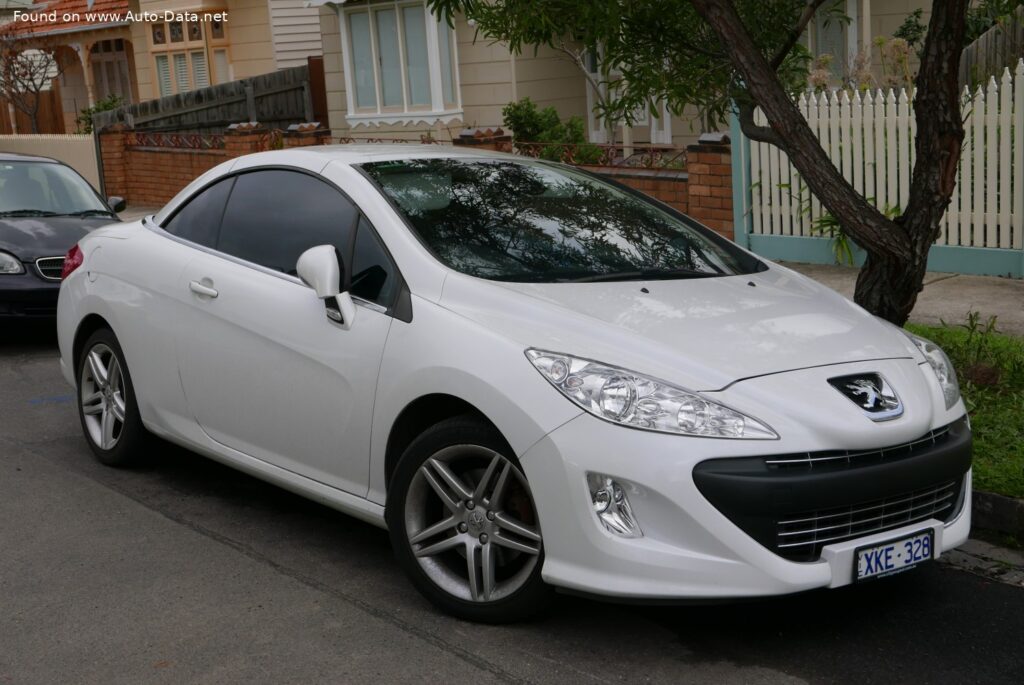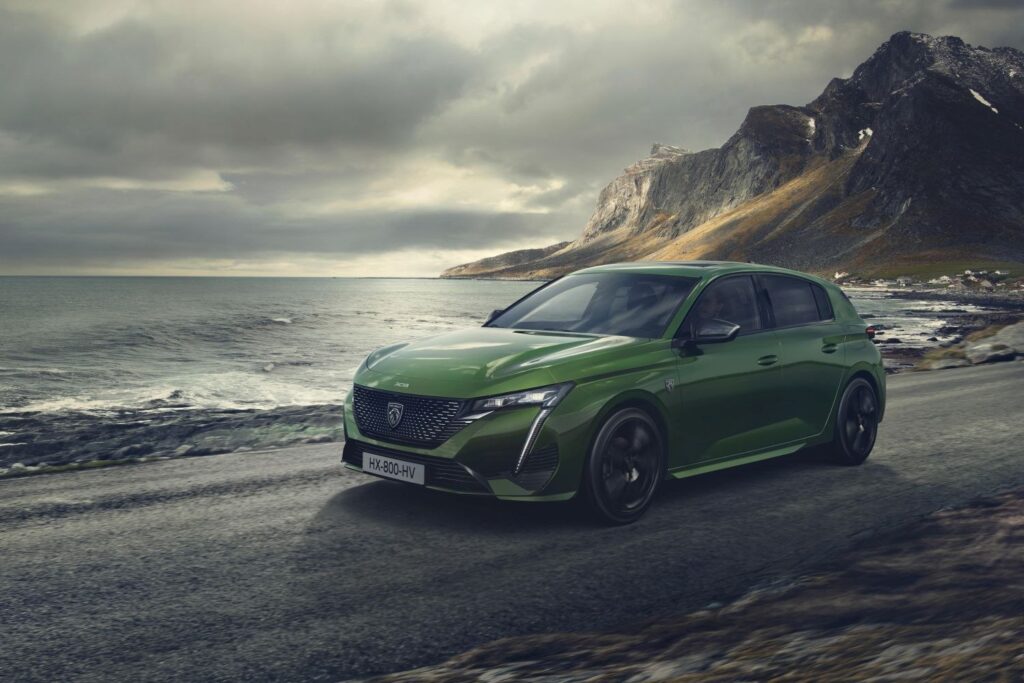
The Peugeot 308 III, launched in 2021 (Phase I), represents the third generation of Peugeot’s popular compact hatchback. Positioned within the highly competitive C-segment, the 308 aims to blend stylish design with efficient technology and a comfortable driving experience. This iteration marked a significant departure from its predecessors, incorporating a new platform, a redesigned interior, and a range of modern powertrains, including the 1.2-liter mild-hybrid variant detailed here. While the 308 has historically been a strong seller in Europe, it has had limited official sales in the United States, making it a relatively uncommon sight on American roads. This model year, specifically produced between March and August 2025, showcases Peugeot’s commitment to electrification and fuel efficiency within the compact class.
Peugeot 308 III (Phase I): A Detailed Overview
The third-generation 308 builds upon the success of previous models, offering a more refined and technologically advanced package. The Phase I models, produced in 2021, introduced a new design language for Peugeot, characterized by a bolder front grille, sleek LED headlights, and a more sculpted body shape. The interior received a complete overhaul, featuring Peugeot’s i-Cockpit design with a compact steering wheel and a high-mounted instrument cluster. The 1.2-liter mild-hybrid version, discussed in detail below, was introduced as part of Peugeot’s strategy to offer a wider range of electrified options to meet increasingly stringent emissions regulations.
Engine & Performance
The 2021 Peugeot 308 1.2 (145 Hp) Mild Hybrid e-DCS is powered by a 1.2-liter, three-cylinder turbocharged gasoline engine, designated EB2LTD, producing 136 horsepower at 5500 rpm. This engine benefits from direct fuel injection and an intercooler to optimize performance and efficiency. The “Mild Hybrid” designation indicates the presence of a 48-volt electrical system and a small electric motor integrated into the transmission. This system provides power assistance during acceleration and allows for regenerative braking, capturing energy that would otherwise be lost during deceleration. The combined system output reaches 145 horsepower. Torque is rated at 230 Nm (169.64 lb.-ft.) at 1750 rpm, providing ample low-end responsiveness. Power is delivered to the front wheels via a six-speed automatic transmission (e-DCS). Performance figures include a 0-100 km/h (0-62 mph) acceleration time of 9 seconds and a top speed of 210 km/h (130.49 mph). The engine’s power-to-weight ratio is 10 kg/Hp, and the torque-to-weight ratio is 6.3 kg/Nm.
Design & Features
The Peugeot 308 III is a five-door hatchback, offering a practical and versatile body style. The exterior design emphasizes a dynamic and modern aesthetic, with sharp lines and a sporty stance. Key features include full LED headlights, a distinctive front grille with the Peugeot emblem, and alloy wheel options ranging from 16 to 18 inches. Inside, the i-Cockpit interior design creates a unique driving experience. The compact steering wheel provides a more direct feel, while the high-mounted instrument cluster places essential information within the driver’s line of sight. The 308 also incorporates a large touchscreen infotainment system, offering connectivity features such as Apple CarPlay and Android Auto. Safety features are comprehensive, including ABS, electronic stability control, and a suite of driver-assistance systems. The trunk offers a minimum capacity of 412 liters (14.55 cu. ft.), providing ample space for luggage and cargo. The vehicle’s dimensions are 4367 mm (171.93 in.) in length, 1852 mm (72.91 in.) in width, and 1441 mm (56.73 in.) in height.
Technical Specifications
| Brand | Peugeot |
| Model | 308 |
| Generation | 308 III (Phase I, 2021) |
| Type (Engine) | 1.2 (145 Hp) Mild Hybrid e-DCS |
| Start of production | March, 2025 |
| End of production | August, 2025 |
| Powertrain Architecture | MHEV (Mild Hybrid Electric Vehicle) |
| Body type | Hatchback |
| Seats | 5 |
| Doors | 5 |
| Combined fuel consumption (WLTP) | 4.7-5.0 l/100 km (50 – 47 US mpg, 60.1 – 56.5 UK mpg, 21.3 – 20 km/l) |
| CO2 emissions (WLTP) | 106-112 g/km |
| Fuel Type | Petrol (Gasoline) |
| Acceleration 0 – 100 km/h | 9 sec |
| Acceleration 0 – 62 mph | 9 sec |
| Acceleration 0 – 60 mph | 8.6 sec |
| Maximum speed | 210 km/h (130.49 mph) |
| Emission standard | Euro 6e |
| Weight-to-power ratio | 10 kg/Hp |
| Weight-to-torque ratio | 6.3 kg/Nm |
| Battery voltage | 48 V |
| Battery technology | Lithium-ion (Li-Ion) |
| Battery location | Below the floor, under the front seats |
| System power | 145 Hp |
| Power | 136 Hp @ 5500 rpm |
| Torque | 230 Nm @ 1750 rpm (169.64 lb.-ft. @ 1750 rpm) |
| Engine layout | Front, Transverse |
| Engine Model/Code | EB2LTD |
| Engine displacement | 1199 cm3 (73.17 cu. in.) |
| Number of cylinders | 3 |
| Engine configuration | Inline |
| Number of valves per cylinder | 4 |
| Fuel injection system | Direct injection |
| Engine oil capacity | 3.5 l (3.7 US qt | 3.08 UK qt) |
| Kerb Weight | 1450 kg (3196.7 lbs.) |
| Max. weight | 1960 kg (4321.06 lbs.) |
| Max load | 510 kg (1124.36 lbs.) |
| Trunk (boot) space – minimum | 412 l (14.55 cu. ft.) |
| Permitted trailer load with brakes (12%) | 1150 kg (2535.32 lbs.) |
| Length | 4367 mm (171.93 in.) |
| Width | 1852 mm (72.91 in.) |
| Height | 1441 mm (56.73 in.) |
| Wheelbase | 2675 mm (105.31 in.) |
| Drive wheel | Front wheel drive |
| Number of gears and type of gearbox | 6 gears, automatic transmission e-DCS |
| Front suspension | Independent type McPherson |
| Rear suspension | Elastic beam |
| Front brakes | Ventilated discs |
| Rear brakes | Disc |