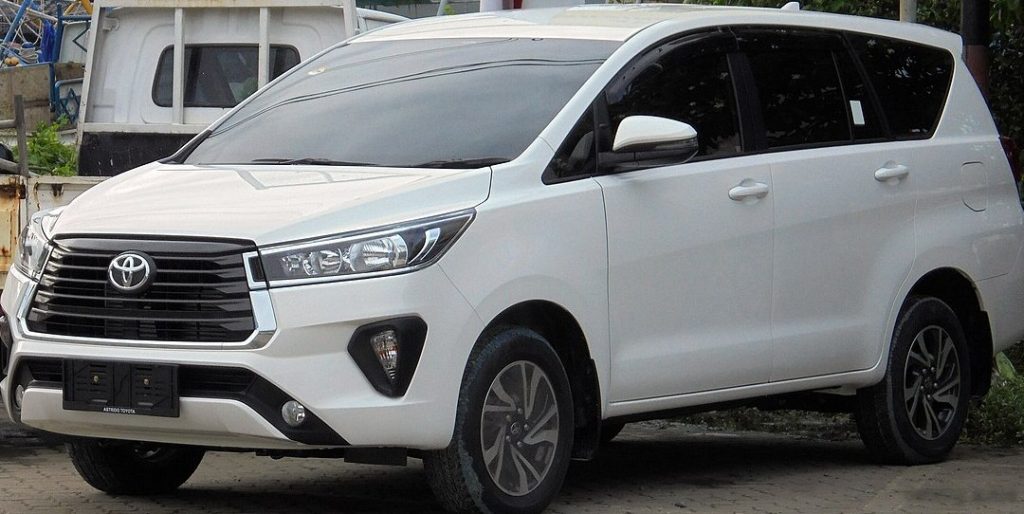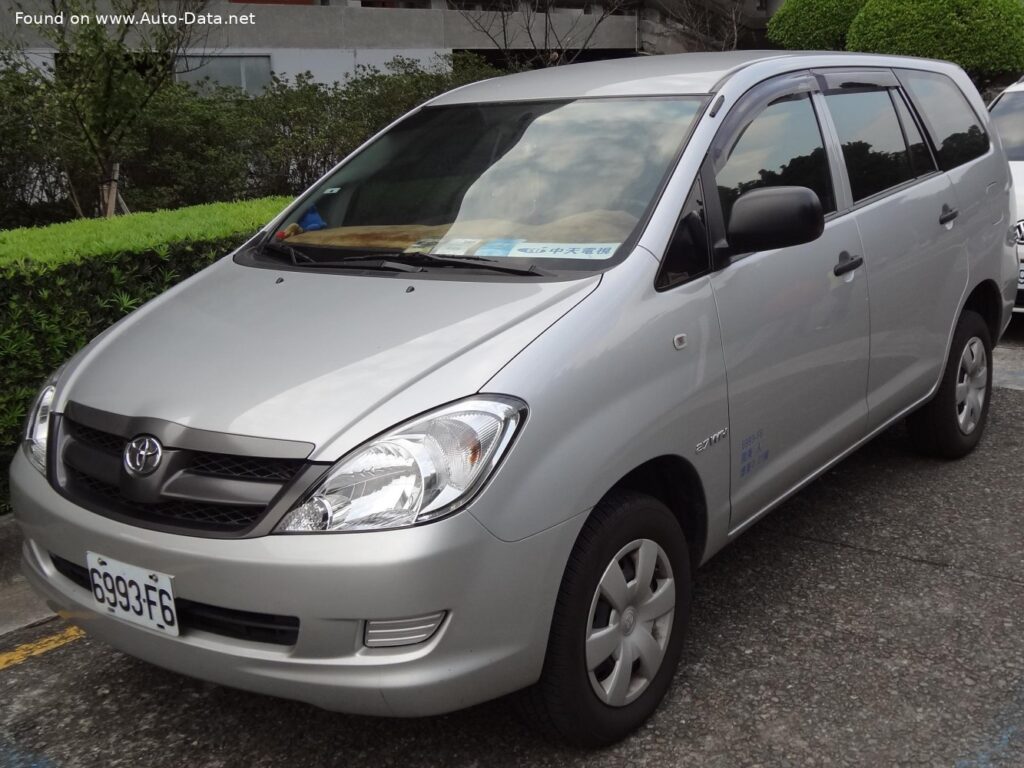
The Toyota Innova I 2.5 D-4D Automatic, produced between 2004 and 2008, represents Toyota’s entry into the mid-size Multi-Purpose Vehicle (MPV) segment, primarily targeted towards the Asian market. While not officially sold in the United States, the Innova gained significant popularity in countries like Indonesia, Thailand, and the Philippines, becoming a workhorse vehicle for families and commercial use due to its reliability, spaciousness, and relatively affordable price point. It filled a niche between smaller, more basic vans and larger, more expensive people carriers. The Innova I established a foundation for subsequent generations that continue to be sold globally.
Toyota Innova I 2.5 D-4D: An Overview
The first-generation Innova, designated as the Innova I, was a significant departure from previous Toyota MPV offerings in the region. It moved away from body-on-frame construction, adopting a more modern monocoque chassis for improved ride quality and handling. The 2.5 D-4D variant, equipped with a diesel engine and automatic transmission, was a popular choice, offering a balance of fuel efficiency and convenience. The vehicle was designed to cater to the needs of large families and businesses requiring a versatile and dependable vehicle.
Engine & Performance
The heart of the Innova I 2.5 D-4D is the 2KD-FTV 2.5-liter inline-four cylinder diesel engine. This engine produces 102 horsepower at 3600 rpm and 260 Newton-meters (191.77 lb.-ft.) of torque at 1600 rpm. While the horsepower figure might seem modest by modern standards, the engine’s strength lies in its low-end torque, making it well-suited for carrying passengers and cargo, even on challenging terrain. The engine features a turbocharger with an intercooler, enhancing power output and efficiency. Fuel is delivered via a diesel common rail injection system, contributing to smoother operation and reduced emissions for its time. The engine is longitudinally mounted at the front of the vehicle. Power is transmitted to the rear wheels through a four-speed automatic transmission. The weight-to-power ratio of 16.3 kg/Hp and weight-to-torque ratio of 6.4 kg/Nm indicate a vehicle prioritizing usability and load-carrying capacity over outright performance.
Design & Features
The Toyota Innova I boasts a practical and functional design. Its MPV body style provides ample interior space, accommodating up to six passengers comfortably across three rows of seating. The vehicle features five doors for easy access. The exterior styling is relatively conservative, prioritizing practicality over flamboyant aesthetics. Key features included air conditioning, power windows, and a basic audio system. Safety features, while limited by the standards of the early 2000s, included ventilated disc brakes at the front and disc brakes at the rear, providing adequate stopping power. The steering system utilizes a rack and pinion setup for responsive handling. The Innova I’s design focused on durability and ease of maintenance, making it a popular choice in regions with less-developed road infrastructure. The spacious interior and flexible seating arrangements were major selling points, catering to the needs of families and businesses alike.
Technical Specifications
| Brand | Toyota |
| Model | Innova |
| Generation | Innova I |
| Type (Engine) | 2.5 D-4D (102 Hp) Automatic |
| Start of production | 2004 |
| End of production | 2008 |
| Powertrain Architecture | Internal Combustion engine |
| Body type | MPV |
| Seats | 6 |
| Doors | 5 |
| Fuel Type | Diesel |
| Weight-to-power ratio | 16.3 kg/Hp |
| Weight-to-torque ratio | 6.4 kg/Nm |
| Power | 102 Hp @ 3600 rpm |
| Power per litre | 40.9 Hp/l |
| Torque | 260 Nm @ 1600 rpm / 191.77 lb.-ft. @ 1600 rpm |
| Engine layout | Front, Longitudinal |
| Engine Model/Code | 2KD-FTV |
| Engine displacement | 2494 cm3 / 152.19 cu. in. |
| Number of cylinders | 4 |
| Engine configuration | Inline |
| Cylinder Bore | 92 mm / 3.62 in. |
| Piston Stroke | 93.8 mm / 3.69 in. |
| Compression ratio | 18.5:1 |
| Number of valves per cylinder | 4 |
| Fuel injection system | Diesel Commonrail |
| Engine aspiration | Turbocharger, Intercooler |
| Valvetrain | DOHC |
| Engine oil capacity | 6.9 l / 7.29 US qt | 6.07 UK qt |
| Coolant | 8.2 l / 8.66 US qt | 7.21 UK qt |
| Kerb Weight | 1665 kg / 3670.7 lbs. |
| Fuel tank capacity | 55 l / 14.53 US gal | 12.1 UK gal |
| Length | 4555 mm / 179.33 in. |
| Width | 1770 mm / 69.69 in. |
| Height | 1750 mm / 68.9 in. |
| Wheelbase | 2750 mm / 108.27 in. |
| Drivetrain Architecture | Rear wheel drive. Internal Combustion engine (ICE) |
| Drive wheel | Rear wheel drive |
| Number of gears and type of gearbox | 4 gears, automatic transmission |
| Front brakes | Ventilated discs |
| Rear brakes | Disc |
| Steering type | Steering rack and pinion |
The Toyota Innova I 2.5 D-4D Automatic, while not a performance vehicle, established itself as a reliable and practical MPV in its target markets. Its combination of spaciousness, fuel efficiency, and durability made it a popular choice for families and businesses, cementing Toyota’s reputation for building dependable vehicles. The Innova’s success paved the way for subsequent generations, which have continued to evolve and improve upon the original’s strengths.