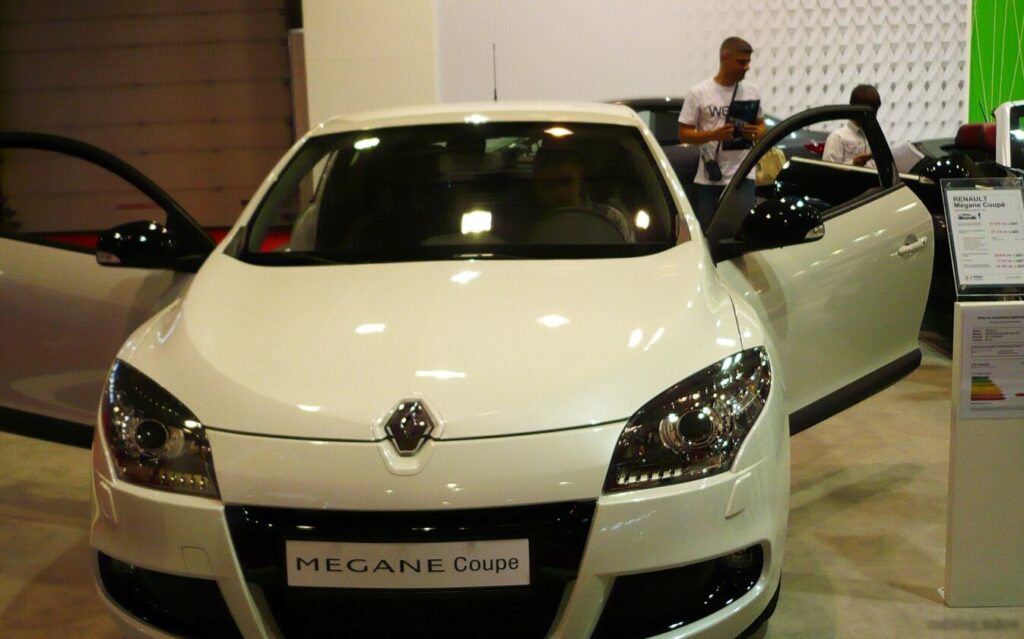
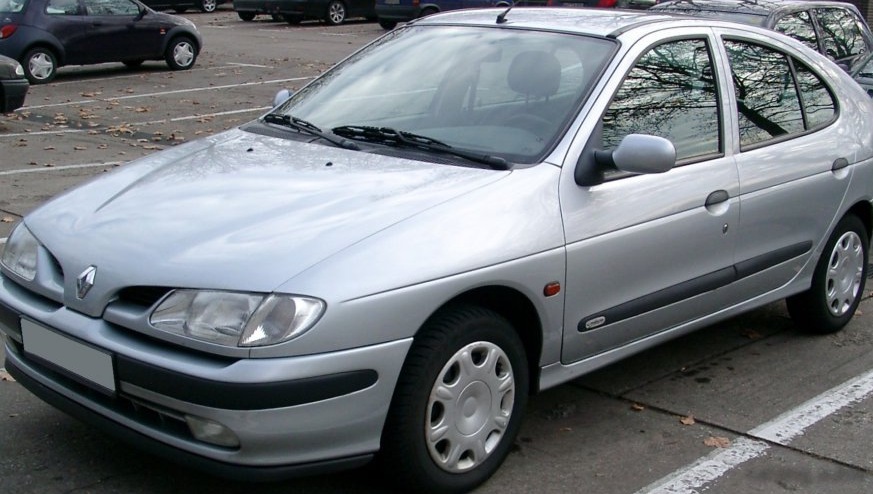
The Renault Megane IV (Phase II), specifically the Grandtour 1.6 E-TECH Plug-in Hybrid Multimode introduced in 2020, represents a significant step in Renault’s electrification strategy. This model, a station wagon (estate) body style, was primarily aimed at the European market, where compact family cars with enhanced fuel efficiency and reduced emissions are highly sought after. The Megane IV, launched in 2016, was a crucial model for Renault, offering a modern design, improved technology, and a wider range of powertrains. The Phase II update, beginning in 2020, brought styling revisions and, importantly, the introduction of the E-TECH plug-in hybrid option, catering to growing environmental concerns and increasingly stringent emissions regulations. The Grandtour variant provides the practicality of a wagon with the benefits of hybrid technology.
Renault Megane IV E-TECH: A Detailed Overview
The Megane IV Phase II E-TECH 1.6 is part of Renault’s broader initiative to offer electrified options across its model range. Unlike some manufacturers who initially focused on fully electric vehicles, Renault adopted a multi-pronged approach, including mild-hybrid, hybrid, and plug-in hybrid technologies. The E-TECH system, developed in-house, is designed to maximize electric driving range for daily commutes while retaining the flexibility of a gasoline engine for longer journeys. The Grandtour body style, popular in Europe, offers increased cargo capacity compared to the hatchback version, making it a practical choice for families and those requiring additional space.
Engine & Performance
The heart of the Megane IV Grandtour 1.6 E-TECH is a powertrain combining a 1.6-liter naturally aspirated four-cylinder gasoline engine with an electric motor. The gasoline engine produces 92 horsepower at 5600 rpm and 144 Nm (106.21 lb-ft) of torque at 3200 rpm. This engine is paired with two electric motors – a 67 horsepower electric motor integrated into the multimode automatic transmission, and a high-voltage starter-generator. The combined system output is 158 horsepower. This configuration allows for several driving modes, including a fully electric mode, a hybrid mode, and a sport mode. The electric motor provides instant torque, contributing to brisk acceleration. The 0-100 km/h (0-62 mph) sprint takes 9.8 seconds, while 0-60 mph is achieved in 9.3 seconds. The maximum speed is electronically limited to 183 km/h (113.71 mph). The E-TECH system prioritizes electric driving whenever possible, resulting in a combined fuel consumption of 1.3-1.6 l/100 km (180.9-147 US mpg) and CO2 emissions of 29-36 g/km (WLTP).
Design & Features
The Megane IV Grandtour maintains the sleek and modern design language introduced with the fourth generation. The Phase II update brought subtle styling changes, including revised headlights with LED technology, a larger Renault logo, and updated interior trim. As a station wagon, the Grandtour offers a practical and spacious interior. With the rear seats up, the trunk provides 389 liters (13.74 cu. ft.) of cargo space, expanding to 1372 liters (48.45 cu. ft.) with the seats folded down. The interior features a user-friendly infotainment system with a touchscreen display, digital instrument cluster, and various driver-assistance systems. Safety features include ABS, electronic stability control, and multiple airbags. The E-TECH model benefits from regenerative braking, which helps to recharge the battery and improve overall efficiency. The battery, with a gross capacity of 10.46 kWh and a usable capacity of 9.8 kWh, is located under the floor, minimizing intrusion into the passenger or cargo areas. The car offers an all-electric range of 50 km (31.07 miles) and can be charged via a standard charging port.
Technical Specifications
| General Information | |
| Brand | Renault |
| Model | Megane |
| Generation | Megane IV (Phase II, 2020) Grandtour |
| Type (Engine) | 1.6 E-TECH (158 Hp) Plug-in Hybrid Multimode |
| Start of production | April, 2020 |
| End of production | July, 2023 |
| Powertrain Architecture | PHEV (Plug-in Hybrid Electric Vehicle) |
| Body type | Station wagon (estate) |
| Seats | 5 |
| Doors | 5 |
| Performance Specs | |
| Combined fuel consumption (WLTP) | 1.3-1.6 l/100 km |
| CO2 emissions (WLTP) | 29-36 g/km |
| Fuel Type | Petrol / electricity |
| Acceleration 0 – 100 km/h | 9.8 sec |
| Acceleration 0 – 62 mph | 9.8 sec |
| Acceleration 0 – 60 mph | 9.3 sec |
| Maximum speed | 183 km/h (113.71 mph) |
| Emission standard | Euro 6d |
| Weight-to-power ratio | 9.7 kg/Hp |
| Weight-to-torque ratio | 10.6 kg/Nm |
| Electric/Hybrid Specs | |
| Gross battery capacity | 10.46 kWh |
| Net (usable) battery capacity | 9.8 kWh |
| Battery voltage | 346 V |
| Battery technology | Lithium-ion (Li-Ion) |
| Battery weight | 103 kg (227.08 lbs) |
| Battery location | Below the floor, under the rear seats |
| All-electric range (WLTP) | 50 km (31.07 mi) |
| Average Energy consumption | 13-15 kWh/100 km |
| Max speed (electric) | 135 km/h (83.89 mph) |
| Electric motor power | 67 Hp |
| Electric motor Torque | 205 Nm (151.2 lb.-ft.) |
| Engine Specs | |
| Power | 92 Hp @ 5600 rpm |
| Torque | 144 Nm @ 3200 rpm (106.21 lb.-ft. @ 3200 rpm) |
| Engine layout | Front, Transverse |
| Engine Model/Code | H4M 630 |
| Engine displacement | 1598 cm3 (97.52 cu. in.) |
| Number of cylinders | 4 |
| Engine configuration | Inline |
| Space, Volume & Weights | |
| Kerb Weight | 1528 kg (3368.66 lbs) |
| Max. weight | 2131 kg (4698.05 lbs) |
| Max load | 603 kg (1329.39 lbs) |
| Trunk (boot) space – minimum | 389 l (13.74 cu. ft.) |
| Trunk (boot) space – maximum | 1372 l (48.45 cu. ft.) |
| Fuel tank capacity | 39 l (10.3 US gal | 8.58 UK gal) |
| Dimensions | |
| Length | 4625 mm (182.09 in.) |
| Width | 1871 mm (73.66 in.) |
| Height | 1458 mm (57.4 in.) |
| Wheelbase | 2712 mm (106.77 in.) |
The Renault Megane IV Grandtour 1.6 E-TECH Plug-in Hybrid Multimode represents a compelling option for buyers seeking a practical, efficient, and environmentally conscious family car. Its combination of gasoline and electric power, coupled with the versatility of a station wagon body style, makes it a well-rounded vehicle for a variety of driving needs.