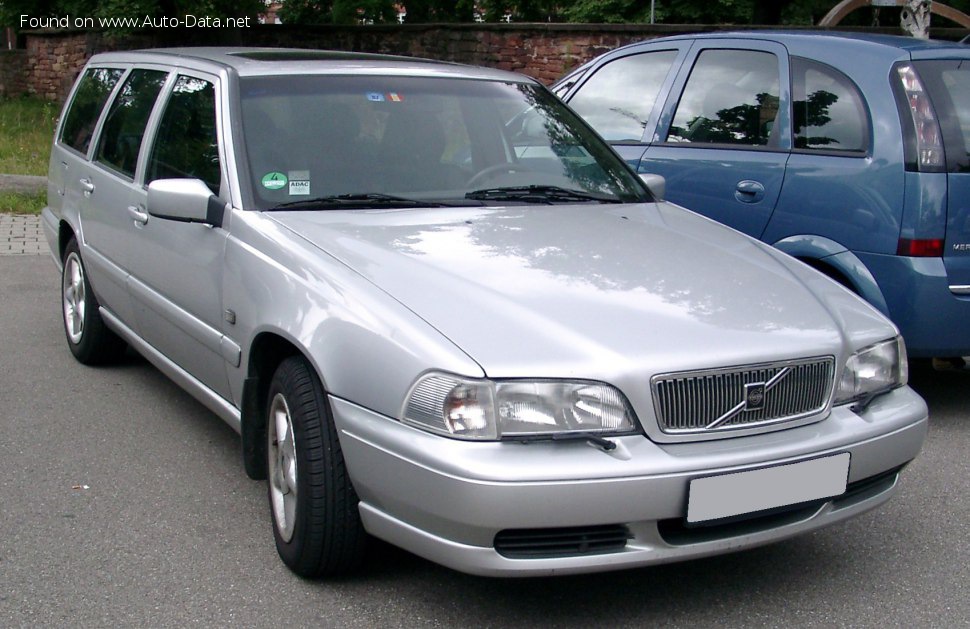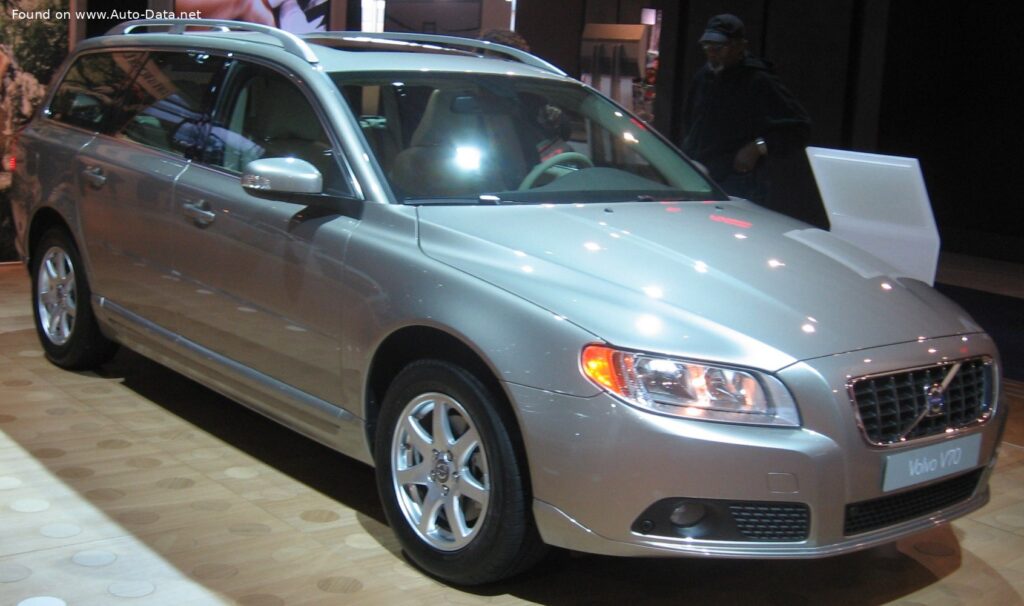
The Volvo V70 III 3.2 AWD Automatic, produced between 2011 and 2013, represents the third generation of Volvo’s popular station wagon, known as the V70. This model occupied the mid-size executive wagon segment, competing with vehicles like the Audi A6 Avant, BMW 5 Series Touring, and Mercedes-Benz E-Class Estate. While not officially sold in the United States during its production run, the V70 has always been a significant model for Volvo in Europe, renowned for its practicality, safety, and understated Scandinavian design. The “3.2” designation refers to the engine displacement, and the AWD indicates an all-wheel-drive system, enhancing traction and stability.
Volvo V70 III 3.2: A Detailed Overview
The V70 III continued Volvo’s tradition of building robust and versatile wagons. It built upon the success of its predecessors, offering a refined driving experience and a spacious interior. The third-generation V70 saw improvements in handling, comfort, and technology compared to earlier models. It was positioned as a premium offering, emphasizing quality and practicality over outright sportiness. The model’s focus was on providing a comfortable and safe environment for families and individuals who required a large, capable vehicle.
Engine & Performance
The heart of the V70 III 3.2 is a 3.2-liter inline-six cylinder engine, producing 243 horsepower at 6,400 rpm and 320 Nm (236.02 lb.-ft.) of torque at 3,180 rpm. This engine, designated B6324S5, features a turbocharger and intercooler, enhancing both power and efficiency. Power is delivered to all four wheels via a six-speed automatic transmission, providing smooth and responsive gear changes. The combination of the engine and drivetrain allows for a 0-60 mph (0-97 km/h) acceleration time of approximately 8.2 seconds, and a top speed of 230 km/h (142.92 mph). Fuel consumption is rated at 9.7 liters per 100 kilometers (24.2 US mpg), with CO2 emissions of 224 g/km. The engine’s transverse front-mounted layout contributes to a balanced weight distribution, improving handling characteristics.
Design & Features
The V70 III boasts the classic Volvo station wagon profile – long, sleek, and practical. Its exterior design is characterized by clean lines, a distinctive grille, and elegant proportions. The vehicle’s body is a five-door station wagon (estate) configuration, offering ample space for passengers and cargo. Inside, the V70 III provides a comfortable and well-appointed cabin with seating for five. Key features include a spacious trunk with a minimum capacity of 575 liters (20.31 cu. ft.), a comfortable ride, and a focus on safety. Volvo was, and remains, a leader in automotive safety, and the V70 III is equipped with a comprehensive suite of safety features, including ABS (Anti-lock Braking System) and numerous airbags. The interior is designed with a minimalist Scandinavian aesthetic, emphasizing functionality and comfort. The vehicle’s drag coefficient of 0.31 contributes to improved fuel efficiency and reduced wind noise.
Safety and Technology
The V70 III prioritized safety, a hallmark of the Volvo brand. Beyond the standard ABS, the vehicle incorporated advanced stability control systems and reinforced body structures to protect occupants in the event of a collision. The interior was designed to minimize injury risk, with energy-absorbing materials and strategically placed airbags. While not featuring the latest infotainment technology found in modern vehicles, the V70 III offered a respectable level of convenience features for its time, including a capable audio system and climate control. The focus remained on providing a safe, comfortable, and reliable driving experience.
Technical Specifications
| Brand | Volvo |
| Model | V70 |
| Generation | V70 III |
| Type (Engine) | 3.2 (243 Hp) AWD Automatic |
| Start of production | 2011 |
| End of production | 2013 |
| Powertrain Architecture | Internal Combustion engine |
| Body type | Station wagon (estate) |
| Seats | 5 |
| Doors | 5 |
| Fuel consumption (combined) | 9.7 l/100 km |
| Fuel consumption (US mpg) | 24.2 US mpg |
| Fuel consumption (UK mpg) | 29.1 UK mpg |
| Fuel consumption (km/l) | 10.3 km/l |
| CO2 emissions | 224 g/km |
| Fuel Type | Petrol (Gasoline) |
| Acceleration 0 – 100 km/h | 8.6 sec |
| Acceleration 0 – 62 mph | 8.6 sec |
| Acceleration 0 – 60 mph | 8.2 sec |
| Maximum speed | 230 km/h (142.92 mph) |
| Weight-to-power ratio | 7.4 kg/Hp |
| Weight-to-torque ratio | 5.6 kg/Nm |
| Power | 243 Hp @ 6400 rpm |
| Power per litre | 76.1 Hp/l |
| Torque | 320 Nm @ 3180 rpm (236.02 lb.-ft. @ 3180 rpm) |
| Maximum engine speed | 6500 rpm |
| Engine layout | Front, Transverse |
| Engine Model/Code | B6324S5 |
| Engine displacement | 3192 cm3 (194.79 cu. in.) |
| Number of cylinders | 6 |
| Engine configuration | Inline |
| Cylinder Bore | 84 mm (3.31 in.) |
| Piston Stroke | 96 mm (3.78 in.) |
| Compression ratio | 10.8:1 |
| Number of valves per cylinder | 4 |
| Engine aspiration | Turbocharger, Intercooler |
| Valvetrain | DOHC |
| Engine oil capacity | 6.8 l (7.19 US qt | 5.98 UK qt) |
| Coolant | 8.9 l (9.4 US qt | 7.83 UK qt) |
| Kerb Weight | 1806 kg (3981.55 lbs.) |
| Max. weight | 2410 kg (5313.14 lbs.) |
| Max load | 604 kg (1331.59 lbs.) |
| Trunk (boot) space – minimum | 575 l (20.31 cu. ft.) |
| Fuel tank capacity | 70 l (18.49 US gal | 15.4 UK gal) |
| Max. roof load | 100 kg (220.46 lbs.) |
| Permitted trailer load with brakes (12%) | 1800 kg (3968.32 lbs.) |
| Permitted trailer load without brakes | 750 kg (1653.47 lbs.) |
| Length | 4823 mm (189.88 in.) |
| Width with mirrors folded | 1907 mm (75.08 in.) |
| Width including mirrors | 2106 mm (82.91 in.) |
| Height | 1547 mm (60.91 in.) |
| Wheelbase | 2816 mm (110.87 in.) |
| Front track | 1588 mm (62.52 in.) |
| Rear (Back) track | 1586 mm (62.44 in.) |
| Ride height (ground clearance) | 151 mm (5.94 in.) |
| Drag coefficient (Cd) | 0.31 |
| Minimum turning circle (turning diameter) | 11.7 m (38.39 ft.) |
| Drive wheel | All wheel drive (4×4) |
| Number of gears and type of gearbox | 6 gears, automatic transmission |
| Front suspension | Independent, type McPherson with coil spring and anti-roll bar |
| Rear suspension | Independent coil spring |
| Front brakes | Ventilated discs |
| Rear brakes | Disc |