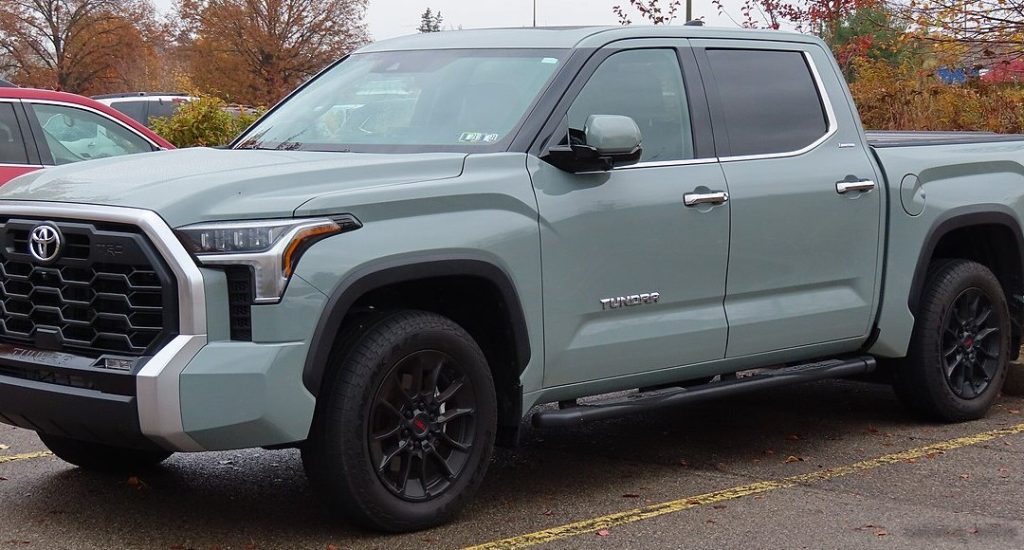
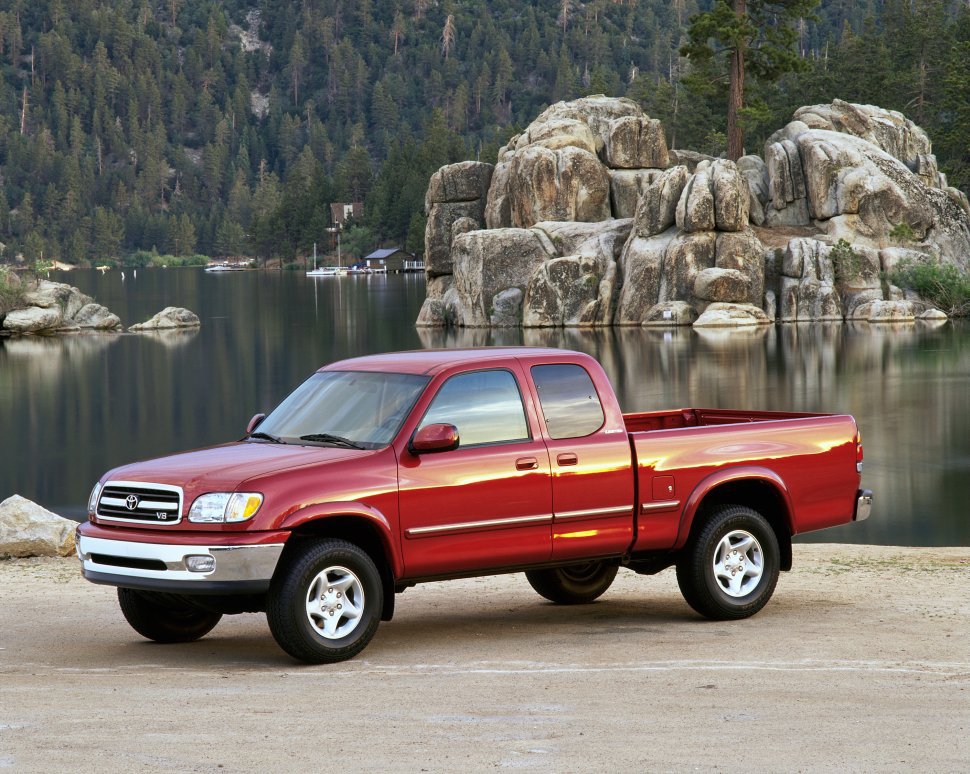
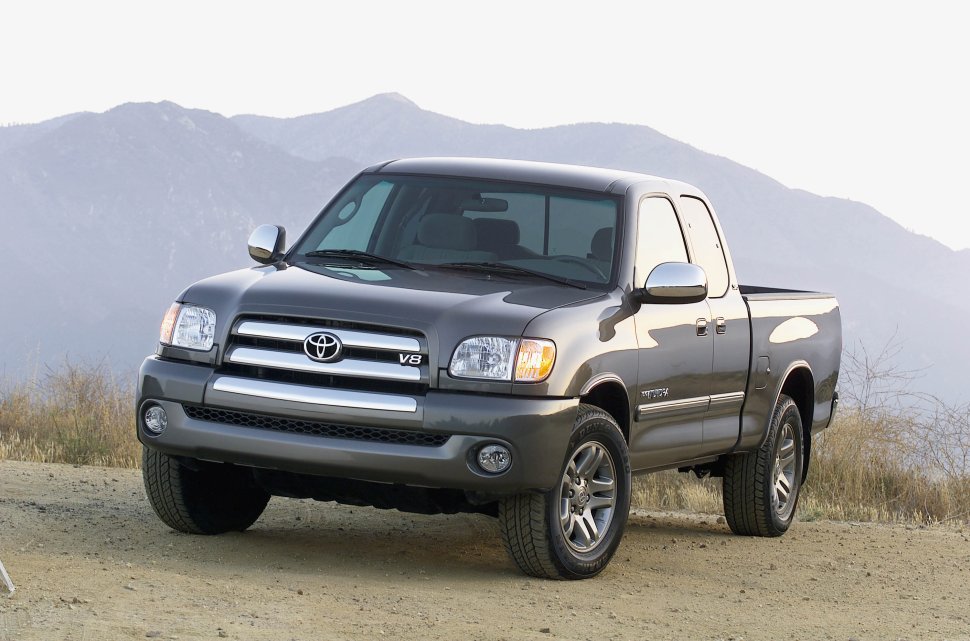
The Toyota Tundra II Double Cab (facelift 2010) represents Toyota’s second-generation full-size pickup truck, specifically a refreshed version released between 2009 and 2011. Designed primarily for the North American market, the Tundra aimed to challenge established domestic manufacturers like Ford, Chevrolet, and Dodge. This iteration of the Tundra offered a blend of capability, comfort, and reliability, appealing to buyers seeking a robust truck for both work and personal use. The Double Cab configuration provided increased passenger space, making it a versatile option for families and crews. The 2010 facelift brought minor cosmetic updates and refinements to the already well-regarded second-generation model.
Toyota Tundra II Double Cab: A Detailed Overview
The Tundra II, launched in 2007, was a significant departure from its predecessor, boasting a larger footprint and increased towing capacity. The 2010 facelift focused on enhancing the truck’s appeal through subtle styling changes and continued improvements to interior features. Positioned within the full-size pickup segment, the Tundra competed directly with the Ford F-150, Chevrolet Silverado, and Ram 1500. The Double Cab model, with its extended cab, offered a compelling alternative to standard cab configurations, providing more room for passengers without sacrificing bed length.
Engine & Performance
The 2010 Toyota Tundra Double Cab facelift equipped with the 4.0-liter V6 24V engine delivers 236 horsepower at 5200 rpm and 361 Nm (266.26 lb.-ft.) of torque at 4000 rpm. This naturally aspirated engine, designated the 1GR-FE, features a longitudinal front engine layout and multi-port fuel injection. The engine’s displacement of 3956 cm3 (241.41 cu. in.) and a compression ratio of 10:1 contribute to its balanced performance. Power per liter is rated at 59.7 Hp/l. The engine is paired with a 5-speed automatic transmission, channeling power to the rear wheels. The weight-to-power ratio stands at 9.5 kg/Hp, while the weight-to-torque ratio is 6.2 kg/Nm. Fuel economy is rated at 15.6 l/100 km (15.1 US mpg, 18.1 UK mpg) in urban driving and 12.3 l/100 km (19.1 US mpg, 23 UK mpg) in extra-urban conditions. While not the most fuel-efficient option in its class, the 4.0L V6 provided a solid balance of power and usability for everyday tasks.
Design & Features
The Toyota Tundra II Double Cab is a four-door pickup truck designed to accommodate five to six passengers. Its body-on-frame construction provides a robust platform for hauling and towing. The 2010 facelift included minor exterior tweaks, such as revised grille and headlight designs, but largely retained the truck’s bold and muscular aesthetic. The Double Cab configuration features a longer wheelbase (3700 mm / 145.67 in.) and overall length (5809 mm / 228.7 in.) compared to the standard cab models. Interior features focused on comfort and practicality, with available options including premium audio systems, leather upholstery, and power-adjustable seats. Safety features, while not as advanced as modern standards, included ABS (Anti-lock Braking System) and a robust chassis designed to protect occupants in the event of a collision. The truck’s ride height (ground clearance) of 259 mm (10.2 in.) provides ample ground clearance for off-road excursions. Approach and departure angles of 28° and 25° respectively, further enhance its off-road capability.
Technical Specifications
| Brand | Toyota |
| Model | Tundra |
| Generation | Tundra II Double Cab (facelift 2010) |
| Type (Engine) | 4.0 V6 24V (236 Hp) Automatic |
| Start of production | 2009 |
| End of production | 2011 |
| Powertrain Architecture | Internal Combustion engine |
| Body type | Pick-up |
| Seats | 5-6 |
| Doors | 4 |
| Fuel consumption (urban) | 15.6 l/100 km (15.1 US mpg, 18.1 UK mpg) |
| Fuel consumption (extra urban) | 12.3 l/100 km (19.1 US mpg, 23 UK mpg) |
| Fuel Type | Petrol (Gasoline) |
| Weight-to-power ratio | 9.5 kg/Hp |
| Weight-to-torque ratio | 6.2 kg/Nm |
| Power | 236 Hp @ 5200 rpm |
| Torque | 361 Nm @ 4000 rpm (266.26 lb.-ft. @ 4000 rpm) |
| Engine layout | Front, Longitudinal |
| Engine Model/Code | 1GR-FE |
| Engine displacement | 3956 cm3 (241.41 cu. in.) |
| Number of cylinders | 6 |
| Engine configuration | V-engine |
| Cylinder Bore | 94 mm (3.7 in.) |
| Piston Stroke | 95 mm (3.74 in.) |
| Compression ratio | 10:1 |
| Number of valves per cylinder | 4 |
| Fuel injection system | Multi-port manifold injection |
| Engine aspiration | Naturally aspirated engine |
| Valvetrain | DOHC |
| Engine oil capacity | 5.2 l (5.49 US qt | 4.58 UK qt) |
| Coolant capacity | 9.6 l (10.14 US qt | 8.45 UK qt) |
| Kerb Weight | 2245 kg (4949.38 lbs.) |
| Max. weight | 2903 kg (6400.02 lbs.) |
| Max load | 658 kg (1450.64 lbs.) |
| Fuel tank capacity | 100 l (26.42 US gal | 22 UK gal) |
| Permitted trailer load with brakes (12%) | 2177 kg (4799.46 lbs.) |
| Length | 5809 mm (228.7 in.) |
| Width | 2030 mm (79.92 in.) |
| Height | 1925 mm (75.79 in.) |
| Wheelbase | 3700 mm (145.67 in.) |
| Front track | 1725 mm (67.91 in.) |
| Rear track | 1725 mm (67.91 in.) |
| Ride height (ground clearance) | 259 mm (10.2 in.) |
| Minimum turning circle | 13.6 m (44.62 ft.) |
| Drivetrain Architecture | Rear wheel drive |
| Number of gears | 5 |
| Gearbox type | Automatic transmission |
| Front suspension | Double wishbone |
| Rear suspension | Leaf spring |
| Front brakes | Ventilated discs |
| Rear brakes | Drum |
| Steering type | Steering rack and pinion |
| Power steering | Hydraulic Steering |
| Tires size | 255/70 R18 |
| Wheel rims size | 8.0J x 18 |
The Toyota Tundra II Double Cab (facelift 2010) with the 4.0L V6 engine offered a compelling package for buyers seeking a reliable and capable full-size pickup. While it may not have been the most technologically advanced truck in its class, its proven durability and comfortable interior made it a popular choice in the North American market.