
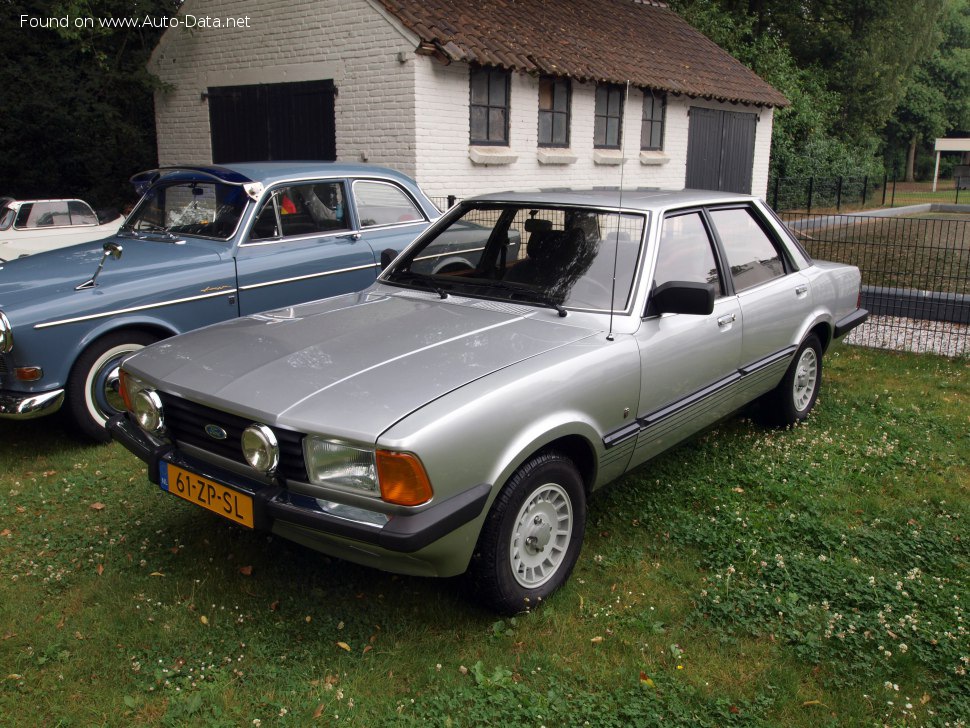
The Ford Taunus, specifically the GBTS, GBFS, and CBTS series with the 1.3-liter engine producing 55 horsepower, represents a significant chapter in Ford of Europe’s history. Produced between 1975 and 1979, this iteration of the Taunus was a mainstay of the mid-size family car segment in Europe, offering a practical and affordable transportation solution during a period of economic change. While never officially sold in the United States, understanding the Taunus provides insight into Ford’s global engineering and marketing strategies of the era, and how they catered to different regional demands. This model occupied a space between the smaller Escort and the larger Granada, aiming to provide a balance of comfort, economy, and space for families.
The Ford Taunus GBTS, GBFS, and CBTS: A European Family Sedan
The Taunus nameplate has a long and varied history within Ford Europe, dating back to the 1930s. However, the GBTS, GBFS, and CBTS series, introduced in 1975, represented a substantial redesign of the model. This generation aimed to modernize the Taunus, offering improved styling, comfort, and safety features compared to its predecessors. The “Taunus” designation itself originates from the Taunus mountain range in Germany, reflecting the car’s initial development and target market. These models were primarily sold in Germany, the United Kingdom, and other European countries, serving as a key competitor to vehicles like the Opel Ascona, Vauxhall Cavalier, and Renault 12. The GBTS, GBFS, and CBTS designations refer to variations within the series, often relating to trim levels and minor equipment differences.
Engine & Performance
The heart of the Taunus GBTS, GBFS, and CBTS 1.3 was a 1.3-liter, naturally aspirated inline-four cylinder gasoline engine. This engine produced 55 horsepower, which, while modest by modern standards, was considered adequate for the vehicle’s intended purpose – providing reliable and economical transportation. The engine utilized a conventional overhead valve (OHV) configuration and a single carburetor. Power was delivered to the rear wheels via a four-speed manual transmission, although a three-speed automatic transmission was also available as an option. Performance figures were not focused on speed; rather, the emphasis was on fuel efficiency and durability. Acceleration from 0 to 60 mph was estimated to be around 14-16 seconds, with a top speed of approximately 90 mph. The engine’s relatively small displacement and simple design contributed to its reliability and ease of maintenance, important factors for European buyers at the time. The 1.3-liter engine was chosen to appeal to buyers seeking lower running costs, particularly in countries with higher fuel taxes.
Design & Features
The 1975 Taunus featured a distinctively angular design, reflecting the styling trends of the mid-1970s. The sedan body style was the most common, offering a practical and spacious interior for families. The car’s exterior was characterized by a relatively long hood, a squared-off cabin, and a short rear deck. Chrome trim was used sparingly, giving the car a more modern and understated appearance. Inside, the Taunus offered a functional and comfortable cabin. The seats were typically upholstered in durable cloth, and the dashboard featured a straightforward layout with clearly marked gauges. Safety features, while limited by the standards of the time, included seat belts and a collapsible steering column. The Taunus also offered a reasonable amount of trunk space, making it suitable for carrying luggage or other cargo. Features like a radio and heated rear window were available as optional extras. The suspension system consisted of independent front suspension with MacPherson struts and a live rear axle with leaf springs, providing a comfortable ride quality. The steering was of the recirculating ball type, offering a relatively direct feel. The overall design philosophy prioritized practicality and affordability over luxury or sporting pretensions.
Market Context and Significance
The Ford Taunus GBTS, GBFS, and CBTS occupied a crucial position in Ford of Europe’s lineup. It was designed to appeal to a broad range of buyers, from families seeking a reliable and affordable car to individuals looking for a practical and economical commuter vehicle. The Taunus competed directly with other European mid-size sedans, such as the Opel Ascona, Vauxhall Cavalier, and Renault 12. Its success was based on its combination of practicality, affordability, and reliability. The Taunus also played a role in establishing Ford as a major player in the European automotive market. The car’s popularity helped to build Ford’s brand reputation and expand its customer base. While the Taunus was never sold in the United States, it represents an important part of Ford’s global history and demonstrates the company’s ability to adapt its products to different regional markets. The Taunus’s design and engineering influenced subsequent Ford models, and its legacy can still be seen in some of the company’s current offerings.
Technical Specifications
| Brand | Ford |
| Model | Taunus |
| Generation | Taunus (GBTS, GBFS, CBTS) |
| Type (Engine) | 1.3 (55 Hp) |
| Start of production | 1975 |
| End of production | 1979 |
| Powertrain Architecture | Internal Combustion engine |
| Body type | Sedan |
| Fuel Type | Petrol (Gasoline) |
| Power | 55 Hp |
| Engine aspiration | Naturally aspirated engine |
| Engine Displacement | 1.3 Liters |
| Number of Cylinders | 4 |
| Valves per Cylinder | 2 |
| Transmission | 4-speed Manual / 3-speed Automatic (Optional) |
| Drivetrain | Rear-Wheel Drive |
| Estimated 0-60 mph | 14-16 seconds |
| Estimated Top Speed | 90 mph |


