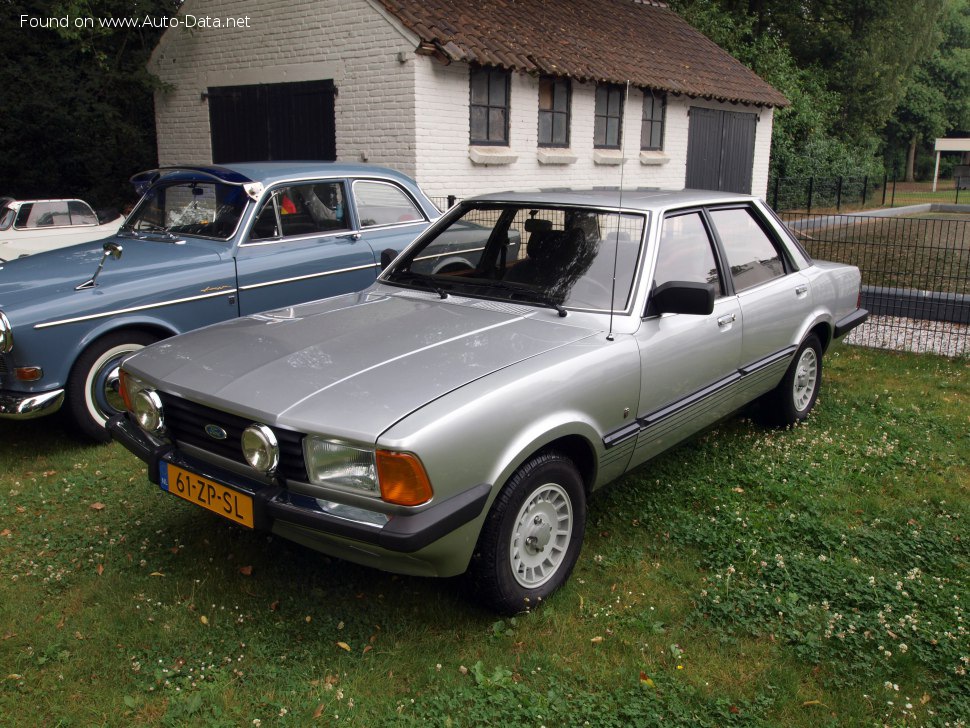
The Ford Taunus, specifically the GBTS, GBFS, and CBTS series produced between 1975 and 1979, represents a significant chapter in Ford of Europe’s history. This generation of the Taunus, a mid-size family car, was aimed squarely at the European market, competing with vehicles like the Opel Ascona and Volkswagen Passat. While not officially sold in the United States, understanding the Taunus provides insight into Ford’s global engineering and design philosophies during the 1970s. The 1.6-liter variant, producing 68 horsepower, was a common engine choice, offering a balance between affordability and reasonable performance for the era. This model aimed to provide practical transportation for families, emphasizing comfort and durability over outright sporting pretensions.
The Ford Taunus (GBTS, GBFS, CBTS): A European Family Sedan
The Taunus name has a long history within Ford Europe, dating back to the 1930s. However, the GBTS, GBFS, and CBTS series, introduced in 1975, marked a substantial redesign. This generation moved away from the more rounded styling of its predecessor, adopting a more angular and modern aesthetic influenced by contemporary American designs, though scaled down for European roads and preferences. The Taunus was built in Ford’s factories in Germany (hence the “G” in the model codes) and Belgium, serving as a key model in Ford’s European lineup. The model codes themselves – GBTS, GBFS, and CBTS – denote variations in trim level and specific features, with ‘TS’ generally indicating a higher trim level than ‘FS’.
Origins and Market Positioning
The Taunus was conceived as a direct competitor to other European family sedans. Ford of Europe sought to create a vehicle that offered a comfortable ride, reasonable fuel economy (important given the oil crises of the 1970s), and a practical interior. It was positioned as a step up from smaller, more basic Ford models like the Cortina, offering more space and refinement. The Taunus was not intended for the American market, which already had a well-established range of Ford sedans. However, the design and engineering principles employed in the Taunus influenced Ford’s global product development.
Engine & Performance
The 1.6-liter engine powering the Taunus GBTS, GBFS, and CBTS models was a naturally aspirated, inline-four cylinder petrol (gasoline) engine. Producing 68 horsepower, it wasn’t a powerhouse by modern standards, but it was adequate for the vehicle’s weight and intended purpose. The engine featured a single overhead camshaft (SOHC) design, a common configuration for the time, and utilized a carburetor for fuel delivery. While fuel injection was beginning to appear on some European cars, carburetors remained the dominant technology for this class of vehicle due to cost considerations.
Performance figures were modest. Acceleration from 0 to 60 mph (0 to 97 km/h) would have taken approximately 14-16 seconds, and top speed was around 90-95 mph (145-153 km/h). The Taunus wasn’t designed for speed, but rather for comfortable cruising and reliable transportation. The engine was paired with either a four-speed manual transmission or a three-speed automatic transmission, offering drivers a choice based on their preferences. The suspension system consisted of MacPherson struts at the front and a leaf spring rear suspension, a setup common for rear-wheel-drive cars of this era. This provided a reasonably comfortable ride, although it wasn’t as sophisticated as the independent suspension systems found on some more expensive vehicles.
Fuel Economy
Fuel economy was a significant concern during the 1970s, and the Taunus 1.6 offered a reasonable compromise. Depending on driving conditions and transmission choice, fuel consumption averaged around 28-32 mpg (miles per gallon) in combined driving. This was competitive with other vehicles in its class at the time, and it helped to make the Taunus an attractive option for families looking to minimize their fuel costs.
Design & Features
The Ford Taunus GBTS, GBFS, and CBTS series featured a traditional three-box sedan body style. The exterior design was characterized by its angular lines, prominent front grille, and relatively large windows. The overall aesthetic was intended to convey a sense of solidity and reliability. The car’s dimensions were typical for a mid-size family sedan of the era, offering ample space for passengers and luggage.
Inside, the Taunus offered a functional and comfortable interior. The seats were typically upholstered in cloth, and the dashboard featured a straightforward layout with clearly labeled controls. Features such as a radio, heater, and basic instrumentation were standard, while options included power steering, a sunroof, and upgraded upholstery. Safety features were relatively basic by modern standards, consisting primarily of seat belts and a collapsible steering column. However, these were significant improvements over earlier vehicles and reflected a growing awareness of vehicle safety.
The Taunus’s build quality was generally considered to be good, and the car was known for its durability. Ford had invested in modern manufacturing techniques to ensure that the Taunus was a reliable and long-lasting vehicle. The car’s relatively simple mechanical design also contributed to its reliability, making it easier to maintain and repair.
Technical Specifications
| Specification | Details |
| Brand | Ford |
| Model | Taunus |
| Generation | Taunus (GBTS, GBFS, CBTS) |
| Type (Engine) | 1.6 (68 Hp) |
| Start of Production | 1975 |
| End of Production | 1979 |
| Powertrain Architecture | Internal Combustion Engine |
| Body Type | Sedan |
| Fuel Type | Petrol (Gasoline) |
| Engine Power | 68 Hp |
| Engine Aspiration | Naturally Aspirated |
| Engine Displacement | 1.6 Liters |
| Cylinders | 4 |
| Valves per Cylinder | 2 |
| Fuel System | Carburetor |
| Transmission | 4-Speed Manual or 3-Speed Automatic |
| Drivetrain | Rear-Wheel Drive |
| Front Suspension | MacPherson Struts |
| Rear Suspension | Leaf Springs |
The Ford Taunus GBTS, GBFS, and CBTS series, while never officially sold in the United States, remains a noteworthy example of European automotive engineering from the 1970s. It represented Ford’s commitment to providing practical, reliable, and affordable transportation to families across Europe, and its design and features reflected the prevailing trends and priorities of the era. The Taunus’s legacy continues to be appreciated by classic car enthusiasts and serves as a reminder of Ford’s global reach and influence.