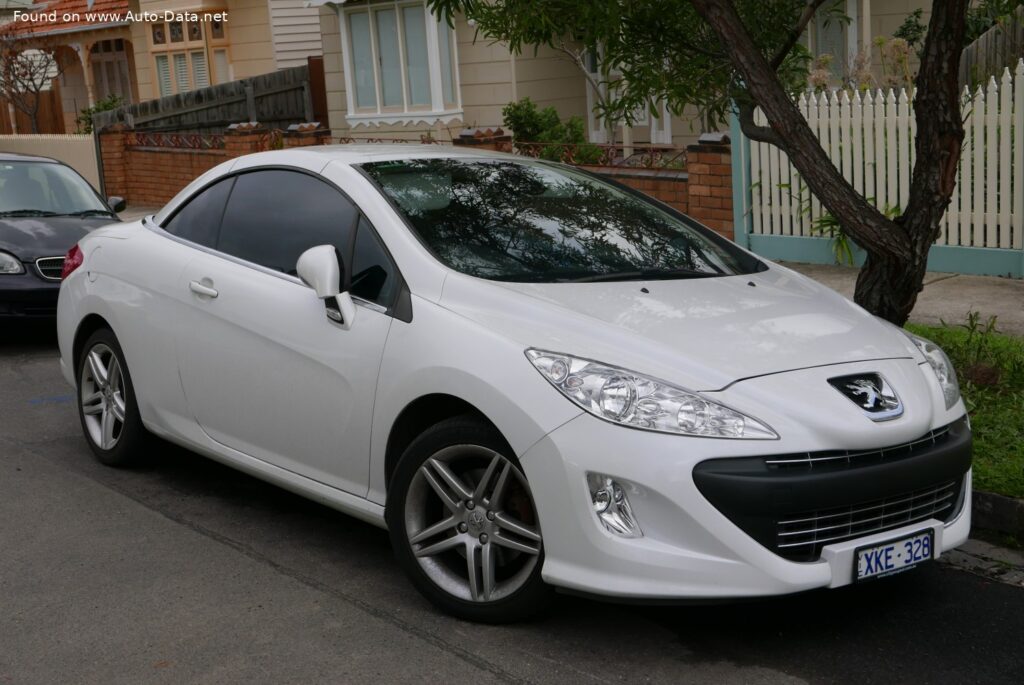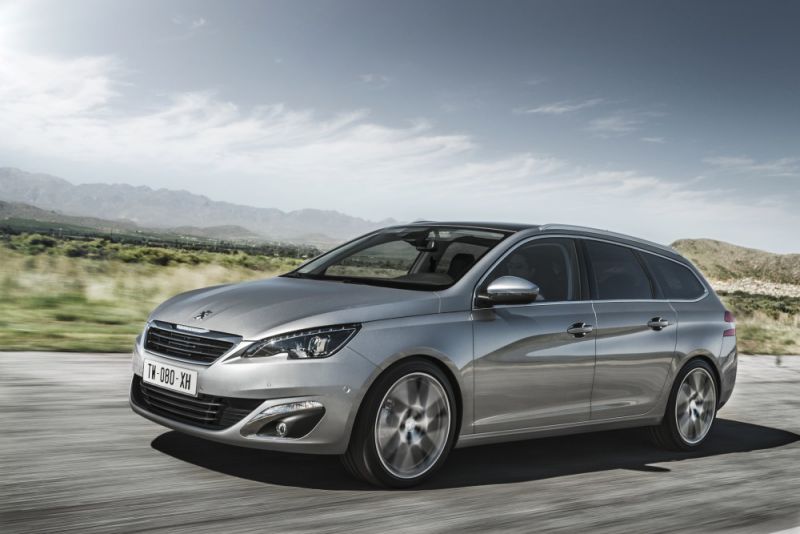
The Peugeot 308 SW II (Phase I), produced from 2013 to 2015, represents the second generation of Peugeot’s compact station wagon. Positioned within the competitive European C-segment, the 308 SW aimed to provide a practical and efficient family vehicle, blending Peugeot’s signature style with a focus on fuel economy and versatility. This particular variant, the 1.6 e-HDi, was a popular choice, offering a diesel powertrain designed to meet increasingly stringent European emissions standards. While not officially sold in the United States, the 308 SW and its hatchback counterpart were significant models for Peugeot in Europe, competing with vehicles like the Volkswagen Golf Estate and Ford Focus Wagon.
Peugeot 308 SW II (Phase I): A Detailed Overview
The 308 SW II marked a significant evolution for Peugeot’s compact offerings. The Phase I models, launched in 2013, introduced a new platform and a range of efficient engines, including the 1.6 e-HDi diesel. The “SW” designation signifies “Station Wagon,” highlighting the vehicle’s emphasis on cargo capacity and practicality. This generation of 308 aimed to appeal to buyers seeking a stylish and economical vehicle suitable for both daily commuting and family adventures.
Engine & Performance
The heart of the 308 SW II 1.6 e-HDi is a 1.6-liter inline four-cylinder diesel engine, designated the 9HC DV6C. This engine produces 115 horsepower at 3600 rpm and 270 Nm (199.14 lb.-ft.) of torque at 1750 rpm. The “e-HDi” designation indicates the inclusion of stop-start technology, further enhancing fuel efficiency. The engine utilizes a turbocharger and intercooler to optimize performance and efficiency. Power is delivered to the front wheels via a six-speed manual transmission. Performance figures include a 0-100 km/h (0-62 mph) acceleration time of 12.5 seconds and a maximum speed of 194 km/h (120.55 mph). The engine’s relatively high torque output, combined with the manual transmission, provides adequate performance for everyday driving and load-carrying. The engine’s power-to-weight ratio is 12.7 kg/Hp, and the torque-to-weight ratio is 5.4 kg/Nm.
Design & Features
The Peugeot 308 SW II Phase I is a five-door, five-seat station wagon (estate). Its exterior design reflects Peugeot’s contemporary styling cues, with a flowing silhouette and a distinctive front grille. The SW body style provides a generous cargo area, with a minimum capacity of 610 liters (21.54 cu. ft.) expanding to 1660 liters (58.62 cu. ft.) with the rear seats folded down. The vehicle’s dimensions are 4585 mm (180.51 in.) in length, 1863 mm (73.35 in.) in width, and 1461/1472 mm (57.52 in.) in height. The wheelbase measures 2730 mm (107.48 in.).
Inside, the 308 SW II features a driver-focused cabin with a compact steering wheel and a user-friendly dashboard layout. Standard features typically included air conditioning, power windows, and a basic audio system. Safety features, crucial for a family vehicle, included ABS (Anti-lock Braking System) and driver/passenger airbags. The Phase I models represented a step forward in interior quality and refinement compared to their predecessors. The kerb weight of the vehicle is 1455 kg (3207.73 lbs), with a maximum permissible weight of 1870 kg (4122.64 lbs).
Technical Specifications
| Brand | Peugeot |
| Model | 308 |
| Generation | 308 SW II (Phase I, 2013) |
| Type (Engine) | 1.6 e-HDi (115 Hp) |
| Start of production | 2013 |
| End of production | 2015 |
| Powertrain Architecture | Internal Combustion engine |
| Body type | Station wagon (estate) |
| Seats | 5 |
| Doors | 5 |
| Fuel consumption (urban) | 4.2 l/100 km (56 US mpg, 67.3 UK mpg, 23.8 km/l) |
| Fuel consumption (extra urban) | 3.3 l/100 km (71.3 US mpg, 85.6 UK mpg, 30.3 km/l) |
| Fuel consumption (combined) | 3.7 l/100 km (63.6 US mpg, 76.3 UK mpg, 27 km/l) |
| CO2 emissions | 95 g/km |
| Fuel Type | Diesel |
| Acceleration 0 – 100 km/h | 12.5 sec |
| Acceleration 0 – 62 mph | 12.5 sec |
| Acceleration 0 – 60 mph | 11.9 sec |
| Maximum speed | 194 km/h (120.55 mph) |
| Emission standard | Euro 6 |
| Weight-to-power ratio | 12.7 kg/Hp |
| Weight-to-torque ratio | 5.4 kg/Nm |
| Power | 115 Hp @ 3600 rpm |
| Torque | 270 Nm @ 1750 rpm (199.14 lb.-ft. @ 1750 rpm) |
| Engine layout | Front, Transverse |
| Engine Model/Code | 9HC DV6C |
| Engine displacement | 1560 cm3 (95.2 cu. in.) |
| Engine configuration | Inline |
| Fuel injection system | Diesel Commonrail |
| Engine aspiration | Turbocharger, Intercooler |
| Engine oil capacity | 3.75 l (3.96 US qt | 3.3 UK qt) |
| Kerb Weight | 1455 kg (3207.73 lbs) |
| Max. weight | 1870 kg (4122.64 lbs) |
| Max load | 415 kg (914.92 lbs) |
| Trunk (boot) space – minimum | 610 l (21.54 cu. ft.) |
| Trunk (boot) space – maximum | 1660 l (58.62 cu. ft.) |
| Fuel tank capacity | 53 l (14 US gal | 11.66 UK gal) |
| Length | 4585 mm (180.51 in.) |
| Width | 1863 mm (73.35 in.) |
| Height | 1461/1472 mm (57.52 in.) |
| Wheelbase | 2730 mm (107.48 in.) |
| Tires size | 205/55 R16 |
| Number of gears and type of gearbox | 6 gears, manual transmission |
The Peugeot 308 SW II 1.6 e-HDi represented a compelling option for European buyers seeking a practical, efficient, and stylish station wagon. Its combination of a fuel-efficient diesel engine, generous cargo space, and comfortable interior made it a popular choice in the competitive C-segment.