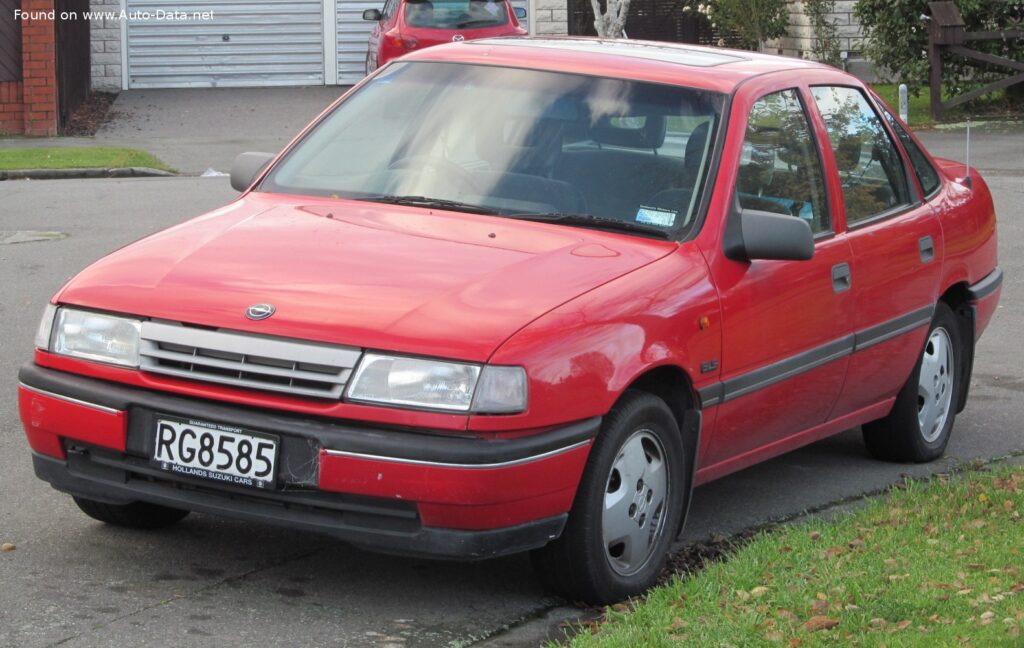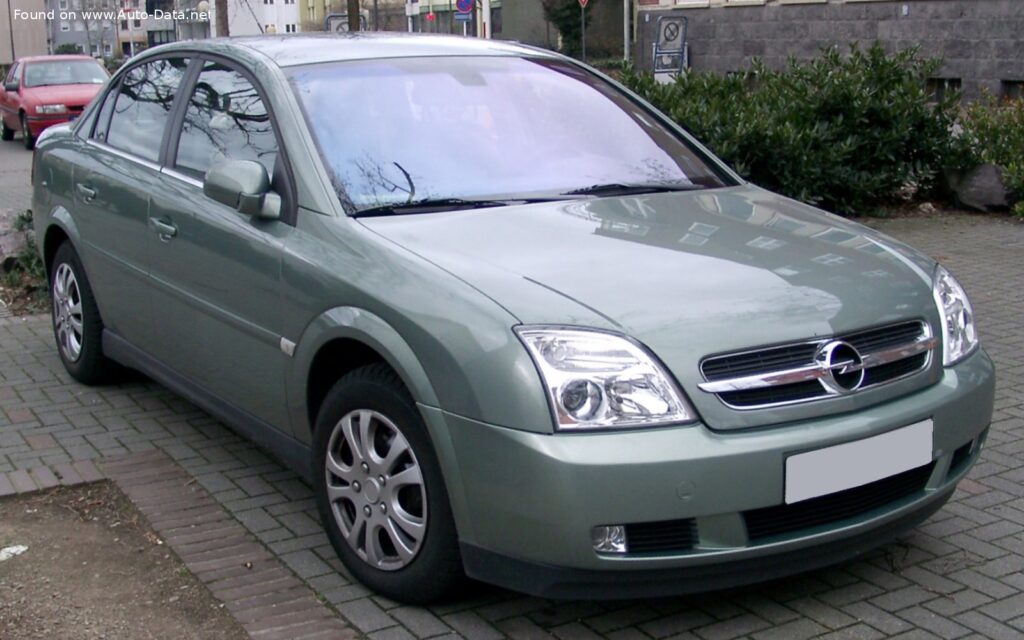
The Opel Vectra C 1.9 CDTI, produced from 2004 to 2005, represents a significant iteration in Opel’s mid-size family car lineage. As part of the Vectra C generation (2002-2008), this model aimed to provide a balance of practicality, comfort, and efficiency for European drivers. While not officially sold in the United States, the Vectra C was a popular choice in Europe as a competitor to vehicles like the Ford Mondeo, Volkswagen Passat, and Peugeot 406. The 1.9 CDTI variant, equipped with a turbocharged diesel engine, focused on fuel economy and torque, making it suitable for long-distance travel and everyday commuting.
Opel Vectra C 1.9 CDTI: An Overview
The Vectra C was Opel’s attempt to modernize its offering in the competitive D-segment (mid-size car). It featured a more contemporary design compared to its predecessor, the Vectra B, and incorporated advancements in safety and technology. The 1.9 CDTI model specifically targeted buyers seeking a diesel engine for its fuel efficiency and lower running costs. This engine was a key component of Opel’s strategy to offer a diverse powertrain lineup, catering to various customer preferences. The Vectra C, in general, was known for its spacious interior and comfortable ride, making it a practical choice for families.
Engine & Performance
The heart of the Vectra C 1.9 CDTI is its 1.9-liter, inline-four cylinder diesel engine, designated the Z19DT. This engine produces 120 horsepower at 3,500 rpm and a substantial 280 Nm (206.52 lb.-ft.) of torque between 2,000 and 2,750 rpm. The engine utilizes a turbocharger with an intercooler to enhance performance and efficiency. A diesel commonrail fuel injection system ensures precise fuel delivery, contributing to both power output and reduced emissions. The engine’s transverse mounting and front-wheel-drive configuration are typical for European compact and mid-size vehicles. Performance figures include a 0-100 km/h (0-62 mph) acceleration time of 11.5 seconds and a maximum speed of 200 km/h (124.27 mph). The weight-to-power ratio of 12.7 kg/Hp and weight-to-torque ratio of 5.4 kg/Nm demonstrate a good balance between engine output and vehicle mass. The 6-speed manual transmission allows for efficient power delivery and driver control.
Design & Features
The Opel Vectra C 1.9 CDTI is a four-door sedan with a traditional three-box design. Its styling was considered modern for its time, featuring a relatively streamlined silhouette and a focus on aerodynamic efficiency. The interior prioritized practicality and comfort, offering seating for five passengers. Key features included a spacious trunk with a minimum capacity of 500 liters (17.66 cu. ft.) expandable to 1050 liters (37.08 cu. ft.) with the rear seats folded down. Safety features, while not as comprehensive as modern vehicles, included an Anti-lock Braking System (ABS). The suspension system, consisting of a spring strut front setup and a multi-link rear arrangement, aimed to provide a comfortable ride and stable handling. The vehicle’s dimensions – 4596 mm (180.94 in.) in length, 1798 mm (70.79 in.) in width, and 1460 mm (57.48 in.) in height – positioned it squarely within the mid-size sedan category.
Technical Specifications
| Brand | Opel |
| Model | Vectra |
| Generation | Vectra C |
| Type (Engine) | 1.9 CDTI (120 Hp) |
| Start of production | January, 2004 |
| End of production | 2005 |
| Powertrain Architecture | Internal Combustion engine |
| Body type | Sedan |
| Seats | 5 |
| Doors | 4 |
| Fuel consumption (urban) | 7.5 l/100 km (31.4 US mpg) |
| Fuel consumption (extra urban) | 4.7 l/100 km (50 US mpg) |
| Fuel consumption (combined) | 5.7 l/100 km (41.3 US mpg) |
| Fuel Type | Diesel |
| Acceleration 0 – 100 km/h | 11.5 sec |
| Acceleration 0 – 62 mph | 11.5 sec |
| Acceleration 0 – 60 mph | 10.9 sec |
| Maximum speed | 200 km/h (124.27 mph) |
| Weight-to-power ratio | 12.7 kg/Hp |
| Weight-to-torque ratio | 5.4 kg/Nm |
| Power | 120 Hp @ 3500 rpm |
| Torque | 280 Nm @ 2000-2750 rpm (206.52 lb.-ft.) |
| Engine layout | Front, Transverse |
| Engine Model/Code | Z19DT |
| Engine displacement | 1910 cm3 (116.56 cu. in.) |
| Number of cylinders | 4 |
| Engine configuration | Inline |
| Cylinder Bore | 82 mm (3.23 in.) |
| Piston Stroke | 90.4 mm (3.56 in.) |
| Compression ratio | 18:1 |
| Number of valves per cylinder | 2 |
| Fuel injection system | Diesel Commonrail |
| Engine aspiration | Turbocharger, Intercooler |
| Valvetrain | OHC |
| Engine oil capacity | 4.3 l (4.54 US qt | 3.78 UK qt) |
| Coolant | 7 l (7.4 US qt | 6.16 UK qt) |
| Kerb Weight | 1523 kg (3357.64 lbs.) |
| Max. weight | 2010 kg (4431.29 lbs.) |
| Max load | 487 kg (1073.65 lbs.) |
| Trunk (boot) space – minimum | 500 l (17.66 cu. ft.) |
| Trunk (boot) space – maximum | 1050 l (37.08 cu. ft.) |
| Fuel tank capacity | 61 l (16.11 US gal | 13.42 UK gal) |
| Length | 4596 mm (180.94 in.) |
| Width | 1798 mm (70.79 in.) |
| Height | 1460 mm (57.48 in.) |
| Wheelbase | 2700 mm (106.3 in.) |
| Front track | 1535 mm (60.43 in.) |
| Rear track | 1525 mm (60.04 in.) |
| Drivetrain Architecture | Front wheel drive |
| Number of gears | 6 gears, manual transmission |
| Front suspension | Spring Strut |
| Rear suspension | Several levers and rods |
| Front brakes | Ventilated discs |
| Rear brakes | Disc |
| Assisting systems | ABS (Anti-lock braking system) |
| Steering type | Steering rack and pinion |
| Tires size | 195/65 R15 |
| Wheel rims size | 6.5J x 15 |
The Opel Vectra C 1.9 CDTI, while not a performance icon, offered a compelling package of practicality, fuel efficiency, and comfort for European drivers in the early 2000s. Its diesel engine provided ample torque for everyday driving and long journeys, while its spacious interior and reasonable features made it a popular choice in the competitive mid-size segment.