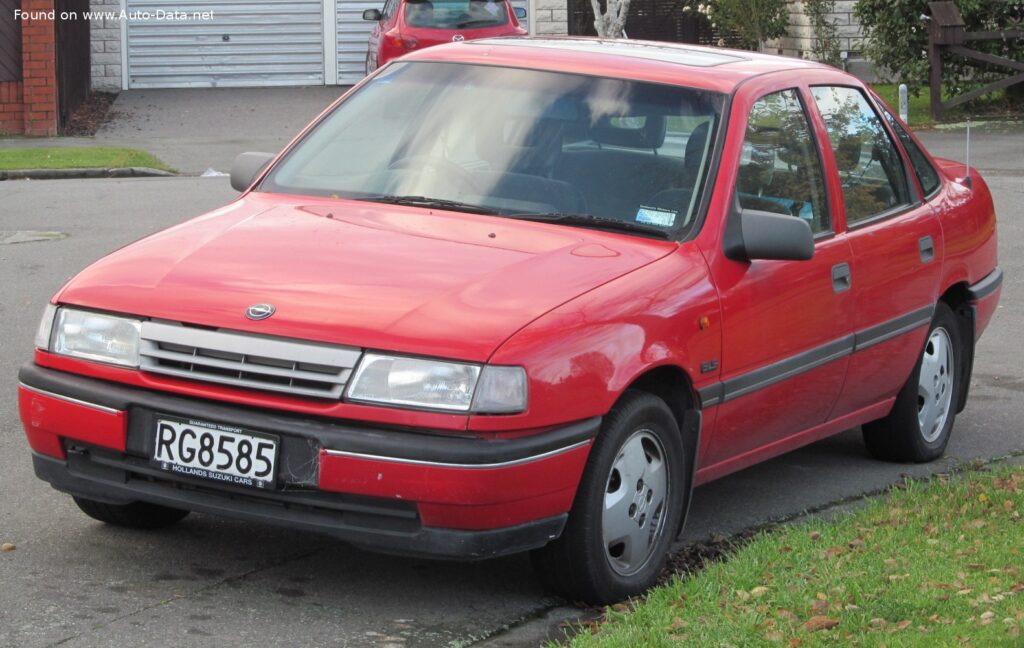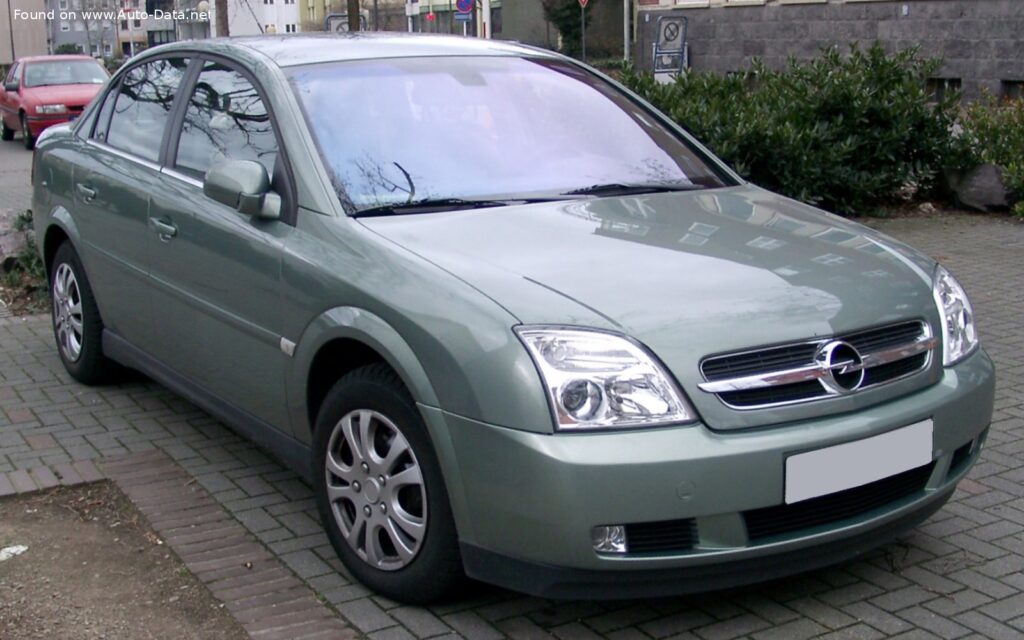
The Opel Vectra C 2.0 DTI represents a significant iteration in Opel’s mid-size family car lineage. Produced between 2002 and 2008, the Vectra C aimed to modernize the brand’s offering in a highly competitive segment dominated by the Ford Mondeo, Volkswagen Passat, and Peugeot 406. This particular variant, the 2.0 DTI, was available from July 2004 to November 2004, and was primarily marketed in Europe as a fuel-efficient and practical sedan. While not officially sold in the United States, understanding the Vectra C provides insight into the engineering and design philosophies prevalent in the European automotive market during the early 2000s. It served as a key model for Opel, offering a blend of comfort, technology, and affordability.
Opel Vectra C 2.0 DTI: An Overview
The Vectra C was the third generation of the Vectra, succeeding the Vectra B. It represented a substantial departure from its predecessor, featuring a more aerodynamic design and a significantly upgraded interior. The 2.0 DTI model specifically targeted buyers seeking a diesel engine for its fuel economy and torque characteristics. This model was offered as a four-door sedan, catering to families and individuals needing a practical and reliable vehicle. The Vectra C, in general, was positioned as a mainstream competitor, offering a good balance of features and price, rather than focusing on outright luxury or performance.
Engine & Performance
The heart of the Vectra C 2.0 DTI is a 1.994-liter (121.68 cubic inches) inline-four cylinder diesel engine, designated the Y20DTH. This engine utilizes direct fuel injection and a turbocharger with an intercooler to produce 100 horsepower at 4000 rpm and 230 Nm (169.64 lb.-ft.) of torque at 1500 rpm. The engine’s relatively high compression ratio of 18.5:1 is typical for diesel engines, contributing to its efficiency. Power is delivered to the front wheels via a five-speed manual transmission. Performance figures include a 0-100 km/h (0-62 mph) acceleration time of 13 seconds and a maximum speed of 192 km/h (119.3 mph). The weight-to-power ratio of 15 kg/Hp and weight-to-torque ratio of 6.5 kg/Nm indicate a focus on usable performance rather than outright speed. The engine’s design prioritized fuel efficiency, achieving combined fuel consumption of 5.9 l/100 km (39.9 US mpg, 47.9 UK mpg).
Design & Features
The Opel Vectra C 2.0 DTI is a traditional four-door sedan with a relatively conservative design. The exterior styling aimed for a modern and aerodynamic appearance, featuring rounded edges and a sloping roofline. Inside, the Vectra C offered a comfortable and functional cabin with seating for five passengers. Key features included standard ABS (Anti-lock Braking System) for enhanced safety, electric power steering for ease of maneuverability, and a reasonably sized trunk with a capacity of 500 liters (17.66 cubic feet). The interior materials were typical for the segment, focusing on durability and practicality. While not brimming with cutting-edge technology by today’s standards, the Vectra C offered a solid level of equipment for its time, including features like power windows and central locking. The suspension utilized a spring strut setup at the front and a multi-link system at the rear, aiming to provide a comfortable ride and stable handling.
Technical Specifications
| Brand | Opel |
| Model | Vectra |
| Generation | Vectra C |
| Type (Engine) | 2.0 DTI (100 Hp) |
| Start of production | July, 2004 |
| End of production | November, 2004 |
| Powertrain Architecture | Internal Combustion engine |
| Body type | Sedan |
| Seats | 5 |
| Doors | 4 |
| Fuel consumption (urban) | 6.5 l/100 km (36.2 US mpg, 43.5 UK mpg) |
| Fuel consumption (extra urban) | 4.5 l/100 km (52.3 US mpg, 62.8 UK mpg) |
| Fuel consumption (combined) | 5.9 l/100 km (39.9 US mpg, 47.9 UK mpg) |
| Fuel Type | Diesel |
| Acceleration 0 – 100 km/h | 13 sec |
| Acceleration 0 – 62 mph | 13 sec |
| Acceleration 0 – 60 mph | 12.4 sec |
| Maximum speed | 192 km/h (119.3 mph) |
| Weight-to-power ratio | 15 kg/Hp |
| Weight-to-torque ratio | 6.5 kg/Nm |
| Power | 100 Hp @ 4000 rpm |
| Torque | 230 Nm @ 1500 rpm (169.64 lb.-ft. @ 1500 rpm) |
| Engine layout | Front, Transverse |
| Engine Model/Code | Y20DTH |
| Engine displacement | 1994 cm3 (121.68 cu. in.) |
| Number of cylinders | 4 |
| Engine configuration | Inline |
| Cylinder Bore | 84 mm (3.31 in.) |
| Piston Stroke | 90 mm (3.54 in.) |
| Compression ratio | 18.5:1 |
| Number of valves per cylinder | 4 |
| Fuel injection system | Direct injection |
| Engine aspiration | Turbocharger, Intercooler |
| Valvetrain | DOHC |
| Engine oil capacity | 3.5 l (3.7 US qt | 3.08 UK qt) |
| Coolant | 8.2 l (8.66 US qt | 7.21 UK qt) |
| Kerb Weight | 1503 kg (3313.55 lbs.) |
| Max. weight | 1985 kg (4376.18 lbs.) |
| Max load | 482 kg (1062.63 lbs.) |
| Trunk (boot) space – maximum | 500 l (17.66 cu. ft.) |
| Fuel tank capacity | 61 l (16.11 US gal | 13.42 UK gal) |
| Length | 4596 mm (180.94 in.) |
| Width | 1798 mm (70.79 in.) |
| Height | 1460 mm (57.48 in.) |
| Wheelbase | 2700 mm (106.3 in.) |
| Front track | 1535 mm (60.43 in.) |
| Rear (Back) track | 1525 mm (60.04 in.) |
| Drivetrain Architecture | Front wheel drive |
| Number of gears and type of gearbox | 5 gears, manual transmission |
| Front suspension | Spring Strut |
| Rear suspension | Several levers and rods |
| Front brakes | Ventilated discs |
| Rear brakes | Disc |
| Assisting systems | ABS (Anti-lock braking system) |
| Steering type | Steering rack and pinion |
| Power steering | Electric Steering |
| Tires size | 195/65 R15 |
| Wheel rims size | 6.5J x 15 |
The Opel Vectra C 2.0 DTI, while not a performance icon, represented a solid and practical choice for European buyers seeking a fuel-efficient and reliable family sedan. Its blend of comfort, features, and affordability made it a competitive player in a crowded market segment. Although never officially available in the US, it exemplifies the engineering and design priorities of European automakers during the early 2000s.