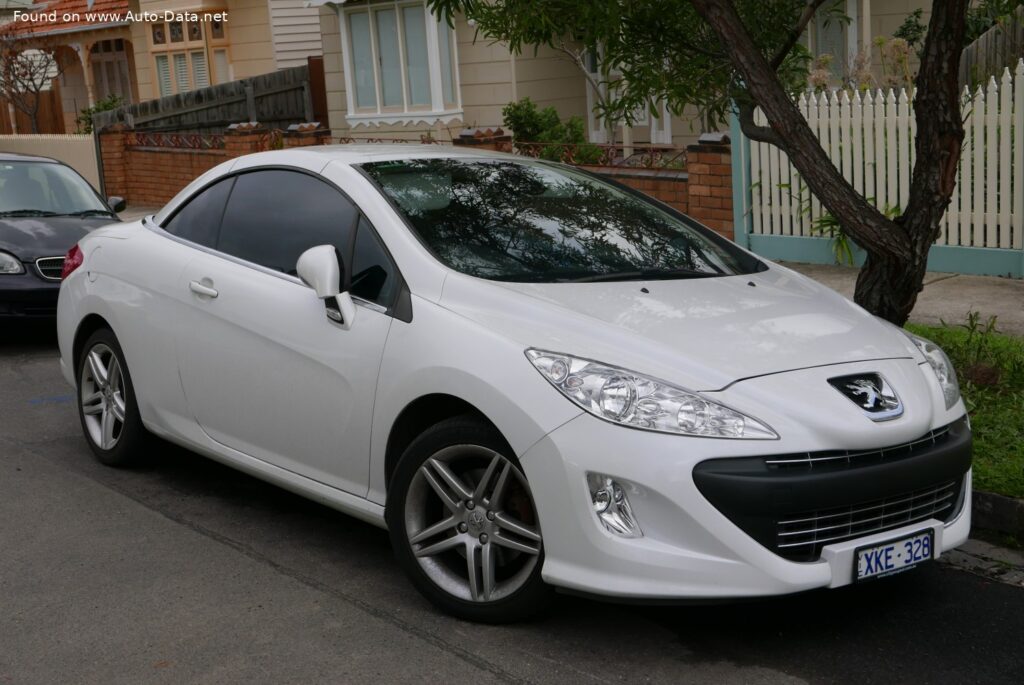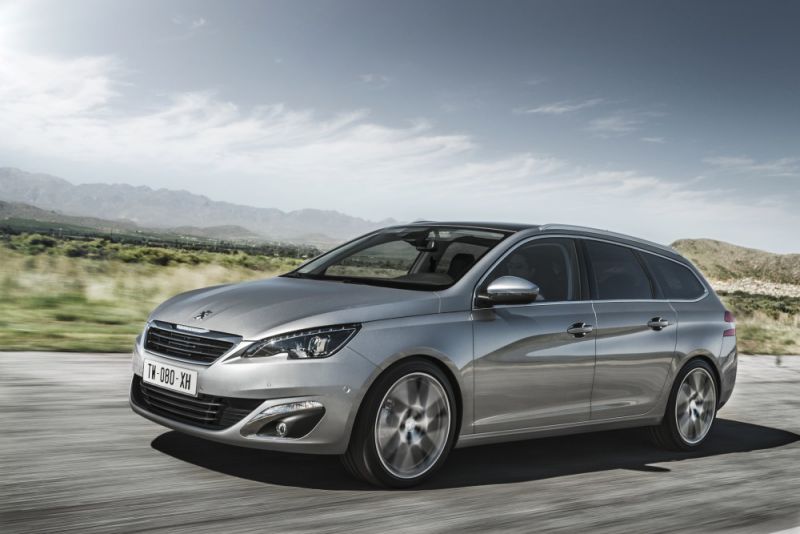
The Peugeot 308 SW II (Phase I), produced from 2015 to 2017, represents the second generation of Peugeot’s compact station wagon. Positioned within the competitive European C-segment, the 308 SW aimed to blend practicality with a degree of sporting flair, particularly in the GT trim level. This model, equipped with the 1.6 THP 205 horsepower engine, offered a compelling alternative to traditional hatchbacks, appealing to families and individuals requiring increased cargo capacity without sacrificing driving enjoyment. While not officially sold in the United States, the 308 SW was a significant player in the European market, known for its stylish design and efficient powertrain options.
Peugeot 308 SW II GT 1.6 THP: An Overview
The 308 SW II marked a substantial evolution for Peugeot’s compact family car. The Phase I models, launched in 2015, introduced a new platform – EMP2 – resulting in a lighter and more rigid chassis compared to its predecessor. This weight reduction contributed to improved fuel economy and handling. The GT trim, as exemplified by the 1.6 THP variant, focused on enhancing the driving experience with a more powerful engine, sport-tuned suspension, and distinctive styling cues. The station wagon body style, or “SW” (Station Wagon) in Peugeot nomenclature, prioritized cargo space and versatility, making it a popular choice for those needing a practical yet refined vehicle.
Engine & Performance
The heart of the 308 SW II GT 1.6 THP is a 1.6-liter turbocharged four-cylinder gasoline engine, designated 5GT EP6FDTX. This engine produces 205 horsepower at 6000 rpm and 285 Nm (210.21 lb.-ft.) of torque at 1750 rpm. The high specific output of 128.3 horsepower per liter is achieved through direct fuel injection and a sophisticated turbocharging system with an intercooler. Power is delivered to the front wheels via a six-speed manual transmission. This configuration allows for a 0-100 km/h (0-62 mph) acceleration time of 7.6 seconds, and a 0-60 mph time of approximately 7.2 seconds, with a maximum speed of 235 km/h (146.02 mph). Fuel economy is rated at 4.1 l/100 km (57.4 US mpg, 68.9 UK mpg) on a combined cycle, with CO2 emissions of 134 g/km, meeting Euro 6 emission standards.
Design & Features
The 308 SW II boasts a contemporary station wagon design, characterized by its flowing lines and sculpted bodywork. The GT trim level adds sporty touches such as unique alloy wheels (18-inch), a more aggressive front bumper, and chrome exhaust outlets. Inside, the cabin is designed with a focus on ergonomics and quality materials. The 308 SW offers seating for five passengers and a generous cargo capacity of 610 liters (21.54 cu. ft.) with the rear seats up, expanding to 1660 liters (58.62 cu. ft.) when folded down. Standard features include ABS (Anti-lock Braking System), a steering rack and pinion system, and a McPherson strut front suspension paired with a semi-independent coil spring rear suspension. The vehicle’s dimensions are 4585 mm (180.51 in.) in length, 1863 mm (73.35 in.) in width, and 1461/1472 mm (57.52 in.) in height, with a wheelbase of 2730 mm (107.48 in.).
Technical Specifications
| Brand | Peugeot |
| Model | 308 |
| Generation | 308 SW II (Phase I, 2013) |
| Type (Engine) | GT 1.6 THP (205 Hp) |
| Start of production | 2015 |
| End of production | 2017 |
| Powertrain Architecture | Internal Combustion engine |
| Body type | Station wagon (estate) |
| Seats | 5 |
| Doors | 5 |
| Fuel consumption (urban) | 4.8 l/100 km (49 US mpg, 58.9 UK mpg, 20.8 km/l) |
| Fuel consumption (extra urban) | 3.7 l/100 km (63.6 US mpg, 76.3 UK mpg, 27 km/l) |
| Fuel consumption (combined) | 4.1 l/100 km (57.4 US mpg, 68.9 UK mpg, 24.4 km/l) |
| CO2 emissions | 134 g/km |
| Fuel Type | Petrol (Gasoline) |
| Acceleration 0 – 100 km/h | 7.6 sec |
| Acceleration 0 – 62 mph | 7.6 sec |
| Acceleration 0 – 60 mph | 7.2 sec |
| Maximum speed | 235 km/h (146.02 mph) |
| Emission standard | Euro 6 |
| Weight-to-power ratio | 6.4 kg/Hp, 155.9 Hp/tonne |
| Weight-to-torque ratio | 4.6 kg/Nm, 216.7 Nm/tonne |
| Power | 205 Hp @ 6000 rpm |
| Power per litre | 128.3 Hp/l |
| Torque | 285 Nm @ 1750 rpm (210.21 lb.-ft. @ 1750 rpm) |
| Engine layout | Front, Transverse |
| Engine Model/Code | 5GT EP6FDTX |
| Engine displacement | 1598 cm3 (97.52 cu. in.) |
| Number of cylinders | 4 |
| Engine configuration | Inline |
| Number of valves per cylinder | 4 |
| Fuel injection system | Direct injection |
| Engine aspiration | Turbocharger, Intercooler |
| Engine oil capacity | 4.25 l (4.49 US qt | 3.74 UK qt) |
| Kerb Weight | 1315 kg (2899.08 lbs.) |
| Max. weight | 1880 kg (4144.69 lbs.) |
| Max load | 565 kg (1245.61 lbs.) |
| Trunk (boot) space – minimum | 610 l (21.54 cu. ft.) |
| Trunk (boot) space – maximum | 1660 l (58.62 cu. ft.) |
| Fuel tank capacity | 53 l (14 US gal | 11.66 UK gal) |
| Length | 4585 mm (180.51 in.) |
| Width | 1863 mm (73.35 in.) |
| Height | 1461/1472 mm (57.52 in.) |
| Wheelbase | 2730 mm (107.48 in.) |
| Front track | 1551/1563 mm (61.06 in.) |
| Rear (Back) track | 1546/1557 mm (60.87 in.) |
| Ride height (ground clearance) | 109 mm (4.29 in.) |
| Minimum turning circle (turning diameter) | 11.2 m (36.75 ft.) |
| Drivetrain Architecture | Front wheel drive |
| Number of gears and type of gearbox | 6 gears, manual transmission |
| Front suspension | Independent, type McPherson with coil spring and anti-roll bar |
| Rear suspension | Semi-independent, coil spring |
| Front brakes | Ventilated discs |
| Rear brakes | Disc |
| Assisting systems | ABS (Anti-lock braking system) |
| Steering type | Steering rack and pinion |
| Tires size | 225/40 R18 W |
| Wheel rims size | 18 |