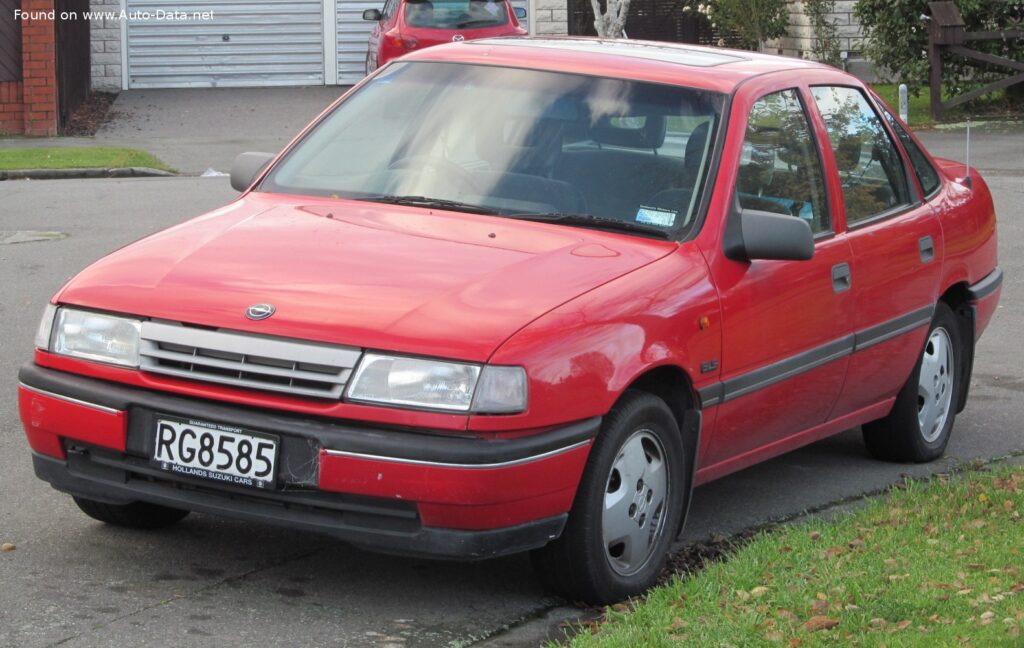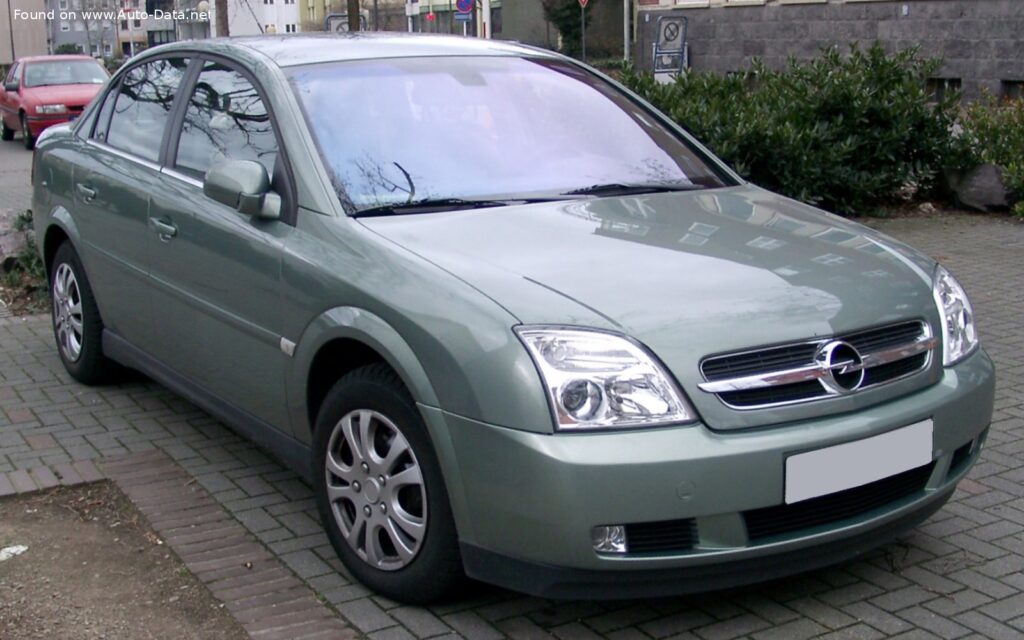
The Opel Vectra C 2.2 ECOTEC (147 Hp), produced between 2002 and 2003, represents the third generation of Opel’s long-running Vectra model. Positioned as a mid-size family car, the Vectra C aimed to provide a blend of comfort, practicality, and reasonable performance for the European market. While not officially sold in the United States, the Vectra C was a significant competitor in the D-segment, battling rivals like the Ford Mondeo, Volkswagen Passat, and Peugeot 406. This model year featured a refined engine lineup and updated styling compared to its predecessor, focusing on improved ride quality and interior appointments.
Opel Vectra C: An Overview
The Vectra nameplate has a long history within Opel, dating back to 1988. The ‘C’ designation signifies the third generation, introduced in 2002. This generation marked a substantial departure from the previous model, with a more aerodynamic design and a focus on enhanced safety features. The 2.2 ECOTEC variant, powered by a naturally aspirated four-cylinder engine, was a popular choice for buyers seeking a balance between fuel efficiency and performance. The Vectra C was available as a sedan, hatchback (Liftback), and station wagon (Caravan), catering to a wide range of customer needs. Its role in the European market was to provide a comfortable and reliable family vehicle, offering a more affordable alternative to premium brands.
Engine & Performance
The heart of the Vectra C 2.2 ECOTEC is its 2.2-liter inline four-cylinder engine, designated the Z22SE. This engine produces 147 horsepower at 5600 rpm and 203 Nm (149.73 lb-ft) of torque at 4000 rpm. The engine utilizes multi-port fuel injection and a double overhead camshaft (DOHC) valvetrain, contributing to its relatively efficient operation. Power is delivered to the front wheels via a five-speed manual transmission. Acceleration from 0 to 100 km/h (0-62 mph) takes 10.2 seconds, while 0 to 60 mph is achieved in approximately 9.7 seconds. The vehicle boasts a maximum speed of 216 km/h (134.22 mph). The engine’s power-to-weight ratio is 9.9 kg/Hp, and the torque-to-weight ratio is 7.2 kg/Nm, indicating a reasonable level of performance for its class. The ECOTEC designation highlights Opel’s commitment to fuel efficiency, although real-world fuel consumption varied depending on driving conditions.
Design & Features
The Opel Vectra C 2.2 ECOTEC is a four-door sedan with a sleek, modern design for its time. The exterior styling features rounded edges and a relatively low profile, contributing to improved aerodynamics. Inside, the Vectra C offers seating for five passengers and a spacious cabin. Key features included power windows, central locking, and an audio system. Safety features, increasingly important in the early 2000s, included Anti-lock Braking System (ABS) as standard equipment. The trunk offers a generous 500 liters of space (17.66 cu. ft.) which can be expanded to 1050 liters (37.08 cu. ft.) with the rear seats folded down. The vehicle’s dimensions are 4596 mm (180.94 in) in length, 1798 mm (70.79 in) in width, and 1460 mm (57.48 in) in height. The wheelbase measures 2700 mm (106.3 in), providing a stable and comfortable ride.
Technical Specifications
| Brand | Opel |
| Model | Vectra |
| Generation | Vectra C |
| Type (Engine) | 2.2 ECOTEC (147 Hp) |
| Start of production | September, 2002 |
| End of production | December, 2003 |
| Powertrain Architecture | Internal Combustion engine |
| Body type | Sedan |
| Seats | 5 |
| Doors | 4 |
| Fuel consumption (urban) | 11.9 l/100 km (19.8 US mpg) |
| Fuel consumption (extra urban) | 6.7 l/100 km (35.1 US mpg) |
| Fuel consumption (combined) | 8.6 l/100 km (27.4 US mpg) |
| Fuel Type | Petrol (Gasoline) |
| Acceleration 0 – 100 km/h | 10.2 sec |
| Acceleration 0 – 62 mph | 10.2 sec |
| Acceleration 0 – 60 mph | 9.7 sec |
| Maximum speed | 216 km/h (134.22 mph) |
| Weight-to-power ratio | 9.9 kg/Hp |
| Weight-to-torque ratio | 7.2 kg/Nm |
| Power | 147 Hp @ 5600 rpm |
| Torque | 203 Nm @ 4000 rpm (149.73 lb.-ft. @ 4000 rpm) |
| Engine layout | Front, Transverse |
| Engine Model/Code | Z22SE |
| Engine displacement | 2198 cm3 (134.13 cu. in.) |
| Number of cylinders | 4 |
| Engine configuration | Inline |
| Cylinder Bore | 86 mm (3.39 in.) |
| Piston Stroke | 94.6 mm (3.72 in.) |
| Compression ratio | 10:1 |
| Number of valves per cylinder | 4 |
| Fuel injection system | Multi-port manifold injection |
| Engine aspiration | Naturally aspirated engine |
| Valvetrain | DOHC |
| Engine oil capacity | 5 l (5.28 US qt | 4.4 UK qt) |
| Coolant | 6.9 l (7.29 US qt | 6.07 UK qt) |
| Kerb Weight | 1455 kg (3207.73 lbs.) |
| Max. weight | 1930 kg (4254.92 lbs.) |
| Max load | 475 kg (1047.2 lbs.) |
| Trunk (boot) space – minimum | 500 l (17.66 cu. ft.) |
| Trunk (boot) space – maximum | 1050 l (37.08 cu. ft.) |
| Fuel tank capacity | 61 l (16.11 US gal | 13.42 UK gal) |
| Length | 4596 mm (180.94 in.) |
| Width | 1798 mm (70.79 in.) |
| Height | 1460 mm (57.48 in.) |
| Wheelbase | 2700 mm (106.3 in.) |
| Front track | 1536 mm (60.47 in.) |
| Rear (Back) track | 1525 mm (60.04 in.) |
| Drivetrain Architecture | Front wheel drive |
| Number of gears and type of gearbox | 5 gears, manual transmission |
| Front suspension | Spring Strut |
| Rear suspension | Several levers and rods |
| Front brakes | Ventilated discs |
| Rear brakes | Disc |
| Assisting systems | ABS (Anti-lock braking system) |
| Steering type | Steering rack and pinion |
| Tires size | 195/65 R15 |
| Wheel rims size | 6.5J x 15 |
The Opel Vectra C 2.2 ECOTEC, while not a performance icon, offered a solid and reliable package for European drivers. Its blend of practicality, comfort, and reasonable running costs made it a popular choice in the competitive mid-size segment. Although never officially available in the US market, it represents a significant example of European automotive engineering from the early 2000s.