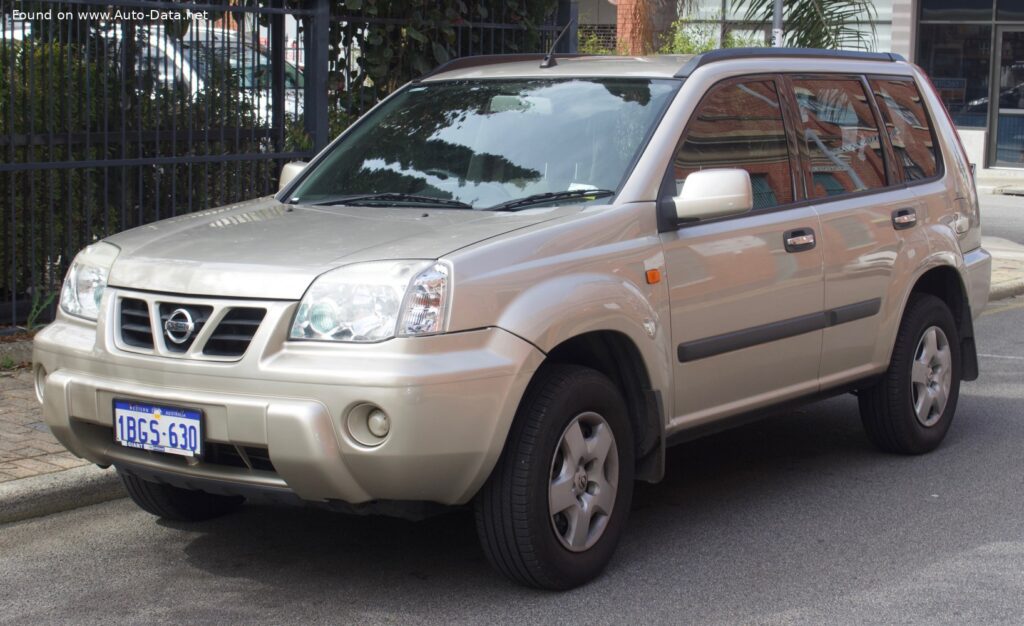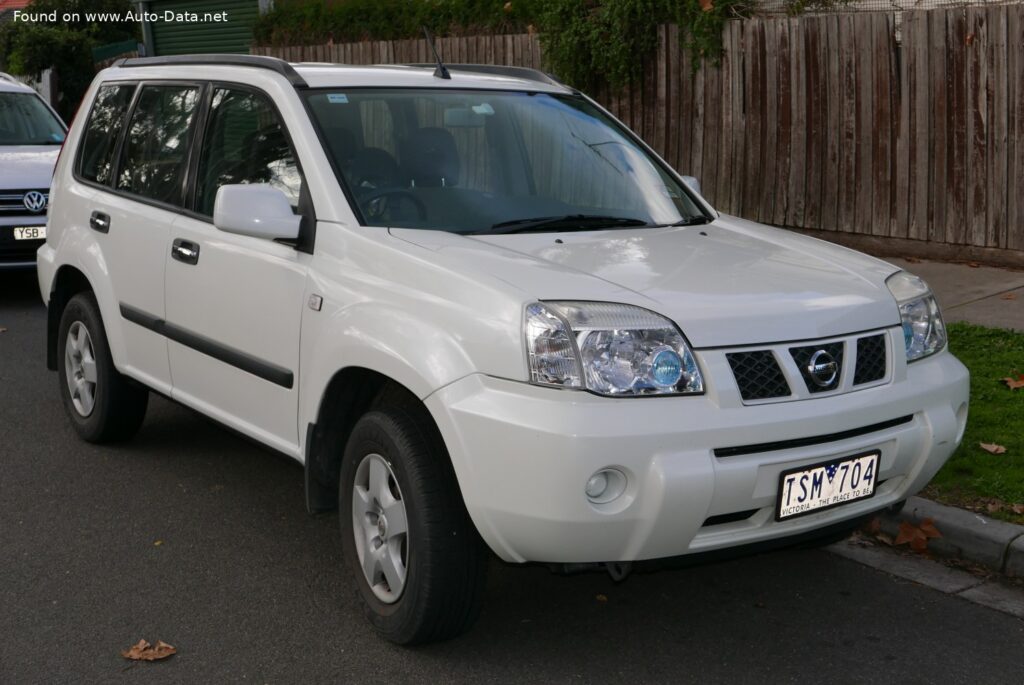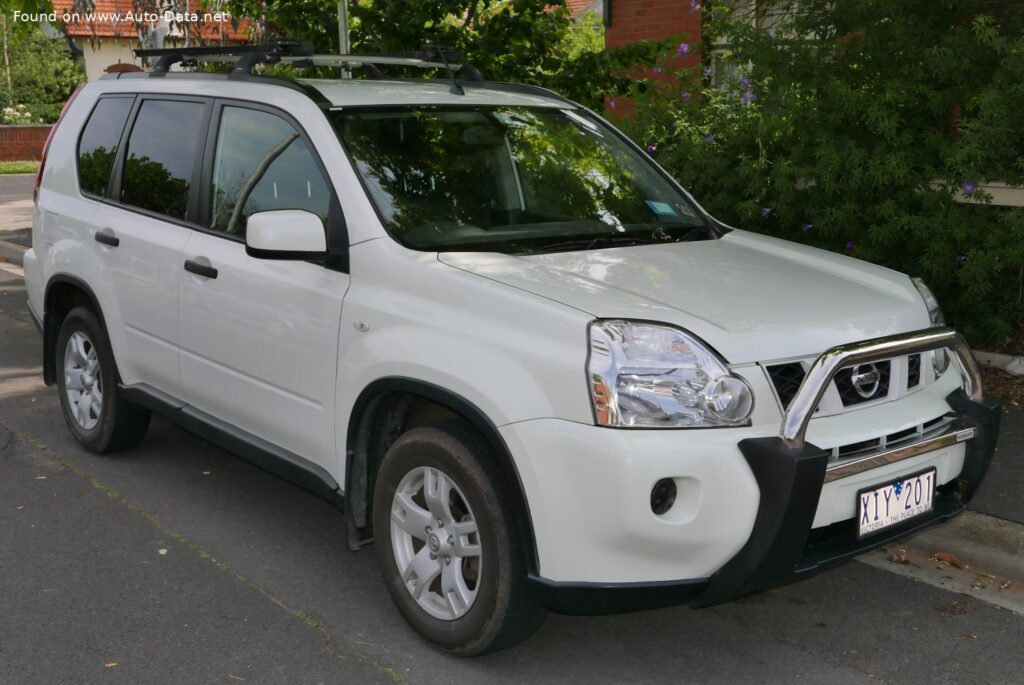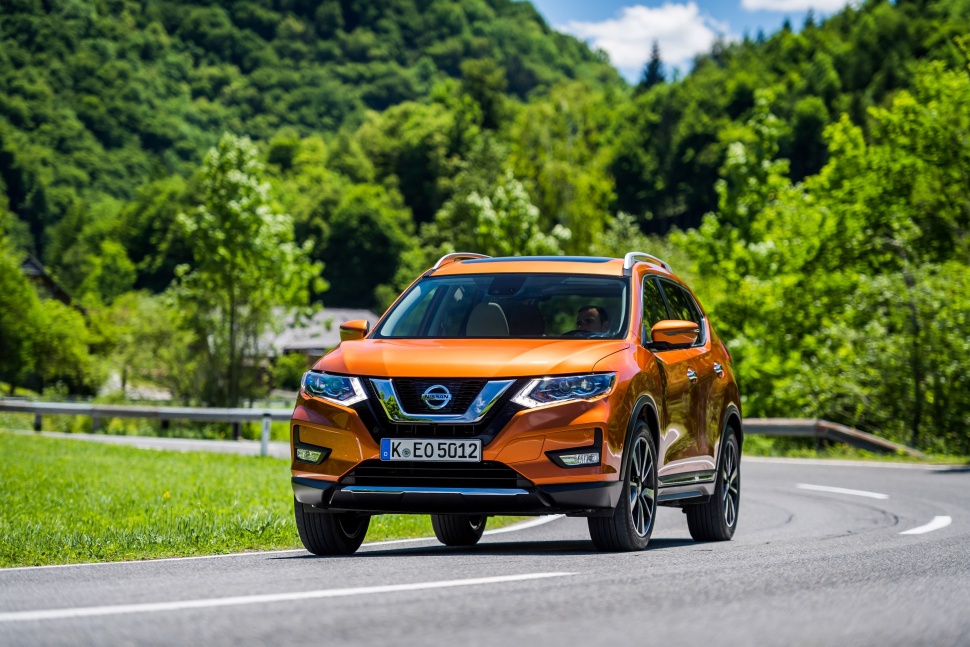
The Nissan X-Trail III (T32), particularly the facelifted version introduced in 2017, represents a significant iteration of Nissan’s popular compact SUV. Sold globally, the X-Trail occupies a crucial position in Nissan’s lineup, offering a blend of practicality, fuel efficiency, and family-oriented features. This generation, produced from 2017 to 2021, saw the introduction of hybrid powertrains aimed at meeting increasingly stringent emissions standards and consumer demand for improved fuel economy. While not initially a major seller in the US market (Nissan primarily offered the Rogue as its compact SUV in North America), the X-Trail is a mainstay in Europe, Asia, and other international markets.
Nissan X-Trail III (T32, facelift 2017) 2.0i Hybrid
The 2017 facelift of the T32 X-Trail brought updated styling, enhanced technology, and the introduction of a 2.0i Hybrid powertrain option. This version combines a four-cylinder gasoline engine with an electric motor, creating a Full Hybrid Electric Vehicle (FHEV) system. The hybrid setup aims to deliver improved fuel efficiency and reduced emissions without sacrificing the practicality and space expected of an SUV. The X-Trail continues to be a five-seater, five-door SUV, designed to cater to families and individuals seeking a versatile vehicle for both urban and rural environments.
Engine & Performance
The heart of the 2017 Nissan X-Trail 2.0i Hybrid is a 1.997-liter (121.86 cubic inches) inline four-cylinder gasoline engine, designated MR20DD. This engine produces 144 horsepower at 6000 rpm and 200 Newton-meters (147.51 lb-ft) of torque at 4400 rpm. Paired with a 41 horsepower electric motor, the combined system output reaches 176 horsepower. The powertrain utilizes a continuously variable transmission (CVT), marketed by Nissan as Xtronic CVT, which provides smooth and efficient power delivery. The weight-to-power ratio is 9.3 kg/Hp, or 107.7 Hp/tonne, while the weight-to-torque ratio is 8.2 kg/Nm, or 122.4 Nm/tonne. The hybrid system allows for electric-only driving at lower speeds and assists the gasoline engine during acceleration, contributing to a combined fuel consumption of 6.2 liters per 100 kilometers (37.9 US mpg or 45.6 UK mpg).
Design & Features
The Nissan X-Trail III (T32) maintains the robust SUV styling cues established by its predecessors. The 2017 facelift brought a more prominent V-motion grille, redesigned headlights, and updated bumpers, giving the vehicle a more modern and sophisticated appearance. The interior focuses on practicality and comfort, with a spacious cabin designed to accommodate five passengers and their luggage. Trunk space ranges from a minimum of 550 liters (19.42 cubic feet) to a maximum of 1520 liters (53.68 cubic feet) with the rear seats folded down.
Safety features are a key aspect of the X-Trail, with standard equipment including ABS (Anti-lock Braking System) and a comprehensive suite of airbags. The vehicle also incorporates features like Start & Stop System to further enhance fuel efficiency. The suspension system comprises an independent McPherson strut setup at the front and an independent multi-link setup at the rear, providing a comfortable ride and stable handling. The X-Trail is equipped with electric power steering and ventilated disc brakes on all four wheels.
Technical Specifications
| Brand | Nissan |
| Model | X-Trail |
| Generation | X-Trail III (T32, facelift 2017) |
| Type (Engine) | 2.0i (176 Hp) Hybrid Xtronic CVT |
| Start of production | 2017 |
| End of production | 2021 |
| Powertrain Architecture | FHEV (Full Hybrid Electric Vehicle) |
| Body type | SUV |
| Seats | 5 |
| Doors | 5 |
| Fuel consumption (combined) | 6.2 l/100 km (37.9 US mpg, 45.6 UK mpg, 16.1 km/l) |
| Fuel Type | Petrol (Gasoline) |
| Weight-to-power ratio | 9.3 kg/Hp, 107.7 Hp/tonne |
| Weight-to-torque ratio | 8.2 kg/Nm, 122.4 Nm/tonne |
| Battery technology | Lithium-ion (Li-Ion) |
| Battery location | Under the trunk |
| Electric motor power | 41 Hp |
| Electric motor Torque | 160 Nm (118.01 lb.-ft.) |
| Electric motor location | Integrated into the transmission |
| System power | 176 Hp |
| Engine Power | 144 Hp @ 6000 rpm |
| Power per litre | 72.1 Hp/l |
| Engine Torque | 200 Nm @ 4400 rpm (147.51 lb.-ft. @ 4400 rpm) |
| Engine layout | Front, Transverse |
| Engine Model/Code | MR20DD |
| Engine displacement | 1997 cm3 (121.86 cu. in.) |
| Number of cylinders | 4 |
| Engine configuration | Inline |
| Cylinder Bore | 84 mm (3.31 in.) |
| Piston Stroke | 90.1 mm (3.55 in.) |
| Compression ratio | 11.2:1 |
| Number of valves per cylinder | 4 |
| Fuel injection system | Direct injection |
| Engine aspiration | Naturally aspirated engine |
| Valvetrain | DOHC, Twin CVTC |
| Engine oil capacity | 3.8 l (4.02 US qt | 3.34 UK qt) |
| Coolant capacity | 7.2 l (7.61 US qt | 6.34 UK qt) |
| Kerb Weight | 1634 kg (3602.35 lbs.) |
| Trunk (boot) space – minimum | 550 l (19.42 cu. ft.) |
| Trunk (boot) space – maximum | 1520 l (53.68 cu. ft.) |
| Fuel tank capacity | 60 l (15.85 US gal | 13.2 UK gal) |
| Length | 4690 mm (184.65 in.) |
| Width | 1820 mm (71.65 in.) |
| Height | 1740 mm (68.5 in.) |
| Wheelbase | 2705 mm (106.5 in.) |
| Front track | 1575 mm (62.01 in.) |
| Rear track | 1575 mm (62.01 in.) |
| Minimum turning circle | 11.2 m (36.75 ft.) |
| Drivetrain | Front wheel drive. FHEV. |
| Gearbox | automatic transmission Xtronic CVT |
| Front suspension | Independent, type McPherson with coil spring and anti-roll bar |
| Rear suspension | Independent multi-link spring suspension with stabilizer |
| Front brakes | Ventilated discs |
| Rear brakes | Ventilated discs |
| Tires size | 225/65 R17 |
| Wheel rims size | 17 |