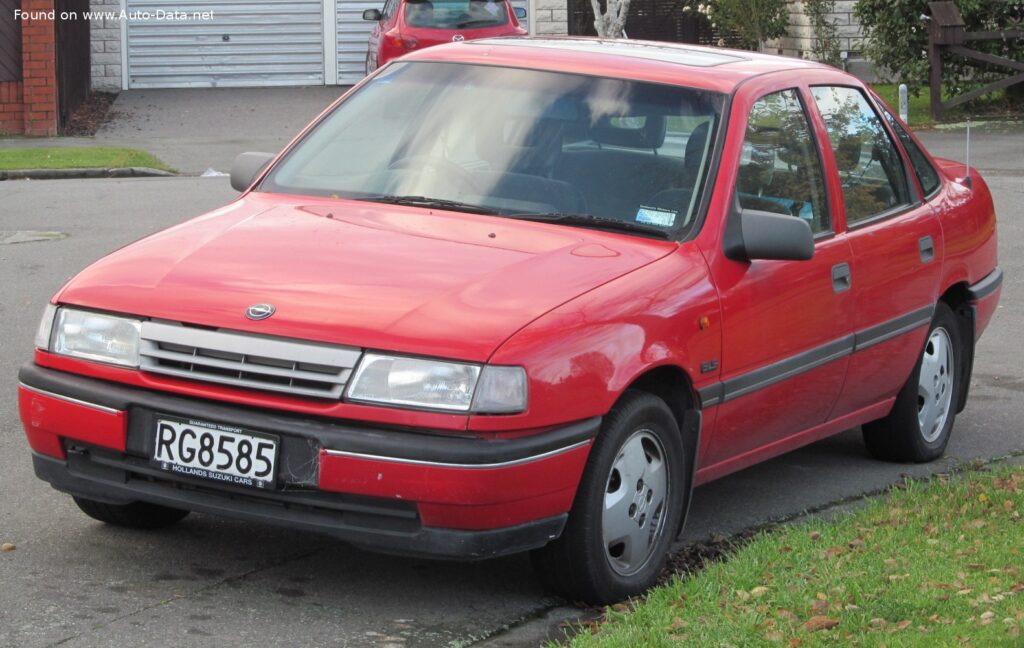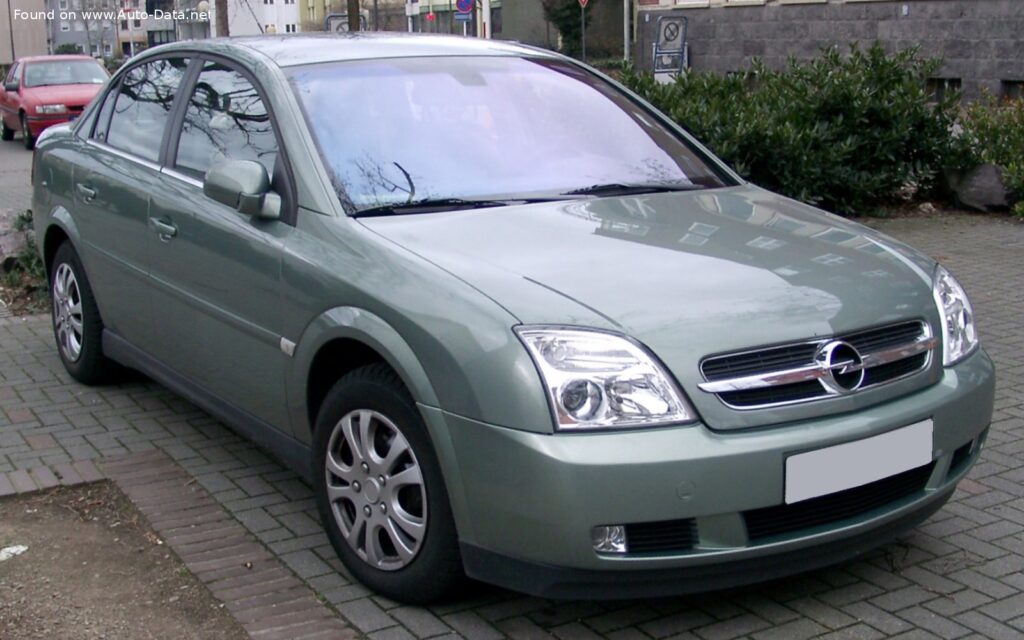
The Opel Vectra C 2.2 ECOTEC Automatic, produced between 2002 and 2003, represents the third generation of Opel’s long-running Vectra model. Positioned as a mid-size family car, the Vectra C aimed to provide a blend of comfort, practicality, and reasonable performance for the European market. While not officially sold in the United States, the Vectra C was a significant competitor in the D-segment, battling rivals like the Ford Mondeo, Volkswagen Passat, and Peugeot 406. This particular variant, equipped with a 2.2-liter ECOTEC engine and an automatic transmission, offered a balance between fuel efficiency and ease of driving, making it a popular choice for everyday commuting and family transportation.
Opel Vectra C: An Overview
The Vectra C marked a substantial departure from its predecessors, featuring a more modern and aerodynamic design. It was available in several body styles, including a sedan, hatchback (liftback), and station wagon (caravan). The 2.2 ECOTEC Automatic model focused on providing a comfortable and refined driving experience, prioritizing smooth gear changes and a relatively quiet cabin. The ECOTEC engine family was known for its fuel efficiency and reliability, making the Vectra C a practical choice for cost-conscious buyers.
Engine & Performance
The heart of the Vectra C 2.2 ECOTEC Automatic is a 2.2-liter inline four-cylinder gasoline engine, designated the Z22SE. This naturally aspirated engine produces 147 horsepower at 5600 rpm and 203 Nm (149.73 lb.-ft.) of torque at 4000 rpm. The engine features multi-port fuel injection and a double overhead camshaft (DOHC) valvetrain, contributing to its relatively efficient operation. Power is delivered to the front wheels via a five-speed automatic transmission. Performance figures include a 0-100 km/h (0-62 mph) acceleration time of 10.8 seconds and a maximum speed of 210 km/h (130.49 mph). While not a sports car, the Vectra C 2.2 ECOTEC offered adequate performance for typical driving conditions. The weight-to-power ratio of 9.9 kg/Hp and a weight-to-torque ratio of 7.2 kg/Nm indicate a reasonably balanced vehicle.
Design & Features
The Opel Vectra C sedan boasts a traditional four-door body style with a spacious interior designed to comfortably accommodate five passengers. Key design features included a sloping roofline, integrated headlights, and a relatively large trunk. The interior focused on practicality and ergonomics, with a straightforward dashboard layout and comfortable seating. Safety features for the time included Anti-lock Braking System (ABS) as standard equipment. The Vectra C also offered a range of convenience features, such as power windows, central locking, and air conditioning, depending on the trim level. Trunk space was a strong point, offering 500 liters (17.66 cu. ft.) with the rear seats up and expanding to 1050 liters (37.08 cu. ft.) with the seats folded down. The vehicle’s dimensions – 4596 mm (180.94 in.) in length, 1798 mm (70.79 in.) in width, and 1460 mm (57.48 in.) in height – positioned it squarely within the mid-size sedan segment.
Technical Specifications
| Brand | Opel |
| Model | Vectra |
| Generation | Vectra C |
| Type (Engine) | 2.2 ECOTEC (147 Hp) Automatic |
| Start of production | September, 2002 |
| End of production | December, 2003 |
| Powertrain Architecture | Internal Combustion engine |
| Body type | Sedan |
| Seats | 5 |
| Doors | 4 |
| Fuel consumption (urban) | 13.6 l/100 km (17.3 US mpg, 20.8 UK mpg, 7.4 km/l) |
| Fuel consumption (extra urban) | 6.9 l/100 km (34.1 US mpg, 40.9 UK mpg, 14.5 km/l) |
| Fuel consumption (combined) | 9.4 l/100 km (25 US mpg, 30.1 UK mpg, 10.6 km/l) |
| Fuel Type | Petrol (Gasoline) |
| Acceleration 0 – 100 km/h | 10.8 sec |
| Acceleration 0 – 62 mph | 10.8 sec |
| Acceleration 0 – 60 mph | 10.3 sec |
| Maximum speed | 210 km/h (130.49 mph) |
| Weight-to-power ratio | 9.9 kg/Hp |
| Weight-to-torque ratio | 7.2 kg/Nm |
| Power | 147 Hp @ 5600 rpm |
| Torque | 203 Nm @ 4000 rpm (149.73 lb.-ft. @ 4000 rpm) |
| Engine layout | Front, Transverse |
| Engine Model/Code | Z22SE |
| Engine displacement | 2198 cm3 (134.13 cu. in.) |
| Number of cylinders | 4 |
| Engine configuration | Inline |
| Cylinder Bore | 86 mm (3.39 in.) |
| Piston Stroke | 94.6 mm (3.72 in.) |
| Compression ratio | 10:1 |
| Number of valves per cylinder | 4 |
| Fuel injection system | Multi-port manifold injection |
| Engine aspiration | Naturally aspirated engine |
| Valvetrain | DOHC |
| Engine oil capacity | 5 l (5.28 US qt | 4.4 UK qt) |
| Coolant capacity | 6.9 l (7.29 US qt | 6.07 UK qt) |
| Kerb Weight | 1455 kg (3207.73 lbs.) |
| Max. weight | 1930 kg (4254.92 lbs.) |
| Max load | 475 kg (1047.2 lbs.) |
| Trunk (boot) space – minimum | 500 l (17.66 cu. ft.) |
| Trunk (boot) space – maximum | 1050 l (37.08 cu. ft.) |
| Fuel tank capacity | 61 l (16.11 US gal | 13.42 UK gal) |
| Length | 4596 mm (180.94 in.) |
| Width | 1798 mm (70.79 in.) |
| Height | 1460 mm (57.48 in.) |
| Wheelbase | 2700 mm (106.3 in.) |
| Front track | 1536 mm (60.47 in.) |
| Rear track | 1525 mm (60.04 in.) |
| Drivetrain Architecture | Front wheel drive |
| Number of gears | 5 |
| Gearbox type | Automatic transmission |
| Front suspension | Spring Strut |
| Rear suspension | Several levers and rods |
| Front brakes | Ventilated discs |
| Rear brakes | Disc |
| Assisting systems | ABS (Anti-lock braking system) |
| Steering type | Steering rack and pinion |
| Tires size | 195/65 R15 |
| Wheel rims size | 6.5J x 15 |
The Opel Vectra C 2.2 ECOTEC Automatic, while not a performance icon, offered a solid and reliable package for buyers seeking a comfortable and practical mid-size family car. Its blend of fuel efficiency, spaciousness, and reasonable performance made it a popular choice in the European market during its production run.