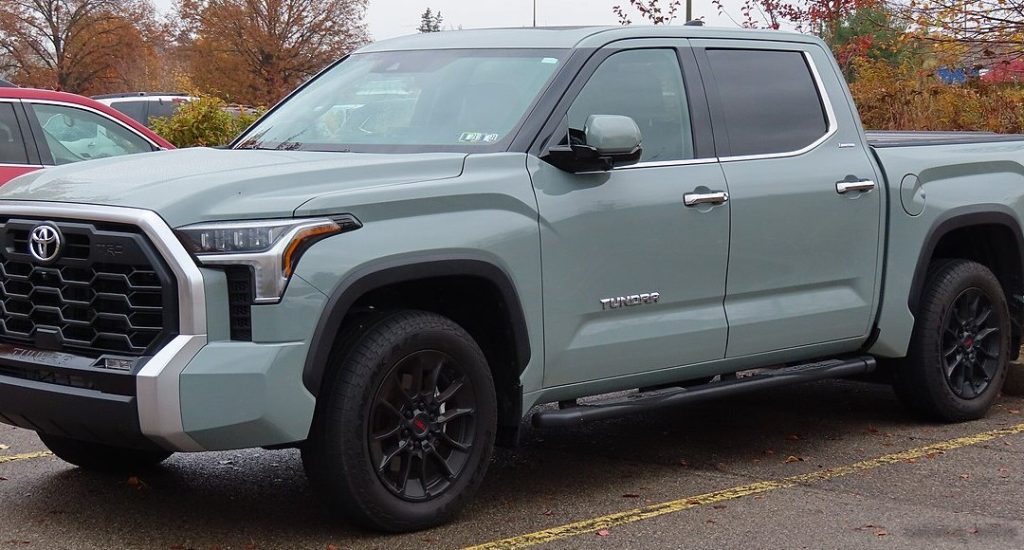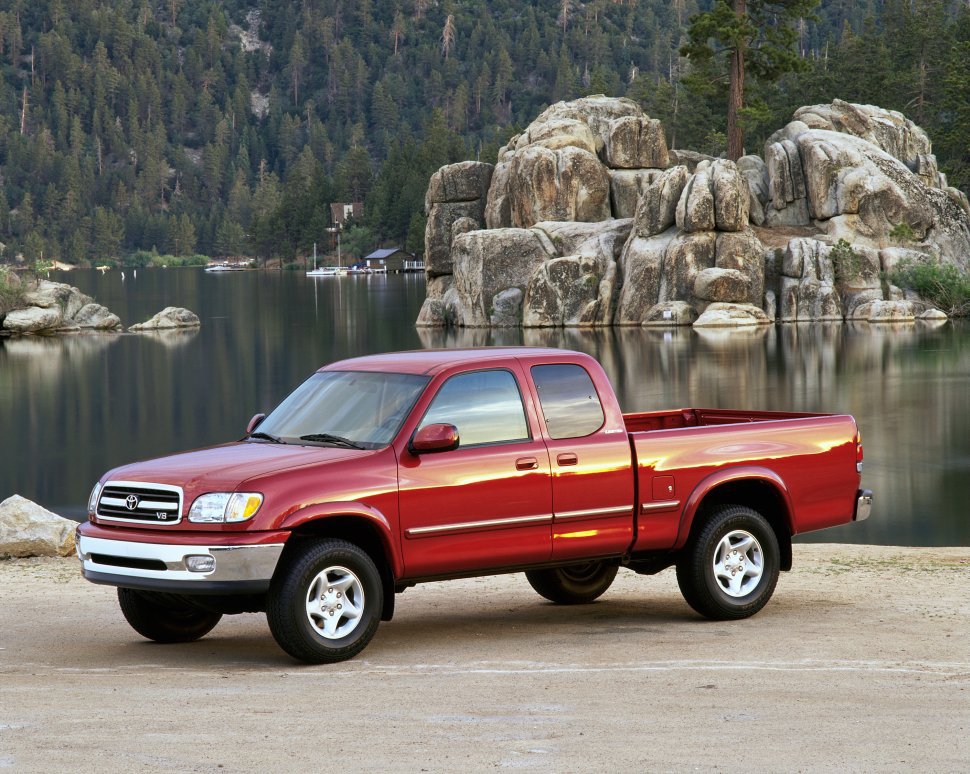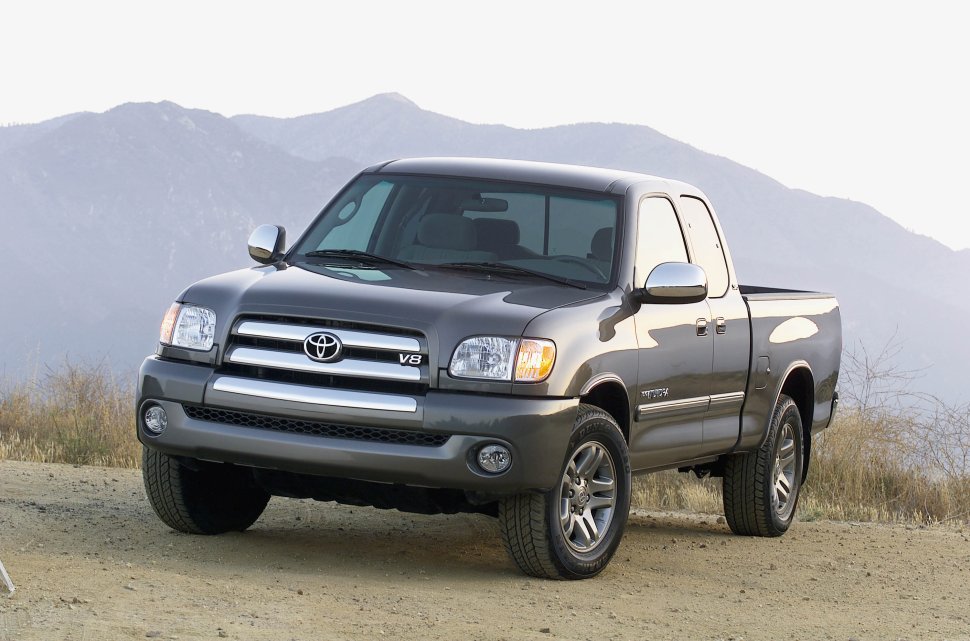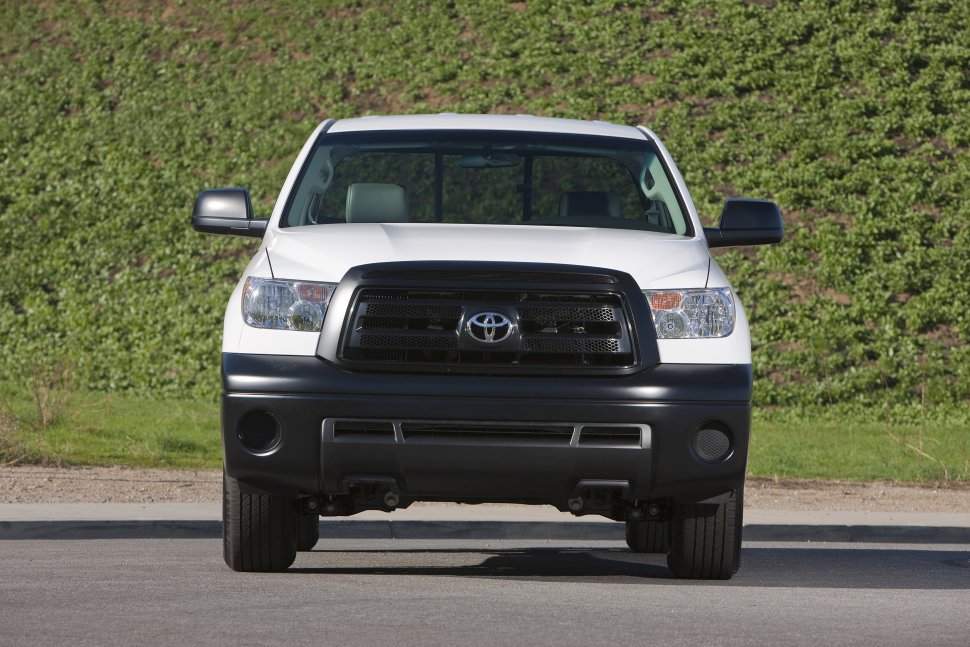
The Toyota Tundra II Regular Cab (facelift 2010) represents Toyota’s continued commitment to the full-size pickup truck market in North America. Introduced as a significant update to the second-generation Tundra, this model, produced from 2010 to 2013, aimed to enhance the truck’s appeal with refreshed styling, improved features, and a robust powertrain. While Toyota isn’t traditionally known for pickups outside of North America, the Tundra was specifically engineered to compete with domestic manufacturers like Ford, Chevrolet, and Dodge, offering a blend of reliability, capability, and comfort. The Regular Cab configuration catered to buyers prioritizing functionality and affordability over passenger space, making it a popular choice for work and utility applications.
Toyota Tundra II Regular Cab: A Detailed Overview
The facelifted 2010 Tundra brought subtle but noticeable changes to the exterior and interior, aiming to modernize the truck’s appearance. However, the core of the Tundra II remained focused on providing a durable and capable platform for demanding tasks. The Regular Cab body style, with its two doors and three-passenger seating, offered a more compact footprint compared to the Double Cab and CrewMax models, making it easier to maneuver in tight spaces. This generation of Tundra solidified Toyota’s position as a serious contender in the full-size truck segment, known for its longevity and strong resale value.
Engine & Performance
The 2010-2013 Toyota Tundra II Regular Cab, when equipped with the 4.6-liter V8 engine, delivers a substantial 310 horsepower at 5600 rpm and 460 Nm (339.28 lb.-ft.) of torque at 3400 rpm. This naturally aspirated 4.6L 1UR-FE V8 features a 10.2:1 compression ratio, multi-port fuel injection, and a double overhead camshaft (DOHC) valvetrain with Variable Valve Timing-intelligence (VVT-i). The engine’s longitudinal front-engine layout contributes to a balanced weight distribution. The 4.6-liter engine provides a good balance between power and fuel efficiency for a full-size truck. The six-speed automatic transmission efficiently transfers power to the four-wheel-drive system, providing ample traction for various terrains and conditions. The weight-to-power ratio of 7.3 kg/Hp and a weight-to-torque ratio of 4.9 kg/Nm demonstrate a respectable level of performance for its class. Fuel economy is rated at 16.8 l/100 km (14 US mpg) in urban settings and 12.3 l/100 km (19.1 US mpg) on the highway.
Design & Features
The Toyota Tundra II Regular Cab maintains the robust and functional design characteristic of full-size pickup trucks. Its body-on-frame construction provides a solid foundation for hauling and towing. The 2010 facelift included minor cosmetic updates to the grille, headlights, and bumpers, giving the truck a slightly more contemporary look. Inside, the cabin prioritizes durability and practicality. While not as luxurious as some competitors, the Tundra offers a comfortable and functional interior with user-friendly controls. Standard safety features include an Anti-lock Braking System (ABS). The truck’s dimensions – a length of 5329 mm (209.8 in.), a width of 2029 mm (79.88 in.), and a height of 1925 mm (75.79 in.) – provide ample cargo space and a commanding driving position. A key feature is its substantial towing capacity, rated at 3946 kg (8699.44 lbs.) with brakes, making it suitable for a wide range of hauling needs. The 269 mm (10.59 in) of ground clearance enhances its off-road capability.
Technical Specifications
| Brand | Toyota |
| Model | Tundra |
| Generation | Tundra II Regular Cab (facelift 2010) |
| Type (Engine) | 4.6 V8 32V (310 Hp) 4×4 Automatic |
| Start of production | 2010 |
| End of production | 2013 |
| Powertrain Architecture | Internal Combustion engine |
| Body type | Pick-up |
| Seats | 3 |
| Doors | 2 |
| Fuel consumption (urban) | 16.8 l/100 km (14 US mpg) |
| Fuel consumption (extra urban) | 12.3 l/100 km (19.1 US mpg) |
| Fuel Type | Petrol (Gasoline) |
| Weight-to-power ratio | 7.3 kg/Hp |
| Weight-to-torque ratio | 4.9 kg/Nm |
| Power | 310 Hp @ 5600 rpm |
| Torque | 460 Nm @ 3400 rpm (339.28 lb.-ft. @ 3400 rpm) |
| Engine layout | Front, Longitudinal |
| Engine Model/Code | 1UR-FE |
| Engine displacement | 4608 cm3 (281.2 cu. in.) |
| Number of cylinders | 8 |
| Engine configuration | V-engine |
| Cylinder Bore | 94 mm (3.7 in.) |
| Piston Stroke | 83 mm (3.27 in.) |
| Compression ratio | 10.2:1 |
| Number of valves per cylinder | 4 |
| Fuel injection system | Multi-port manifold injection |
| Engine aspiration | Naturally aspirated engine |
| Valvetrain | DOHC, VVT-i |
| Engine oil capacity | 7.5 l (7.93 US qt | 6.6 UK qt) |
| Coolant capacity | 12.1 l (12.79 US qt | 10.65 UK qt) |
| Kerb Weight | 2270 kg (5004.49 lbs.) |
| Max. weight | 3084 kg (6799.06 lbs.) |
| Max load | 814 kg (1794.56 lbs.) |
| Fuel tank capacity | 100 l (26.42 US gal | 22 UK gal) |
| Permitted trailer load with brakes (12%) | 3946 kg (8699.44 lbs.) |
| Length | 5329 mm (209.8 in.) |
| Width | 2029 mm (79.88 in.) |
| Height | 1925 mm (75.79 in.) |
| Wheelbase | 3221 mm (126.81 in.) |
| Front track | 1725 mm (67.91 in.) |
| Rear track | 1725 mm (67.91 in.) |
| Ride height (ground clearance) | 269 mm (10.59 in.) |
| Minimum turning circle | 13.4 m (43.96 ft.) |
| Approach angle | 27° |
| Departure angle | 26° |
| Drive wheel | All wheel drive (4×4) |
| Number of gears | 6 |
| Gearbox type | Automatic transmission |
| Front suspension | Double wishbone |
| Rear suspension | Leaf spring |
| Front brakes | Ventilated discs |
| Rear brakes | Ventilated discs |
| Assisting systems | ABS (Anti-lock braking system) |
| Steering type | Steering rack and pinion |
| Power steering | Hydraulic Steering |
| Tires size | 255/70 R18 |
| Wheel rims size | 8.0J x 18 |
The Toyota Tundra II Regular Cab (facelift 2010) with the 4.6-liter V8 engine remains a viable option for those seeking a dependable and capable full-size pickup truck. Its blend of power, durability, and Toyota’s reputation for reliability continue to make it a popular choice in the used vehicle market.