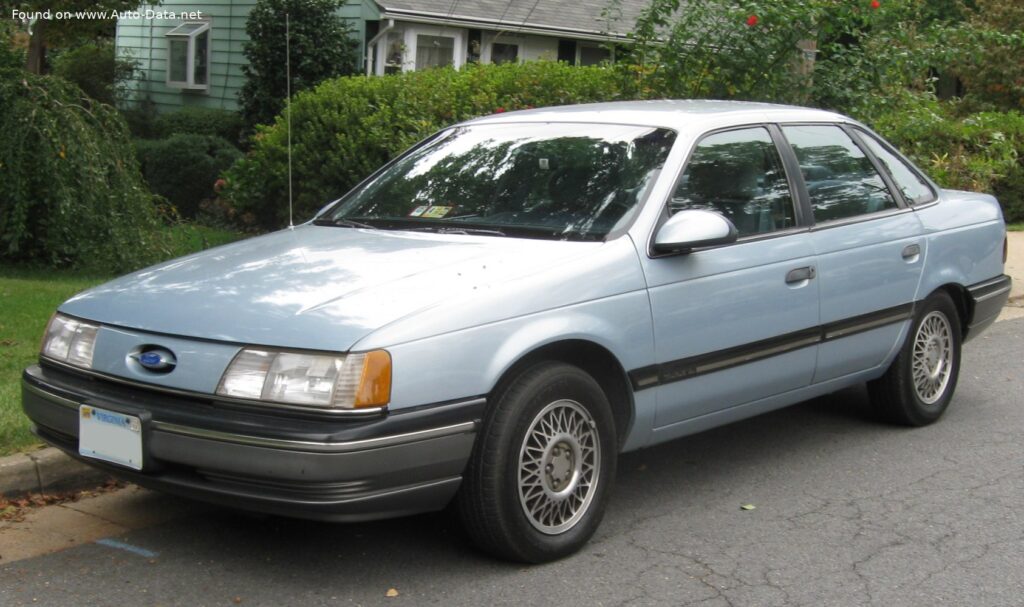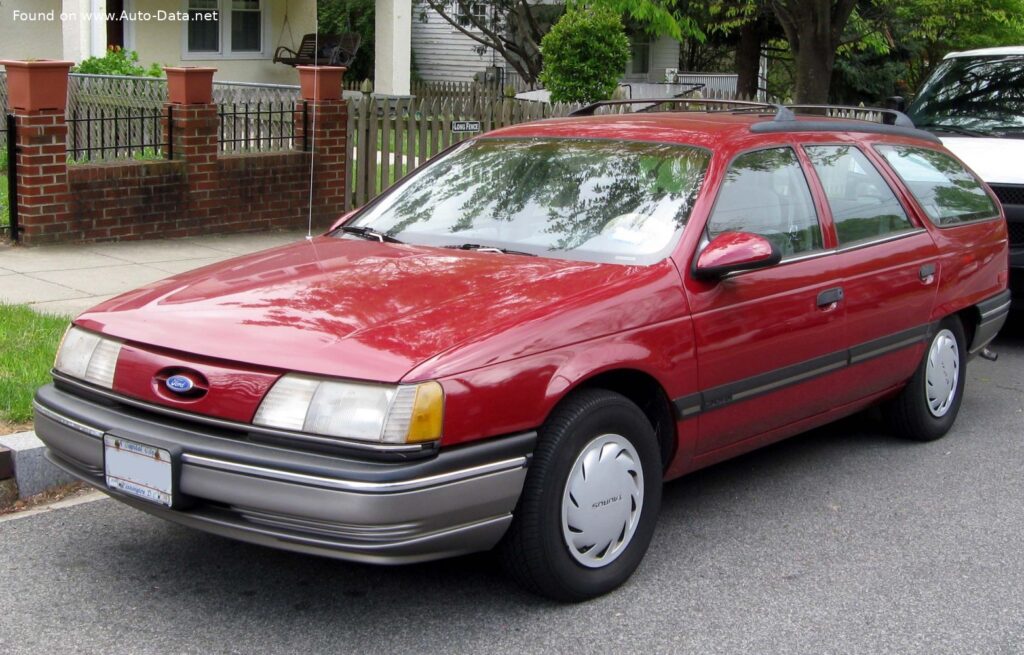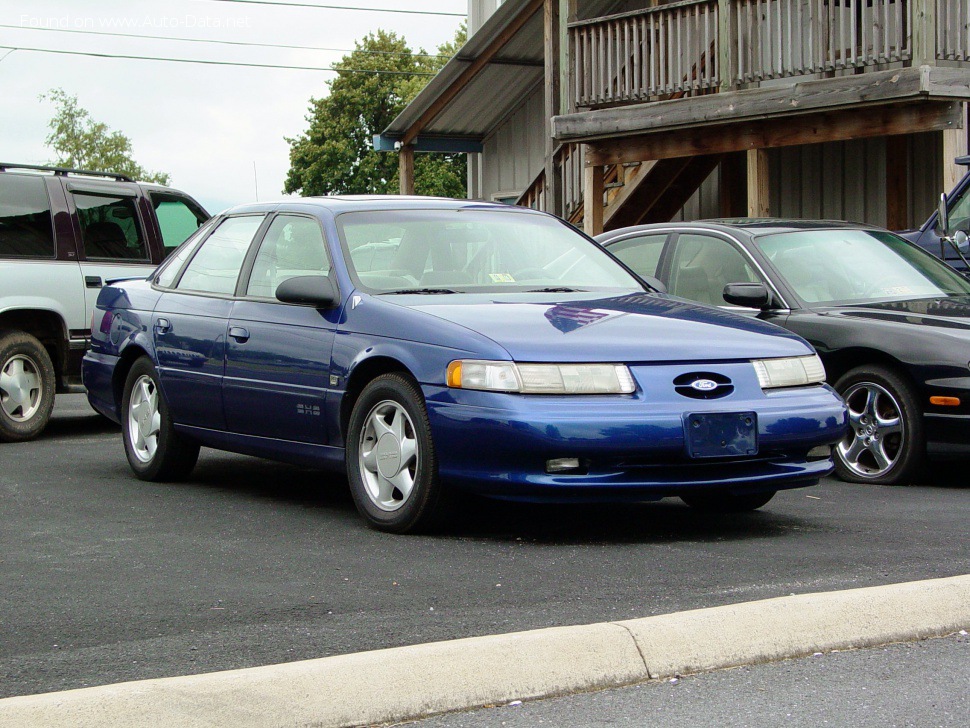
The Ford Taurus II SHO, specifically the 3.0 V6 24V5 variant, represented a significant performance upgrade within the second generation of the Taurus lineup. Produced between 1992 and 1995, this model catered to enthusiasts seeking a more engaging driving experience than the standard Taurus offered. The “SHO” designation – short for Super High Output – signified a commitment to performance, distinguishing it from the more mainstream, family-oriented versions of the Taurus. While the Taurus was a mainstay of American family transportation, the SHO aimed to carve out a niche for itself as a sporty sedan, competing with imports offering similar levels of performance and refinement.
Ford Taurus II SHO: A Performance Sedan
The Taurus II, launched in 1992, continued the first generation’s success as a spacious and comfortable family sedan. However, the SHO variant injected a dose of excitement into the formula. It was a response to a growing demand for American-made cars that could deliver both practicality and performance. The SHO wasn’t about outright track dominance; it was about providing a refined, yet spirited, driving experience that appealed to a broader audience than traditional sports cars. It offered a compelling blend of everyday usability and enjoyable performance, making it a unique offering in the early 1990s automotive landscape.
Engine & Performance
The heart of the Taurus SHO was its Yamaha-designed 3.0-liter V6 engine. This wasn’t a typical Ford powerplant; Ford collaborated with Yamaha, renowned for its expertise in engine design and manufacturing, to create a high-revving, naturally aspirated V6. The 24-valve configuration, with four valves per cylinder, was crucial to its performance. Producing 223 horsepower at 6200 rpm and 271 Nm (199.88 lb-ft) of torque at 4800 rpm, the engine delivered a noticeable increase in power compared to the standard Taurus engines. The power-to-weight ratio of 6.7 kg/Hp and a power-to-torque ratio of 5.5 kg/Nm further highlighted its performance capabilities. The engine’s responsiveness and willingness to rev were key characteristics, offering a driving experience that felt more European than traditionally American. A five-speed manual transmission was standard, further enhancing the driver’s connection to the engine. The engine’s 7000 rpm redline encouraged spirited driving, and the transversely mounted layout contributed to the car’s front-wheel-drive configuration.
Design & Features
The Taurus SHO maintained the overall body style of the second-generation Taurus – a relatively aerodynamic sedan design that was modern for its time. However, subtle visual cues distinguished the SHO from its more pedestrian siblings. These included unique wheels, a more aggressive front fascia, and often, a rear spoiler. Inside, the SHO featured sport seats and a revised instrument cluster, providing a more driver-focused environment. The interior prioritized comfort and practicality, offering ample space for five passengers and a trunk capacity of 507 liters (17.9 cu. ft.). Safety features, while not as advanced as modern standards, included ABS (Anti-lock Braking System), which was a significant addition for the era. The SHO’s design wasn’t about radical aesthetics; it was about subtly communicating its performance potential while maintaining the Taurus’s core values of comfort and practicality. The 4-door sedan body style and 5-seat configuration made it a versatile vehicle for families and individuals alike.
Technical Specifications
| Brand | Ford |
| Model | Taurus |
| Generation | Taurus II |
| Type (Engine) | SHO 3.0 V6 24V5 (223 Hp) |
| Start of production | 1992 |
| End of production | 1995 |
| Powertrain Architecture | Internal Combustion engine |
| Body type | Sedan |
| Seats | 5 |
| Doors | 4 |
| Fuel Type | Petrol (Gasoline) |
| Weight-to-power ratio | 6.7 kg/Hp |
| Weight-to-torque ratio | 5.5 kg/Nm |
| Power | 223 Hp @ 6200 rpm |
| Power per litre | 74.7 Hp/l |
| Torque | 271 Nm @ 4800 rpm / 199.88 lb.-ft. @ 4800 rpm |
| Maximum engine speed | 7000 rpm |
| Engine layout | Front, Transverse |
| Engine displacement | 2986 cm3 / 182.22 cu. in. |
| Number of cylinders | 6 |
| Engine configuration | V-engine |
| Cylinder Bore | 89 mm / 3.5 in. |
| Piston Stroke | 80 mm / 3.15 in. |
| Compression ratio | 9.8:1 |
| Number of valves per cylinder | 4 |
| Fuel injection system | Multi-port manifold injection |
| Engine aspiration | Naturally aspirated engine |
| Kerb Weight | 1501 kg / 3309.14 lbs |
| Trunk (boot) space – minimum | 507 l / 17.9 cu. ft |
| Fuel tank capacity | 70 l / 18.49 US gal | 15.4 UK gal |
| Length | 4877 mm / 192.01 in. |
| Width | 1808 mm / 71.18 in. |
| Height | 1374 mm / 54.09 in. |
| Wheelbase | 2692 mm / 105.98 in. |
| Front track | 1562 mm / 61.5 in. |
| Rear (Back) track | 1537 mm / 60.51 in. |
| Minimum turning circle (turning diameter) | 11.76 m / 38.58 ft |
| Drivetrain Architecture | The Internal combustion engine (ICE) drives the front wheels of the vehicle. |
| Drive wheel | Front wheel drive |
| Number of gears and type of gearbox | 5 gears, manual transmission |
| Front suspension | Wishbone |
| Rear suspension | Wishbone |
| Front brakes | Ventilated discs |
| Rear brakes | Disc |
| Assisting systems | ABS (Anti-lock braking system) |
| Steering type | Steering rack and pinion |
| Tires size | 215/60 R16 |
| Wheel rims size | 16 |
The Ford Taurus II SHO 3.0 V6 24V5 (223 Hp) remains a fondly remembered example of a performance sedan from the early 1990s. Its Yamaha-designed engine, combined with its comfortable interior and practical body style, created a unique and appealing package that continues to attract enthusiasts today. While not a high-volume seller, the SHO established a reputation for being a capable and enjoyable driving machine, demonstrating Ford’s willingness to experiment with performance-oriented variants within its mainstream lineup.