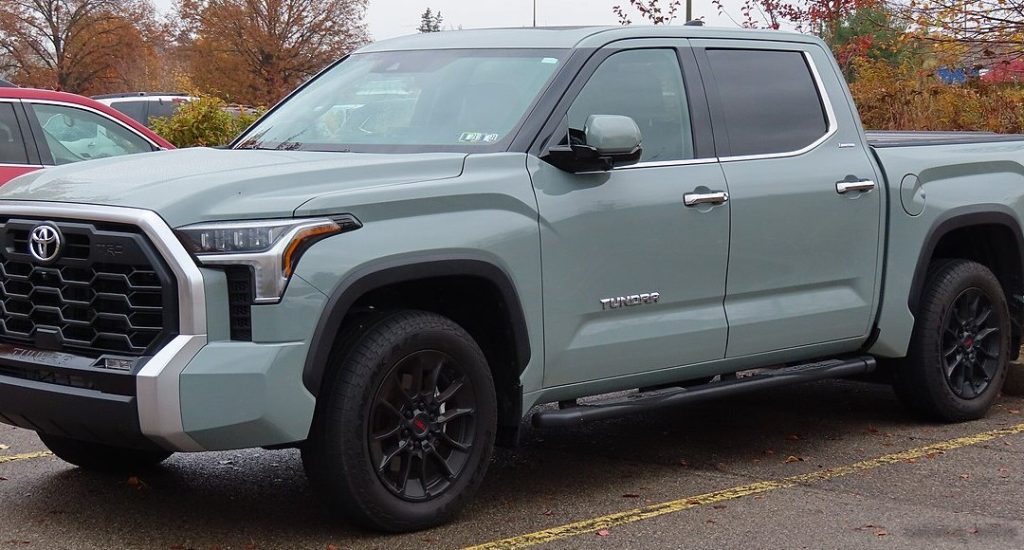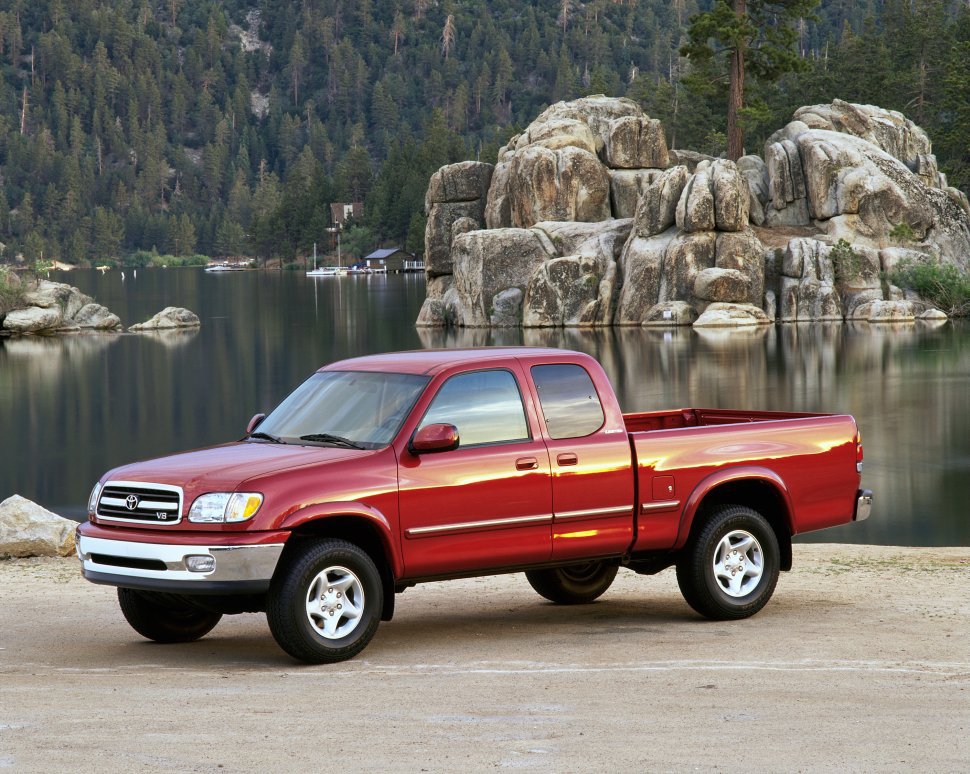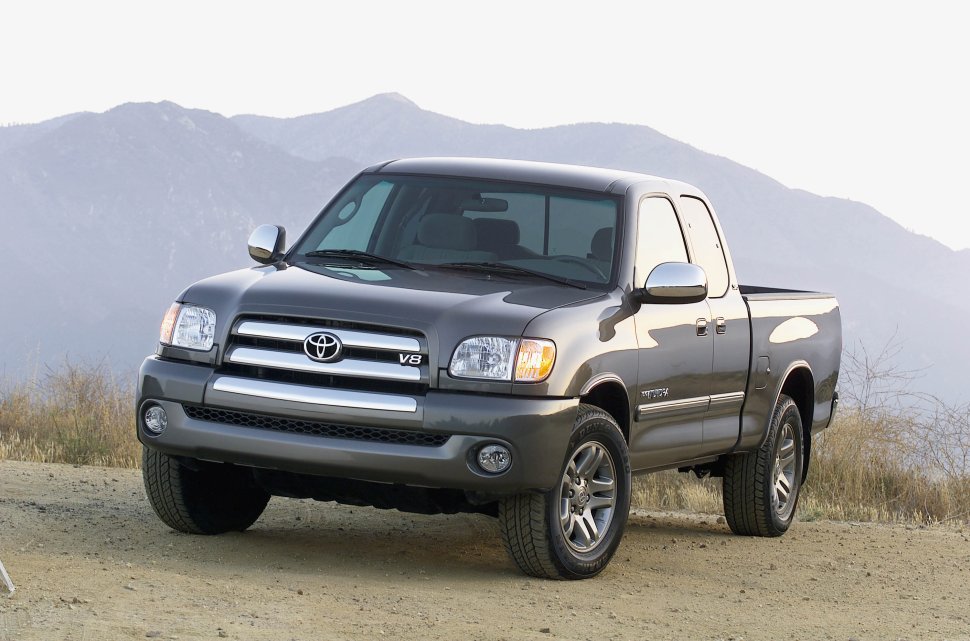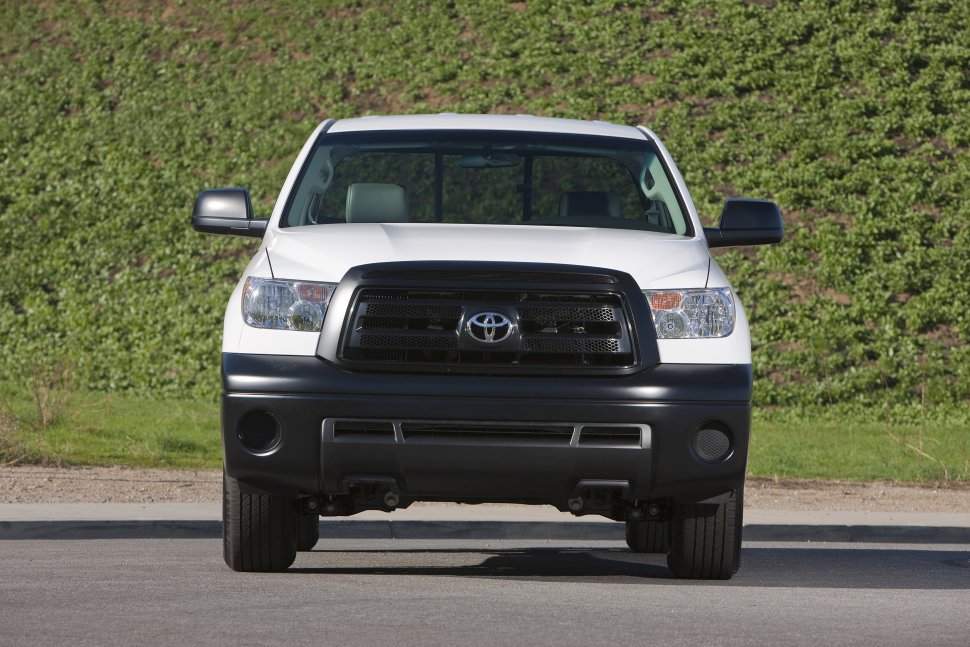
The Toyota Tundra II Regular Cab (facelift 2010) represents Toyota’s continued commitment to the full-size pickup truck market in North America. Introduced as a significant update to the second-generation Tundra, this model, produced from 2010 to 2013, aimed to enhance the truck’s appeal with refreshed styling, improved features, and a powerful V8 engine option. While Toyota trucks have a strong presence globally, the Tundra was specifically designed and engineered to compete directly with domestic American pickup trucks like the Ford F-150, Chevrolet Silverado, and Ram 1500. The Regular Cab configuration offered a more utilitarian and work-focused option within the Tundra lineup, prioritizing practicality and affordability.
Toyota Tundra II Regular Cab: A Detailed Overview
The facelifted 2010 Tundra brought subtle but noticeable changes to the exterior and interior, enhancing its overall aesthetic. However, the core strength of the Tundra II remained its robust construction, powerful engine options, and reputation for reliability. The Regular Cab model, with its two doors and three-passenger seating, catered to buyers who needed a capable work truck without the added size and complexity of extended or crew cab configurations. It served as a popular choice for fleet vehicles, contractors, and individuals requiring a durable and dependable pickup for hauling and towing.
Engine & Performance
The 2010-2013 Toyota Tundra II Regular Cab offered a range of engine options, but the 5.7-liter V8 32V engine was the top-tier choice, delivering substantial power and torque. This engine, designated 3UR-FE, produced 381 horsepower at 5600 rpm and 401.23 lb-ft of torque at 3600 rpm. The naturally aspirated V8 featured a 10.2:1 compression ratio, multi-port fuel injection, and Toyota’s VVT-i (Variable Valve Timing-intelligent) technology for optimized performance and efficiency. The engine’s longitudinal front-mount configuration and pairing with a six-speed automatic transmission provided smooth and responsive power delivery. The weight-to-power ratio of 6 kg/Hp and weight-to-torque ratio of 4.2 kg/Nm demonstrated the engine’s ability to move the substantial weight of the truck effectively. Fuel economy figures were rated at 18 l/100 km (13.1 US mpg) in urban driving and 13.8 l/100 km (17 US mpg) in extra-urban conditions.
Design & Features
The Toyota Tundra II Regular Cab maintained the rugged and functional design language of the second-generation Tundra. Its body-on-frame construction provided a solid foundation for demanding tasks. The Regular Cab configuration featured two doors and a standard three-person bench seat. The truck’s exterior styling was characterized by a bold front grille, prominent headlights, and a muscular profile. Key features included a substantial cargo bed, capable of handling significant payloads (up to 690 kg / 1521.19 lbs). The Tundra’s 4×4 drivetrain, coupled with a ground clearance of 269 mm (10.59 in), provided excellent off-road capability. Safety features, while evolving with the era, included ABS (Anti-lock Braking System) and ventilated disc brakes on all four wheels. The interior, while focused on durability, offered essential comfort features for the driver and passengers. The truck’s dimensions – a length of 5329 mm (209.8 in), a width of 2029 mm (79.88 in), and a height of 1925 mm (75.79 in) – positioned it squarely within the full-size pickup truck segment.
Technical Specifications
| Brand | Toyota |
| Model | Tundra |
| Generation | Tundra II Regular Cab (facelift 2010) |
| Type (Engine) | 5.7 V8 32V (381 Hp) 4×4 Automatic |
| Start of production | 2010 |
| End of production | 2013 |
| Powertrain Architecture | Internal Combustion engine |
| Body type | Pick-up |
| Seats | 3 |
| Doors | 2 |
| Fuel consumption (urban) | 18 l/100 km (13.1 US mpg) |
| Fuel consumption (extra urban) | 13.8 l/100 km (17 US mpg) |
| Fuel Type | Petrol (Gasoline) |
| Weight-to-power ratio | 6 kg/Hp |
| Weight-to-torque ratio | 4.2 kg/Nm |
| Power | 381 Hp @ 5600 rpm |
| Torque | 544 Nm @ 3600 rpm (401.23 lb.-ft. @ 3600 rpm) |
| Engine layout | Front, Longitudinal |
| Engine Model/Code | 3UR-FE |
| Engine displacement | 5663 cm3 (345.58 cu. in.) |
| Number of cylinders | 8 |
| Engine configuration | V-engine |
| Cylinder Bore | 94 mm (3.7 in.) |
| Piston Stroke | 102 mm (4.02 in.) |
| Compression ratio | 10.2:1 |
| Number of valves per cylinder | 4 |
| Fuel injection system | Multi-port manifold injection |
| Engine aspiration | Naturally aspirated engine |
| Valvetrain | DOHC, VVT-i |
| Kerb Weight | 2304 kg (5079.45 lbs.) |
| Max. weight | 2994 kg (6600.64 lbs.) |
| Max load | 690 kg (1521.19 lbs.) |
| Fuel tank capacity | 100 l (26.42 US gal | 22 UK gal) |
| Permitted trailer load with brakes (12%) | 4581 kg (10099.38 lbs.) |
| Length | 5329 mm (209.8 in.) |
| Width | 2029 mm (79.88 in.) |
| Height | 1925 mm (75.79 in.) |
| Wheelbase | 3221 mm (126.81 in.) |
| Front track | 1725 mm (67.91 in.) |
| Rear (Back) track | 1725 mm (67.91 in.) |
| Ride height (ground clearance) | 269 mm (10.59 in.) |
| Minimum turning circle (turning diameter) | 13.4 m (43.96 ft.) |
| Approach angle | 27° |
| Departure angle | 26° |
| Drive wheel | All wheel drive (4×4) |
| Number of gears and type of gearbox | 6 gears, automatic transmission |
| Front suspension | Double wishbone |
| Rear suspension | Leaf spring |
| Front brakes | Ventilated discs |
| Rear brakes | Ventilated discs |
| Assisting systems | ABS (Anti-lock braking system) |
| Steering type | Steering rack and pinion |
| Power steering | Hydraulic Steering |
| Tires size | 255/70 R18 |
| Wheel rims size | 8.0J x 18 |
The Toyota Tundra II Regular Cab (facelift 2010) with the 5.7-liter V8 engine represented a compelling option for buyers seeking a powerful, reliable, and capable full-size pickup truck. Its blend of performance, durability, and practicality solidified its position as a significant contender in the competitive North American truck market.