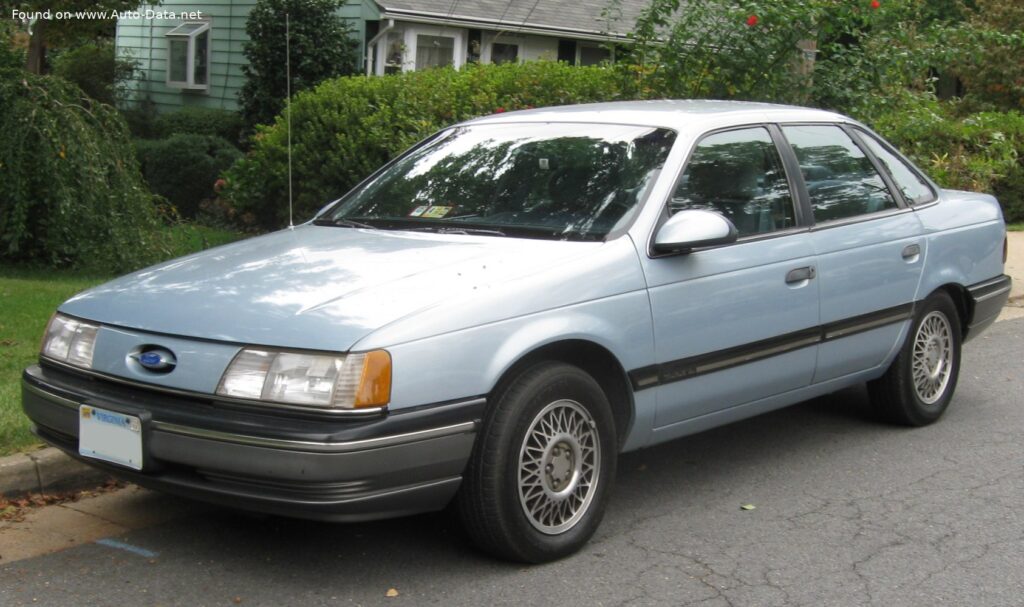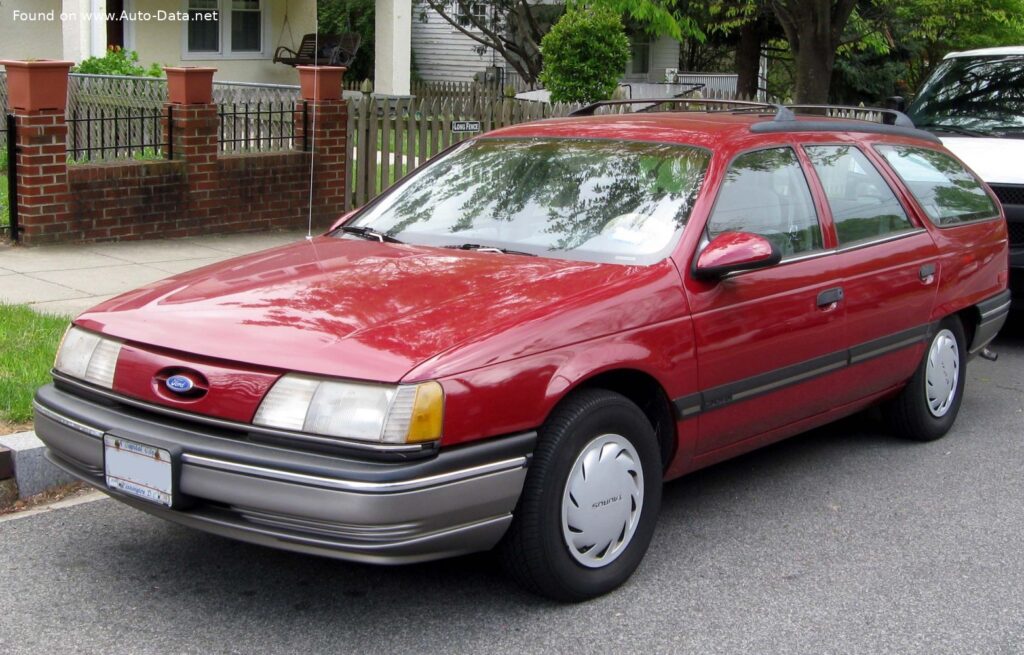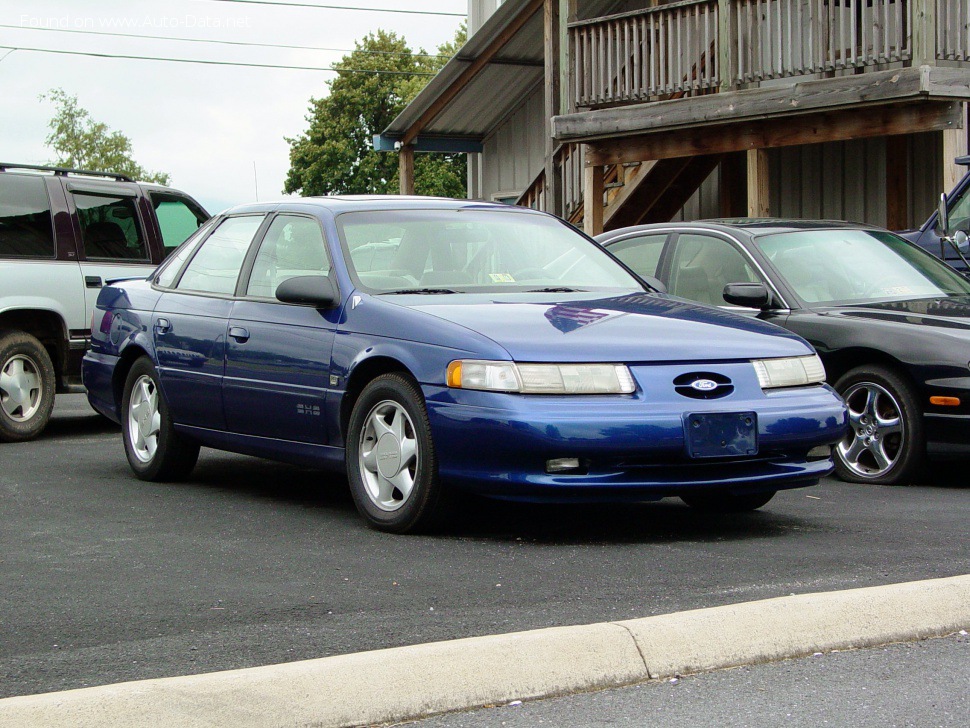
The Ford Taurus II SHO, specifically the 3.0 V6 24V5 variant produced between 1992 and 1995, represents a performance-oriented iteration of the popular Ford Taurus. The “SHO” designation, standing for Super High Output, signified a commitment to delivering a more engaging driving experience than the standard Taurus models. This generation of the Taurus, while maintaining the family sedan practicality, aimed to attract buyers seeking a blend of comfort, space, and respectable performance. It occupied a unique niche, bridging the gap between mainstream sedans and more overtly sporty offerings. The Taurus II SHO was primarily a North American market vehicle, contributing to Ford’s strategy of offering diverse options within its model lineup.
Ford Taurus II SHO: A Performance Sedan
The Taurus II SHO distinguished itself through its Yamaha-designed and built 3.0-liter V6 engine. This engine was a significant departure from the standard Taurus powertrains, featuring a more sophisticated 24-valve cylinder head and a higher compression ratio. The collaboration with Yamaha was crucial, bringing Japanese precision engineering to the American automotive landscape. The SHO wasn’t simply about straight-line speed; it was about a more refined and responsive driving experience, offering a noticeable upgrade in handling and overall dynamics compared to its counterparts.
Engine & Performance
At the heart of the Taurus II SHO lies the 3.0-liter V6 engine, producing 223 horsepower at 6200 rpm and 271 Nm (199.88 lb.-ft.) of torque at 4800 rpm. This naturally aspirated engine, with its multi-port fuel injection system, delivered a power-to-weight ratio of 142.5 hp per tonne and a torque-to-weight ratio of 173.2 Nm per tonne. The engine’s 9.8:1 compression ratio and 4 valves per cylinder contributed to its spirited performance. Power is delivered to the front wheels via a 4-speed automatic transmission. While not a groundbreaking power figure by modern standards, in the early 1990s, it provided a competitive edge within the mid-size sedan segment. The engine’s maximum speed is rated at 7000 rpm. The engine layout is front, transverse, optimizing space within the front-wheel-drive configuration.
Design & Features
The Ford Taurus II SHO retained the aerodynamic styling of the second-generation Taurus, characterized by its rounded contours and relatively conservative design. However, subtle visual cues differentiated the SHO from standard models, including unique wheels, a rear spoiler, and often, a more subdued color palette. The body type is a four-door sedan, offering seating for five passengers. Inside, the SHO typically featured upgraded interior trim and bolstered seats, enhancing the sporty feel. Safety features for the era included ABS (Anti-lock Braking System), a significant advancement in braking technology at the time. The focus was on providing a comfortable and practical interior while hinting at the performance capabilities lurking beneath the hood. Trunk space is a practical 507 liters (17.9 cubic feet). The vehicle’s dimensions – 4877 mm (192.01 in) in length, 1808 mm (71.18 in) in width, and 1374 mm (54.09 in) in height – positioned it squarely within the mid-size sedan category.
Technical Specifications
| Brand | Ford |
| Model | Taurus |
| Generation | Taurus II |
| Type (Engine) | SHO 3.0 V6 24V5 (223 Hp) Automatic |
| Start of production | 1992 |
| End of production | 1995 |
| Powertrain Architecture | Internal Combustion engine |
| Body type | Sedan |
| Seats | 5 |
| Doors | 4 |
| Fuel Type | Petrol (Gasoline) |
| Weight-to-power ratio | 7 kg/Hp |
| Weight-to-torque ratio | 5.8 kg/Nm |
| Power | 223 Hp @ 6200 rpm |
| Power per litre | 74.7 Hp/l |
| Torque | 271 Nm @ 4800 rpm / 199.88 lb.-ft. @ 4800 rpm |
| Maximum engine speed | 7000 rpm |
| Engine layout | Front, Transverse |
| Engine displacement | 2986 cm3 / 182.22 cu. in. |
| Number of cylinders | 6 |
| Engine configuration | V-engine |
| Cylinder Bore | 89 mm / 3.5 in |
| Piston Stroke | 80 mm / 3.15 in |
| Compression ratio | 9.8:1 |
| Number of valves per cylinder | 4 |
| Fuel injection system | Multi-port manifold injection |
| Engine aspiration | Naturally aspirated engine |
| Kerb Weight | 1565 kg / 3450.23 lbs |
| Trunk (boot) space – minimum | 507 l / 17.9 cu. ft |
| Fuel tank capacity | 70 l / 18.49 US gal | 15.4 UK gal |
| Length | 4877 mm / 192.01 in |
| Width | 1808 mm / 71.18 in |
| Height | 1374 mm / 54.09 in |
| Wheelbase | 2692 mm / 105.98 in |
| Front track | 1562 mm / 61.5 in |
| Rear (Back) track | 1537 mm / 60.51 in |
| Minimum turning circle (turning diameter) | 11.76 m / 38.58 ft |
| Drivetrain Architecture | The Internal combustion engine (ICE) drives the front wheels of the vehicle. |
| Drive wheel | Front wheel drive |
| Number of gears and type of gearbox | 4 gears, automatic transmission |
| Front suspension | Wishbone |
| Rear suspension | Wishbone |
| Front brakes | Ventilated discs |
| Rear brakes | Disc |
| Assisting systems | ABS (Anti-lock braking system) |
| Steering type | Steering rack and pinion |
| Tires size | 215/60 R16 |
| Wheel rims size | 16 |
The Ford Taurus II SHO, while not a high-volume seller, remains a fondly remembered vehicle among enthusiasts. Its Yamaha-engineered engine and subtle performance enhancements set it apart from the standard Taurus, offering a compelling alternative for those seeking a more engaging driving experience in a practical and comfortable package. It represents a unique chapter in Ford’s history, demonstrating a willingness to experiment with performance variants within its mainstream model lines.