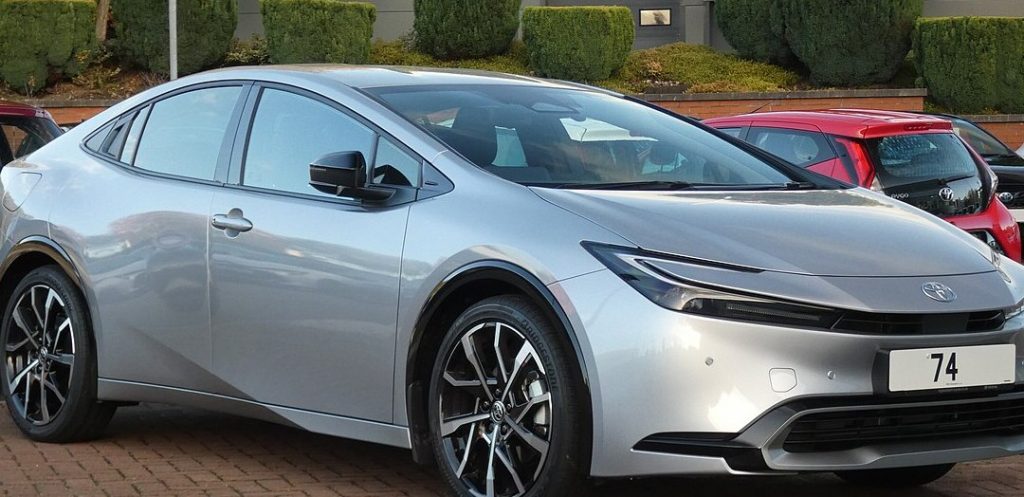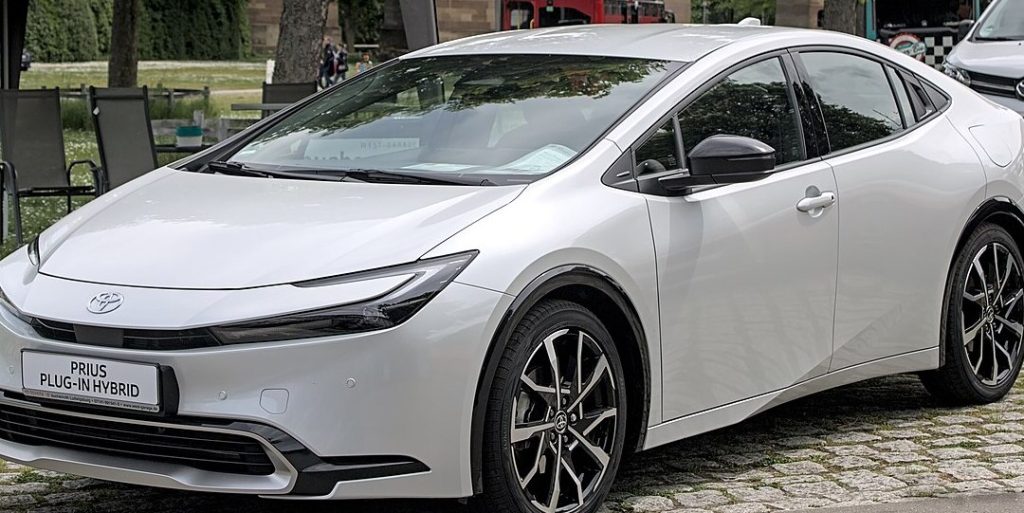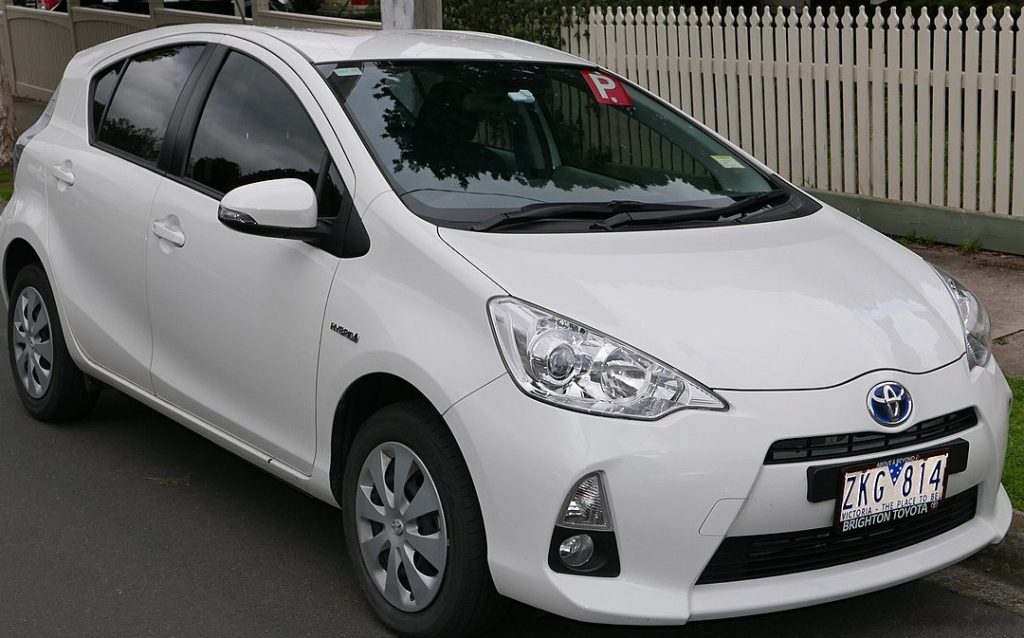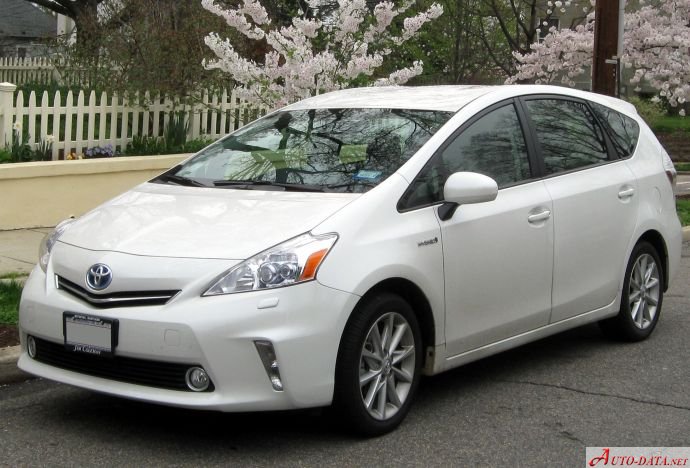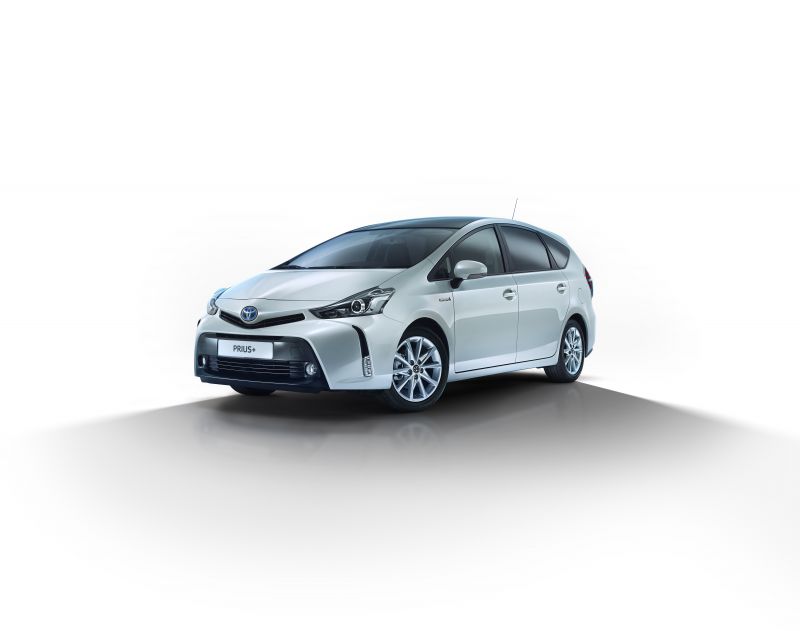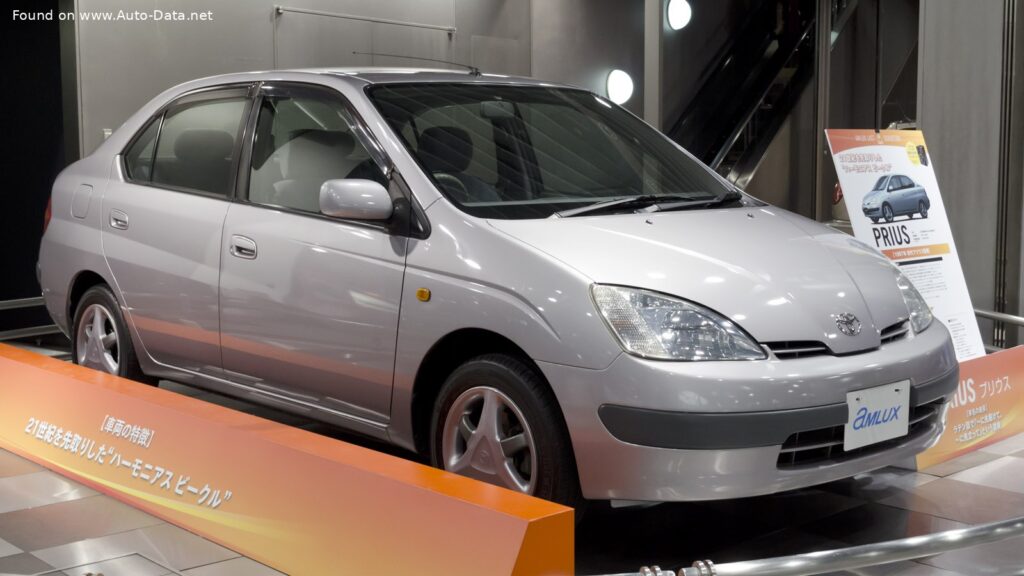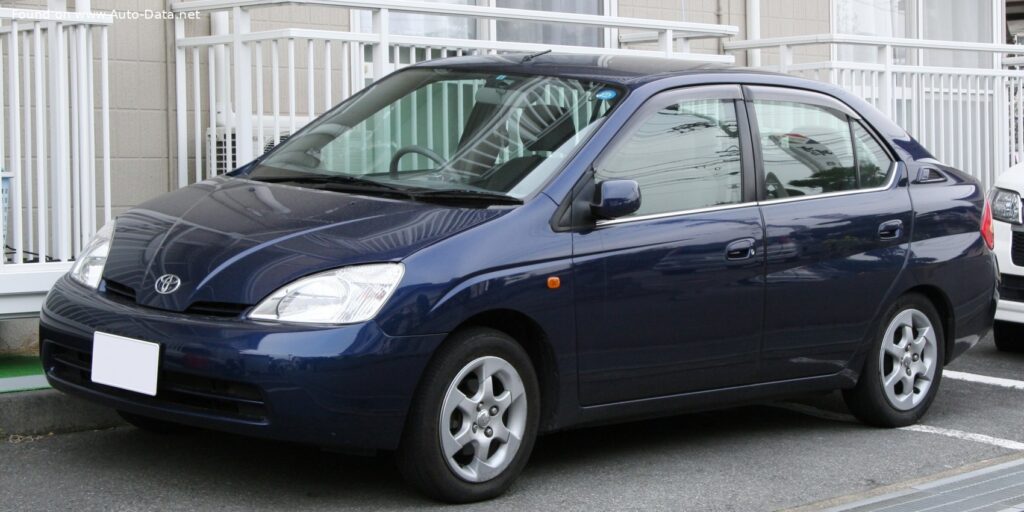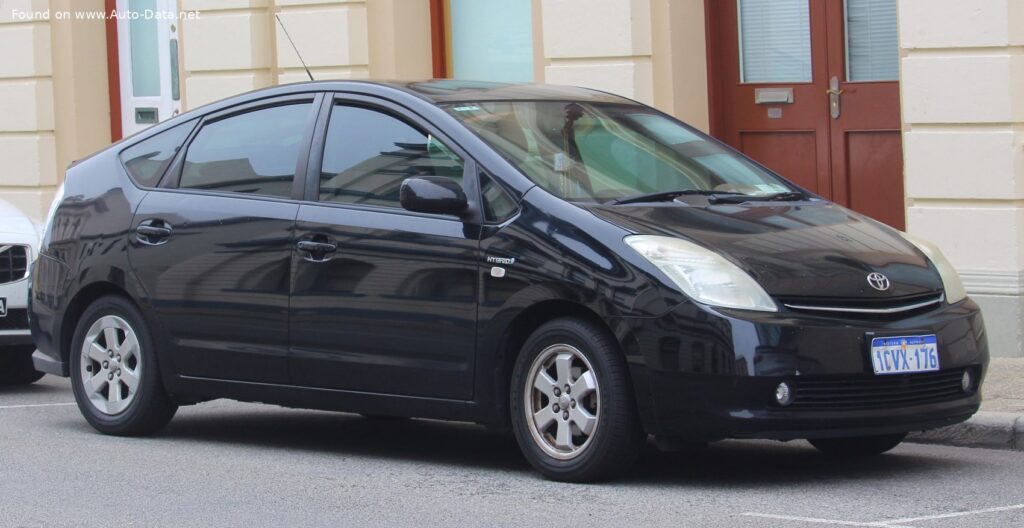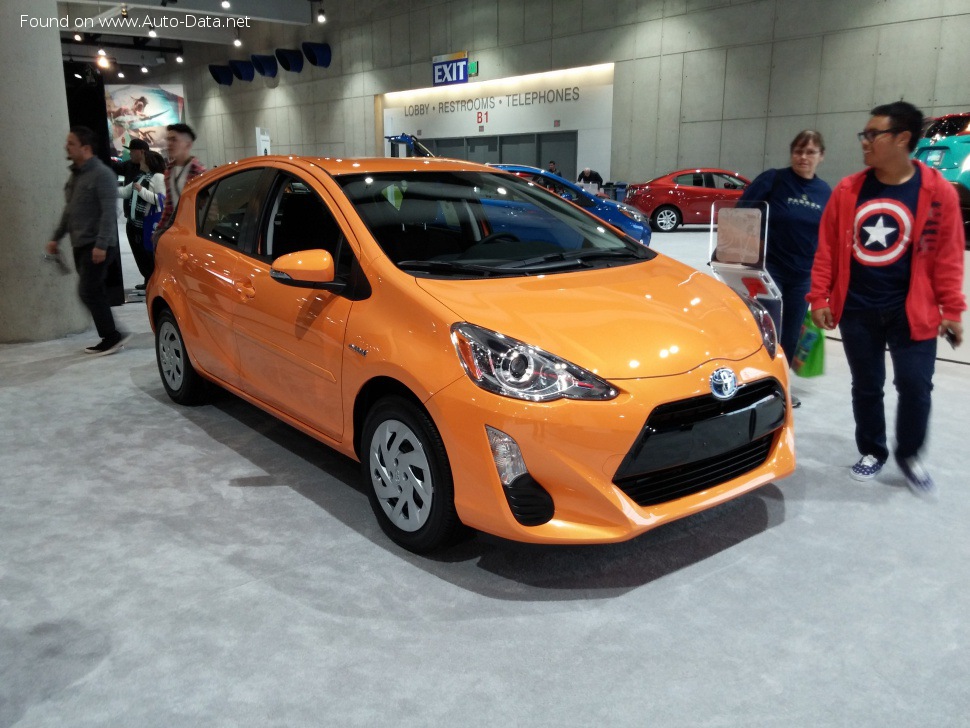
The Toyota Prius c is a subcompact hybrid hatchback that was produced from 2017 to 2019. Positioned as the most affordable and smallest member of the Prius family, the Prius c (the “c” denoting “compact”) was primarily aimed at urban drivers seeking fuel efficiency and practicality. While not originally designed for the North American market – it was largely based on the Japanese Toyota Aqua – it found a niche audience in the United States due to its excellent gas mileage and maneuverability in city environments. The Prius c represents Toyota’s continued commitment to hybrid technology and providing accessible eco-friendly transportation options.
Toyota Prius c: A Detailed Overview
The Prius c, despite its relatively short production run for the 2017-2019 model years, played a significant role in expanding the Prius brand’s appeal. It offered a more accessible entry point into hybrid ownership compared to the larger, more expensive Prius liftback. The vehicle’s design prioritized fuel economy and ease of parking, making it a popular choice for commuters and city dwellers. It utilized Toyota’s Hybrid Synergy Drive system, combining a gasoline engine with an electric motor to deliver impressive fuel efficiency.
Engine & Performance
The 2017-2019 Toyota Prius c is powered by a 1.5-liter inline-four cylinder gasoline engine, designated the 1NZ-FXE. This engine produces 73 horsepower at 4800 rpm and 81.87 lb-ft of torque at 4000 rpm. However, the total system output, when combined with the electric motor, reaches 101 horsepower. The electric motor itself contributes 61 horsepower and 124.65 lb-ft of torque. Power is delivered to the front wheels via a continuously variable transmission (e-CVT), which seamlessly blends the power from both the engine and the electric motor. Acceleration from 0 to 60 mph takes approximately 10.9 seconds, and the vehicle has a top speed of 106.25 mph. The Prius c’s focus isn’t on outright speed, but rather on maximizing fuel efficiency. The weight-to-power ratio is 11.4 kg/Hp, and the weight-to-torque ratio is 10.3 kg/Nm.
Design & Features
The Prius c is a five-door hatchback with a distinctive, modern design. Its compact dimensions – measuring 4125 mm (162.4 in) in length, 1742 mm (68.58 in) in width, and 1514 mm (59.61 in) in height – make it easy to maneuver and park in tight urban spaces. The interior comfortably seats five passengers and offers 484 liters (17.09 cu. ft.) of trunk space.
Safety features, while standard for the era, included Anti-lock Braking System (ABS). The Prius c’s hybrid system allows for short periods of all-electric driving, further enhancing fuel economy and reducing emissions. The battery, a 144V Nickel-metal hydride (NiMH) unit, is located under the rear seats, minimizing its impact on passenger or cargo space. Other notable features include electric power steering and a McPherson strut front suspension paired with a torsion beam rear suspension, providing a comfortable and controlled ride.
Technical Specifications
| Brand | Toyota |
| Model | Prius c |
| Generation | Prius c |
| Type (Engine) | 1.5 (101 Hp) Hybrid e-CVT |
| Start of production | 2017 |
| End of production | 2019 |
| Powertrain Architecture | FHEV (Full Hybrid Electric Vehicle) |
| Body type | Hatchback |
| Seats | 5 |
| Doors | 5 |
| Fuel consumption (economy) – urban | 4.9 l/100 km (48 US mpg, 57.6 UK mpg, 20.4 km/l) |
| Fuel consumption (economy) – extra urban | 5.5 l/100 km (42.8 US mpg, 51.4 UK mpg, 18.2 km/l) |
| Fuel consumption (economy) – combined | 5.1 l/100 km (46.1 US mpg, 55.4 UK mpg, 19.6 km/l) |
| Fuel Type | Petrol (Gasoline) |
| Acceleration 0 – 100 km/h | 11.5 sec |
| Acceleration 0 – 62 mph | 11.5 sec |
| Acceleration 0 – 60 mph | 10.9 sec |
| Maximum speed | 171 km/h (106.25 mph) |
| Weight-to-power ratio | 11.4 kg/Hp |
| Weight-to-torque ratio | 10.3 kg/Nm |
| Battery voltage | 144 V |
| Battery technology | Nickel-metal hydride (NiMH) |
| Battery location | Under the rear seats |
| Electric motor power | 61 Hp |
| Electric motor Torque | 169 Nm (124.65 lb.-ft.) |
| Electric motor location | Integrated into the transmission |
| Electric motor type | Synchronous |
| System power | 101 Hp |
| Power | 73 Hp @ 4800 rpm |
| Torque | 111 Nm @ 4000 rpm (81.87 lb.-ft. @ 4000 rpm) |
| Engine layout | Front, Transverse |
| Engine Model/Code | 1NZ-FXE |
| Engine displacement | 1497 cm3 (91.35 cu. in.) |
| Number of cylinders | 4 |
| Engine configuration | Inline |
| Cylinder Bore | 74.93 mm (2.95 in.) |
| Piston Stroke | 84.58 mm (3.33 in.) |
| Compression ratio | 13.4:1 |
| Number of valves per cylinder | 4 |
| Fuel injection system | Multi-port manifold injection |
| Engine aspiration | Naturally aspirated engine |
| Valvetrain | DOHC, VVT-i |
| Engine oil capacity | 3.7 l (3.91 US qt | 3.26 UK qt) |
| Coolant | 5.3 l (5.6 US qt | 4.66 UK qt) |
| Kerb Weight | 1148 kg (2530.91 lbs.) |
| Trunk (boot) space – minimum | 484 l (17.09 cu. ft.) |
| Fuel tank capacity | 36 l (9.51 US gal | 7.92 UK gal) |
| Length | 4125 mm (162.4 in.) |
| Width | 1742 mm (68.58 in.) |
| Height | 1514 mm (59.61 in.) |
| Wheelbase | 2550 mm (100.39 in.) |
| Front track | 1481 mm (58.31 in.) |
| Rear (Back) track | 1476 mm (58.11 in.) |
| Ride height (ground clearance) | 140 mm (5.51 in.) |
| Minimum turning circle (turning diameter) | 9.6 m (31.5 ft.) |
| Drivetrain Architecture | Front wheel drive. FHEV (Full Hybrid Electric Vehicle). |
| Drive wheel | Front wheel drive |
| Number of gears and type of gearbox | automatic transmission e-CVT |
| Front suspension | Independent, type McPherson with coil spring and anti-roll bar |
| Rear suspension | Torsion |
| Front brakes | Ventilated discs, 254 mm |
| Rear brakes | Drum, 228.6 mm |
| Assisting systems | ABS (Anti-lock braking system) |
| Steering type | Steering rack and pinion |
| Power steering | Electric Steering |
| Tires size | 175/65 R15; 195/50 R16 |
| Wheel rims size | 5J x 15; 6J x 16 |
The Toyota Prius c, though discontinued after 2019, remains a compelling option in the used car market for those prioritizing fuel efficiency, reliability, and urban practicality. Its compact size and hybrid powertrain continue to make it a relevant and economical choice for environmentally conscious drivers.