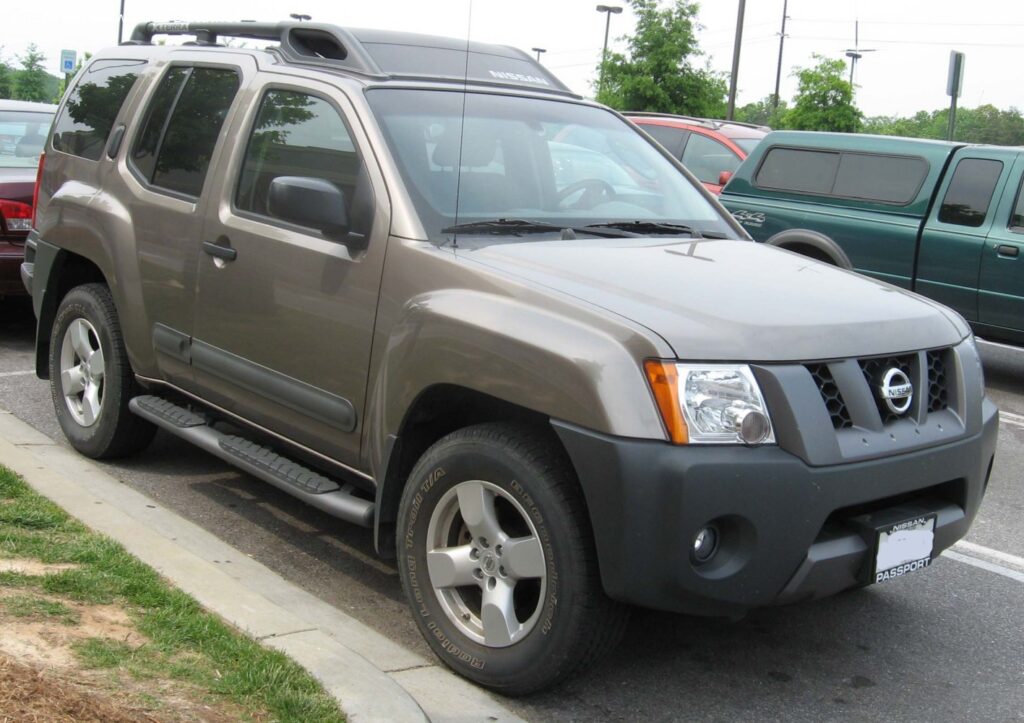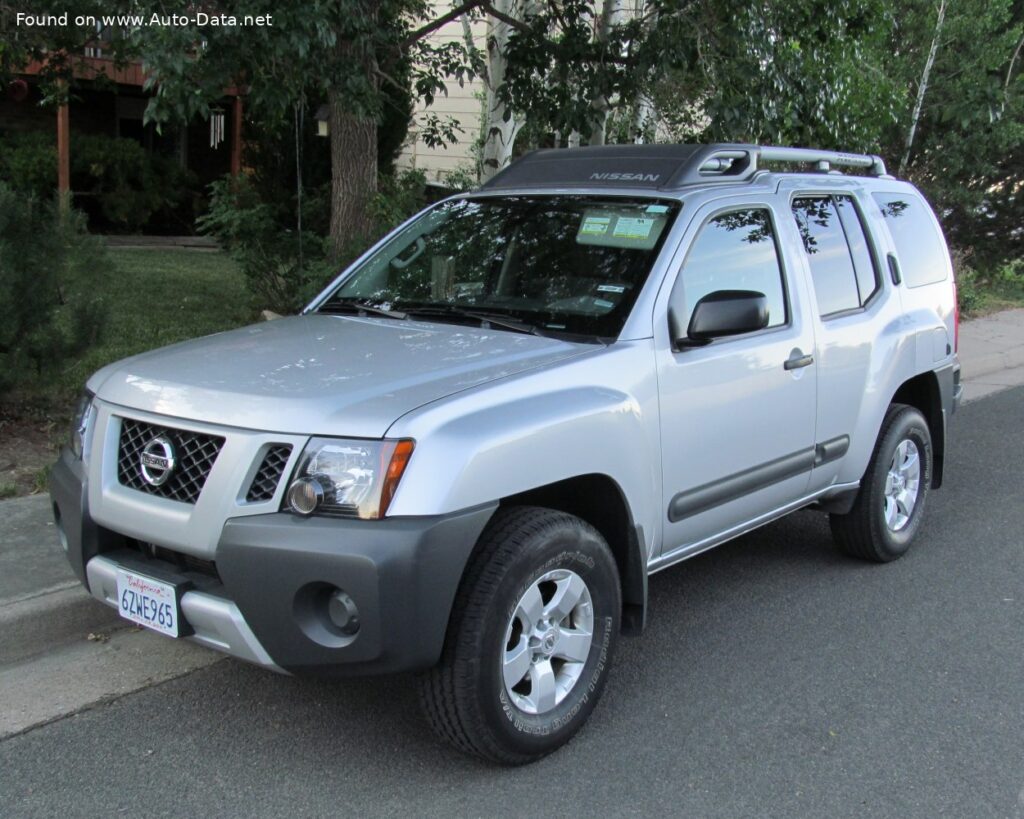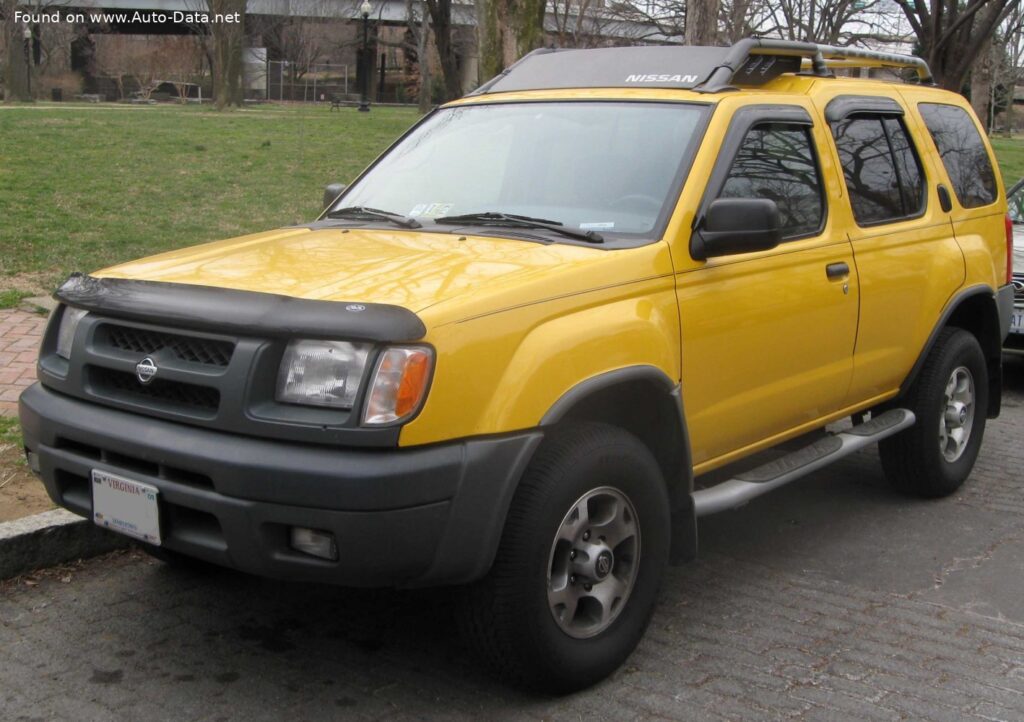
The Nissan Xterra, particularly the first generation (2002-2004) model, represented Nissan’s entry into the burgeoning mid-size SUV market in North America. Designed as a rugged, body-on-frame vehicle, the Xterra aimed to provide a more affordable and utilitarian alternative to established competitors like the Jeep Cherokee and Toyota 4Runner. While not initially a high-volume seller, the Xterra carved out a niche for itself among buyers seeking a capable off-road vehicle with ample cargo space and a relatively low price point. The Xterra I, powered by the 3.3-liter VG33E V6 engine, offered a blend of practicality and performance that appealed to outdoor enthusiasts and families alike.
Nissan Xterra I: A Detailed Overview
The first-generation Xterra, produced from 2002 to 2004, was built on the Nissan D22 pickup truck chassis, sharing many components with the Frontier. This foundation provided a robust and durable platform, lending itself well to both on-road driving and off-road adventures. The Xterra’s styling was distinctive for its time, featuring a boxy silhouette and a prominent front grille. It was offered exclusively as a five-door SUV with seating for five passengers. The vehicle was primarily sold in North America, with limited availability in other markets. It filled a gap in Nissan’s lineup, offering a more adventurous and off-road focused option compared to the more car-based Rogue crossover that would arrive later.
Engine & Performance
The heart of the Nissan Xterra I was the VG33E 3.3-liter V6 engine. This naturally aspirated engine produced 210 horsepower at 4800 rpm and 313 Nm (230.86 lb.-ft.) of torque at 2800 rpm. While not a powerhouse, the VG33E provided adequate power for everyday driving and off-road excursions. The engine featured multi-port fuel injection and an overhead camshaft (OHC) valvetrain. Power was delivered to all four wheels through a standard five-speed manual transmission, contributing to a relatively engaging driving experience. The Xterra’s weight-to-power ratio of 9 kg/Hp (110.5 Hp/tonne) and weight-to-torque ratio of 6.1 kg/Nm (164.7 Nm/tonne) indicated a reasonable level of performance for its class. The engine’s displacement of 3275 cm3 (199.85 cu. in.) and power per liter of 64.1 Hp/l were typical for V6 engines of that era. The Xterra could achieve a maximum speed of 210 km/h (130.49 mph).
Design & Features
The Nissan Xterra I was a traditional body-on-frame SUV, prioritizing durability and off-road capability. Its boxy design maximized interior space and cargo capacity. The five-door configuration provided easy access to both front and rear seats. Inside, the Xterra offered a functional and straightforward interior, with durable materials designed to withstand the rigors of outdoor use. Key features included a spacious cargo area, with a minimum capacity of 1260 liters (44.5 cu. ft.) and a maximum capacity of 1857 liters (65.58 cu. ft.) with the rear seats folded down. Standard safety features for the time included an Anti-lock Braking System (ABS) and hydraulic power steering. The Xterra’s suspension consisted of a double wishbone setup in the front and a leaf spring arrangement in the rear, providing a comfortable ride and good off-road articulation. The vehicle rode on 235/70 R15 tires, suitable for both on- and off-road driving.
Technical Specifications
| Brand | Nissan |
| Model | Xterra |
| Generation | Xterra I |
| Type (Engine) | 3.3 i V6 (210 Hp) 4WD |
| Start of production | 2002 |
| End of production | 2004 |
| Powertrain Architecture | Internal Combustion engine |
| Body type | SUV |
| Seats | 5 |
| Doors | 5 |
| Fuel consumption (urban) | 15.7 l/100 km (15 US mpg / 18 UK mpg) |
| Fuel consumption (extra urban) | 13.1 l/100 km (18 US mpg / 21.6 UK mpg) |
| Fuel Type | Petrol (Gasoline) |
| Maximum speed | 210 km/h (130.49 mph) |
| Weight-to-power ratio | 9 kg/Hp |
| Weight-to-torque ratio | 6.1 kg/Nm |
| Power | 210 Hp @ 4800 rpm |
| Torque | 313 Nm @ 2800 rpm (230.86 lb.-ft. @ 2800 rpm) |
| Engine layout | Front, Longitudinal |
| Engine Model/Code | VG33E |
| Engine displacement | 3275 cm3 (199.85 cu. in.) |
| Number of cylinders | 6 |
| Engine configuration | V-engine |
| Cylinder Bore | 91.5 mm (3.6 in.) |
| Piston Stroke | 83 mm (3.27 in.) |
| Number of valves per cylinder | 2 |
| Fuel injection system | Multi-port manifold injection |
| Engine oil capacity | 3.3 l (3.49 US qt | 2.9 UK qt) |
| Coolant capacity | 10.95 l (11.57 US qt | 9.63 UK qt) |
| Kerb Weight | 1900 kg (4188.78 lbs.) |
| Trunk (boot) space – minimum | 1260 l (44.5 cu. ft.) |
| Trunk (boot) space – maximum | 1857 l (65.58 cu. ft.) |
| Fuel tank capacity | 73 l (19.28 US gal | 16.06 UK gal) |
| Length | 4520 mm (177.95 in.) |
| Width | 1790 mm (70.47 in.) |
| Height | 1860 mm (73.23 in.) |
| Wheelbase | 2650 mm (104.33 in.) |
| Front track | 1525 mm (60.04 in.) |
| Rear track | 1505 mm (59.25 in.) |
| Drivetrain Architecture | All wheel drive (4×4) |
| Number of gears | 5 |
| Gearbox type | Manual transmission |
| Front suspension | Double wishbone |
| Rear suspension | Leaf spring |
| Front brakes | Ventilated discs |
| Rear brakes | Drum |
| Assisting systems | ABS (Anti-lock braking system) |
| Power steering | Hydraulic Steering |
| Tires size | 235/70 R15 |
The Nissan Xterra I, despite its relatively short production run, established a loyal following and laid the groundwork for future generations of the SUV. Its combination of ruggedness, practicality, and affordability made it a compelling choice for buyers seeking a versatile vehicle capable of handling both daily commutes and off-road adventures.