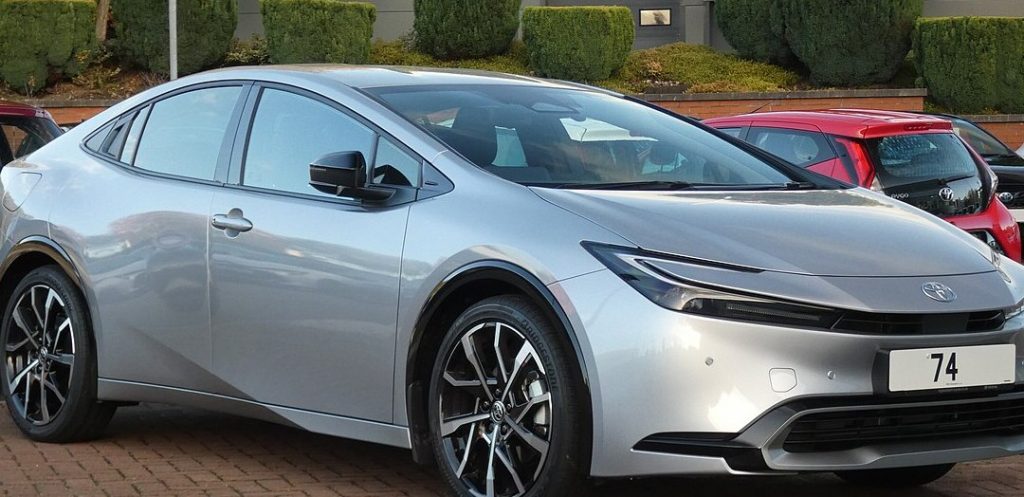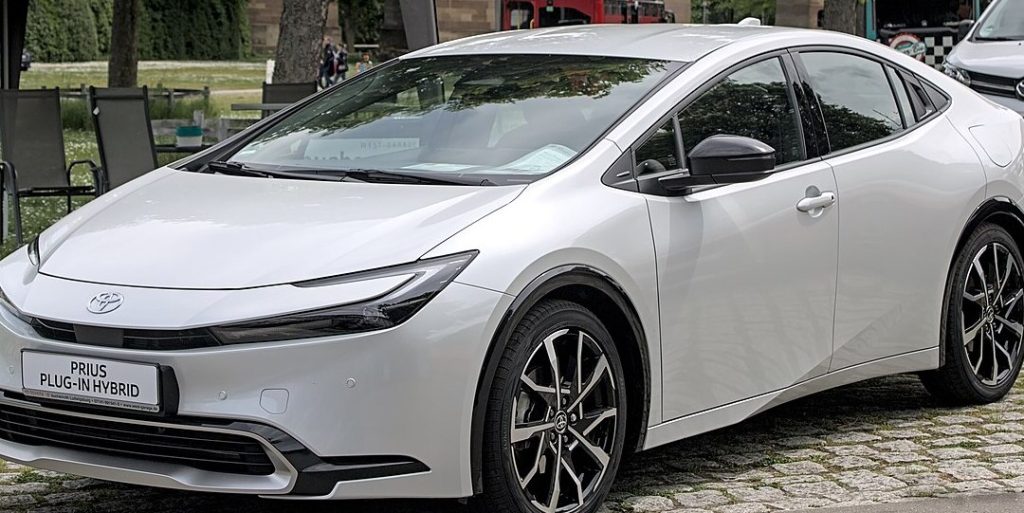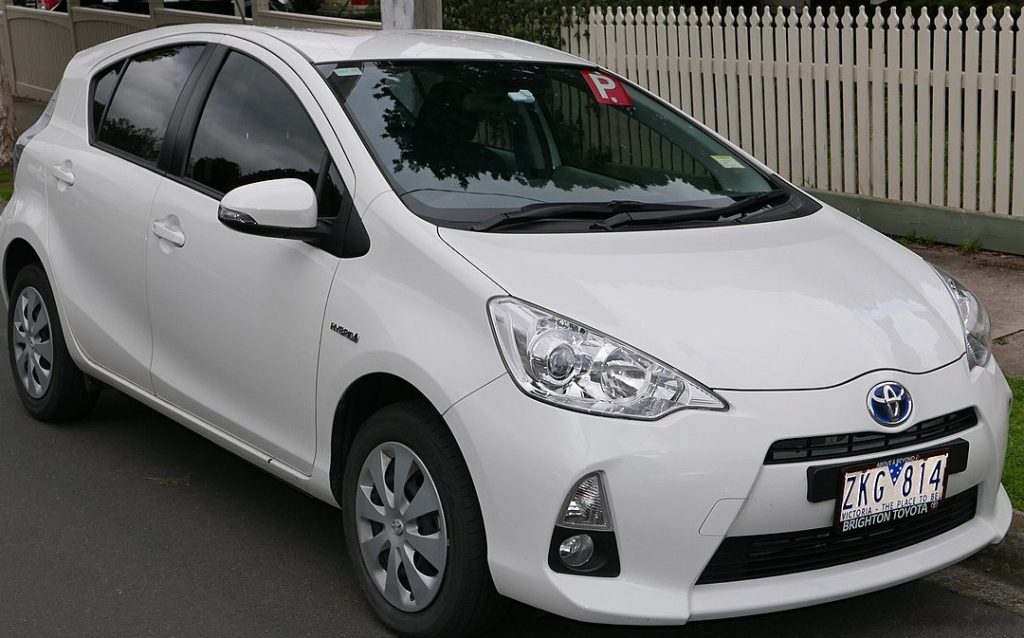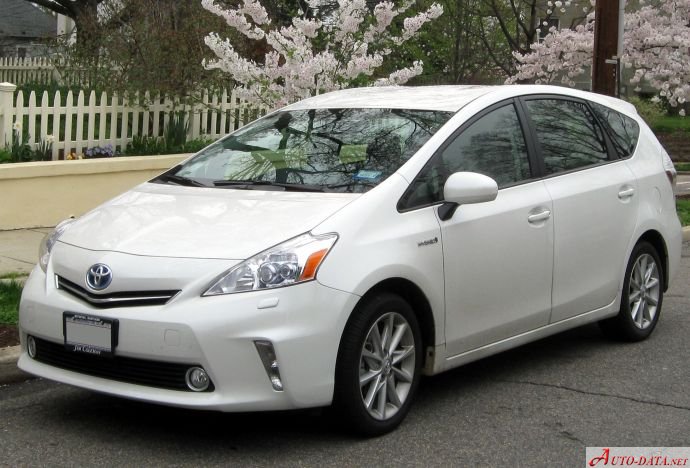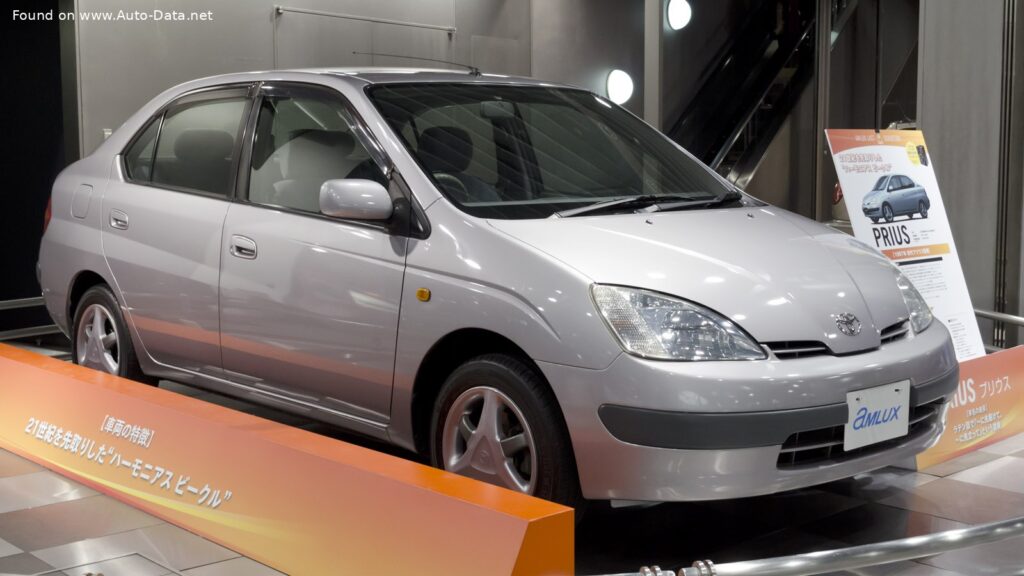
The Toyota Prius, launched in 1997 with the NHW10 generation, represents a pivotal moment in automotive history. As the world’s first mass-produced hybrid electric vehicle, the Prius I (as it’s often referred to) wasn’t simply a car; it was a statement about the future of personal transportation. Initially sold primarily in Japan and limited export markets, including the United States and Europe, the Prius I aimed to address growing concerns about fuel efficiency and emissions without sacrificing the convenience of a traditional automobile. It established Toyota as a leader in hybrid technology and paved the way for the widespread adoption of hybrid vehicles globally.
Toyota Prius I (NHW10): A Technological Pioneer
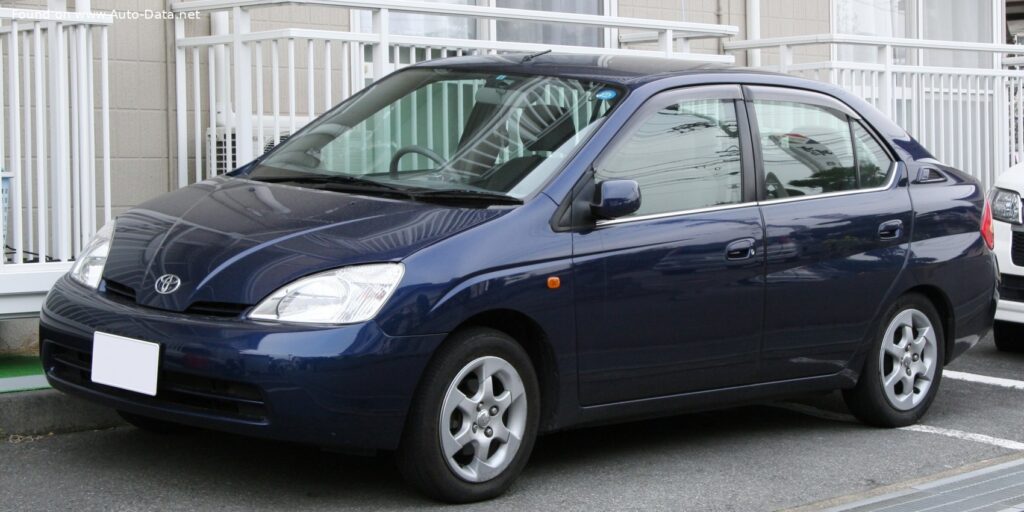
The Prius I, produced from 1997 to 2001, was a compact, four-door sedan designed to maximize fuel economy through a unique hybrid powertrain. Unlike conventional vehicles, the Prius combined a gasoline engine with an electric motor, allowing it to operate on electric power alone at low speeds and supplement the gasoline engine during acceleration or when extra power was needed. This innovative approach significantly reduced fuel consumption and emissions, making it a standout vehicle in its time. The car’s design, while somewhat unconventional for the late 1990s, prioritized aerodynamic efficiency, contributing to its overall fuel-saving capabilities.
Engine & Performance
At the heart of the Prius I lies the 1NZ-FXE 1.5-liter inline-four cylinder gasoline engine. This naturally aspirated engine produces 58 horsepower at 4000 rpm and 102 Nm (75.23 lb.-ft.) of torque, also at 4000 rpm. While these figures might seem modest by modern standards, they were sufficient for the Prius’s intended purpose – efficient urban commuting. The engine boasts a high compression ratio of 13.5:1, contributing to its thermal efficiency. The engine’s power-to-weight ratio is 46.8 HP/tonne, and the torque-to-weight ratio is 82.3 Nm/tonne. The engine utilizes a multi-port fuel injection system and a Double Overhead Camshaft (DOHC) valvetrain. The engine requires 3.7 liters (3.91 US qt, 3.26 UK qt) of engine oil and 4.9 liters (5.18 US qt, 4.31 UK qt) of coolant for optimal operation.
Design & Features
The Prius I’s body style is a traditional four-door sedan, offering seating for five passengers. Its exterior design, while not overtly sporty, was characterized by its aerodynamic shape, designed to minimize drag and improve fuel efficiency. The car’s interior focused on practicality and functionality, with a relatively spacious cabin for its size. Safety features for the era included an Anti-lock Braking System (ABS), a significant advancement at the time. The Prius I’s steering system is a rack and pinion type with electric power steering, providing responsive and precise handling. The vehicle rides on 165/65 R15 tires. Trunk space is a practical 390 liters (13.77 cu. ft.).
Technical Specifications
| General Information | |
| Brand | Toyota |
| Model | Prius |
| Generation | Prius I (NHW10) |
| Type (Engine) | 1.5 16V (58 Hp) |
| Start of production | 1997 |
| End of production | 2001 |
| Powertrain Architecture | Internal Combustion engine |
| Body type | Sedan |
| Seats | 5 |
| Doors | 4 |
| Performance Specs | |
| Fuel Type | Petrol (Gasoline) |
| Weight-to-power ratio | 21.4 kg/Hp |
| Weight-to-torque ratio | 12.2 kg/Nm |
| Engine Specs | |
| Power | 58 Hp @ 4000 rpm |
| Power per litre | 38.7 Hp/l |
| Torque | 102 Nm @ 4000 rpm / 75.23 lb.-ft. @ 4000 rpm |
| Engine layout | Front, Transverse |
| Engine Model/Code | 1NZ-FXE |
| Engine displacement | 1497 cm3 / 91.35 cu. in. |
| Number of cylinders | 4 |
| Engine configuration | Inline |
| Cylinder Bore | 75 mm / 2.95 in. |
| Piston Stroke | 84.7 mm / 3.33 in. |
| Compression ratio | 13.5:1 |
| Number of valves per cylinder | 4 |
| Fuel injection system | Multi-port manifold injection |
| Engine aspiration | Naturally aspirated engine |
| Valvetrain | DOHC |
| Engine oil capacity | 3.7 l / 3.91 US qt | 3.26 UK qt |
| Coolant | 4.9 l / 5.18 US qt | 4.31 UK qt |
| Space, Volume and Weights | |
| Kerb Weight | 1240 kg / 2733.73 lbs. |
| Max. weight | 1515 kg / 3340 lbs. |
| Max load | 275 kg / 606.27 lbs. |
| Trunk (boot) space – minimum | 390 l / 13.77 cu. ft. |
| Fuel tank capacity | 50 l / 13.21 US gal | 11 UK gal |
| Dimensions | |
| Length | 4275 mm / 168.31 in. |
| Width | 1695 mm / 66.73 in. |
| Height | 1490 mm / 58.66 in. |
| Wheelbase | 2550 mm / 100.39 in. |
| Front track | 1475 mm / 58.07 in. |
| Rear (Back) track | 1480 mm / 58.27 in. |
| Minimum turning circle (turning diameter) | 9.4 m / 30.84 ft. |
| Drivetrain, Brakes and Suspension Specs | |
| Drivetrain Architecture | The Internal combustion engine (ICE) drives the front wheels of the vehicle. |
| Drive wheel | Front wheel drive |
| Front suspension | Spring Strut |
| Rear suspension | Coil spring |
| Front brakes | Ventilated discs |
| Rear brakes | Drum |
| Assisting systems | ABS (Anti-lock braking system) |
| Steering type | Steering rack and pinion |
| Power steering | Electric Steering |
| Tires size | 165/65 R15 |
The Toyota Prius I (NHW10) wasn’t just a car; it was a bold step towards a more sustainable automotive future. While its power output may not have been impressive, its fuel efficiency and innovative hybrid technology set it apart from its contemporaries. It laid the groundwork for the Prius’s continued success and inspired other manufacturers to develop their own hybrid vehicles, ultimately changing the landscape of the automotive industry.