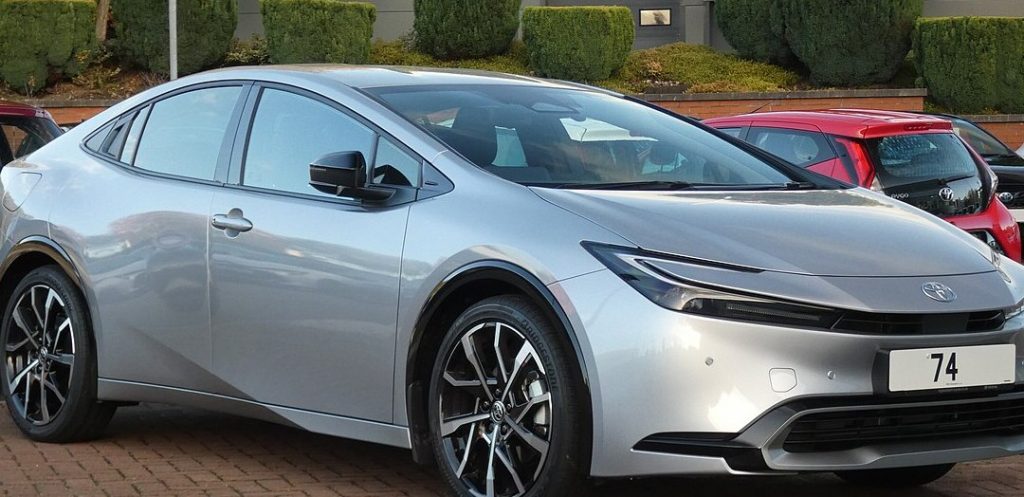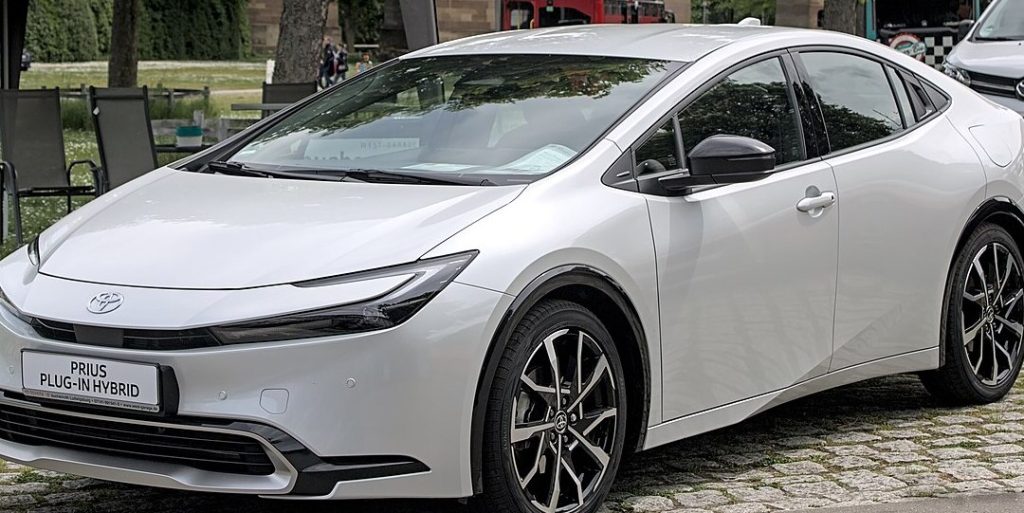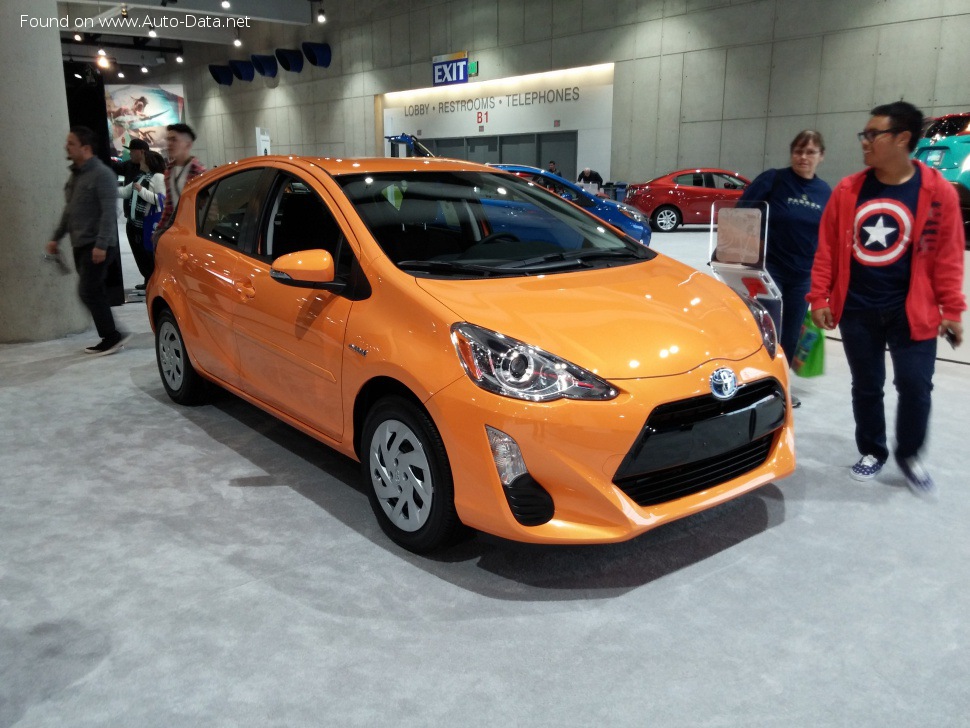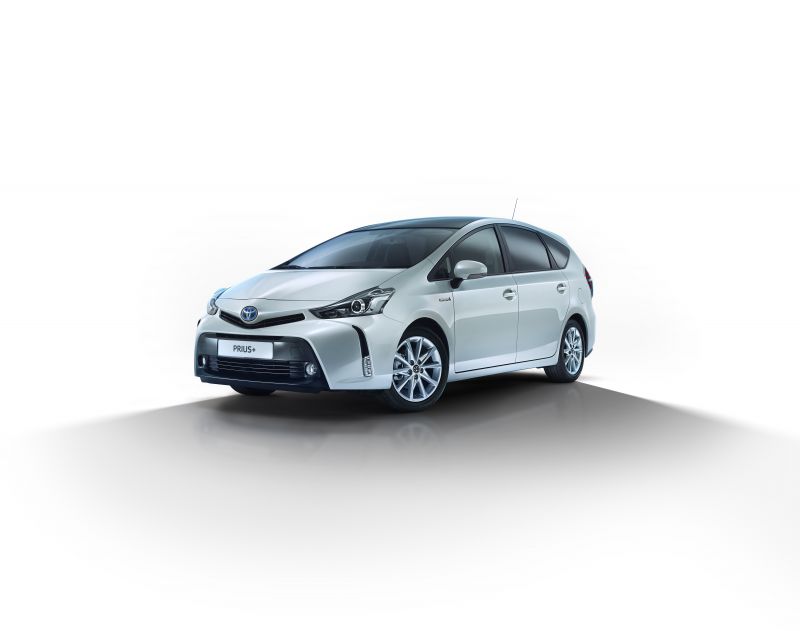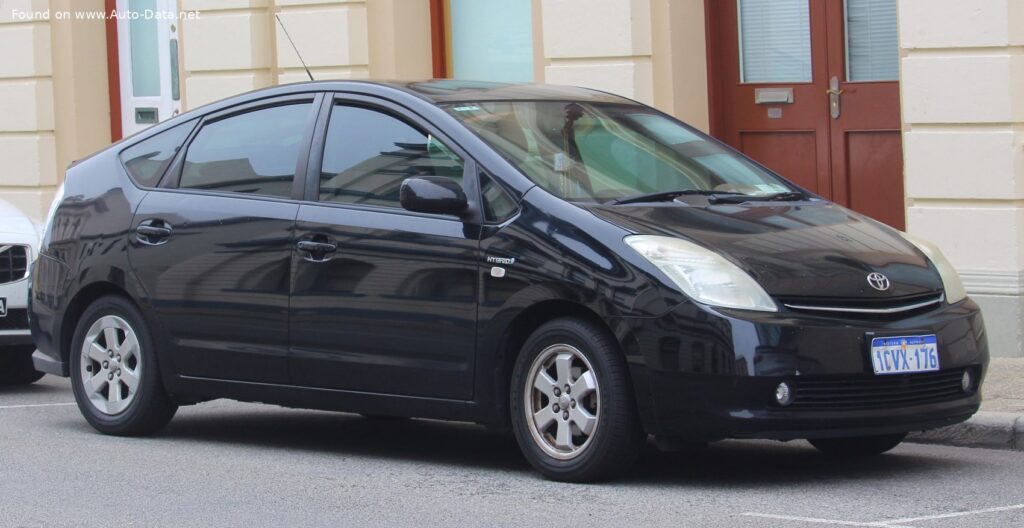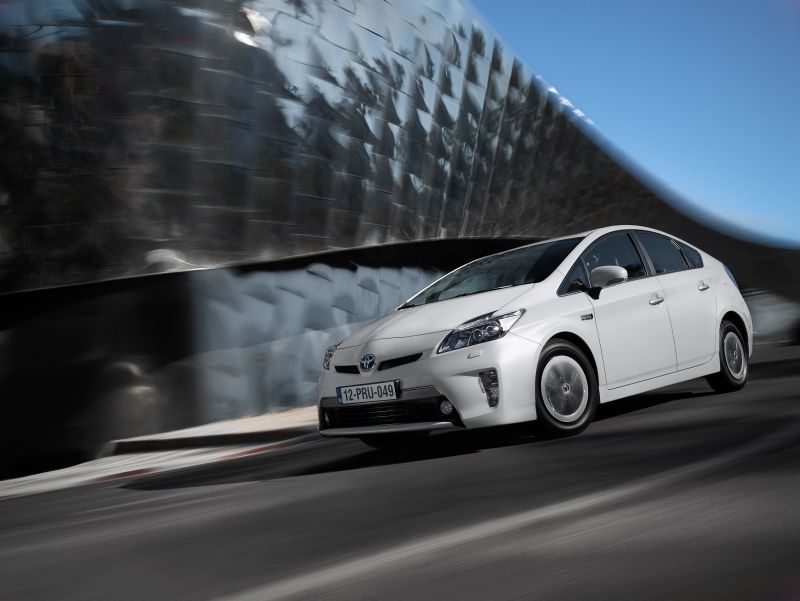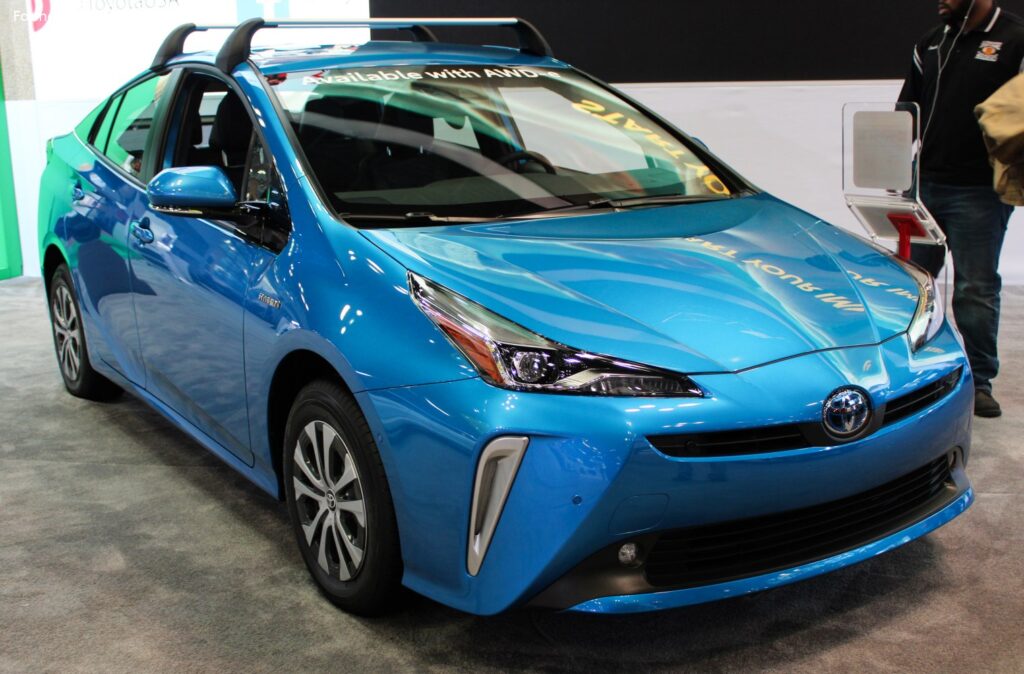
The Toyota Prius IV, specifically the XW50 generation with its 2018 facelift, represents a pivotal evolution in the lineage of the world’s most recognizable hybrid vehicle. The particular variant, the Toyota Prius IV (XW50, facelift 2018) 1.8 (122 Hp) Hybrid AWD-i e-CVT, was produced from 2018 to 2022, continuing the Prius’s legacy as a pioneer in fuel efficiency and environmental responsibility. This fourth-generation model, introduced globally, further refined the dedicated hybrid platform, offering a sophisticated blend of internal combustion and electric power. Its market segment remains that of a compact hybrid liftback, appealing to environmentally conscious consumers and those prioritizing low running costs. The 2018 facelift brought subtle yet impactful updates, most notably the introduction of an intelligent all-wheel-drive system, dubbed AWD-i, which significantly broadened the vehicle’s appeal and capability, especially in regions experiencing varied weather conditions. This iteration cemented the Prius’s position not just as an economy car, but as a technologically advanced and versatile family vehicle.
Powertrain and Performance of the Toyota Prius IV (XW50, facelift 2018)
At the heart of the Toyota Prius IV (XW50, facelift 2018) 1.8 (122 Hp) Hybrid AWD-i e-CVT lies a sophisticated Full Hybrid Electric Vehicle (FHEV) powertrain architecture, meticulously engineered for optimal efficiency and seamless power delivery. The system integrates a highly efficient 1.8-liter (1798 cm³) 2ZR-FXE inline four-cylinder gasoline engine, which operates on the Atkinson cycle for enhanced thermal efficiency. This naturally aspirated engine features Dual Overhead Camshafts (DOHC) and Toyota’s VVT-i (Variable Valve Timing-intelligent) system, contributing to its peak output of 97 horsepower at 5200 rpm and 104.73 lb.-ft. of torque at 3600 rpm. Its multi-port manifold injection system ensures precise fuel delivery, while a high compression ratio of 13:1 further aids in its impressive fuel economy.
Complementing the internal combustion engine are two electric motors, integral to the Prius’s hybrid functionality and its innovative AWD-i system. The primary electric motor (Electric Motor 1), integrated into the transaxle, delivers a robust 72 horsepower and 120.22 lb.-ft. of torque. This synchronous motor primarily assists the gasoline engine in driving the front wheels and acts as a generator during regenerative braking. The standout feature for this particular variant is the intelligent All-Wheel Drive system, enabled by a secondary electric motor (Electric Motor 2) positioned transversely at the rear axle. This rear electric motor, a synchronous type, contributes 7 horsepower and 40.57 lb.-ft. of torque. The AWD-i system provides electric power to the rear wheels when needed, such as during acceleration from a standstill or in low-grip conditions, without the added weight or complexity of a mechanical driveshaft, making it a highly efficient solution for enhanced traction.
The combined output of this sophisticated hybrid system is a respectable 122 horsepower. Power is seamlessly managed and delivered to the wheels via an electronically controlled Continuously Variable Transmission (e-CVT), which optimizes engine and motor speeds for both efficiency and responsiveness. This setup allows the Prius IV AWD-i to accelerate from 0 to 60 mph in a competitive 10.4 seconds, with a top speed electronically limited to 99.42 mph (160 km/h), reflecting its design priority for efficiency over outright speed. The FHEV architecture also allows for short periods of pure electric driving, especially at lower speeds, further reducing fuel consumption and emissions.
Fuel economy, a hallmark of the Prius, remains exceptional in this AWD-i variant. According to WLTP standards, the combined fuel consumption is an impressive 49 US mpg (4.8 l/100 km), with CO2 emissions ranging from 108-109 g/km, adhering to the stringent Euro 6 AG emission standard. This efficiency is achieved not only through the synergistic operation of the hybrid powertrain but also through features like a Start & Stop System and a particulate filter. The NiMH (Nickel-metal hydride) battery, with a gross capacity of 1.3 kWh and operating at 201.6 V, is strategically located under the rear seats, contributing to a balanced weight distribution and preserving cargo space.
Design and Key Features of the Toyota Prius IV (XW50, facelift 2018)
The design of the Toyota Prius IV (XW50, facelift 2018) maintains the distinctive aerodynamic profile that has become synonymous with the model, while incorporating subtle refinements from its 2018 facelift. As a five-door liftback, it masterfully blends practicality with an unmistakable silhouette, optimized for minimal air resistance, evident in its remarkably low drag coefficient of 0.24. This aerodynamic efficiency is crucial for maximizing fuel economy at higher speeds.
Dimensionally, the Prius IV stands at 180.12 inches (4575 mm) in length, 69.29 inches (1760 mm) in width, and 58.07 inches (1475 mm) in height, all riding on a generous 106.3-inch (2700 mm) wheelbase. These proportions contribute to a surprisingly spacious interior, accommodating five occupants comfortably. The liftback body style is particularly beneficial for cargo versatility, offering a minimum trunk space of 17.69 cubic feet (501 liters), which expands significantly to an impressive 57.67 cubic feet (1633 liters) when the rear seats are folded down. This makes the Prius a highly practical vehicle for daily commutes and weekend excursions alike, capable of swallowing a substantial amount of luggage or gear.
Underpinning the ride quality and handling of the Prius IV is a well-engineered chassis. The front suspension employs an independent McPherson strut design, known for its balance of comfort and precise steering response. At the rear, a double wishbone setup provides superior handling dynamics and ride refinement, a notable upgrade over earlier generations. Braking performance is assured by ventilated discs at the front and solid discs at the rear, complemented by an Anti-lock Braking System (ABS) for enhanced control during emergency stops. Steering is managed by an electric power-assisted rack and pinion system, providing light and responsive feedback, particularly at lower speeds, aiding maneuverability in urban environments. The vehicle rides on 215/45 R17 tires mounted on 7J x 17-inch wheel rims, striking a balance between ride comfort and handling precision.
Beyond its core mechanicals, the Prius IV (XW50, facelift 2018) emphasizes convenience and environmental stewardship. The inclusion of a Start & Stop System automatically shuts off the engine when the vehicle is stationary, further conserving fuel and reducing emissions in city traffic. A particulate filter is also part of the exhaust system, ensuring compliance with strict emission standards like Euro 6 AG. With a curb weight of 3218.75 lbs (1460 kg) and a maximum permissible weight of 4067.53 lbs (1845 kg), the Prius offers a robust yet efficient platform. Its 11.36 US gallon (43 liter) fuel tank provides a considerable driving range, reinforcing its long-distance capability. The thoughtful design, combined with its advanced hybrid technology, positions the Toyota Prius IV as a compelling choice for drivers seeking a reliable, efficient, and versatile vehicle.
Technical Specifications of the Toyota Prius IV (XW50, facelift 2018)
| **General Information** | |
| Brand | Toyota |
| Model | Prius |
| Generation | Prius IV (XW50, facelift 2018) |
| Type (Engine) | 1.8 (122 Hp) Hybrid AWD-i e-CVT |
| Start of production | 2018 year |
| End of production | 2022 year |
| Powertrain Architecture | FHEV (Full Hybrid Electric Vehicle) |
| Body type | Liftback |
| Seats | 5 |
| Doors | 5 |
| **Performance Specs** | |
| Combined fuel consumption (WLTP) | 49 US mpg (4.8 l/100 km) |
| CO2 emissions (WLTP) | 108-109 g/km |
| Fuel Type | Petrol (Gasoline) |
| Acceleration 0 – 60 mph | 10.4 sec |
| Maximum speed | 99.42 mph (160 km/h) |
| Emission standard | Euro 6 AG |
| Weight-to-power ratio | 12 kg/Hp, 83.6 Hp/tonne |
| Weight-to-torque ratio | 10.3 kg/Nm, 97.3 Nm/tonne |
| **Electric Cars and Hybrids Specs** | |
| Gross battery capacity | 1.3 kWh |
| Battery voltage | 201.6 V |
| Battery technology | Nickel-metal hydride (NiMH) |
| Battery location | Under the rear seats |
| Electric motor 1 power | 72 Hp |
| Electric motor 1 Torque | 120.22 lb.-ft. (163 Nm) |
| Electric motor 1 location | Integrated into the transmission |
| Electric motor 1 type | Synchronous |
| Electric motor 2 power | 7 Hp |
| Electric motor 2 Torque | 40.57 lb.-ft. (55 Nm) |
| Electric motor 2 location | Rear, Transverse |
| Electric motor 2 type | Synchronous |
| System power | 122 Hp |
| **Internal Combustion Engine Specs** | |
| Power | 97 Hp @ 5200 rpm. |
| Power per liter | 53.9 Hp/l |
| Torque | 104.73 lb.-ft. @ 3600 rpm. (142 Nm @ 3600 rpm) |
| Engine layout | Front, Transverse |
| Engine Model/Code | 2ZR-FXE |
| Engine displacement | 1.8 l (1798 cm³, 109.72 cu. in.) |
| Number of cylinders | 4 |
| Engine configuration | Inline |
| Cylinder Bore | 3.17 in. (80.5 mm) |
| Piston Stroke | 3.48 in. (88.3 mm) |
| Compression ratio | 13:1 |
| Number of valves per cylinder | 4 |
| Fuel injection system | Multi-port manifold injection |
| Engine aspiration | Naturally aspirated engine |
| Valvetrain | DOHC, VVT-i |
| Engine oil capacity | 4.44 US qt (4.2 l) |
| Coolant capacity | 6.34 US qt (6 l) |
| Engine systems | Start & Stop System, Particulate filter |
| **Space, Volume and Weights** | |
| Kerb Weight | 3218.75 lbs. (1460 kg) |
| Max. weight | 4067.53 lbs. (1845 kg) |
| Max load | 848.78 lbs. (385 kg) |
| Trunk (boot) space – minimum | 17.69 cu. ft. (501 l) |
| Trunk (boot) space – maximum | 57.67 cu. ft. (1633 l) |
| Fuel tank capacity | 11.36 US gal (43 l) |
| Max. roof load | 165.35 lbs. (75 kg) |
| Permitted trailer load with brakes (12%) | 1598.35 lbs. (725 kg) |
| Permitted trailer load without brakes | 1598.35 lbs. (725 kg) |
| **Dimensions** | |
| Length | 180.12 in. (4575 mm) |
| Width | 69.29 in. (1760 mm) |
| Height | 58.07 in. (1475 mm) |
| Wheelbase | 106.3 in. (2700 mm) |
| Front track | 59.45 in. (1510 mm) |
| Rear (Back) track | 59.84 in. (1520 mm) |
| Front overhang | 37.8 in. (960 mm) |
| Rear overhang | 36.02 in. (915 mm) |
| Ride height (ground clearance) | 5.31 in. (135 mm) |
| Drag coefficient (Cd) | 0.24 |
| Minimum turning circle (turning diameter) | 33.46 ft. (10.2 m) |
| **Drivetrain, Brakes and Suspension Specs** | |
| Drivetrain Architecture | ICE drives front wheels, one electric motor drives front wheels, one electric motor drives rear wheels. Ability for full electric or mixed mode. |
| Drive wheel | All wheel drive (4×4) |
| Number of gears and type of gearbox | Automatic transmission e-CVT |
| Front suspension | Independent type McPherson |
| Rear suspension | Double wishbone |
| Front brakes | Ventilated discs |
| Rear brakes | Disc |
| Assisting systems | ABS (Anti-lock braking system) |
| Steering type | Steering rack and pinion |
| Power steering | Electric Steering |
| Tires size | 215/45 R1

|