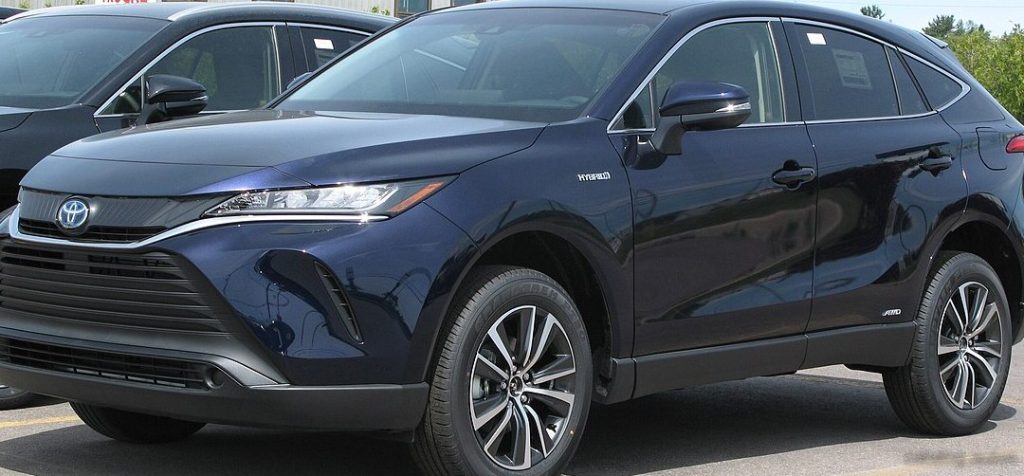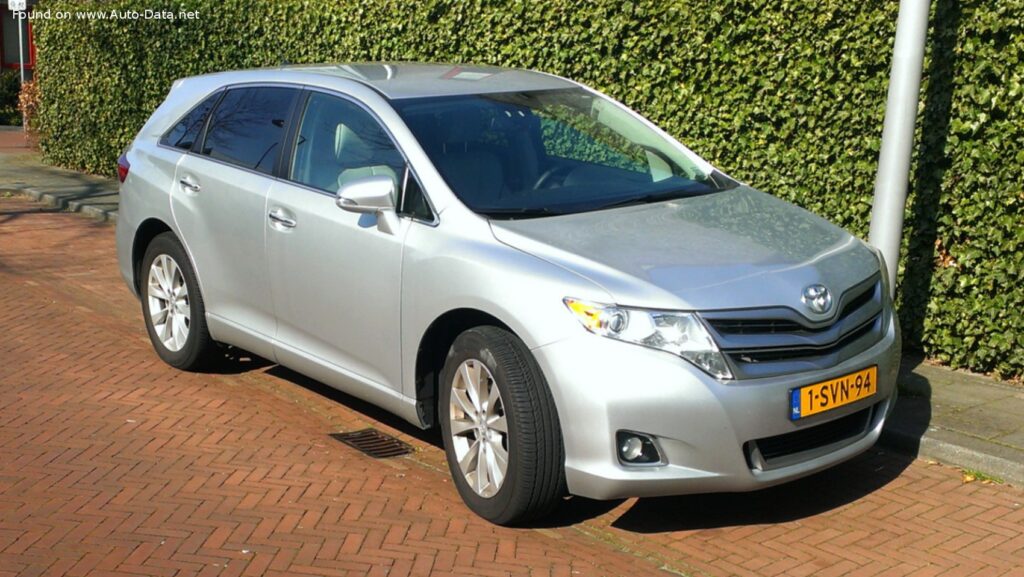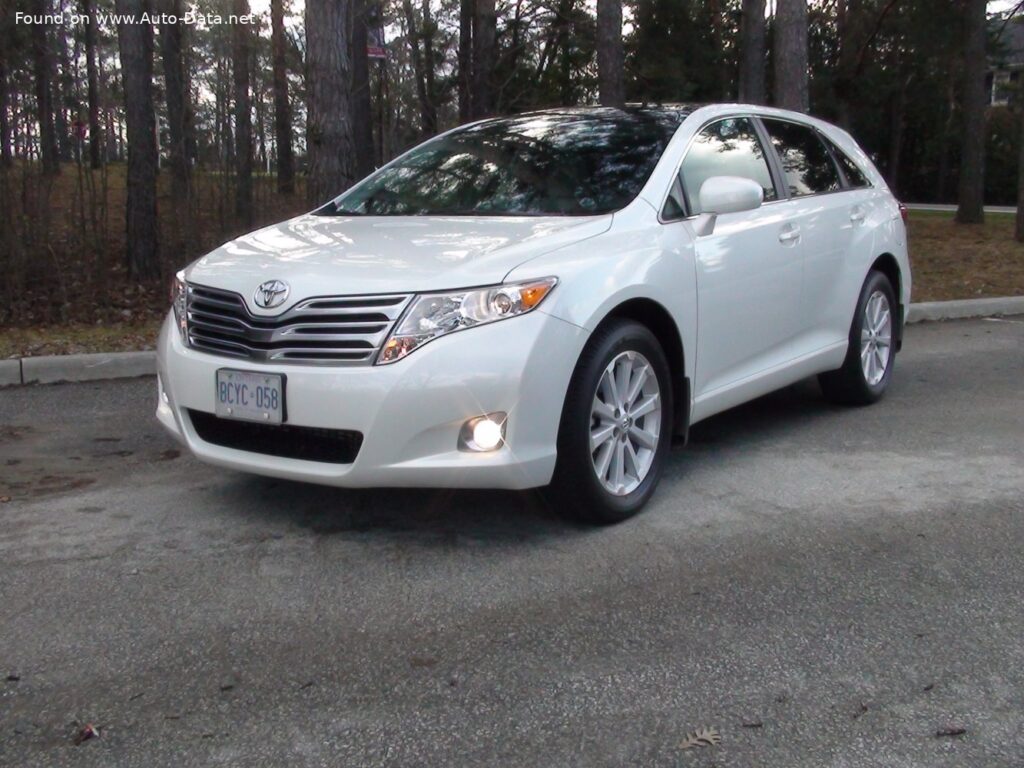
The Toyota Venza I (AV10) 2.7 (182 Hp) AWD Automatic represents a distinctive chapter in Toyota’s strategy for the North American market. Launched in 2008, the Venza was conceived as an innovative crossover vehicle designed to bridge the gap between a traditional sedan and a sport utility vehicle (SUV). It aimed to offer the comfortable ride and refined handling of a car, combined with the elevated seating position, cargo versatility, and available all-wheel-drive capability typically associated with an SUV. Specifically, the first generation Venza (AV10) was produced from 2008 to 2012, targeting consumers who desired practicality and spaciousness without the perceived bulk or fuel consumption of larger, truck-based SUVs. This particular variant, equipped with the 2.7-liter engine, 182 horsepower, and an automatic all-wheel-drive system, exemplified Toyota’s commitment to delivering a balanced blend of performance, efficiency, and utility in a sophisticated package.
Engine & Performance
At the heart of the Toyota Venza I (AV10) 2.7 (182 Hp) AWD Automatic lies a robust and reliable 2.7-liter inline-four gasoline engine, designated by Toyota as the 1AR-FE. This powerplant was engineered to provide a harmonious blend of power and fuel efficiency, catering to the demands of daily driving and long-distance cruising. Delivering a respectable 182 horsepower at 4800 rpm, the engine showcased a power-per-liter output of 67.6 Hp/l, indicating efficient design for its displacement. Torque figures stood at 240 Nm, or 177.01 lb.-ft., available at a accessible 4000 rpm, ensuring responsive acceleration and ample pulling power for various driving scenarios, including highway merging and light towing. The engine’s layout is front-mounted and longitudinal, contributing to balanced weight distribution and handling characteristics.
Technical specifications for the 1AR-FE engine include a bore and piston stroke of 95 mm (3.74 in) each, resulting in a ‘square’ engine design. This configuration often translates to a good balance between low-end torque and high-end horsepower, making it versatile for different driving conditions. The compression ratio of 9.5:1 is typical for a naturally aspirated gasoline engine of its era, optimizing combustion efficiency. Fuel is delivered via a multi-port manifold injection system, a proven technology known for its reliability and precise fuel metering. The valvetrain utilizes a Double Overhead Camshaft (DOHC) design with four valves per cylinder, promoting efficient airflow and combustion. This sophisticated valvetrain, combined with the engine’s naturally aspirated nature, ensured smooth power delivery across the rev range. The engine oil capacity is 4.4 liters (4.65 US qt), and the cooling system holds 7.1 liters (7.5 US qt) of coolant, both critical for maintaining optimal operating temperatures and engine longevity. Power is transferred to all four wheels through a smooth-shifting 6-speed automatic transmission. This advanced gearbox was designed to maximize efficiency and provide seamless gear changes, enhancing both performance and comfort. The All-Wheel Drive (AWD) system provides enhanced traction and stability, particularly beneficial in adverse weather conditions or on unpaved roads, making the Venza a confident choice for varied environments.
Design & Features of the Toyota Venza I (AV10)
The design philosophy behind the Toyota Venza I (AV10) was to create a vehicle that defied traditional categorization. While technically classified as a “Station wagon (estate)” in some markets due to its two-box shape and extended cargo area, it was predominantly marketed in North America as a mid-size crossover. This unique positioning allowed it to offer the best of both worlds: the car-like driving dynamics and comfort of a sedan, combined with the practicality and spaciousness of an SUV. The Venza featured a sleek, aerodynamic profile, departing from the more rugged, utilitarian styling of conventional SUVs. Its exterior lines were clean and modern, designed to appeal to buyers seeking a sophisticated yet functional vehicle.
Measuring 4801 mm (189.02 in) in length, 1905 mm (75 in) in width, and 1610 mm (63.39 in) in height, the Venza presented a substantial but not imposing presence on the road. The generous wheelbase of 2776 mm (109.29 in) was instrumental in providing a smooth ride and contributing significantly to interior volume. The front track measured 1631 mm (64.21 in) and the rear track 1636 mm (64.41 in), ensuring a stable and planted stance. With five doors and seating for five occupants, the Venza prioritized passenger comfort and cargo versatility. The interior was designed with a focus on ergonomics and premium materials, offering a comfortable and intuitive cabin experience. Ample legroom and headroom for all passengers, coupled with a flexible cargo area accessed via a large rear hatch, made the Venza highly practical for families and individuals with active lifestyles. The rear seats could typically fold flat, expanding the cargo capacity significantly for larger items. The suspension system further underscored its car-like aspirations, featuring an independent McPherson strut setup at the front and an independent coil spring suspension at the rear. This configuration provided a compliant ride, effectively absorbing road imperfections, while also contributing to stable handling and a refined driving experience, distinguishing it from more truck-like SUVs of its era. The Venza’s thoughtful design and feature set aimed to provide a comfortable, capable, and versatile vehicle for the discerning North American consumer.
Technical Specifications
| Brand | Toyota |
| Model | Venza |
| Generation | Venza I (AV10) |
| Type (Engine) | 2.7 (182 Hp) AWD Automatic |
| Start of production | 2008 year |
| End of production | 2012 year |
| Powertrain Architecture | Internal Combustion engine |
| Body type | Station wagon (estate) |
| Seats | 5 |
| Doors | 5 |
| Fuel Type | Petrol (Gasoline) |
| Power | 182 Hp @ 4800 rpm. |
| Power per litre | 67.6 Hp/l |
| Torque | 240 Nm @ 4000 rpm (177.01 lb.-ft. @ 4000 rpm) |
| Engine layout | Front, Longitudinal |
| Engine Model/Code | 1AR-FE |
| Engine displacement | 2694 cm3 (164.4 cu. in.) |
| Number of cylinders | 4 |
| Engine configuration | Inline |
| Cylinder Bore | 95 mm (3.74 in) |
| Piston Stroke | 95 mm (3.74 in) |
| Compression ratio | 9.5:1 |
| Number of valves per cylinder | 4 |
| Fuel injection system | Multi-port manifold injection |
| Engine aspiration | Naturally aspirated engine |
| Valvetrain | DOHC |
| Engine oil capacity | 4.4 l (4.65 US qt | 3.87 UK qt) |
| Coolant | 7.1 l (7.5 US qt | 6.25 UK qt) |
| Fuel tank capacity | 67 l (17.7 US gal | 14.74 UK gal) |
| Length | 4801 mm (189.02 in) |
| Width | 1905 mm (75 in) |
| Height | 1610 mm (63.39 in) |
| Wheelbase | 2776 mm (109.29 in) |
| Front track | 1631 mm (64.21 in) |
| Rear (Back) track | 1636 mm (64.41 in) |
| Drive wheel | All wheel drive (4×4) |
| Number of gears and type of gearbox | 6 gears, automatic transmission |
| Front suspension | Independent type McPherson |
| Rear suspension | Independent coil spring |