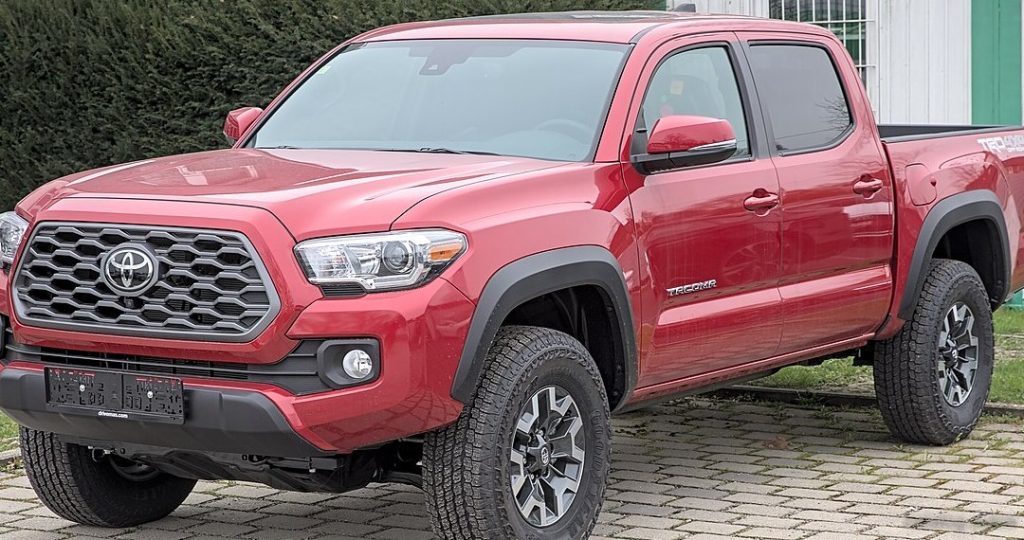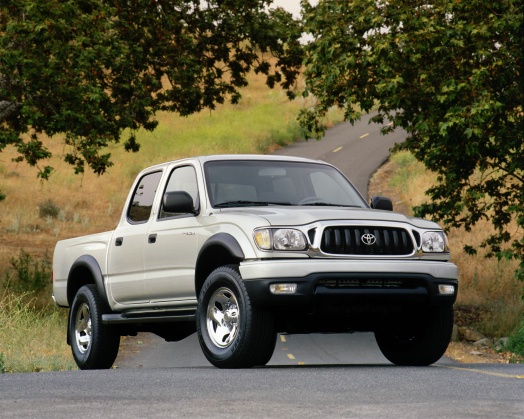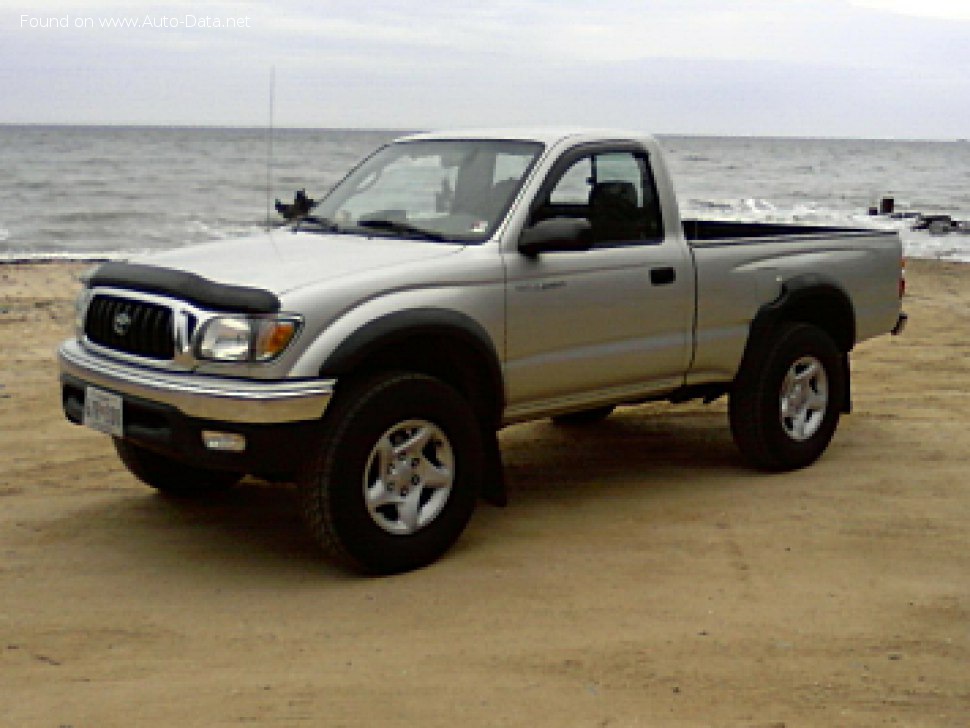
The Toyota Tacoma I Single Cab 2.4, produced between 1995 and 2000, represents the first generation of Toyota’s immensely popular compact pickup truck in the North American market. While Toyota had offered smaller trucks previously, the Tacoma was specifically designed to appeal to the growing demand for a versatile, reliable, and relatively affordable truck. This initial iteration of the Tacoma established the foundation for the model’s enduring success, becoming known for its ruggedness and capability. The 2.4-liter engine variant, producing 142 horsepower, served as the base engine option, offering a balance of fuel efficiency and sufficient power for everyday tasks and light-duty work. The Single Cab configuration catered to buyers prioritizing functionality over passenger space.
Toyota Tacoma I Single Cab: A Foundation of Reliability
The Tacoma I Single Cab filled a crucial niche in the American pickup truck landscape of the mid-1990s. Prior to its arrival, the compact truck segment was dominated by offerings from Chevrolet (S-10) and Ford (Ranger). Toyota aimed to differentiate the Tacoma through a focus on build quality, reliability, and a more refined driving experience. The Single Cab configuration, with its two doors and three-passenger capacity, was particularly popular among those needing a work truck or a vehicle for outdoor pursuits where passenger space was less of a concern. The 2.4-liter engine, while not the most powerful option available in the Tacoma lineup, provided a dependable and economical powertrain for a wide range of applications.
Engine & Performance
Powering the Toyota Tacoma I Single Cab 2.4 is the 2RZ-FE 2.4-liter inline four-cylinder gasoline engine. This naturally aspirated engine produces 142 horsepower at 6000 rpm and 217 Nm (160.05 lb.-ft.) of torque at 4400 rpm. The engine utilizes a multi-port fuel injection system and a Double Overhead Camshaft (DOHC) valvetrain, contributing to its relatively smooth operation and respectable fuel efficiency for its time. The engine’s longitudinal front-engine layout optimizes weight distribution and contributes to the truck’s handling characteristics. The power output, while modest by modern standards, was adequate for typical light-duty tasks such as hauling smaller loads and navigating urban environments. The engine has a displacement of 2392 cm3 (145.97 cu. in.) and requires 5.5 liters (5.81 US qt / 4.84 UK qt) of engine oil and 7.8 liters (8.24 US qt / 6.86 UK qt) of coolant.
Design & Features
The Toyota Tacoma I Single Cab is a traditional pick-up truck in its body style, featuring a two-door configuration and a separate bed for cargo. The design prioritized functionality and durability over outright aesthetics, reflecting the truck’s intended use as a workhorse vehicle. The interior is spartan but practical, offering basic amenities and a focus on driver comfort. Safety features were relatively limited compared to modern vehicles, consisting primarily of seatbelts and a robust chassis designed to withstand impacts. The truck’s ride height (ground clearance) of 215 mm (8.46 in.) provides adequate capability for navigating rough terrain and obstacles. The Tacoma’s dimensions – a length of 4585 mm (180.51 in.), a width of 1689 mm (66.5 in.), and a height of 1549 mm (60.98 in.) – make it relatively compact and maneuverable, particularly in urban settings. The wheelbase measures 2624 mm (103.31 in.), contributing to a stable ride. The front and rear track widths are 1395 mm (54.92 in.) and 1414 mm (55.67 in.) respectively.
Technical Specifications
| Brand | Toyota |
| Model | Tacoma |
| Generation | Tacoma I Single Cab |
| Type (Engine) | 2.4 (142 Hp) Automatic |
| Start of production | 1995 |
| End of production | 2000 |
| Powertrain Architecture | Internal Combustion engine |
| Body type | Pick-up |
| Seats | 3 |
| Doors | 2 |
| Fuel Type | Petrol (Gasoline) |
| Power | 142 Hp @ 6000 rpm |
| Power per litre | 59.4 Hp/l |
| Torque | 217 Nm @ 4400 rpm / 160.05 lb.-ft. @ 4400 rpm |
| Engine layout | Front, Longitudinal |
| Engine Model/Code | 2RZ-FE |
| Engine displacement | 2392 cm3 / 145.97 cu. in. |
| Number of cylinders | 4 |
| Engine configuration | Inline |
| Number of valves per cylinder | 4 |
| Fuel injection system | Multi-port manifold injection |
| Engine aspiration | Naturally aspirated engine |
| Valvetrain | DOHC |
| Engine oil capacity | 5.5 l / 5.81 US qt | 4.84 UK qt |
| Engine oil specification | Log in to see. |
| Coolant | 7.8 l / 8.24 US qt | 6.86 UK qt |
| Max. weight | 1928 kg / 4250.51 lbs |
| Fuel tank capacity | 57 l / 15.06 US gal | 12.54 UK gal |
| Length | 4585 mm / 180.51 in |
| Width | 1689 mm / 66.5 in |
| Height | 1549 mm / 60.98 in |
| Wheelbase | 2624 mm / 103.31 in |
| Front track | 1395 mm / 54.92 in |
| Rear (Back) track | 1414 mm / 55.67 in |
| Ride height (ground clearance) | 215 mm / 8.46 in |
| Drivetrain Architecture | The Internal combustion engine (ICE) drives the rear wheels of the vehicle. |
| Drive wheel | Rear wheel drive |
| Number of gears and type of gearbox | 4 gears, automatic transmission |
| Front brakes | Ventilated discs |
| Rear brakes | Drum |
| Tires size | 205/75 R15; 235/55 R16 |
| Wheel rims size | 15; 16 |
The Toyota Tacoma I Single Cab 2.4 established a strong reputation for reliability and durability, paving the way for the Tacoma’s continued success in the North American market. Its simple, functional design and dependable powertrain made it a popular choice for both work and recreational use. While subsequent generations of the Tacoma have introduced more advanced features and technologies, the first generation remains a beloved and respected vehicle among truck enthusiasts.