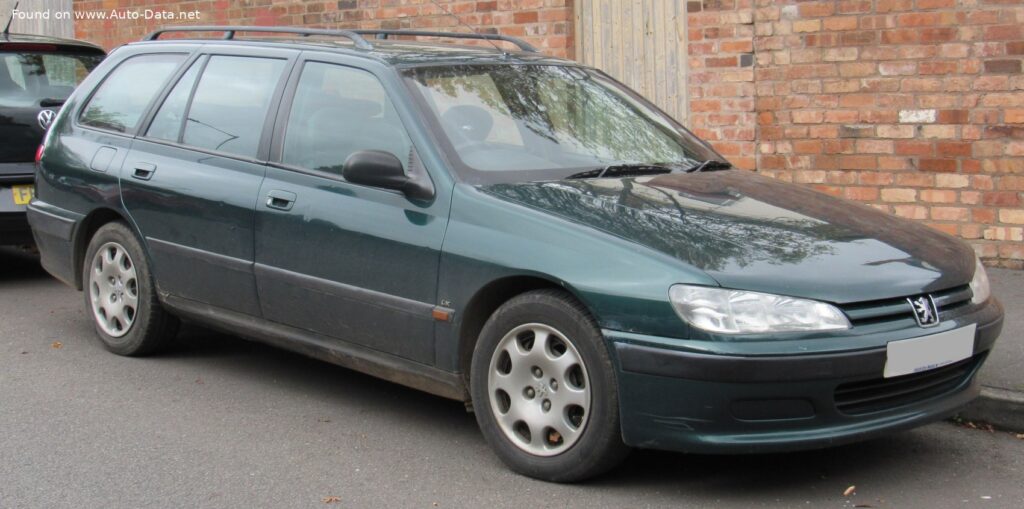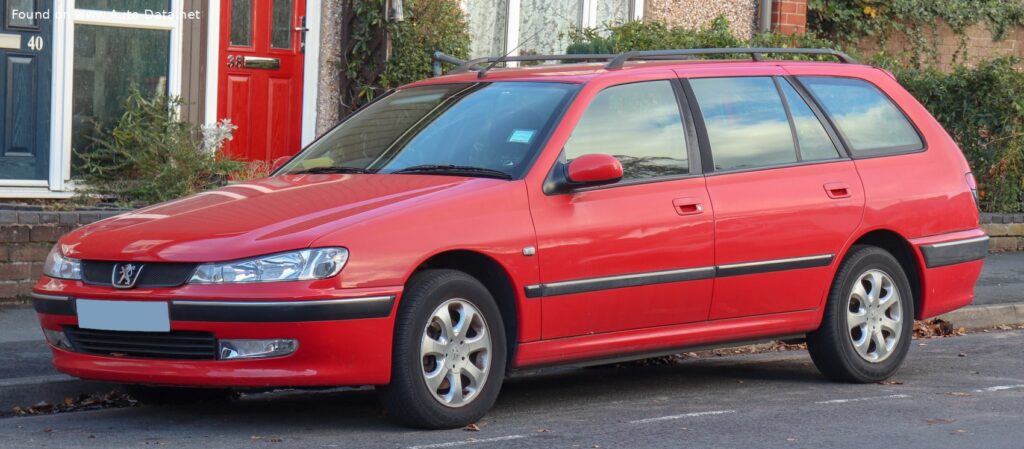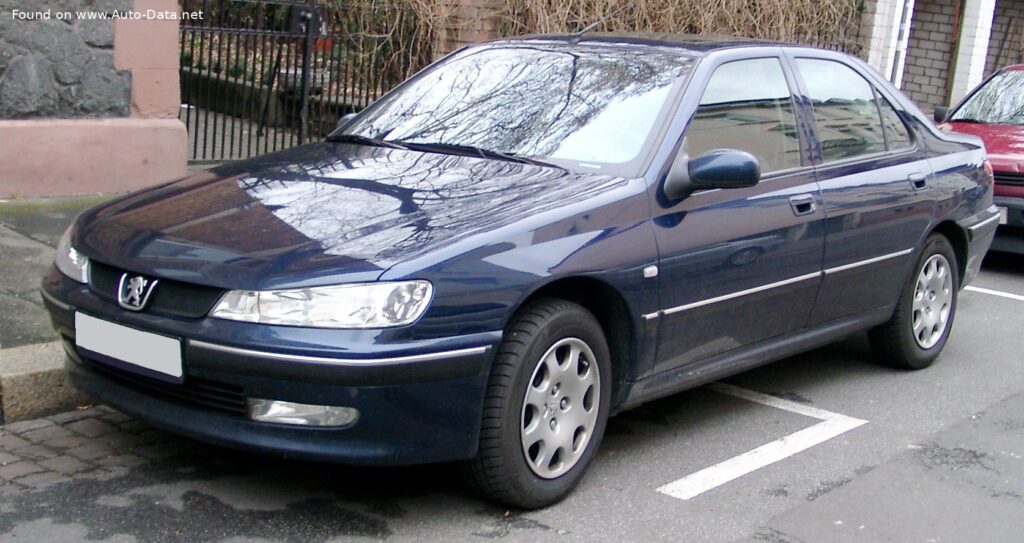
The Peugeot 406, produced between 1995 and 2004, was a large family car designed and manufactured by the French automaker Peugeot. Representing a significant step forward for the brand, the 406 aimed to compete with established rivals like the Ford Mondeo and Vauxhall/Opel Vectra. The Phase II update, introduced in 1999, brought styling refinements, improved safety features, and updated engine options. This iteration of the 406, particularly the 2.0 16V model, offered a balance of performance, comfort, and practicality, making it a popular choice in the European market. While never officially sold in the United States, the 406 exemplifies the sophisticated engineering and design sensibilities of late-20th-century European automobiles.
Peugeot 406 Phase II: A Detailed Overview
The 406 Phase II represented a mid-cycle refresh for Peugeot’s popular D-segment offering. The changes weren’t revolutionary, but focused on enhancing the car’s appeal and addressing some criticisms of the original model. These included subtle alterations to the exterior styling, improvements to the interior trim and equipment levels, and refinements to the engine range. The 2.0 16V variant, with its 136 horsepower output, was positioned as a sweet spot in the lineup, offering a good compromise between fuel economy and performance.
Engine & Performance
The heart of the 406 2.0 16V is a naturally aspirated, 1997 cc (121.86 cubic inches) inline-four cylinder gasoline engine. This engine, designated RFR DEW10J4, produces 136 horsepower at 6000 rpm and 190 Nm (140.14 lb-ft) of torque at 4100 rpm. The engine features multi-port fuel injection and a double overhead camshaft (DOHC) valvetrain with four valves per cylinder, contributing to its relatively high power output for its displacement – 68.1 horsepower per liter. Power is delivered to the front wheels via a five-speed manual transmission. Performance figures include a 0-100 km/h (0-62 mph) acceleration time of 10 seconds, and a 0-60 mph time of 9.5 seconds. The 406 2.0 16V achieves a maximum speed of 208 km/h (129.25 mph). The weight-to-power ratio of 9.9 kg/Hp and weight-to-torque ratio of 7.1 kg/Nm contribute to a responsive driving experience.
Design & Features
The Peugeot 406 Phase II is a four-door sedan with a classic three-box design. Pininfarina, the renowned Italian design house, played a significant role in the car’s styling, resulting in an elegant and aerodynamic profile. The Phase II update brought minor cosmetic changes, including revised headlights and taillights, and a redesigned front grille. The interior of the 406 was known for its comfortable and well-appointed cabin. Features included comfortable seating for five passengers, a spacious trunk with a minimum capacity of 430 liters (15.19 cubic feet), and a range of equipment depending on the trim level. Safety features, improved in the Phase II model, included ABS (Anti-lock Braking System). The car’s hydraulic power steering provided a smooth and responsive driving experience. The suspension system, featuring independent McPherson struts at the front and an independent multi-link setup at the rear, offered a good balance between ride comfort and handling.
Technical Specifications
| Brand | Peugeot |
| Model | 406 |
| Generation | 406 (Phase II, 1999) |
| Type (Engine) | 2.0 16V (136 Hp) |
| Start of production | 1999 |
| End of production | 2004 |
| Powertrain Architecture | Internal Combustion engine |
| Body type | Sedan |
| Seats | 5 |
| Doors | 4 |
| Fuel consumption (urban) | 11.5 l/100 km (20.5 US mpg / 24.6 UK mpg / 8.7 km/l) |
| Fuel consumption (extra urban) | 6.5 l/100 km (36.2 US mpg / 43.5 UK mpg / 15.4 km/l) |
| Fuel consumption (combined) | 8.3 l/100 km (28.3 US mpg / 34 UK mpg / 12 km/l) |
| CO2 emissions | 197 g/km |
| Fuel Type | Petrol (Gasoline) |
| Acceleration 0 – 100 km/h | 10 sec |
| Acceleration 0 – 62 mph | 10 sec |
| Acceleration 0 – 60 mph | 9.5 sec |
| Maximum speed | 208 km/h (129.25 mph) |
| Weight-to-power ratio | 9.9 kg/Hp |
| Weight-to-torque ratio | 7.1 kg/Nm |
| Power | 136 Hp @ 6000 rpm |
| Power per litre | 68.1 Hp/l |
| Torque | 190 Nm @ 4100 rpm (140.14 lb.-ft. @ 4100 rpm) |
| Engine layout | Front, Transverse |
| Engine Model/Code | RFR DEW10J4 |
| Engine displacement | 1997 cm3 (121.86 cu. in.) |
| Number of cylinders | 4 |
| Engine configuration | Inline |
| Cylinder Bore | 85 mm (3.35 in.) |
| Piston Stroke | 88 mm (3.46 in.) |
| Compression ratio | 10.8:1 |
| Number of valves per cylinder | 4 |
| Fuel injection system | Multi-port manifold injection |
| Engine aspiration | Naturally aspirated engine |
| Valvetrain | DOHC |
| Engine oil capacity | 4.25 l (4.49 US qt | 3.74 UK qt) |
| Coolant | 7.5 l (7.93 US qt | 6.6 UK qt) |
| Kerb Weight | 1350 kg (2976.24 lbs.) |
| Max. weight | 1815 kg (4001.39 lbs.) |
| Max load | 465 kg (1025.15 lbs.) |
| Trunk (boot) space – minimum | 430 l (15.19 cu. ft.) |
| Fuel tank capacity | 70 l (18.49 US gal | 15.4 UK gal) |
| Length | 4600 mm (181.1 in.) |
| Width | 1765 mm (69.49 in.) |
| Height | 1415 mm (55.71 in.) |
| Wheelbase | 2700 mm (106.3 in.) |
| Front track | 1505 mm (59.25 in.) |
| Rear (Back) track | 1475 mm (58.07 in.) |
| Front overhang | 937 mm (36.89 in.) |
| Rear overhang | 963 mm (37.91 in.) |
| Minimum turning circle (turning diameter) | 11.95 m (39.21 ft.) |
| Drivetrain Architecture | Front wheel drive |
| Number of gears and type of gearbox | 5 gears, manual transmission |
| Front suspension | Independent, type McPherson with coil spring and anti-roll bar |
| Rear suspension | Independent multi-link spring suspension with stabilizer |
| Front brakes | Ventilated discs |
| Rear brakes | Disc |
| Assisting systems | ABS (Anti-lock braking system) |
| Steering type | Steering rack and pinion |
| Power steering | Hydraulic Steering |
| Tires size | 205/55 R16 |
| Wheel rims size | 16 |
The Peugeot 406 Phase II 2.0 16V remains a well-regarded vehicle, appreciated for its blend of style, comfort, and performance. While not originally intended for the American market, it represents a compelling example of European automotive engineering from the late 1990s and early 2000s.