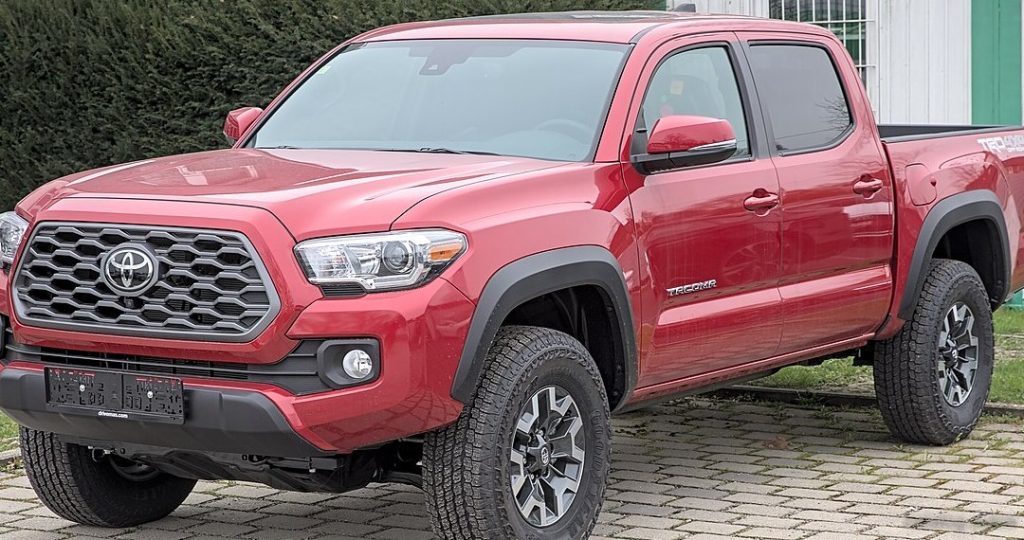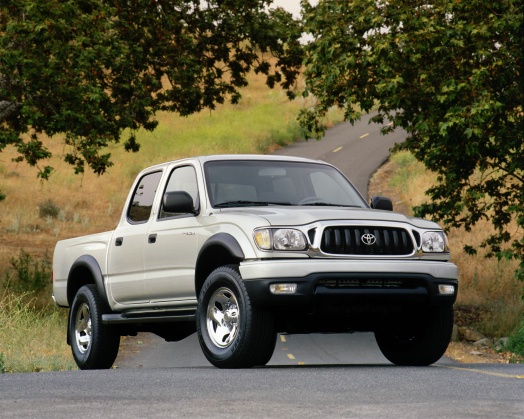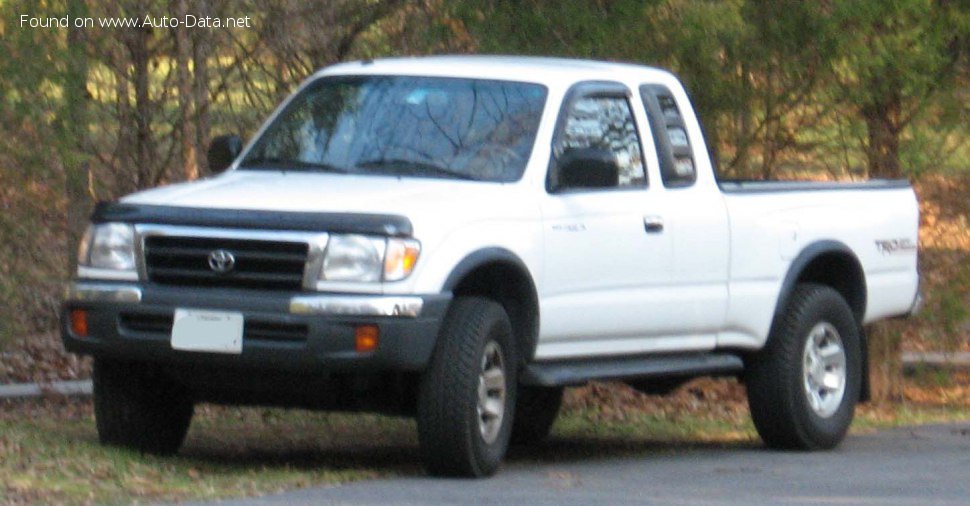
The Toyota Tacoma I xTracab 2.4, produced between 1995 and 2000, represents the first generation of Toyota’s immensely popular compact pickup truck in North America. While Toyota had offered smaller trucks previously, the Tacoma was specifically designed to appeal to the growing North American market for versatile, mid-size trucks. The xTracab designation refers to the extended cab configuration, offering limited rear seating and storage space, differentiating it from the standard cab models. This generation Tacoma quickly gained a reputation for reliability, durability, and off-road capability, establishing a strong foothold for the model that continues to this day. It filled a niche between full-size trucks and smaller, more utilitarian offerings, becoming a favorite among both work crews and recreational users.
Toyota Tacoma I xTracab 2.4: A Detailed Overview
The first-generation Tacoma was a significant departure for Toyota in the North American truck market. Prior to the Tacoma, Toyota’s truck offerings were smaller and often viewed as more economical or utilitarian vehicles. The Tacoma, however, was designed to compete directly with established American and Japanese compact pickups like the Ford Ranger, Chevrolet S-10, and Nissan Hardbody. The xTracab model, in particular, offered a compromise between the practicality of a standard cab and the increased passenger capacity of a crew cab, making it a versatile option for families and those needing occasional rear-seat access.
Engine & Performance
Powering the Toyota Tacoma I xTracab 2.4 is the 2RZ-FE 2.4-liter inline-four cylinder gasoline engine. This naturally aspirated engine produces 142 horsepower at 6000 rpm and 217 Nm (160.05 lb.-ft.) of torque at 4400 rpm. While not a powerhouse, the 2RZ-FE was known for its robust construction and reliability. The engine features a double overhead camshaft (DOHC) valvetrain and multi-port fuel injection, contributing to reasonable fuel efficiency for its time. The engine’s longitudinal front-engine layout and rear-wheel drive configuration were standard for pickup trucks of this era. A five-speed manual transmission was the standard gearbox, providing drivers with full control over the engine’s power delivery. The Tacoma’s relatively light weight, with a maximum weight of 1928 kg (4250.51 lbs.), helped to compensate for the engine’s modest power output, providing adequate performance for everyday driving and light-duty hauling.
Design & Features
The Toyota Tacoma I xTracab is a two-door pickup truck with seating for five passengers. Its body-on-frame construction provided a sturdy and durable platform, essential for truck applications. The xTracab configuration features a small rear seat area accessible via side-facing jump seats, offering limited space but expanding the truck’s passenger capacity. The exterior styling of the first-generation Tacoma was relatively conservative, reflecting the design trends of the mid-1990s. The truck’s rectangular shape and prominent front grille gave it a rugged and utilitarian appearance. Features were focused on practicality and durability rather than luxury. Standard equipment typically included basic instrumentation, vinyl or cloth upholstery, and a relatively simple audio system. Safety features were limited by the standards of the time, typically including seatbelts and a basic braking system. The Tacoma’s ride height (ground clearance) of 215 mm (8.46 in.) provided adequate clearance for off-road driving, and its relatively compact size made it maneuverable in tight spaces.
Technical Specifications
| Brand | Toyota |
| Model | Tacoma |
| Generation | Tacoma I xTracab |
| Type (Engine) | 2.4 (142 Hp) |
| Start of production | 1995 |
| End of production | 2000 |
| Powertrain Architecture | Internal Combustion engine |
| Body type | Pick-up |
| Seats | 5 |
| Doors | 2 |
| Fuel Type | Petrol (Gasoline) |
| Power | 142 Hp @ 6000 rpm |
| Power per litre | 59.4 Hp/l |
| Torque | 217 Nm @ 4400 rpm / 160.05 lb.-ft. @ 4400 rpm |
| Engine layout | Front, Longitudinal |
| Engine Model/Code | 2RZ-FE |
| Engine displacement | 2392 cm3 / 145.97 cu. in. |
| Number of cylinders | 4 |
| Engine configuration | Inline |
| Number of valves per cylinder | 4 |
| Fuel injection system | Multi-port manifold injection |
| Engine aspiration | Naturally aspirated engine |
| Valvetrain | DOHC |
| Engine oil capacity | 5.5 l / 5.81 US qt | 4.84 UK qt |
| Coolant | 7.8 l / 8.24 US qt | 6.86 UK qt |
| Max. weight | 1928 kg / 4250.51 lbs |
| Fuel tank capacity | 57 l / 15.06 US gal | 12.54 UK gal |
| Length | 5055 mm / 199.02 in |
| Width | 1689 mm / 66.5 in |
| Height | 1560 mm / 61.42 in |
| Wheelbase | 3096 mm / 121.89 in |
| Front track | 1311 mm / 51.61 in |
| Rear (Back) track | 1440 mm / 56.69 in |
| Ride height (ground clearance) | 215 mm / 8.46 in |
| Drivetrain Architecture | Rear wheel drive. Internal Combustion engine (ICE) drives the rear wheels. |
| Drive wheel | Rear wheel drive |
| Number of gears and type of gearbox | 5 gears, manual transmission |
| Front brakes | Ventilated discs |
| Rear brakes | Drum |
| Tires size | 205/75 R15; 235/55 R16 |
| Wheel rims size | 15; 16 |
The Toyota Tacoma I xTracab 2.4 laid the foundation for the Tacoma’s enduring success. Its combination of reliability, durability, and versatility made it a popular choice among truck buyers, and it remains a sought-after vehicle among enthusiasts today. While later generations of the Tacoma would offer more power, refinement, and features, the first-generation model established the core values that continue to define the Tacoma nameplate.