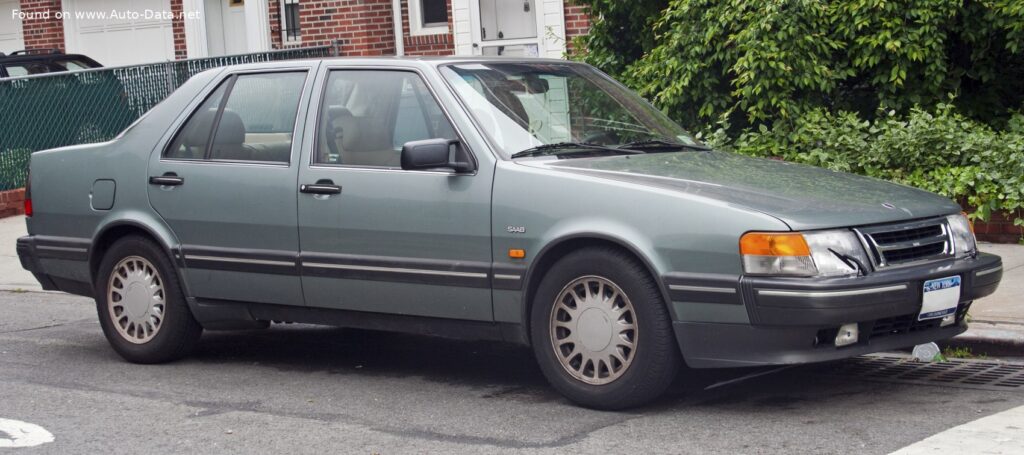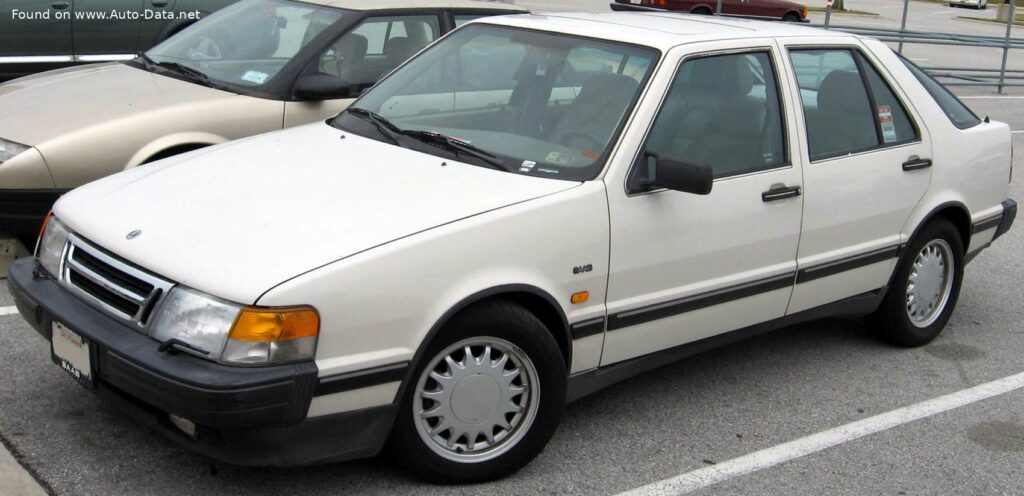
The Saab 9000, particularly the 2.0 16V CS hatchback variant produced from 1989 to 1998, represents a pivotal moment in the Swedish automaker’s history. Positioned as a larger, more sophisticated alternative to the iconic Saab 900, the 9000 aimed to compete directly with executive cars from German manufacturers like BMW, Mercedes-Benz, and Audi. While Saab never achieved the same sales volume as its rivals, the 9000 carved out a loyal following thanks to its distinctive design, innovative engineering, and reputation for safety. The “CS” designation denoted a trim level focused on comfort and equipment, making it a popular choice for family transportation and long-distance driving. This model was never officially sold in the United States, but was a popular vehicle in Europe.
The Saab 9000: A Legacy of Innovation
The 9000 was Saab’s first foray into the upper-middle-class segment. It was a significant departure from the smaller, more utilitarian 900, offering increased interior space, improved refinement, and a more powerful engine lineup. The hatchback body style, while not uncommon in Europe, was relatively unusual for a car in this class at the time, adding to the 9000’s unique appeal. The model underwent several revisions during its production run, including engine upgrades, styling tweaks, and improvements to the interior. The 2.0 16V CS, introduced in 1989, benefited from a more powerful, fuel-injected engine and a higher level of standard equipment.
Engine & Performance
The heart of the Saab 9000 2.0 16V CS is the B202 engine, a naturally aspirated 2.0-liter inline-four cylinder gasoline engine. This engine produces 128 horsepower, providing adequate performance for comfortable cruising and everyday driving. While not a sports car, the 9000 offered a smooth and refined driving experience, thanks to its well-tuned suspension and responsive steering. The 16-valve cylinder head design contributed to improved breathing and increased power output compared to earlier Saab engines. The engine is paired with a four-speed automatic or a five-speed manual transmission, allowing drivers to choose the configuration that best suits their preferences. The 9000’s front-wheel-drive layout provided good traction in most conditions. The engine’s focus was on reliability and fuel efficiency, rather than outright performance, reflecting the car’s intended role as a comfortable and practical family vehicle.
Design & Features
The Saab 9000’s design was characterized by its aerodynamic shape and distinctive front-end styling. The hatchback body style offered a generous amount of cargo space, making it a practical choice for families. The interior was spacious and well-appointed, with comfortable seats and a functional dashboard layout. The “CS” trim level included features such as power windows, central locking, and a high-quality audio system. Safety was a key consideration in the 9000’s design, and the car featured a robust safety cell and a range of passive safety features. The car’s ventilation system was also notable, incorporating a pollen filter to provide clean air for occupants. The Saab 9000’s design language was a blend of Scandinavian practicality and aerodynamic efficiency, resulting in a car that was both stylish and functional. The large glass area provided excellent visibility, enhancing the driving experience. The hatchback configuration offered versatility, allowing for easy loading and unloading of luggage and other items.
Saab was known for its attention to detail and its commitment to driver comfort. The 9000 continued this tradition, offering a range of features designed to enhance the driving experience. The seats were ergonomically designed to provide support and comfort on long journeys. The dashboard layout was intuitive and easy to use, with all essential controls within easy reach of the driver. The car’s suspension was tuned to provide a smooth and comfortable ride, while still offering good handling characteristics. The 9000’s interior was a testament to Saab’s commitment to creating cars that were both practical and enjoyable to drive.
Technical Specifications
| Brand | Saab |
| Model | 9000 |
| Generation | 9000 Hatchback |
| Type (Engine) | 2.0 16V CS (128 Hp) |
| Start of production | 1989 |
| End of production | 1998 |
| Powertrain Architecture | Internal Combustion engine |
| Body type | Hatchback |
| Seats | 5 |
| Doors | 5 |
| Fuel Type | Petrol (Gasoline) |
| Power | 128 Hp |
| Engine Model/Code | B202 |
| Engine aspiration | Naturally aspirated engine |
| Engine oil capacity | 4.2 l |
| Engine oil capacity (US qt) | 4.44 US qt |
| Engine oil capacity (UK qt) | 3.7 UK qt |
| Coolant capacity | 9 l |
| Coolant capacity (US qt) | 9.51 US qt |
| Coolant capacity (UK qt) | 7.92 UK qt |
| Fuel tank capacity | 66 l |
| Fuel tank capacity (US gal) | 17.44 US gal |
| Fuel tank capacity (UK gal) | 14.52 UK gal |
The Saab 9000, despite its relatively limited sales success, remains a fondly remembered car among enthusiasts. Its combination of distinctive design, innovative engineering, and practical features made it a unique offering in the executive car segment. The 2.0 16V CS variant, with its refined engine and comfortable interior, represents a particularly desirable example of this iconic Swedish automobile. While Saab ultimately ceased production in 2011, the 9000 continues to serve as a reminder of the company’s commitment to independent thinking and its dedication to creating cars that were different from the rest.