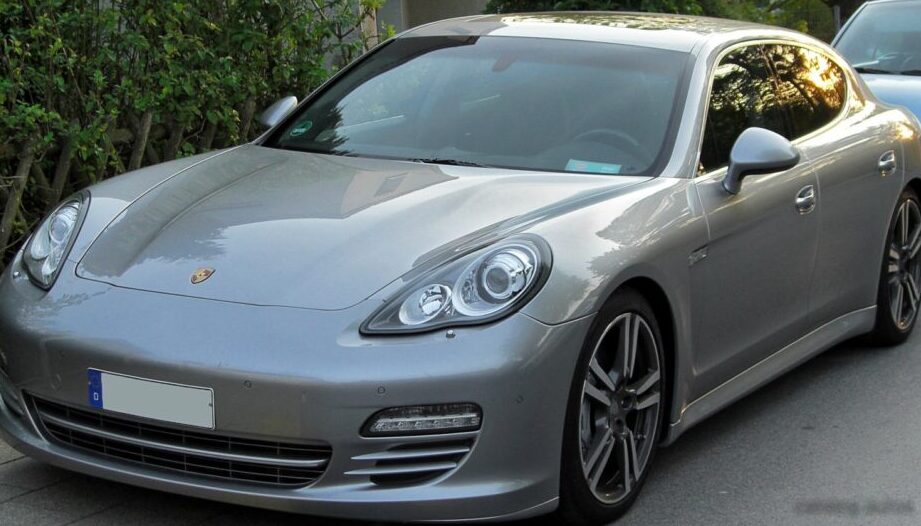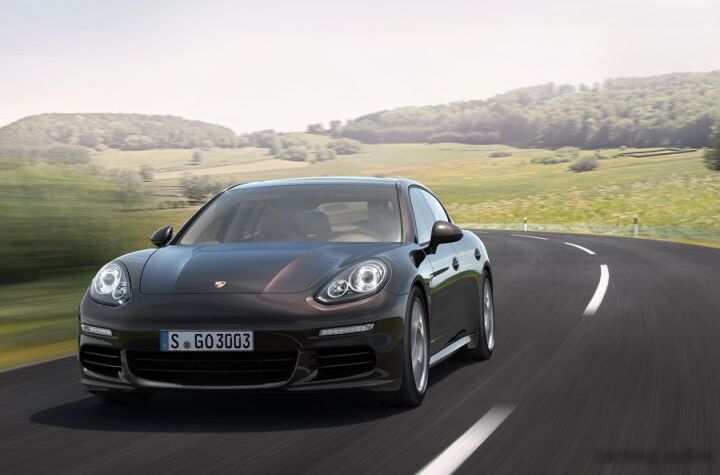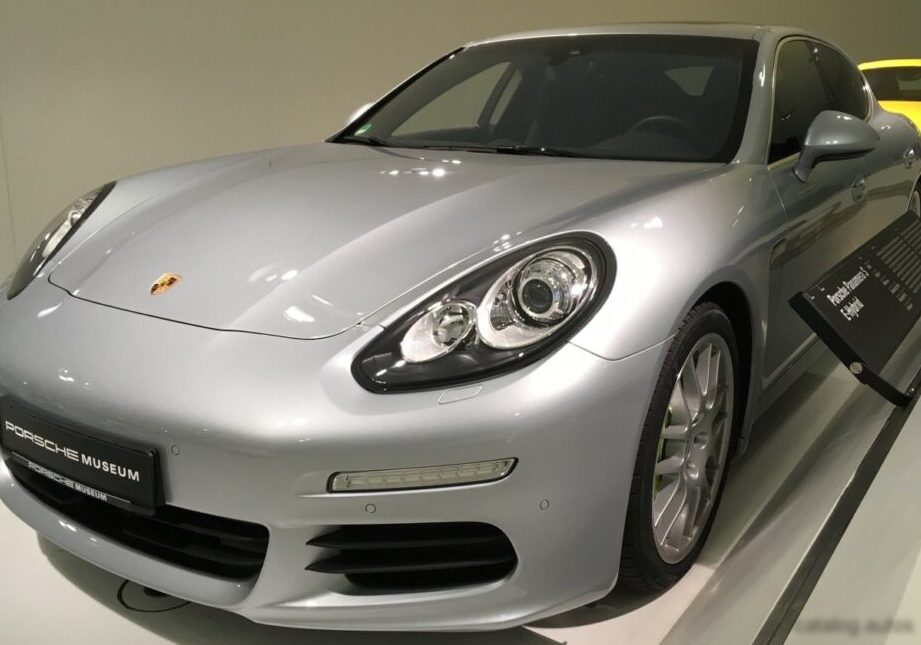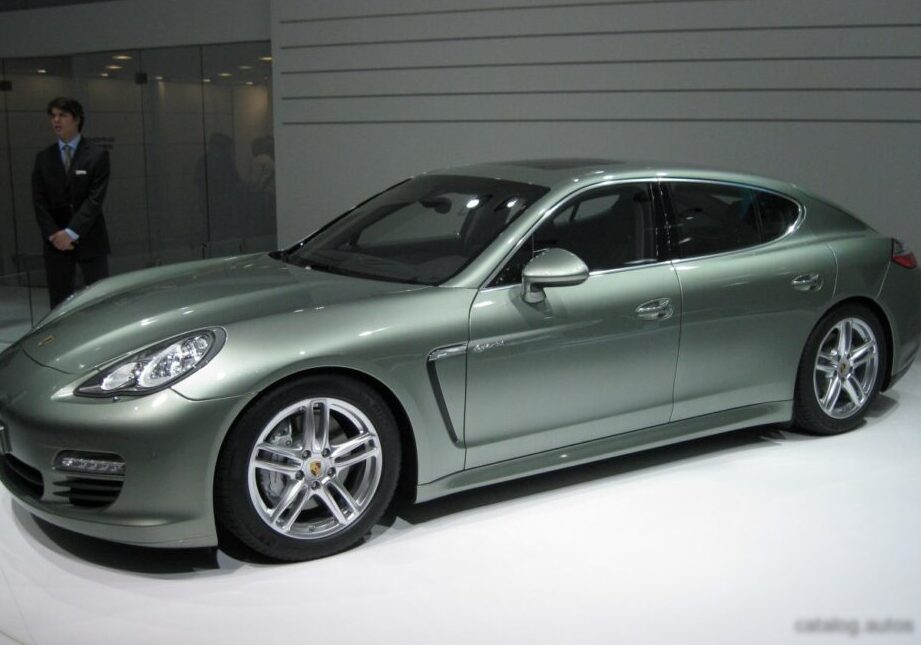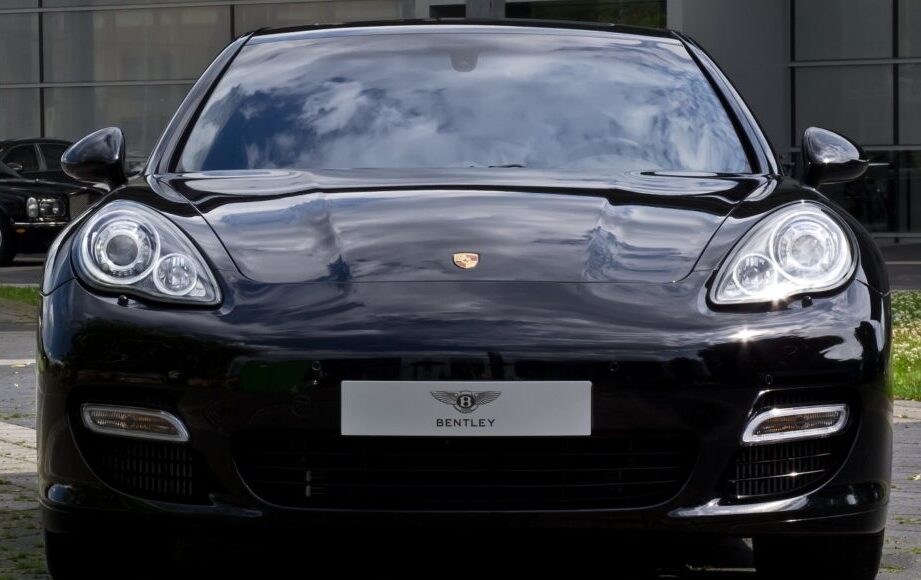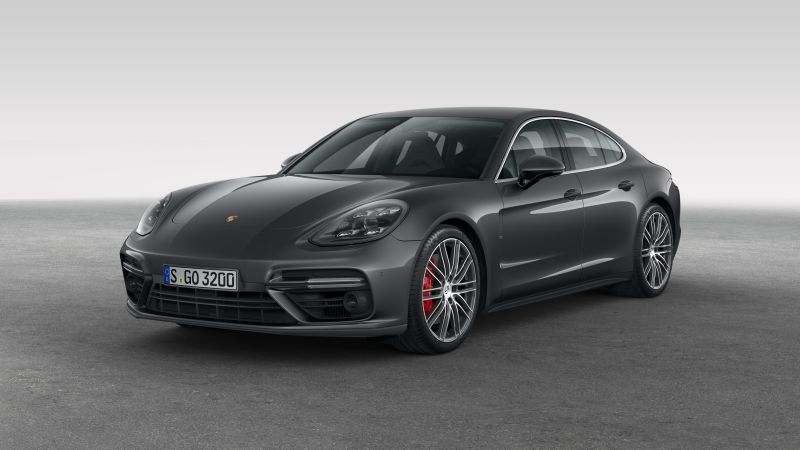
The Porsche Panamera (G2) 4S Diesel 4.0 V8, produced between November 2016 and August 2018, represents a unique offering within the second generation of Porsche’s flagship four-door luxury vehicle. While the Panamera was initially conceived to bridge the gap between a sports car and a sedan, the 4S Diesel variant catered specifically to European markets prioritizing fuel efficiency and long-distance comfort alongside Porsche’s renowned performance. This model combined a powerful diesel V8 engine with Porsche’s advanced technology, offering a distinctive grand touring experience. It was not officially sold in the United States due to the limited demand for diesel-powered luxury vehicles and tightening emissions regulations.
Porsche Panamera (G2) 4S Diesel: A Gran Turismo for Europe
The G2 generation Panamera, launched in 2016, marked a significant evolution from the original model. It featured a redesigned chassis, more sophisticated technology, and a broader range of engine options. The 4S Diesel occupied a niche position within this lineup, appealing to customers who desired the Panamera’s dynamic capabilities but preferred the fuel economy and torque characteristics of a diesel engine. Its liftback body style, offering both the elegance of a coupe and the practicality of a hatchback, remained a key feature, providing generous cargo space and easy access.
Engine & Performance
At the heart of the Panamera 4S Diesel lies a 4.0-liter twin-turbocharged V8 diesel engine, designated EA898 / MDB.UB. This powerplant delivers 422 horsepower at 3500-5000 rpm and a substantial 850 Nm (626.93 lb.-ft.) of torque between 1000-3250 rpm. The engine boasts a high compression ratio of 16:1 and utilizes a diesel commonrail fuel injection system. This combination results in impressive acceleration figures: 0 to 100 km/h (0-62 mph) in 4.5 seconds, and 0 to 60 mph in a calculated 4.3 seconds. Top speed is electronically limited to 285 km/h (177.09 mph). The engine’s power-to-weight ratio is 205.9 hp per tonne, and its torque-to-weight ratio is 414.6 Nm per tonne, contributing to its responsive driving experience. Power is delivered to all four wheels via Porsche’s PDK (Porsche Doppelkupplung) 8-speed dual-clutch automatic transmission.
Design & Features
The Panamera G2 4S Diesel retains the sleek and sophisticated design language of the second-generation Panamera. Its liftback body style provides a spacious and versatile interior, accommodating four passengers comfortably. Key features include a luxurious interior with high-quality materials, advanced infotainment systems, and a range of driver-assistance technologies. The car’s aerodynamic profile, evidenced by its drag coefficient of 0.29, contributes to both fuel efficiency and stability at high speeds. Standard equipment included features like Porsche Active Suspension Management (PASM), which adjusts the damping characteristics based on driving conditions, and Porsche Dynamic Chassis Control (PDCC), which minimizes body roll during cornering. Safety features were also prioritized, including advanced braking systems (ABS) and a comprehensive airbag system. The vehicle’s dimensions are substantial, measuring 5049 mm (198.78 in) in length, 1937 mm (76.26 in) in width, and 1423 mm (56.02 in) in height.
Technical Specifications
| Brand | Porsche |
| Model | Panamera |
| Generation | Panamera (G2) |
| Type (Engine) | 4S Diesel 4.0 V8 (422 Hp) PDK |
| Start of production | November, 2016 |
| End of production | August, 2018 |
| Powertrain Architecture | Internal Combustion engine |
| Body type | Liftback |
| Seats | 4 |
| Doors | 5 |
| Fuel consumption (economy) – urban | 7.9 l/100 km (29.8 US mpg, 35.8 UK mpg, 12.7 km/l) |
| Fuel consumption (economy) – extra urban | 5.9 – 5.8 l/100 km (39.9 – 40.6 US mpg, 47.9 – 48.7 UK mpg, 16.9 – 17.2 km/l) |
| Fuel consumption (economy) – combined | 6.8 – 6.7 l/100 km (34.6 – 35.1 US mpg, 41.5 – 42.2 UK mpg, 14.7 – 14.9 km/l) |
| CO2 emissions | 178 – 176 g/km |
| Fuel Type | Diesel |
| Acceleration 0 – 100 km/h | 4.5 sec |
| Acceleration 0 – 62 mph | 4.5 sec |
| Acceleration 0 – 60 mph | 4.3 sec |
| Acceleration 0 – 200 km/h | 17.1 sec |
| Maximum speed | 285 km/h (177.09 mph) |
| Emission standard | Euro 6 |
| Weight-to-power ratio | 4.9 kg/Hp |
| Weight-to-torque ratio | 2.4 kg/Nm |
| Power | 422 Hp @ 3500-5000 rpm |
| Torque | 850 Nm @ 1000-3250 rpm (626.93 lb.-ft. @ 1000-3250 rpm) |
| Maximum engine speed | 5300 rpm |
| Engine layout | Front, Longitudinal |
| Engine Model/Code | EA898 / MDB.UB |
| Engine displacement | 3956 cm3 (241.41 cu. in.) |
| Number of cylinders | 8 |
| Engine configuration | V-engine |
| Cylinder Bore | 83 mm (3.27 in.) |
| Piston Stroke | 91.4 mm (3.6 in.) |
| Compression ratio | 16:1 |
| Number of valves per cylinder | 4 |
| Fuel injection system | Diesel Commonrail |
| Engine aspiration | Twin-Turbo, Intercooler |
| Engine oil capacity | 9 l (9.51 US qt | 7.92 UK qt) |
| Kerb Weight | 2050 kg (4519.48 lbs.) |
| Max. weight | 2635 kg (5809.18 lbs.) |
| Max load | 585 kg (1289.7 lbs.) |
| Trunk (boot) space – minimum | 495 l (17.48 cu. ft.) |
| Trunk (boot) space – maximum | 1304 l (46.05 cu. ft.) |
| Fuel tank capacity | 75 l (19.81 US gal | 16.5 UK gal) |
| Length | 5049 mm (198.78 in.) |
| Width | 1937 mm (76.26 in.) |
| Width including mirrors | 2165 mm (85.24 in.) |
| Height | 1423 mm (56.02 in.) |
| Wheelbase | 2950 mm (116.14 in.) |
| Front track | 1671 mm (65.79 in.) |
| Rear (Back) track | 1651 mm (65 in.) |
| Drag coefficient (Cd) | 0.29 |
| Minimum turning circle (turning diameter) | 11.9-11.4 m (39.04 – 37.4 ft.) |
| Drive wheel | All wheel drive (4×4) |
| Number of gears and type of gearbox | 8 gears, automatic transmission PDK |
| Front suspension | Double wishbone |
| Rear suspension | Independent multi-link suspension |
| Front brakes | Ventilated discs |
| Rear brakes | Ventilated discs |
| Assisting systems | ABS (Anti-lock braking system) |
| Steering type | Steering rack and pinion |
| Power steering | Electric Steering |
| Tires size | Front wheel tires: 265/45 ZR 19Rear wheel tires: 295/40 ZR 19 |
| Wheel rims size | Front wheel rims: 9 J x 19Rear wheel rims: 10.5 J x 19 |
The Porsche Panamera (G2) 4S Diesel, while a relatively short-lived model, showcased Porsche’s ability to blend performance, luxury, and efficiency in a compelling package. Its focus on the European market highlights the differing automotive preferences and regulatory landscapes across the globe.