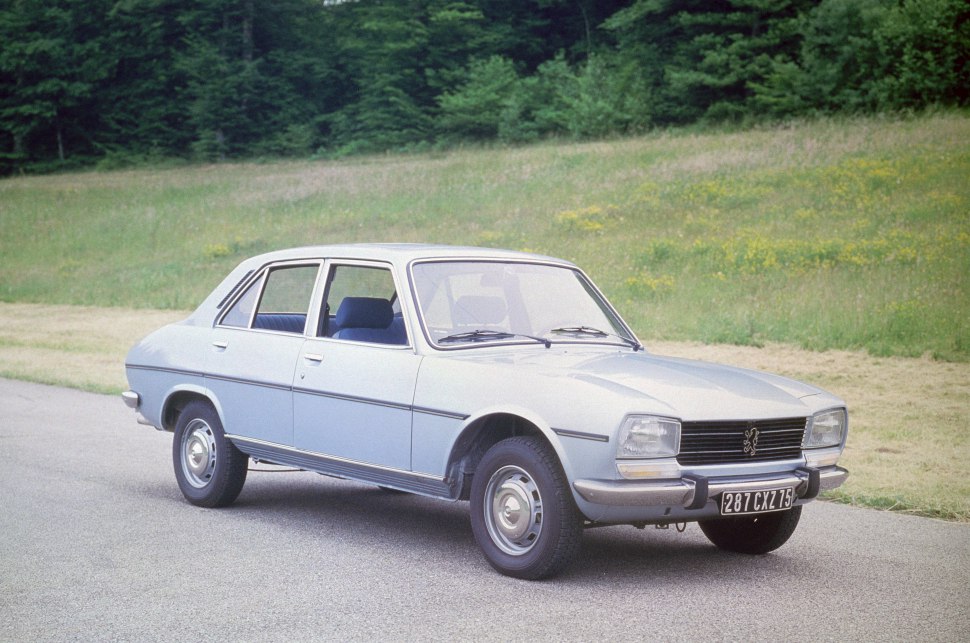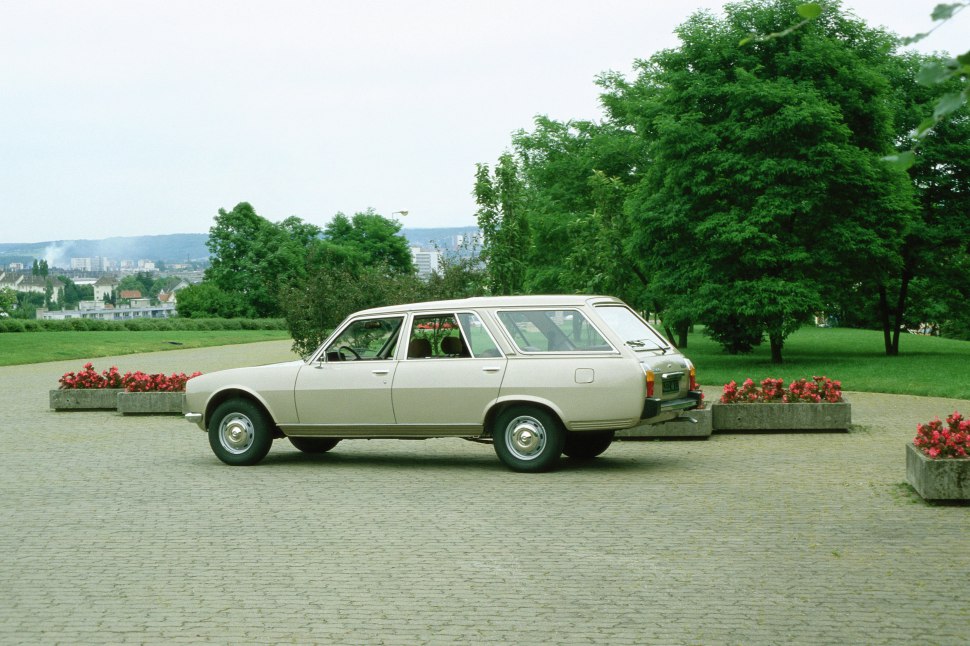
The Peugeot 504 Break 2.1 D (E20, F20) represents a significant chapter in Peugeot’s history, and a notable example of European station wagon design. Produced from 1971 to 1986, the 504 Break, particularly the diesel-powered variants like the 2.1 D, carved a niche for itself as a durable, practical, and stylish vehicle. While never officially sold in the United States, the 504 held a prominent position in the European market, and gained a strong following in other parts of the world, including Africa and South America, due to its robust construction and ability to handle challenging road conditions. The “Break” designation, common for Peugeot station wagons, signified its utility and spaciousness, making it a popular choice for families and professionals alike. This article details the technical aspects and historical context of the 504 Break 2.1 D.
Peugeot 504 Break: A Legacy of Practicality
The Peugeot 504 was a landmark vehicle for the French automaker, representing a move towards more modern and sophisticated designs. Introduced in 1968 as a replacement for the aging Peugeot 404, the 504 was initially available as a saloon (sedan) and a coupé. The Break (station wagon) version followed in 1971, expanding the model’s appeal to those requiring greater cargo capacity. The 504 was notable for its independent suspension on all four wheels, a relatively advanced feature for its time, contributing to a comfortable ride and improved handling. The 2.1-liter diesel engine, introduced later in the production run, offered improved fuel economy and durability, making it a popular choice for long-distance travel and commercial applications. The E20 and F20 designations refer to specific series within the production run, denoting minor updates and refinements.
Engine & Performance
The heart of the Peugeot 504 Break 2.1 D is the XD4x90 diesel engine. This naturally aspirated, inline-four cylinder engine displaces 2.1 liters (127.8 cubic inches) and produces 65 horsepower. While this output may seem modest by modern standards, it was considered adequate for the vehicle’s intended purpose, prioritizing fuel efficiency and reliability over outright speed. The engine’s torque characteristics, typical of diesel engines, provided strong low-end pulling power, making it well-suited for hauling loads or navigating hilly terrain. The XD4 engine family became renowned for its longevity and simplicity, and was used in a variety of Peugeot and Citroën vehicles for decades.
The 504 Break 2.1 D was not designed for performance in the sporting sense. Acceleration was deliberate, and top speed was modest. However, the engine’s robust construction and relatively low stress levels contributed to its exceptional durability. The drivetrain consisted of a rear-wheel drive configuration, coupled with either a four-speed manual or, less commonly, a three-speed automatic transmission. The rear-wheel drive layout provided good weight distribution and predictable handling, although it could be challenging in slippery conditions without careful driving. The diesel engine’s fuel economy was a significant advantage, particularly during the oil crises of the 1970s, making the 504 Break a practical and economical choice for many drivers.
Design & Features
The Peugeot 504 Break’s design, penned by the renowned Italian styling house Pininfarina, was characterized by clean lines, a long hood, and a spacious cabin. The station wagon body style extended the roofline rearward, creating a large cargo area that was accessible through a rear tailgate. The design was both elegant and functional, successfully blending aesthetics with practicality. The 504 Break’s interior was relatively simple but well-appointed for its time, with comfortable seating and a functional dashboard layout.
Safety features were relatively basic by modern standards, but included seat belts and a robust body structure. The 504’s independent suspension provided a comfortable ride and good handling, contributing to its overall safety. The vehicle’s durability and reliability were also key safety features, reducing the risk of mechanical failure. The 504 Break’s spacious interior and large cargo area made it a practical choice for families and those needing to transport large items. The diesel engine’s fuel efficiency also contributed to its practicality, reducing the frequency of refueling stops. The 504 Break’s enduring appeal lies in its combination of style, practicality, and durability, making it a beloved classic among automotive enthusiasts.
Technical Specifications
| Brand | Peugeot |
| Model | 504 |
| Generation | 504 Break |
| Type (Engine) | 2.1 D (E20,F20) (65 Hp) |
| Start of production | 1971 |
| End of production | 1986 |
| Powertrain Architecture | Internal Combustion engine |
| Body type | Station wagon (estate) |
| Fuel Type | Diesel |
| Power | 65 Hp |
| Engine Model/Code | XD4x90 |
| Engine aspiration | Naturally aspirated engine |
| Engine oil capacity | 5 l (5.28 US qt | 4.4 UK qt) |
| Coolant capacity | 10 l (10.57 US qt | 8.8 UK qt) |
The Peugeot 504 Break 2.1 D, while not a performance icon, remains a significant vehicle in automotive history. Its blend of European styling, practical design, and durable diesel engine made it a popular choice for a wide range of buyers. Its lasting legacy is a testament to Peugeot’s engineering prowess and its commitment to building reliable and functional vehicles. The 504 Break continues to be appreciated by enthusiasts and collectors worldwide, representing a bygone era of automotive design and engineering.