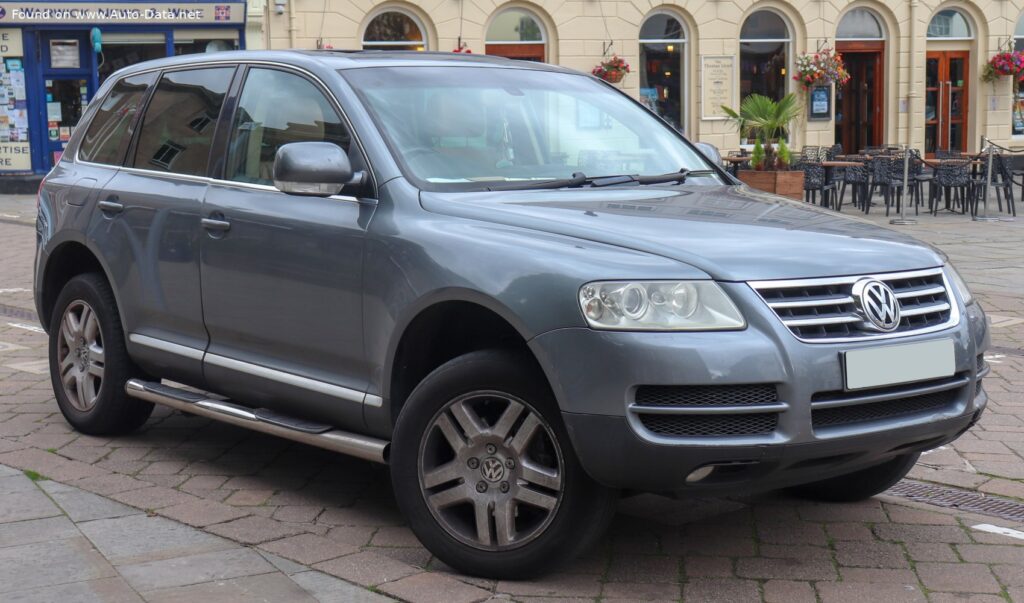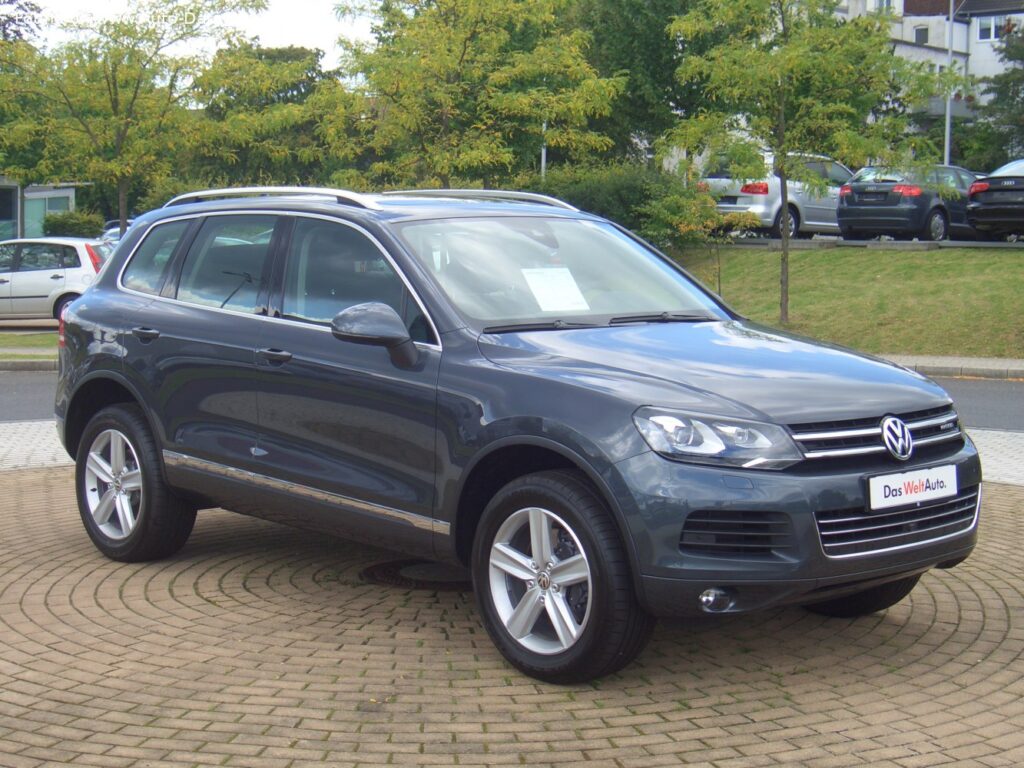
The Volkswagen Touareg II (7P) 3.0 TSI V6 (380 Hp) Hybrid 4MOTION Tiptronic, produced between 2010 and 2014, represents Volkswagen’s second generation of its popular mid-size luxury SUV. This model was a significant step forward for Volkswagen, integrating hybrid technology into a robust and capable platform. While not initially a high-volume seller in the United States, the Touareg II aimed to compete with established players like the BMW X5, Mercedes-Benz M-Class, and Porsche Cayenne, offering a blend of on-road comfort, off-road capability, and fuel efficiency. The hybrid powertrain was a key differentiator, positioning the Touareg as a technologically advanced option in the premium SUV segment.
Volkswagen Touareg II: A Hybrid Pioneer
The Touareg II, launched in 2010, built upon the success of the first-generation Touareg, addressing criticisms regarding interior refinement and technology. The 7P chassis brought a more sophisticated driving experience and a wider range of engine options, including the innovative 3.0 TSI V6 Hybrid. This hybrid variant combined a supercharged 3.0-liter V6 gasoline engine with an electric motor, delivering a combined output of 380 horsepower and 580 Nm (427.79 lb.-ft.) of torque. The integration of 4MOTION all-wheel drive and a Tiptronic eight-speed automatic transmission further enhanced its performance and versatility.
Engine & Performance
At the heart of the Touareg II 3.0 TSI Hybrid lies the CGEA or CGFA engine code, a 2995 cm³ (182.77 cu. in.) V6 gasoline engine. This engine produces 333 Hp at 5500-6500 rpm and 440 Nm (324.53 lb.-ft.) of torque between 3000-5250 rpm. Supercharging and an intercooler contribute to its responsive power delivery. Supplementing this is a 47 Hp electric motor, operating between 1500-3250 rpm and generating 300 Nm (221.27 lb.-ft.) of torque. The electric motor is strategically positioned between the combustion engine and the transmission. The combined system output of 380 Hp allows for a 0-100 km/h (0-62 mph) acceleration time of 6.5 seconds and a top speed of 240 km/h (149.13 mph). The hybrid system utilizes a 1.73 kWh Nickel-metal hydride (NiMH) battery pack, weighing 79 kg (174.17 lbs), located under the trunk floor. The vehicle can operate in full electric mode at speeds up to 50 km/h (31.07 mph). Fuel economy figures, measured using the NEDC standard, are 8.2 l/100 km (28.7 US mpg, 34.4 UK mpg) combined, with CO2 emissions of 193 g/km.
Design & Features
The Touareg II maintains the SUV body style with five doors and seating for five passengers. Its design represents a refinement of the first generation, with a more sculpted exterior and a significantly upgraded interior. The vehicle’s dimensions are substantial, measuring 4795 mm (188.78 in.) in length, 1940 mm (76.38 in.) in width, and 1737 mm (68.39 in.) in height. A key feature of the Touareg II is its off-road capability, enhanced by the 4MOTION all-wheel-drive system and a robust suspension setup. The hybrid model, while prioritizing efficiency, doesn’t compromise on this aspect. Inside, the Touareg II offers a luxurious and well-equipped cabin, featuring high-quality materials and advanced technology for the time, including a sophisticated infotainment system and driver assistance features like ABS. Trunk space ranges from 493 liters (17.41 cu. ft.) with the rear seats up to 1555 liters (54.91 cu. ft.) with them folded down. The Touareg II also boasts a respectable towing capacity, capable of handling trailers up to 3500 kg (7716.18 lbs) with brakes.
Technical Specifications
| General Information | |
| Brand | Volkswagen |
| Model | Touareg |
| Generation | Touareg II (7P) |
| Type (Engine) | 3.0 TSI V6 (380 Hp) Hybrid 4MOTION Tiptronic |
| Start of production | 2010 |
| End of production | 2014 |
| Powertrain Architecture | FHEV (Full Hybrid Electric Vehicle) |
| Body type | SUV |
| Seats | 5 |
| Doors | 5 |
| Performance Specs | |
| Fuel consumption (economy) – urban (NEDC) | 8.7 l/100 km (27 US mpg, 32.5 UK mpg, 11.5 km/l) |
| Fuel consumption (economy) – extra urban (NEDC) | 7.9 l/100 km (29.8 US mpg, 35.8 UK mpg, 12.7 km/l) |
| Fuel consumption (economy) – combined (NEDC) | 8.2 l/100 km (28.7 US mpg, 34.4 UK mpg, 12.2 km/l) |
| CO2 emissions (NEDC) | 193 g/km |
| Fuel Type | Petrol (Gasoline) |
| Acceleration 0 – 100 km/h | 6.5 sec |
| Acceleration 0 – 62 mph | 6.5 sec |
| Acceleration 0 – 60 mph | 6.2 sec |
| Maximum speed | 240 km/h (149.13 mph) |
| Emission standard | Euro 5 |
| Weight-to-power ratio | 5.9 kg/Hp, 169.6 Hp/tonne |
| Weight-to-torque ratio | 3.9 kg/Nm, 258.9 Nm/tonne |
| Electric/Hybrid Specs | |
| Gross battery capacity | 1.73 kWh |
| Battery voltage | 288 V |
| Battery technology | Nickel-metal hydride (NiMH) |
| Battery weight | 79 kg (174.17 lbs.) |
| Battery location | Under the trunk |
| Max speed (electric) | 50 km/h (31.07 mph) |
| Electric motor power | 47 Hp @ 1500-3250 rpm |
| Electric motor Torque | 300 Nm (221.27 lb.-ft.) |
| Electric motor location | Between the combustion engine and the transmission |
| System power | 380 Hp |
| System torque | 580 Nm (427.79 lb.-ft.) |
| Internal Combustion Engine Specs | |
| Power | 333 Hp @ 5500-6500 rpm |
| Power per litre | 111.2 Hp/l |
| Torque | 440 Nm @ 3000-5250 rpm (324.53 lb.-ft. @ 3000-5250 rpm) |
| Engine layout | Front, Longitudinal |
| Engine Model/Code | CGEA, CGFA |
| Engine displacement | 2995 cm³ (182.77 cu. in.) |
| Number of cylinders | 6 |
| Engine configuration | V-engine |
| Cylinder Bore | 84.5 mm (3.33 in.) |
| Piston Stroke | 89 mm (3.5 in.) |
| Compression ratio | 10.5:1 |
| Number of valves per cylinder | 4 |
| Fuel injection system | Direct injection |
| Engine aspiration | Supercharger, Intercooler |
| Valvetrain | DOHC |
| Engine oil capacity | 6.8 l (7.19 US qt | 5.98 UK qt) |
| Space, Volume and Weights | |
| Kerb Weight | 2240-2329 kg (4938.35 – 5134.57 lbs.) |
| Max. weight | 2910 kg (6415.45 lbs.) |
| Max load | 581-670 kg (1280.89 – 1477.1 lbs.) |
| Trunk (boot) space – minimum | 493 l (17.41 cu. ft.) |
| Trunk (boot) space – maximum | 1555 l (54.91 cu. ft.) |
| Fuel tank capacity | 85 l (22.45 US gal | 18.7 UK gal) |
| Max. roof load | 100 kg (220.46 lbs.) |
| Permitted trailer load with brakes (12%) | 3500 kg (7716.18 lbs.) |
| Permitted trailer load without brakes | 750 kg (1653.47 lbs.) |
| Permitted towbar download | 140 kg (308.65 lbs.) |
| Dimensions | |
| Length | 4795 mm (188.78 in.) |
| Width | 1940 mm (76.38 in.) |
| Width including mirrors | 2208 mm (86.93 in.) |
| Height | 1737 mm (68.39 in.) |
| Wheelbase | 2893 mm (113.9 in.) |
| Front track | 1638-1650 mm (64.49 – 64.96 in.) |
| Rear (Back) track | 1658-1670 mm (65.28 – 65.75 in.) |
| Front overhang | 916 mm (36.06 in.) |
| Rear overhang | 986 mm (38.82 in.) |
| Ride height (ground clearance) | 202 mm (7.95 in.) |
| Drag coefficient (Cd) | 0.37 |
| Minimum turning circle (turning diameter) | 11.9 m (39.04 ft.) |
| Approach angle | 25.5° |
| Departure angle | 26° |
| Ramp-over (brakeover) angle | 20.5° |
| Climb angle | 31° |
| Drivetrain, Brakes and Suspension | |
| Drivetrain Architecture | The Internal combustion engine (ICE) and the electric motor permanently drive the four wheels of the car with the ability to work in full electric or mixed mode. |
| Drive wheel | All wheel drive (4×4) |
| Number of gears and type of gearbox | 8 gears, automatic transmission Tiptronic |
| Front suspension | Coil spring, Double wishbone, Transverse stabilizer |
| Rear suspension | Independent multi-link spring suspension with stabilizer |
| Front brakes | Ventilated discs, 360×36 mm |
| Rear brakes | Ventilated discs, 330×28 mm |
| Assisting systems | ABS (Anti-lock braking system) |
| Steering type | Steering rack and pinion |
| Power steering | Electric Steering |
| Tires size | 255/55 R18; 265/50 R19; 275/45 R20 |
| Wheel rims size | 8J x 18; 8.5J x 19; 9J x 19; 9J x 20 |