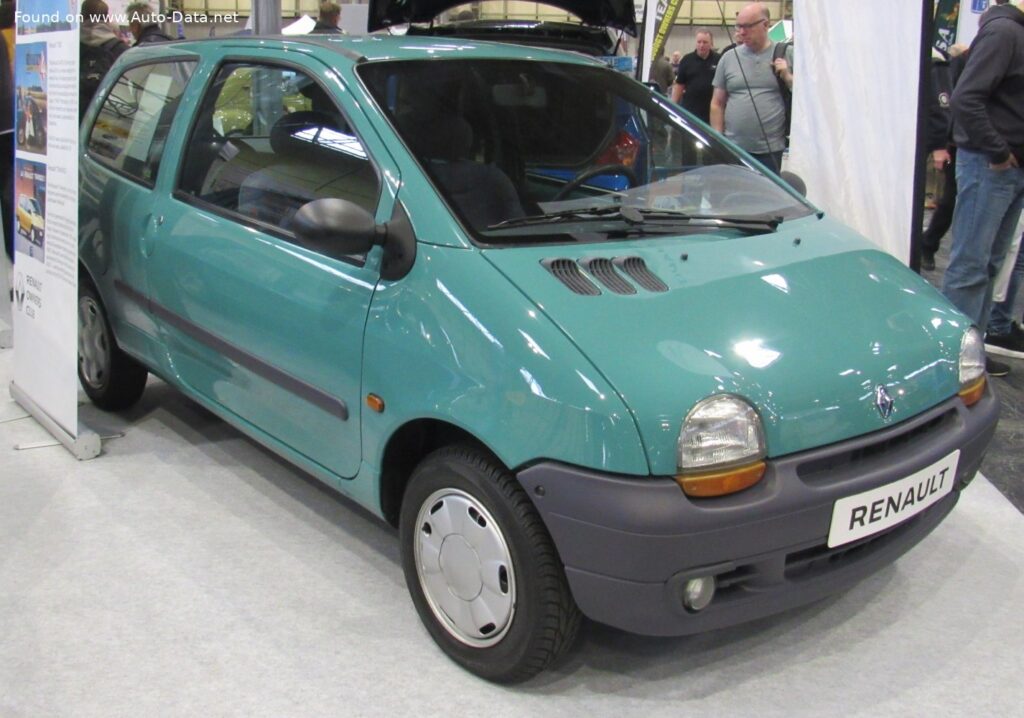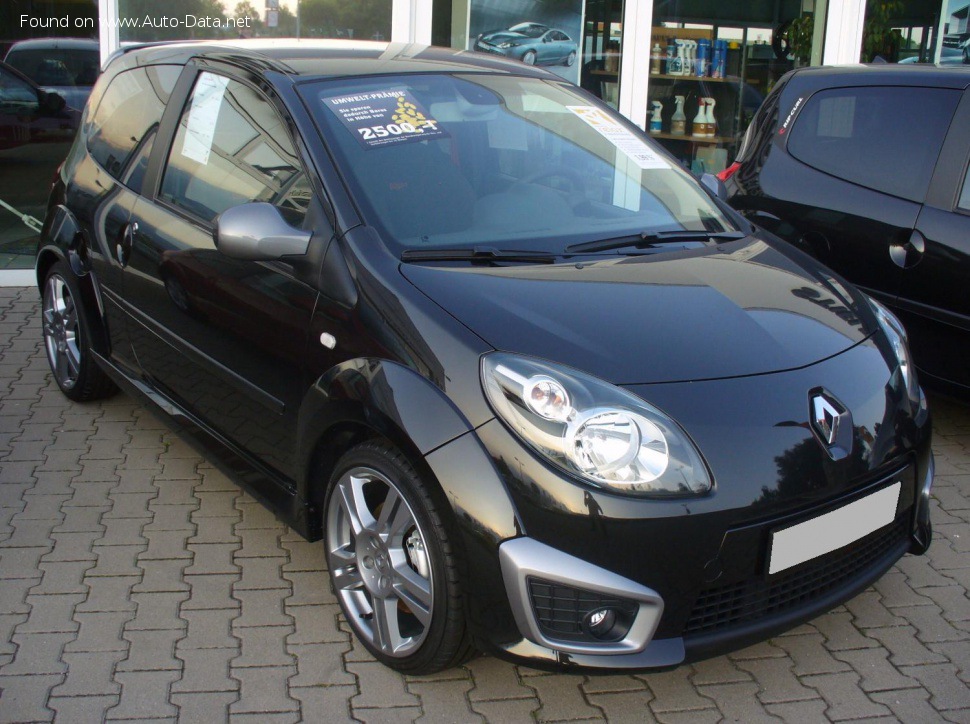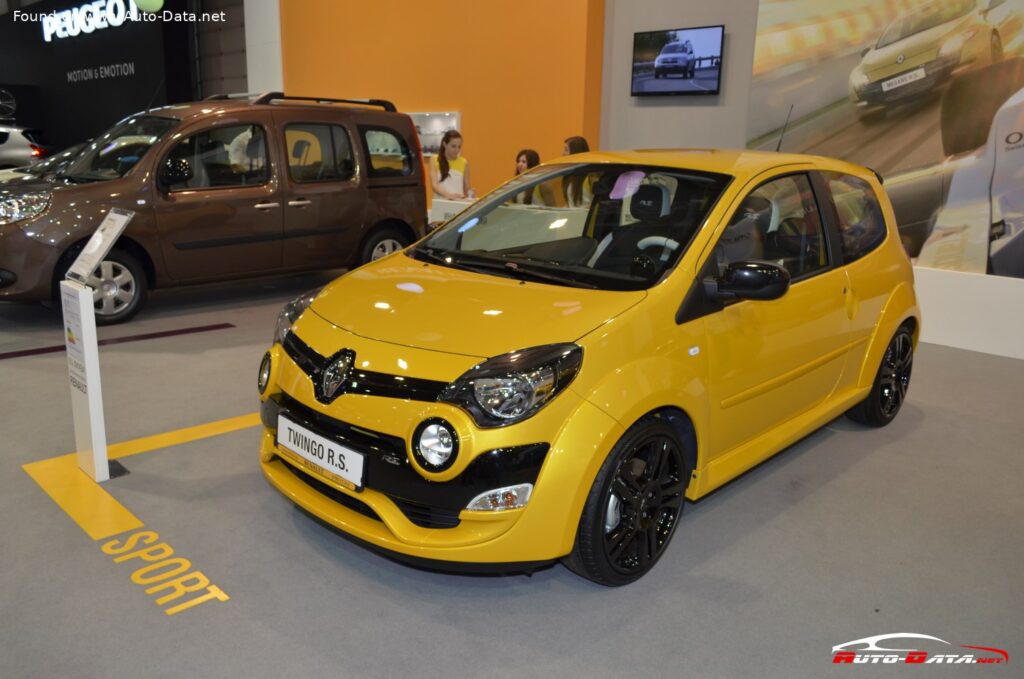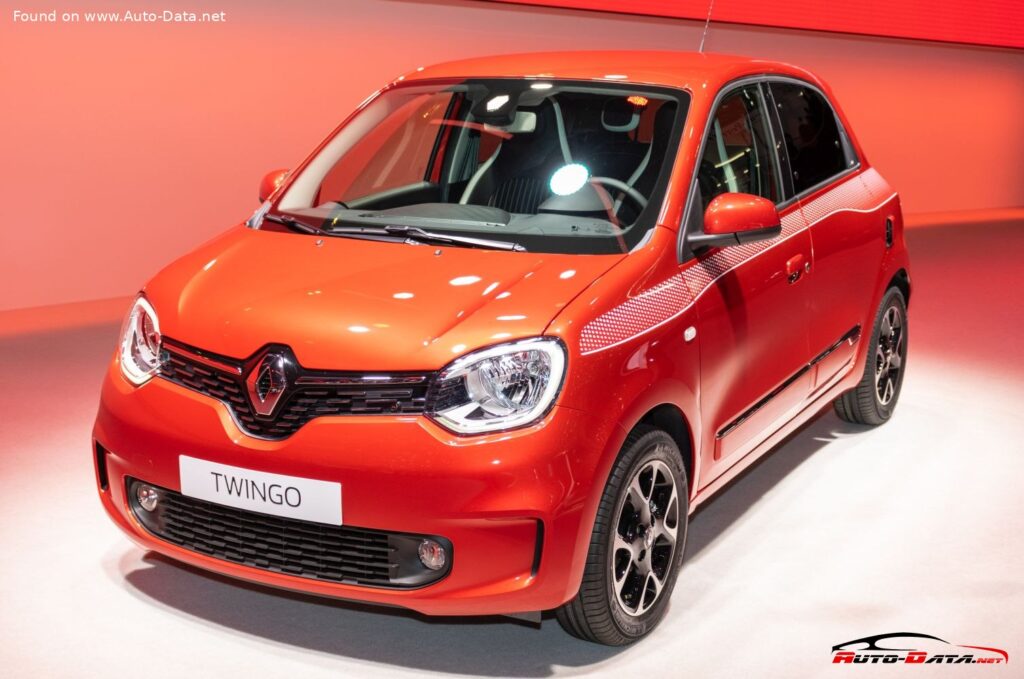
The Renault Twingo III Z.E. is a battery electric vehicle (BEV) produced by the French manufacturer Renault. Introduced in 2020 as part of the Twingo III facelift, the Z.E. represents Renault’s entry into the micro-electric vehicle segment. While the Twingo itself has a long history dating back to 1992, the Z.E. variant was primarily aimed at the European market, particularly urban environments, offering a compact and efficient electric mobility solution. It was discontinued in July 2024. The Twingo Z.E. distinguishes itself with its rear-wheel-drive configuration and relatively short length, making it exceptionally maneuverable in congested city streets.
Renault Twingo III Z.E.: An Overview
The Twingo III, launched in 2014, was a collaborative effort between Renault and Daimler AG, sharing its platform with the Smart Fortwo and Smart Forfour. The Z.E. version, introduced with the 2019 facelift, replaced the internal combustion engine options in many markets, focusing solely on electric propulsion. This shift aligned with growing environmental concerns and increasing demand for zero-emission vehicles in European cities. The Twingo Z.E. was designed to be a practical and affordable electric car, targeting a demographic seeking a convenient and eco-friendly mode of transportation for daily commutes and urban errands.
Engine & Performance
The Renault Twingo III Z.E. is powered by a single electric motor producing 82 horsepower (Hp) at 3950-11450 rpm and 160 Nm (118.01 lb.-ft.) of torque available from 500-3590 rpm. This motor is transversely mounted on the rear axle, resulting in a rear-wheel-drive configuration. Power is delivered through a single-speed automatic transmission. Acceleration from 0 to 100 km/h (0-62 mph) takes 12.9 seconds, while 0 to 60 mph is achieved in approximately 12.3 seconds. The vehicle has a maximum speed of 135 km/h (83.89 mph). The weight-to-power ratio is 13.3 kg/Hp, and the weight-to-torque ratio is 6.8 kg/Nm. The rear-wheel-drive layout, unusual for this class of vehicle, contributes to surprisingly agile handling.
Design & Features
The Twingo III Z.E. retains the distinctive styling of the Twingo III, characterized by its rounded shape and compact dimensions. As a five-door hatchback, it offers seating for four passengers. The battery pack, utilizing Lithium-ion technology, is located under the floor and beneath the front seats, optimizing interior space. The gross battery capacity is 22 kWh, with a net (usable) capacity of 21.3 kWh, operating at 400V. The battery weighs 165 kg (363.76 lbs.). Key features include ABS (Anti-lock Braking System), electric power steering, and a steering rack and pinion system. Trunk space ranges from a minimum of 219 liters (7.73 cu. ft.) to a maximum of 980 liters (34.61 cu. ft.) with the rear seats folded down. The vehicle’s design prioritizes practicality and maneuverability, making it well-suited for navigating narrow city streets and tight parking spaces.
Technical Specifications
| Brand | Renault |
| Model | Twingo |
| Generation | Twingo III (facelift 2019) |
| Type (Engine) | Z.E. 22 kWh (82 Hp) |
| Start of production | August, 2020 |
| End of production | July, 2024 |
| Powertrain Architecture | BEV (Electric Vehicle) |
| Body type | Hatchback |
| Seats | 4 |
| Doors | 5 |
| Fuel Type | Electricity |
| Acceleration 0 – 100 km/h | 12.9 sec |
| Acceleration 0 – 62 mph | 12.9 sec |
| Acceleration 0 – 60 mph | 12.3 sec |
| Maximum speed | 135 km/h (83.89 mph) |
| Weight-to-power ratio | 13.3 kg/Hp |
| Weight-to-torque ratio | 6.8 kg/Nm |
| Gross battery capacity | 22 kWh |
| Net (usable) battery capacity | 21.3 kWh |
| Battery voltage | 400 V |
| Battery technology | Lithium-ion (Li-Ion) |
| Battery weight | 165 kg (363.76 lbs.) |
| Battery location | Below the floor, under the front seats |
| All-electric range (WLTP) | 180 km (111.85 mi) |
| Average Energy consumption (WLTP) | 16-16.3 kWh/100 km (25.75 – 26.23 kWh/100 mi) |
| MPGe | 131 – 128 |
| km/kWh | 6.3 – 6.1 |
| mi/kWh | 3.9 – 3.8 |
| Electric motor power | 82 Hp @ 3950-11450 rpm |
| Electric motor Torque | 160 Nm @ 500-3590 rpm (118.01 lb.-ft. @ 500-3590 rpm) |
| Electric motor location | Rear axle, Transverse |
| Electric motor type | Synchronous |
| System power | 82 Hp @ 3950-11450 rpm |
| System torque | 160 Nm @ 500-3590 rpm (118.01 lb.-ft. @ 500-3590 rpm) |
| Kerb Weight | 1093 kg (2409.65 lbs.) |
| Max. weight | 1518 kg (3346.62 lbs.) |
| Max load | 425 kg (936.96 lbs.) |
| Trunk (boot) space – minimum | 219 l (7.73 cu. ft.) |
| Trunk (boot) space – maximum | 980 l (34.61 cu. ft.) |
| Max. roof load | 60 kg (132.28 lbs.) |
| Length | 3615 mm (142.32 in.) |
| Width | 1646 mm (64.8 in.) |
| Height | 1541 mm (60.67 in.) |
| Wheelbase | 2492 mm (98.11 in.) |
| Front track | 1452 mm (57.17 in.) |
| Rear (Back) track | 1425 mm (56.1 in.) |
| Front overhang | 629 mm (24.76 in.) |
| Rear overhang | 494 mm (19.45 in.) |
| Ride height (ground clearance) | 170 mm (6.69 in.) |
| Minimum turning circle (turning diameter) | 8.6 m (28.22 ft.) |
| Drivetrain Architecture | One electric motor drives the rear wheels. |
| Drive wheel | Rear wheel drive |
| Number of gears and type of gearbox | 1 gears, automatic transmission |
| Front suspension | Independent type McPherson |
| Front brakes | Ventilated discs, 280 mm |
| Rear brakes | Drum, 228.6 mm |
| Tires size | Front wheel tires: 165/65 R15; 185/50 R16Rear wheel tires: 185/60 R15; 205/45 R16 |
| Wheel rims size | Front wheel rims: 5J x 15; 6J x 16Rear wheel rims: 5.5J x 15; 7J x 16 |
The Renault Twingo III Z.E. represented a significant step towards electric mobility for Renault, offering a practical and affordable solution for urban drivers. Its compact size, rear-wheel-drive configuration, and zero-emission powertrain made it a compelling option in the growing electric vehicle market, particularly in Europe.